Blighted ovum: A Complete Medical Guide for Patients

A blighted ovum is a type of early miscarriage diagnosed by ultrasound and pregnancy hormone follow-up. It usually happens because of random chromosomal abnormalities and is rarely caused by daily activities, exercise, stress, or sex.
Key Takeaways
- A blighted ovum is a type of early miscarriage diagnosed by ultrasound and pregnancy hormone follow-up.
- It usually happens because of random chromosomal abnormalities and is rarely caused by daily activities, exercise, stress, or sex.
- Symptoms may include bleeding and cramping, but some people have no symptoms until a routine scan.
- Management options may include watchful waiting, medication, or a procedure, depending on symptoms and patient preference.
- Most people can have a healthy pregnancy in the future after a blighted ovum.
A blighted ovum, also called an anembryonic pregnancy, is an early pregnancy loss in which a gestational sac develops but an embryo does not form or stops developing very early. It is a common cause of first-trimester miscarriage and is usually related to chromosomal problems rather than anything the pregnant person did or did not do.
Overview
A blighted ovum is a type of early pregnancy loss. In this condition, a fertilized egg implants in the uterus and the pregnancy sac begins to form, but the embryo either never develops or stops developing at a very early stage. Doctors may also call this an anembryonic pregnancy.
Because the body initially begins the normal early pregnancy process, a person may still have a positive pregnancy test and common pregnancy symptoms such as breast tenderness, nausea, or a missed period. This can make the diagnosis confusing and emotionally difficult, especially when the pregnancy looked normal at first.
A blighted ovum is one of the most common reasons for miscarriage in the first trimester. In most cases, it happens because of a random problem in the chromosomes of the fertilized egg. This means it is usually not caused by exercise, work, travel, intercourse, or a single stressful event.
Symptoms and what it may feel like
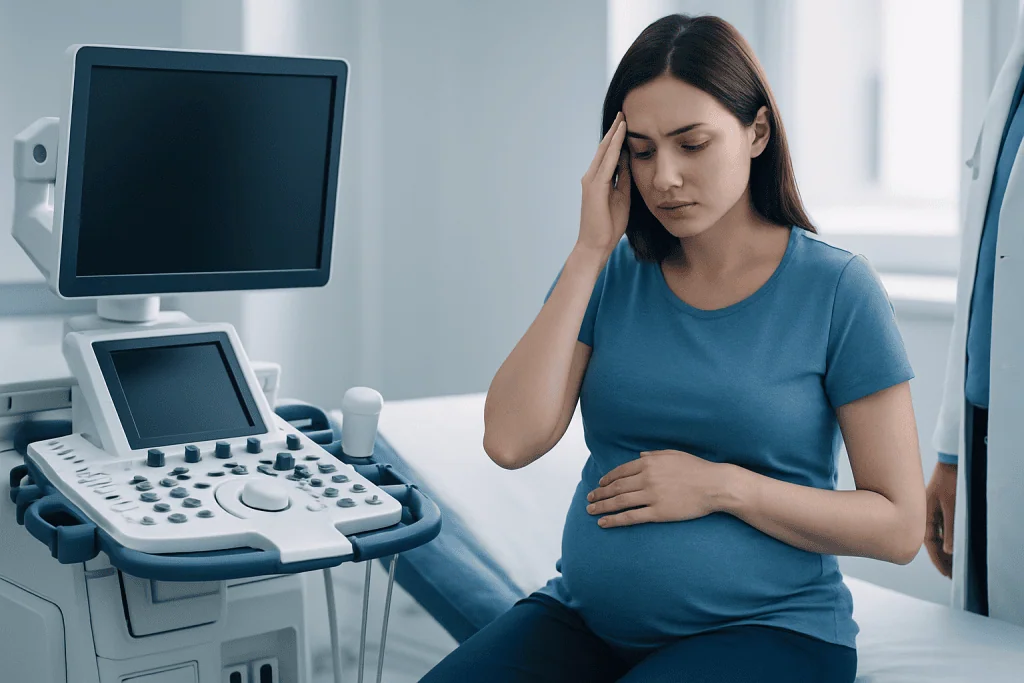
Some people with a blighted ovum notice symptoms similar to other early miscarriages, while others feel completely well until an ultrasound shows that the pregnancy is not developing as expected. Bleeding can range from light spotting to heavier bleeding, and cramping may feel mild or similar to menstrual pain.
Common symptoms can include:
- Vaginal spotting or bleeding
- Lower abdominal or pelvic cramping
- A positive pregnancy test followed by bleeding
- Pregnancy symptoms that fade over time
- No symptoms at all before a routine prenatal scan
It is also possible to continue having early pregnancy symptoms for a time because the body may still produce pregnancy hormones. For this reason, symptoms alone cannot confirm whether a pregnancy is developing normally. Ultrasound and medical assessment are needed for an accurate diagnosis.
Bleeding in early pregnancy does not always mean miscarriage. Conditions such as implantation bleeding, subchorionic bleeding, or a viable early pregnancy may also cause spotting. That is why prompt medical advice is important when bleeding or pain occurs.
Why a blighted ovum happens

In most cases, a blighted ovum is linked to chromosomal abnormalities that happen by chance during fertilization or very early cell division. When the genetic material is not compatible with normal development, the embryo may stop growing before it becomes visible on ultrasound, even though the gestational sac continues to develop for a short time.
This kind of pregnancy loss is generally considered a natural biological event rather than something that could have been prevented. Many people worry that they caused it by lifting, exercise, working, traveling, or eating the wrong food. In most situations, those are not the cause.
Some factors may be associated with miscarriage overall, although they do not specifically explain every blighted ovum. These can include increasing maternal age, certain hormone or uterine conditions, uncontrolled chronic illness, smoking, and, less commonly, recurrent genetic factors. If pregnancy losses happen more than once, doctors may look for underlying causes.
How doctors diagnose it
Diagnosis is usually based on ultrasound findings together with the timing of the pregnancy and blood tests when needed. On ultrasound, the gestational sac may be seen in the uterus, but there is no visible embryo inside the sac when one would normally be expected. To avoid diagnosing a very early normal pregnancy as a miscarriage, doctors follow careful criteria and may repeat the scan after several days.
Blood tests that measure human chorionic gonadotropin (hCG) can also help. In a healthy early pregnancy, hCG usually rises in a predictable way, although there is normal variation. In a blighted ovum, hormone levels may rise more slowly, level off, or begin to fall, but blood tests alone do not make the diagnosis.
Because the symptoms can overlap with other early pregnancy conditions, the doctor may also consider ectopic pregnancy and other causes of bleeding or pain. If there is uncertainty, repeat ultrasound and close follow-up are often the safest approach. This can be emotionally hard, but careful timing helps prevent mistakes.
Treatment and management options
Once a blighted ovum is confirmed, treatment depends on symptoms, how far the process has progressed, medical history, and personal preference. There are usually three approaches: expectant management, medication, or a procedure to empty the uterus. A doctor will explain the benefits and possible drawbacks of each option.
Expectant management means waiting for the body to pass the pregnancy tissue naturally. Some people prefer this because it avoids medication or surgery. However, it may take days or weeks, and follow-up is needed to make sure the miscarriage is complete.
Medication can help the uterus pass the tissue more predictably. This option may be discussed if there is no urgent need for surgery and the patient prefers not to wait. In some cases, a uterine evacuation procedure may be recommended or chosen, especially for heavy bleeding, infection, or personal reasons. Information about dilation and curettage (D&C) may be relevant when discussing procedural management.
Follow-up care is important after any option. The doctor may recommend repeat ultrasound, blood tests, or both to confirm that the miscarriage is complete. If bleeding is unusually prolonged or there are signs of retained tissue, further treatment may be needed.
Recovery, future fertility, and emotional support
Physical recovery after a blighted ovum is usually straightforward, although bleeding and cramping can continue for several days to a few weeks depending on the treatment approach. Periods often return within several weeks, though timing varies from person to person. The healthcare team can advise when it is medically reasonable to try for another pregnancy.
For many patients, the emotional impact lasts longer than the physical recovery. Even an early pregnancy loss can bring grief, sadness, guilt, anger, numbness, or anxiety about future pregnancies. These reactions are common and valid. Support from family, friends, counseling, or pregnancy loss support groups can be helpful.
Most people who have one blighted ovum go on to have a healthy future pregnancy. A single early miscarriage usually does not mean there is a long-term fertility problem. If there is repeated pregnancy loss, fertility concerns, or questions about implantation, a specialist evaluation may help, and some patients may be assessed through services such as fertility and IVF evaluation.
When ongoing gynecologic review is needed, patients may benefit from broader obstetrics and gynecology care. Near the end of the treatment journey, some international patients choose centers such as Acibadem International, where multidisciplinary specialists in JCI-accredited hospitals diagnose and manage early pregnancy complications and related reproductive health concerns.
Can it be prevented?
In most cases, a blighted ovum cannot be prevented because it usually results from random chromosomal changes. This can be difficult to accept, but it is important for patients to know that ordinary daily activities are rarely responsible. Resting more, staying in bed, or avoiding normal movement generally does not prevent this type of miscarriage once it has started.
Even though a specific blighted ovum often cannot be prevented, general preconception health can support a healthier pregnancy overall. Useful steps may include:
- Seeing a doctor before pregnancy if there are chronic medical conditions
- Taking folic acid as advised
- Avoiding smoking, recreational drugs, and excessive alcohol
- Managing conditions such as diabetes or thyroid disease
- Discussing medications before trying to conceive
If someone has had more than one miscarriage, further assessment may be appropriate. Depending on the history, doctors may evaluate hormones, uterine structure, autoimmune issues, or genetic factors. This type of workup is usually considered after recurrent losses rather than after a single blighted ovum.
When to seek medical care
Medical care should be sought promptly for bleeding, cramping, or pregnancy symptoms that suddenly change in early pregnancy. Urgent evaluation is especially important if there is heavy bleeding, severe one-sided pain, dizziness, fainting, fever, or foul-smelling discharge, because these symptoms can suggest complications or another condition that needs immediate attention.
People who have been diagnosed with a blighted ovum should contact their healthcare team if pain becomes severe, bleeding soaks through pads quickly, or symptoms continue longer than expected. After treatment, follow-up matters to confirm that the uterus is empty and that recovery is progressing normally.
It is also reasonable to arrange medical care for emotional support, questions about future pregnancy, or advice on when to try to conceive again. Early contact with a qualified clinician can provide reassurance, clarify the diagnosis, and help the patient choose the management approach that best fits their medical needs and personal preferences.
Frequently asked questions
What is a blighted ovum in simple terms?
A blighted ovum is an early pregnancy loss in which the pregnancy sac forms in the uterus, but the embryo does not develop normally or stops developing very early. It is also called an anembryonic pregnancy. It is a common cause of first-trimester miscarriage.
Can a blighted ovum still cause pregnancy symptoms?
Yes. Many people still have nausea, breast tenderness, fatigue, and a positive pregnancy test because the body continues to produce pregnancy hormones for a time. Symptoms alone cannot show whether the pregnancy is developing normally.
Did stress, exercise, or sex cause the blighted ovum?
In most cases, no. A blighted ovum is usually related to random chromosomal problems that happen very early after fertilization. Everyday activities such as walking, working, exercise, or intercourse are not usually the cause.
How is a blighted ovum confirmed?
Doctors usually confirm it with ultrasound, sometimes combined with repeat blood tests for hCG. If the pregnancy is very early, they may repeat the scan after several days to avoid mistaking a normal early pregnancy for a miscarriage. Careful follow-up is an important part of diagnosis.
Does a blighted ovum mean infertility?
Usually not. Most people who have one blighted ovum can become pregnant again and go on to have a healthy pregnancy. A single early miscarriage does not typically mean there is a long-term fertility problem.
How long does recovery take after a blighted ovum?
Physical recovery varies based on whether the miscarriage happens naturally, with medication, or after a procedure. Bleeding may last days to a few weeks, and periods often return within several weeks. Emotional recovery may take longer, and support can be helpful.
This article is for general information only and is not a substitute for professional medical advice. Please consult a qualified doctor about your individual situation.
Explore treatments in Turkey — costs, top hospitals & a free quote
JCI-accredited · board-certified surgeons · reply within 24h
Add us as a Preferred Source to see more of our trusted health content across Google Search, AI Overviews and Discover.

More from the Health Library

Foreskin: A Complete Medical Overview

Basophils: An Evidence-Based Guide for Patients

Right Bundle Branch Block: What Patients Need to Know

Autosomal Recessive — Explained by Medical Evidence, Not Myths

Ailments of Circulatory System — Explained by Medical Evidence, Not Myths