Blood Biopsy: Procedure, Recovery and Results

A blood biopsy is generally a liquid biopsy performed with a routine blood sample. It can detect selected cancer-related changes and help guide targeted treatment decisions.
Key Takeaways
- A blood biopsy is generally a liquid biopsy performed with a routine blood sample.
- It can detect selected cancer-related changes and help guide targeted treatment decisions.
- A negative blood biopsy result does not always rule out cancer because not all tumors release detectable material into blood.
- Most people can return to normal activities immediately after a blood draw.
- Tissue biopsy and imaging are often still needed to confirm a diagnosis, identify cancer type, and determine stage.
A blood biopsy usually refers to a liquid biopsy: a standard blood draw that looks for cancer-related DNA, cells, or other markers circulating in the bloodstream. It is minimally invasive and may help guide cancer care, but it does not replace a tissue biopsy in every situation.
Overview: What Is a Blood Biopsy?
A blood biopsy is a commonly used term for a liquid biopsy, a laboratory test performed on a blood sample. The test looks for small amounts of material that may be released into the bloodstream by a tumor, including circulating tumor DNA, cancer cells, proteins, or other molecular markers. The sample is collected through a routine blood draw, usually from a vein in the arm.
Liquid biopsy can provide useful information when cancer is suspected or already diagnosed. Depending on the test and clinical situation, it may help identify genetic changes in a tumor, support treatment selection, assess response to treatment, or look for evidence that cancer has returned. It is important to understand that a blood biopsy is not the same as a tissue biopsy, in which a doctor removes cells or tissue directly from an abnormal area.
For many cancers, tissue testing remains the most reliable way to confirm whether cancer is present and to establish the exact tumor type. A blood biopsy is best viewed as one part of a wider assessment that may also include symptoms, physical examination, imaging, standard laboratory tests, and tissue biopsy findings.
How a Blood Biopsy Works and Who May Benefit
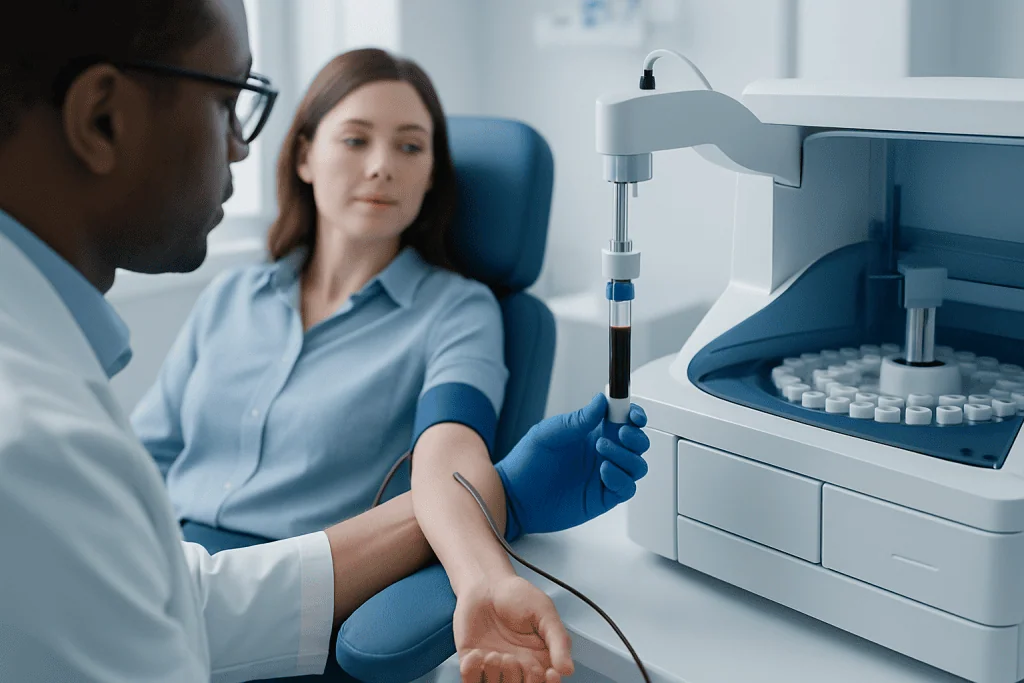
Tumors can shed tiny fragments of genetic material into the blood. Liquid biopsy technology analyzes these fragments, particularly circulating tumor DNA, for changes that may be linked with cancer growth or response to certain medicines. Some tests look broadly across many genes, while others focus on a smaller set of known cancer-related changes.
A clinician may consider a blood biopsy for a person with an established cancer diagnosis when tumor tissue is difficult to obtain, when there is not enough tissue for molecular testing, or when a current picture of tumor genetics may help guide care. Tumors can change over time, especially after treatment, so blood-based testing can sometimes identify new molecular changes that are not reflected in an earlier tissue sample.
Blood biopsy may also be used during follow-up in selected cases. However, its usefulness varies by cancer type, tumor size, disease location, and the specific test used. People without a diagnosed cancer should not assume that a liquid biopsy is a definitive screening test. A positive or negative result must always be interpreted by a qualified clinician in context.
- It may help identify actionable genetic changes for targeted therapies.
- It may be useful when a conventional biopsy carries increased risk or is not feasible.
- It may help monitor known cancer over time in appropriate settings.
- It cannot reliably exclude cancer in every person or every cancer type.
Blood Biopsy Procedure: Step by Step

The procedure is similar to having a routine blood test. Before the appointment, the care team will explain why the test is being recommended and whether any preparation is needed. Most blood biopsy tests do not require fasting, but patients should follow the instructions given by their own clinician or laboratory.
During the collection, a healthcare professional places a small needle into a vein, usually in the arm, and collects one or more tubes of blood. The needle is then removed, and gentle pressure or a small dressing is applied. The blood draw itself usually takes only a few minutes.
The sample is sent to a specialized laboratory for analysis. Laboratory teams separate and examine the relevant blood components, then report detectable molecular findings to the treating clinician. The clinician reviews the report alongside other medical information rather than relying on the blood biopsy alone.
If the results suggest a clinically important change, further imaging, a tissue biopsy, or consultation with oncology, pathology, genetics, or other specialties may be recommended. In cancer care, molecular findings may be considered when discussing medical oncology treatment options, including targeted medicines or other systemic therapies.
Recovery Timeline, Benefits and Possible Risks
Recovery after a blood biopsy is usually immediate because the procedure involves only a venous blood draw. Most people can leave shortly afterward, drive themselves if they feel well, and resume regular work, meals, and daily activities the same day. Keeping the bandage on briefly and avoiding heavy lifting with that arm for a short period can reduce bruising.
The most common effects are mild soreness, a small bruise, or temporary bleeding at the needle site. These usually settle without treatment. Applying gentle pressure immediately after the draw can help, and a cool pack may be used later for a minor bruise if needed.
Serious complications are uncommon. People should tell the healthcare professional before the procedure if they take blood-thinning medicines, have a bleeding disorder, have fainted with blood draws before, or have a history of difficult vein access. They should seek medical advice if bleeding does not stop with firm pressure, swelling becomes significant, or the site develops increasing redness, warmth, or pain.
The main benefit of liquid biopsy is that it is less invasive than obtaining tissue from an organ or tumor. Its main limitation is that some cancers release little or no detectable tumor material into the blood. A result may therefore be inconclusive, and additional tests may still be needed.
How Many Days Should I Rest After a Biopsy?
After a blood biopsy, most people do not need to rest for days. Because it is a standard blood draw, normal activities can usually be resumed immediately or later the same day. A person who feels lightheaded should sit or lie down until symptoms pass and should avoid driving until they feel fully steady.
The advice is different for a tissue biopsy, such as a needle biopsy of the breast, liver, lung, prostate, or another organ. Recovery time after a tissue biopsy depends on the body area, method used, sedation, and individual health needs. The clinical team will provide specific instructions about activity, wound care, pain relief, and when to return to work or exercise.
It is helpful to ask which type of biopsy is planned. The term “blood biopsy” is sometimes used informally, but a liquid biopsy has a much shorter recovery period than a procedure that removes tissue directly from the body.
Understanding Results and the Next Steps
Blood biopsy results can be reported as positive, negative, inconclusive, or as a list of molecular findings. A positive result may identify tumor-related genetic material or a mutation that could be relevant to treatment. It does not always independently prove that a person has cancer, particularly when testing is performed without a previous cancer diagnosis.
A negative result means the test did not find the specific cancer-related material it was designed to detect. It does not necessarily mean cancer is absent. Tumor material may be below the test’s detection limit, may not be shed into the bloodstream, or may not be covered by that particular assay. If symptoms, imaging, or other findings remain concerning, a clinician may recommend further investigation.
Results are usually discussed by an oncologist or another clinician experienced in cancer diagnostics. When cancer is confirmed, a multidisciplinary review may bring together pathology, radiology, surgery, medical oncology, and radiation oncology. This helps ensure that test findings are matched with the person’s overall diagnosis and goals of care.
Acibadem International’s multidisciplinary specialists and JCI-accredited hospitals diagnose and treat cancer for international patients, coordinating investigations and care plans when needed.
Do Biopsy Results Take Longer if It Is Cancer?
Biopsy results do not automatically take longer because cancer is present. Timing mainly depends on the type of sample, the laboratory processes required, and whether additional testing is needed. A straightforward result may be available relatively quickly, while specialized molecular tests can take longer.
When a tissue biopsy shows abnormal or cancerous cells, pathologists may perform further tests to identify the exact cancer type, grade, receptor status, or genetic features. These additional analyses are important because they can affect treatment planning. For blood biopsy, the turnaround time similarly depends on the test’s complexity and the laboratory performing it.
Waiting for results can be difficult. Patients can ask their care team when results are expected, how they will be communicated, and whether a follow-up appointment should be arranged. A longer wait does not, by itself, indicate a more serious result.
What Happens After a Biopsy Confirms Cancer?
After a biopsy confirms cancer, the next step is to define the cancer as accurately as possible. The care team reviews the pathology report and may arrange imaging scans, blood tests, additional tissue analysis, or genetic and molecular testing. These steps help identify the cancer’s origin, extent, biological features, and treatment options.
Care is usually planned by a multidisciplinary team. Depending on the cancer type and stage, treatment may involve surgery, radiation therapy, systemic treatment such as chemotherapy, immunotherapy, hormone therapy, targeted therapy, or a combination of approaches. The recommended plan is individualized according to the diagnosis, overall health, personal preferences, and treatment goals.
Patients are encouraged to bring questions to their appointments and ask for clear explanations of the diagnosis, proposed tests, expected benefits, possible side effects, and alternatives. Supportive care for symptoms, nutrition, emotional wellbeing, fertility concerns, and practical needs can also be part of cancer care from the beginning.
Can a Doctor Tell What Stage Cancer From a Biopsy?
A biopsy can confirm cancer and provide essential information about its type, grade, and molecular features, but it usually cannot determine the full stage on its own. Cancer staging describes how large a cancer is, whether it has spread to nearby lymph nodes, and whether it has spread to other parts of the body.
To determine stage, clinicians commonly combine biopsy findings with imaging tests, physical examination, surgical findings when applicable, and other laboratory results. Examples of imaging may include ultrasound, CT, MRI, PET, or other studies selected for the suspected cancer type. In some situations, lymph node sampling or surgery provides additional staging information.
Staging is important because it helps the team discuss prognosis and choose the most appropriate treatment approach. However, staging systems differ between cancer types, and the clinician can explain what a particular stage means for the individual rather than relying on general comparisons.
When to Seek Medical Care
A person should contact a doctor promptly if they have a persistent or worsening symptom that could require evaluation, such as an unexplained lump, unusual bleeding, ongoing change in bowel or bladder habits, persistent cough, unexplained weight loss, or pain that does not improve. These symptoms are common and often have non-cancer causes, but they deserve appropriate assessment when they persist.
After a blood draw, urgent medical care is rarely needed. Medical advice should be sought if there is persistent bleeding, rapidly increasing swelling, signs of infection at the needle site, fainting that does not resolve, or symptoms of a severe allergic reaction. Anyone with chest pain, severe shortness of breath, sudden weakness, or other emergency symptoms should seek emergency care.
People who have been advised to have a biopsy or imaging test should discuss concerns openly with their clinician. Understanding the purpose of each test, what the results can and cannot show, and the likely next steps can make the diagnostic process more manageable.
Frequently asked questions
Is a blood biopsy the same as a liquid biopsy?
Yes. Blood biopsy is commonly used to describe a liquid biopsy performed using a blood sample. The test looks for cancer-related DNA, cells, or other markers circulating in the bloodstream.
Can a blood biopsy diagnose cancer?
A blood biopsy can provide evidence of cancer-related molecular changes, but it does not confirm every cancer diagnosis on its own. In many cases, clinicians need tissue biopsy, imaging, and other tests to confirm the diagnosis and identify the cancer type.
Does a blood biopsy hurt?
A blood biopsy involves the same type of needle stick as an ordinary blood test. There may be brief discomfort when the needle enters the skin, followed by mild soreness or a small bruise for a short time.
How many days should I rest after a biopsy?
After a blood biopsy, most people need no special rest period and can return to usual activities the same day. Tissue biopsies may require a longer recovery, depending on the organ involved, the procedure, and whether sedation was used.
Do biopsy results take longer if it's cancer?
Not necessarily. Results may take longer when the laboratory needs additional staining, genetic testing, or expert review to accurately classify the sample. A delayed result does not by itself mean that cancer has been found.
What happens after a biopsy confirms cancer?
The care team usually performs further tests to identify the cancer type, extent, and molecular characteristics. A multidisciplinary team then discusses treatment options, which may include surgery, radiation, medicines, or a combination of treatments.
Can a doctor tell what stage cancer from a biopsy?
A biopsy provides important information about cancer type and tumor features, but it usually cannot establish the complete stage by itself. Imaging, examination findings, lymph node assessment, and sometimes surgery are also used for staging.
References
- National Cancer Institute
- American Cancer Society
- U.S. Food and Drug Administration
- American Society of Clinical Oncology
- World Health Organization
This article is for general information only and is not a substitute for professional medical advice. Please consult a qualified doctor about your individual situation.
Oncology care in Turkey — second opinion and treatment plan
JCI-accredited · board-certified surgeons · reply within 24h
Add us as a Preferred Source to see more of our trusted health content across Google Search, AI Overviews and Discover.