Blood Circulation Colibrim: An Evidence-Based Guide for Patients

Healthy circulation delivers oxygen and nutrients throughout the body and removes waste products. Cold hands or feet, leg pain with walking, swelling, numbness, or skin color changes can sometimes suggest poor circulation.
Key Takeaways
- Healthy circulation delivers oxygen and nutrients throughout the body and removes waste products.
- Cold hands or feet, leg pain with walking, swelling, numbness, or skin color changes can sometimes suggest poor circulation.
- Circulation problems may be linked to lifestyle factors, aging, diabetes, heart disease, blood vessel disease, or blood clots.
- Diagnosis depends on the cause and may include a physical exam, blood pressure checks, blood tests, ultrasound, or other imaging.
- Treatment focuses on the underlying problem and may combine lifestyle changes, medication, and specialized vascular care.
- Urgent medical attention is needed for sudden chest pain, one-sided weakness, severe shortness of breath, or a painful swollen limb.
Blood circulation colibrim is commonly searched by people looking for reliable information on blood flow and how to support healthy circulation. In patient-friendly terms, it refers to understanding circulation problems, recognizing possible warning signs, and knowing which medical and lifestyle steps may help.
What blood circulation colibrim means
Blood circulation colibrim is not a formal medical diagnosis, but it is often used in online searches by people who want to understand blood flow and whether symptoms such as cold feet, tingling, leg cramps, or swelling could be related to circulation. In simple terms, blood circulation is the movement of blood through the heart, arteries, veins, and tiny blood vessels that supply the body’s tissues.
Good circulation is essential because blood carries oxygen, nutrients, hormones, and immune cells to organs and muscles. It also helps remove carbon dioxide and other waste products. When circulation is reduced or blocked, parts of the body may not receive what they need, which can lead to discomfort, slower healing, or more serious medical problems depending on the cause.
Not every symptom that people call “poor circulation” is caused by a blood vessel problem. Nerve conditions, thyroid disorders, anemia, dehydration, side effects of medicines, and even anxiety or cold exposure can cause similar complaints. This is why it is important to look at the whole clinical picture rather than assuming there is one single cause.
How healthy circulation works in the body
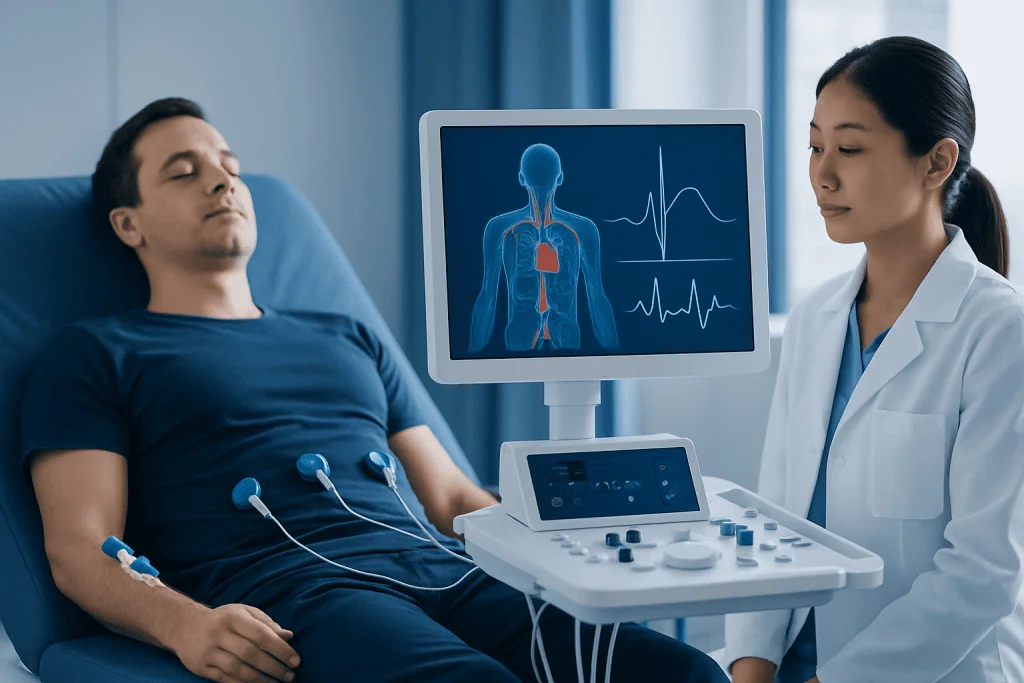
The circulatory system includes the heart, which pumps blood, the arteries that carry blood away from the heart, the veins that return blood, and the capillaries where oxygen and nutrients are exchanged with tissues. This system works continuously to support brain function, movement, temperature regulation, and healing.
When a person walks, exercises, rests, or changes posture, the body constantly adjusts blood flow. Blood vessels widen or narrow, the heart changes its pumping strength, and muscles help push blood back toward the heart. If one part of this system is not working well, symptoms may appear in the legs, feet, hands, brain, heart, or other organs.
Circulation concerns are often grouped into arterial problems, venous problems, and clotting disorders. Arterial problems reduce blood supply to tissues, venous problems make it harder for blood to return to the heart, and clots can partially or completely block normal flow. These different patterns matter because treatment depends on the underlying issue.
For example, leg discomfort from blocked arteries may need evaluation for peripheral artery disease, while swelling or heaviness can be more suggestive of venous disease. A careful medical assessment helps distinguish between these possibilities.
Possible symptoms and warning signs
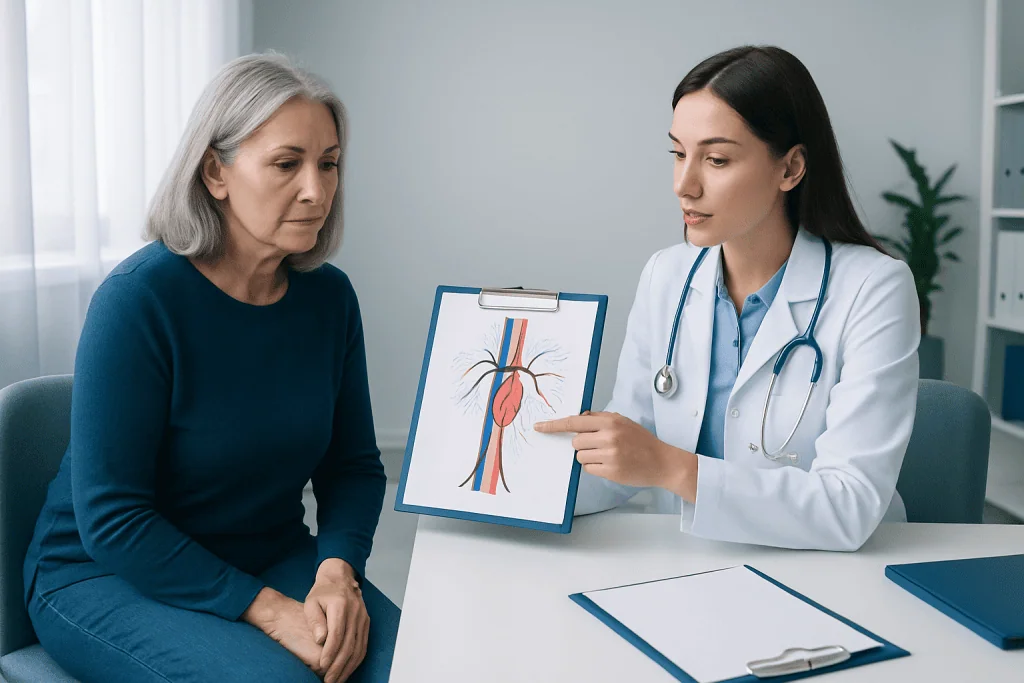
Symptoms linked to circulation problems can vary widely. Some people notice cold hands or feet, numbness, tingling, muscle cramps, or a feeling of heaviness in the legs. Others may develop pain during walking that improves with rest, slow-healing sores, skin discoloration, visible varicose veins, or swelling around the ankles.
The pattern of symptoms can offer important clues. Pain in the calf during walking may suggest reduced arterial blood flow. Swelling that gets worse after standing for long periods may point more toward venous insufficiency. Finger color changes in response to cold can be related to blood vessel spasm rather than a permanent blockage.
Sometimes circulation problems affect vital organs rather than the limbs. Warning signs can include chest discomfort, shortness of breath, dizziness, confusion, or sudden weakness. These symptoms can reflect urgent conditions involving the heart, lungs, or brain and should not be ignored.
- Cold, pale, bluish, or unusually red skin
- Numbness, tingling, or burning sensations
- Leg pain with walking or exercise
- Swelling in one or both legs
- Slow wound healing on the feet or legs
- Visible enlarged veins or skin changes around the ankles
Common causes and risk factors
Many factors can affect circulation. Smoking, diabetes, high blood pressure, high cholesterol, obesity, and physical inactivity can damage blood vessels over time. Aging also increases the risk of vascular disease, especially when combined with other health conditions.
Arterial narrowing from atherosclerosis is a common cause of reduced circulation, particularly in the legs and heart. Blood clots are another important cause because they can suddenly block blood flow. In the veins, weak vein valves can lead to chronic pooling of blood, swelling, and discomfort. Some people may also have circulation symptoms related to autoimmune conditions, nerve disorders, or medication side effects.
Hormonal influences, pregnancy, long periods of sitting, recent surgery, and some inherited clotting tendencies can raise the risk of venous problems and blood clots. People with diabetes may have both blood vessel disease and nerve damage, which can make symptoms harder to recognize.
Because circulation symptoms can overlap with other conditions, doctors may also consider issues such as varicose veins, anemia, thyroid disease, heart rhythm problems, and dehydration. Looking at the full medical history helps identify what is most likely.
How doctors diagnose circulation problems
Diagnosis begins with a detailed history and physical examination. A doctor will ask about symptoms, when they occur, what makes them worse or better, and whether there are risk factors such as smoking, diabetes, a family history of vascular disease, or recent immobility. The exam may include checking pulses, skin temperature, blood pressure, swelling, and any wounds or color changes.
Additional tests depend on the suspected cause. Blood tests may look for diabetes, cholesterol abnormalities, inflammation, anemia, or clotting concerns. In many cases, ultrasound is especially useful because it can assess blood flow in arteries and veins without surgery. Doctors may also use ankle-brachial index testing to compare blood pressure in the legs and arms when peripheral artery disease is suspected.
If symptoms suggest a more complex vascular problem, imaging such as CT angiography, MR angiography, or other specialized studies may be recommended. If heart-related circulation issues are suspected, an electrocardiogram, echocardiogram, or stress testing may be helpful. The goal is not only to confirm that circulation is affected, but also to understand where and why.
When circulation symptoms stem from a blocked or narrowed vessel, targeted procedures may be considered after evaluation. In selected patients, minimally invasive approaches such as angioplasty and stent treatment can help restore blood flow.
Treatment options and supporting circulation
Treatment for blood circulation colibrim depends on the cause. Lifestyle measures are often part of the plan, but they are not a substitute for medical care when there is significant vascular disease, a blood clot, or symptoms involving the heart or brain. A doctor may recommend smoking cessation, regular walking or supervised exercise, weight management, good hydration, and treatment of diabetes, blood pressure, and cholesterol.
Medications may be used to improve control of risk factors or to treat a specific condition. Depending on the diagnosis, this can include medicines that reduce clotting risk, support heart function, lower cholesterol, or help manage blood pressure and diabetes. Compression stockings may help certain venous problems, but they are not appropriate for everyone, especially if severe arterial disease is present, so individualized advice is important.
Some patients need specialized vascular procedures. These may include varicose veins treatment for symptomatic vein disease or catheter-based procedures such as embolization in carefully selected vascular conditions. The most suitable option depends on whether the main problem lies in the arteries, veins, or another part of the circulation system.
Self-care measures can support overall vascular health, but persistent or worsening symptoms should still be assessed by a qualified clinician. Treatment works best when it addresses the true cause rather than only the symptom.
Prevention, daily habits, and when to seek medical care
Everyday habits can make a meaningful difference to circulation over time. Regular physical activity helps muscles use oxygen efficiently and supports blood flow, especially in the legs. Avoiding tobacco, limiting prolonged sitting, managing stress, and following a balanced eating pattern can also protect the heart and blood vessels. For people who sit for long hours or travel frequently, standing up, stretching, and moving the ankles and calves may help reduce pooling of blood.
Foot and skin care are also important, especially for people with diabetes or known vascular disease. Small cuts, blisters, or sores should not be ignored if healing is slow. Staying warm in cold weather may reduce blood vessel spasm in people whose fingers or toes become painful or change color with cold exposure.
Medical care should be sought promptly if there is sudden chest pain, trouble breathing, fainting, sudden one-sided weakness, difficulty speaking, a painful swollen leg, a cold pale limb, or a wound that is not healing. These can be signs of a medical emergency or a serious circulation disorder requiring rapid treatment.
For non-urgent but persistent concerns such as leg pain with walking, repeated swelling, numbness, visible vein changes, or unexplained cold extremities, a medical evaluation can help identify the cause and guide treatment. Acibadem International’s multidisciplinary specialists and JCI-accredited hospitals diagnose and treat circulation-related conditions for international patients using individualized, evidence-based care.
Frequently asked questions
Is blood circulation colibrim a medical condition?
Blood circulation colibrim is not a standard medical diagnosis. It is better understood as a search term people use when looking for information about blood flow, poor circulation symptoms, and ways to support vascular health.
What are the first signs of poor circulation?
Early signs may include cold hands or feet, tingling, numbness, leg cramps, swelling, or discomfort while walking. These symptoms are not specific, so a doctor may need to rule out nerve, hormonal, or blood-related causes as well.
Can poor circulation be improved naturally?
Healthy habits such as walking regularly, not smoking, staying hydrated, maintaining a healthy weight, and controlling blood pressure or blood sugar can support circulation. However, natural measures alone may not be enough if there is artery narrowing, a blood clot, or another medical condition.
When is poor circulation an emergency?
It may be an emergency if symptoms appear suddenly or involve major organs. Urgent care is needed for chest pain, severe shortness of breath, sudden weakness, difficulty speaking, or a painful swollen limb.
Does poor circulation always mean blocked arteries?
No. Poor circulation symptoms can also come from vein problems, dehydration, low blood pressure, nerve disorders, anemia, thyroid disease, or medication effects. A proper diagnosis is important because treatment differs by cause.
Which doctor treats circulation problems?
Initial assessment often starts with a primary care doctor or internist. Depending on the findings, care may involve a cardiologist, vascular specialist, neurologist, endocrinologist, or another clinician with expertise in the suspected cause.
References
- World Health Organization
- American Heart Association
- National Heart, Lung, and Blood Institute
- Centers for Disease Control and Prevention
- Society for Vascular Surgery
This article is for general information only and is not a substitute for professional medical advice. Please consult a qualified doctor about your individual situation.
Explore treatments in Turkey — costs, top hospitals & a free quote
JCI-accredited · board-certified surgeons · reply within 24h
Add us as a Preferred Source to see more of our trusted health content across Google Search, AI Overviews and Discover.
Check your numbers in seconds
BMI, calories, due date, blood pressure and 30+ more clinical calculators — free, instant, doctor-reviewed ranges.

More from the Health Library



Related Specialists

Dr. Emre Sarıekiz
Orthopedic Surgery & Traumatology
Dr. Ümran Karabulut Doğan
Gynecology & Obstetrics
Fzt. Ali Demir
Pediatric Rehabilitation
Dr. Bülent Özbilek
Urology