Blood Diseases List: Common Blood Conditions and How They Differ

Blood diseases can involve blood cell production, blood clotting, hemoglobin, or the bone marrow where blood cells are made. Common conditions include anemia, iron deficiency, hemophilia, sickle cell disease, thrombocytopenia, and leukemia.
Key Takeaways
- Blood diseases can involve blood cell production, blood clotting, hemoglobin, or the bone marrow where blood cells are made.
- Common conditions include anemia, iron deficiency, hemophilia, sickle cell disease, thrombocytopenia, and leukemia.
- Symptoms vary by condition but may include fatigue, bruising, frequent infections, bleeding, shortness of breath, or pain.
- Diagnosis usually includes a medical history, physical exam, and blood tests such as a complete blood count.
- Treatment depends on the specific disorder and may include supplements, medicines, transfusion, clotting factor replacement, or specialized therapies.
Blood diseases are a broad group of conditions that affect red blood cells, white blood cells, platelets, hemoglobin, or clotting factors. Understanding how common blood conditions differ can help people recognize symptoms early and discuss the right tests and treatment with a doctor.
Overview
Blood diseases are conditions that affect the blood itself or the organs and tissues that make blood cells, especially the bone marrow. Because blood carries oxygen, fights infection, and helps stop bleeding, changes in any of these functions can cause noticeable symptoms throughout the body.
The phrase “blood diseases list” can refer to many different disorders, and they do not all work the same way. Some reduce the number of healthy red blood cells, some affect white blood cells or platelets, and others interfere with clotting or blood cell shape. A clear diagnosis matters because treatment is specific to the cause.
Common blood conditions are often grouped by what part of the blood is involved: red blood cell disorders, white blood cell disorders, platelet disorders, clotting disorders, and blood cancers. This article explains several of the more common examples and how they differ in everyday practice.
Common Blood Conditions and How They Differ
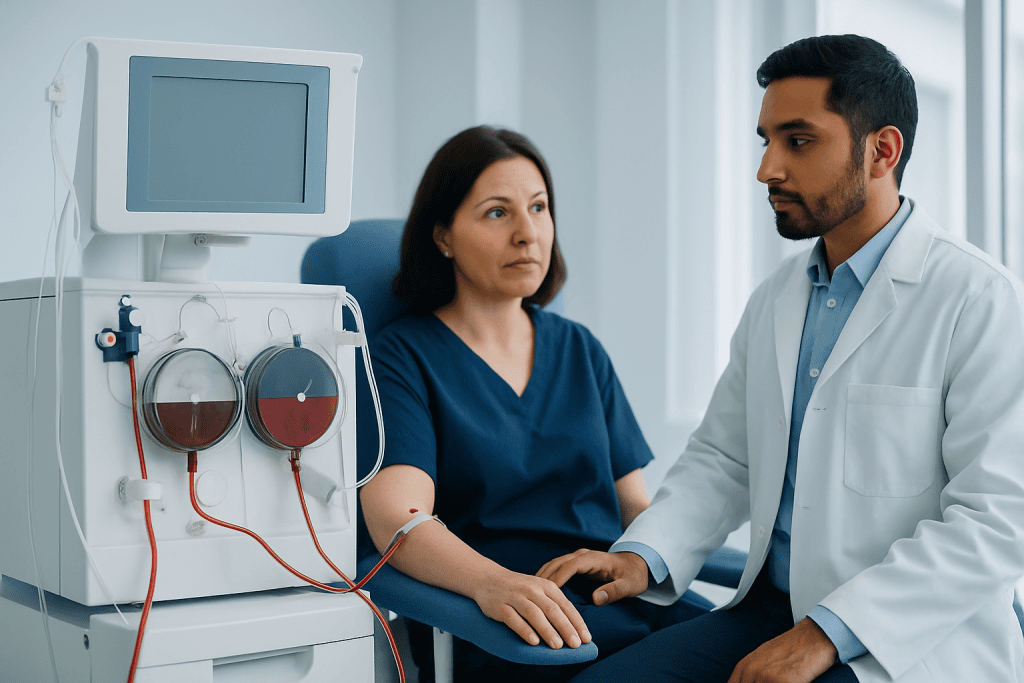
Anemia is a general term for too few red blood cells or too little hemoglobin. It often causes tiredness, weakness, pale skin, dizziness, or shortness of breath. Anemia is not a single disease; it has many causes, including iron deficiency, vitamin B12 or folate deficiency, chronic disease, blood loss, and inherited conditions.
Iron deficiency anemia is one of the most common types of anemia. It happens when the body does not have enough iron to make hemoglobin. It may be linked to low iron intake, poor absorption, heavy menstrual bleeding, pregnancy, or hidden blood loss from the digestive tract.
Sickle cell disease is an inherited blood disorder in which red blood cells can become rigid and “sickle” shaped. These cells break down earlier than normal and may block blood flow, leading to pain episodes, anemia, infections, and organ damage. It is different from iron deficiency anemia because the problem is the shape and behavior of the red blood cells, not simply low iron.
Hemophilia is a bleeding disorder caused by low or absent clotting factors. People with hemophilia may bruise easily, bleed longer after injury or surgery, or have bleeding into joints and muscles. This differs from anemia because the main issue is clotting, not oxygen transport.
Thrombocytopenia means a low platelet count. Platelets help form blood clots, so a person may notice easy bruising, tiny red spots on the skin, nosebleeds, or prolonged bleeding from small cuts. The condition can be caused by infections, medicines, autoimmune disease, bone marrow problems, or increased platelet destruction.
Leukemia is a blood cancer that starts in the bone marrow and leads to abnormal white blood cells. Symptoms may include fatigue, repeated infections, fever, night sweats, easy bruising, and unexplained weight loss. Unlike anemia or hemophilia, leukemia is a cancer that disrupts normal blood cell production.
Lymphoma and myeloma are also blood cancers, but they usually begin in lymphatic tissue or plasma cells rather than in red blood cells. They may cause swollen lymph nodes, bone pain, infections, or fatigue. A doctor considers these conditions separately because their tests and treatments are different from those used for anemia or clotting disorders.
Symptoms

Symptoms of blood diseases depend on which blood component is affected and how severe the change is. Many people notice vague symptoms at first, such as fatigue, reduced exercise tolerance, or general weakness. Others have more specific signs such as bruising, repeated infections, pain, or heavy bleeding.
Red blood cell problems often cause pallor, shortness of breath, headache, dizziness, or a fast heartbeat. Platelet or clotting disorders more commonly cause bruising, nosebleeds, bleeding gums, long-lasting bleeding after minor injuries, or unusual bleeding after dental work or surgery. White blood cell disorders may cause frequent or severe infections, fevers, or swollen lymph nodes.
Some conditions have distinctive patterns. Sickle cell disease may cause episodes of severe pain, swelling in the hands or feet, and chest symptoms. Leukemia may cause night sweats, bone pain, or unexplained weight loss. Because symptoms can overlap, medical testing is important rather than guessing based on one sign alone.
Causes & Risk Factors
Blood diseases can be inherited, acquired later in life, or related to another health condition. Genetics plays a major role in disorders such as hemophilia and sickle cell disease, while iron deficiency anemia may result from diet, blood loss, pregnancy, or absorption problems. Some blood disorders develop as a result of autoimmune disease, chronic inflammation, infection, or exposure to certain medicines or toxins.
Risk factors vary by condition. Heavy menstrual bleeding, gastrointestinal bleeding, pregnancy, and limited iron intake can increase the risk of anemia. A family history of inherited blood disorders raises the chance of hemophilia or sickle cell disease. Older age, prior chemotherapy or radiation, and some bone marrow disorders may increase the risk of blood cancers or other marrow problems.
It is also possible for more than one factor to be present at the same time. For example, a person may have anemia due to iron deficiency and also another condition that affects absorption or causes ongoing blood loss. That is why doctors often look for the underlying cause, not only the test result.
Diagnosis
Diagnosis usually begins with a medical history and physical examination. A doctor may ask about fatigue, bleeding, infections, family history, medications, menstrual pattern, diet, recent illness, and any past cancer treatment. These details help narrow the likely cause before testing begins.
The most common starting test is a complete blood count, often called a CBC. It measures red blood cells, white blood cells, hemoglobin, hematocrit, and platelets. Depending on the result, a doctor may order iron studies, vitamin levels, clotting tests, blood smear examination, inflammation tests, or genetic testing.
In some cases, a bone marrow test is needed to understand how blood cells are being made. This may help diagnose leukemia, myelodysplastic syndromes, or other marrow disorders. The exact tests depend on the suspected condition, and results are best interpreted by a clinician familiar with blood disorders.
Treatment Options
Treatment depends on the specific diagnosis and its cause. Iron deficiency anemia may improve with iron replacement and treatment of the source of blood loss. Vitamin deficiency anemia is treated by correcting the missing nutrient, while anemia related to chronic disease may require treatment of the underlying condition.
Inherited and clotting disorders often need specialized care. Hemophilia is commonly managed with clotting factor replacement and careful bleeding prevention. Sickle cell disease may be treated with medicines to reduce complications, pain management, hydration, infection prevention, and in selected cases disease-modifying therapy or transplant evaluation. When appropriate, specialists may also discuss bone marrow transplant as a potential treatment pathway for certain blood disorders.
Blood cancers such as leukemia, lymphoma, and myeloma are treated with combinations that may include chemotherapy, targeted therapy, immunotherapy, radiation, or stem cell transplantation. Many patients benefit from care at centers with hematology and oncology teams that coordinate testing, treatment, and supportive care. In some cases, procedures such as blood transfusion or bone marrow biopsy are part of diagnosis or support during treatment.
Supportive care is important for many blood diseases. This may include infection prevention, symptom control, nutrition support, and follow-up blood tests to monitor response. The treatment plan should be individualized, because the safest approach depends on the exact disorder and overall health.
Prevention & Self-care
Not every blood disease can be prevented, especially inherited conditions. However, some risks can be reduced by maintaining a balanced diet, treating heavy menstrual bleeding, avoiding unnecessary medications that increase bleeding risk unless prescribed, and following a doctor’s advice about supplements or follow-up testing.
People with known blood disorders should keep regular appointments and report new symptoms early. Tracking bruising, bleeding episodes, fatigue, fevers, or pain can help doctors adjust treatment. Good hydration, balanced nutrition, and infection-prevention habits may be helpful for some conditions, especially those affecting red blood cells or white blood cells.
Self-care should always match the diagnosis. A person with a bleeding disorder may need to avoid contact sports or use extra caution with procedures, while someone with anemia may need evaluation for iron deficiency or vitamin deficiency instead of self-treating indefinitely. A qualified doctor can explain what is safe and what should be avoided.
When to See a Doctor
Medical evaluation is important if symptoms persist or worsen, especially unexplained fatigue, repeated infections, easy bruising, frequent nosebleeds, heavy menstrual bleeding, shortness of breath, or unusual pain. These symptoms do not always mean a serious problem, but they should not be ignored if they continue.
Urgent medical attention is needed for severe bleeding, chest pain, fainting, trouble breathing, sudden severe weakness, high fever with low energy, or signs of stroke such as facial drooping, arm weakness, or speech difficulty. People with known blood disorders should ask their doctor in advance which warning signs require emergency care.
Because blood diseases can look similar at the start, self-diagnosis is not reliable. A doctor can identify the pattern, order the right tests, and explain whether the problem involves red blood cells, white blood cells, platelets, clotting factors, or the bone marrow. For international patients, Acibadem International’s multidisciplinary specialists and JCI-accredited hospitals can help diagnose and treat a wide range of blood conditions in a coordinated way.
Frequently asked questions
What are the most common blood diseases?
Common blood diseases include anemia, iron deficiency anemia, hemophilia, sickle cell disease, thrombocytopenia, and blood cancers such as leukemia. They affect different parts of the blood, so symptoms and treatments are not the same. A doctor can help identify which category a person may have.
How can anemia be different from leukemia?
Anemia mainly means there are too few red blood cells or too little hemoglobin, which often causes fatigue and shortness of breath. Leukemia is a cancer of the blood and bone marrow that disrupts normal blood cell production and may also cause infections, bruising, and fever. Blood tests are needed to tell them apart.
What symptoms suggest a bleeding disorder?
Easy bruising, frequent nosebleeds, bleeding gums, prolonged bleeding after cuts, and heavy bleeding after dental work may point to a bleeding disorder. Some people also notice blood in the urine or stool, depending on the cause. A doctor may order clotting tests and platelet studies to investigate further.
Can blood diseases be inherited?
Yes. Some blood diseases are passed through families, including hemophilia and sickle cell disease. Others are acquired later in life because of diet, blood loss, medications, infection, autoimmune disease, or bone marrow problems.
Is a complete blood count enough to diagnose a blood disease?
A complete blood count is often the first and most useful screening test, but it is not always enough by itself. Doctors may also need iron studies, vitamin tests, clotting studies, a blood smear, genetic testing, or bone marrow evaluation. The right test depends on the suspected condition.
When should someone seek medical care for fatigue or bruising?
A person should seek medical care if fatigue lasts, bruising happens easily without a clear reason, or bleeding seems more than expected. Prompt evaluation is especially important if symptoms are accompanied by fever, shortness of breath, fainting, or frequent infections. Early testing can help identify a treatable cause.
References
- World Health Organization
- Centers for Disease Control and Prevention
- National Heart, Lung, and Blood Institute
- Mayo Clinic
- National Cancer Institute
This article is for general information only and is not a substitute for professional medical advice. Please consult a qualified doctor about your individual situation.
Explore treatments in Turkey — costs, top hospitals & a free quote
JCI-accredited · board-certified surgeons · reply within 24h
Add us as a Preferred Source to see more of our trusted health content across Google Search, AI Overviews and Discover.