Blood Glucose Increase: A Complete Medical Overview

A blood glucose increase can be short term or a sign of an underlying health condition such as diabetes. Common symptoms include thirst, frequent urination, fatigue, blurred vision, and headaches, but mild increases may cause no symptoms.
Key Takeaways
- A blood glucose increase can be short term or a sign of an underlying health condition such as diabetes.
- Common symptoms include thirst, frequent urination, fatigue, blurred vision, and headaches, but mild increases may cause no symptoms.
- Diagnosis relies on blood tests such as fasting glucose, HbA1c, and oral glucose tolerance testing when appropriate.
- Treatment depends on the cause and may include lifestyle changes, medication review, and diabetes treatment if needed.
- Prompt medical care is important if high blood sugar is severe, persistent, or accompanied by vomiting, confusion, or dehydration.
Blood glucose increase means the level of sugar in the blood is above the normal range. It may be temporary or ongoing, and while it is often linked to diabetes, it can also occur with stress, illness, hormones, or certain medicines.
Overview: what a blood glucose increase means
A blood glucose increase means that the amount of glucose, or sugar, in the bloodstream is higher than expected. Glucose is the body’s main energy source, and its level normally rises after eating and then returns to a healthy range with the help of insulin and other hormones. When this balance is disrupted, blood sugar may stay elevated longer than it should.
Not every blood glucose increase means a person has diabetes. Blood sugar can rise temporarily during stress, infection, lack of sleep, intense illness, or after taking certain medications such as corticosteroids. Even so, repeated or persistent elevations deserve attention because they can point to problems with insulin production, insulin resistance, or other metabolic conditions.
Over time, ongoing high blood sugar can affect blood vessels, nerves, kidneys, eyes, and the heart. That is why understanding the reason for a blood glucose increase is important. Early evaluation can help identify reversible causes, detect diabetes or prediabetes, and support timely treatment.
How the body regulates blood sugar
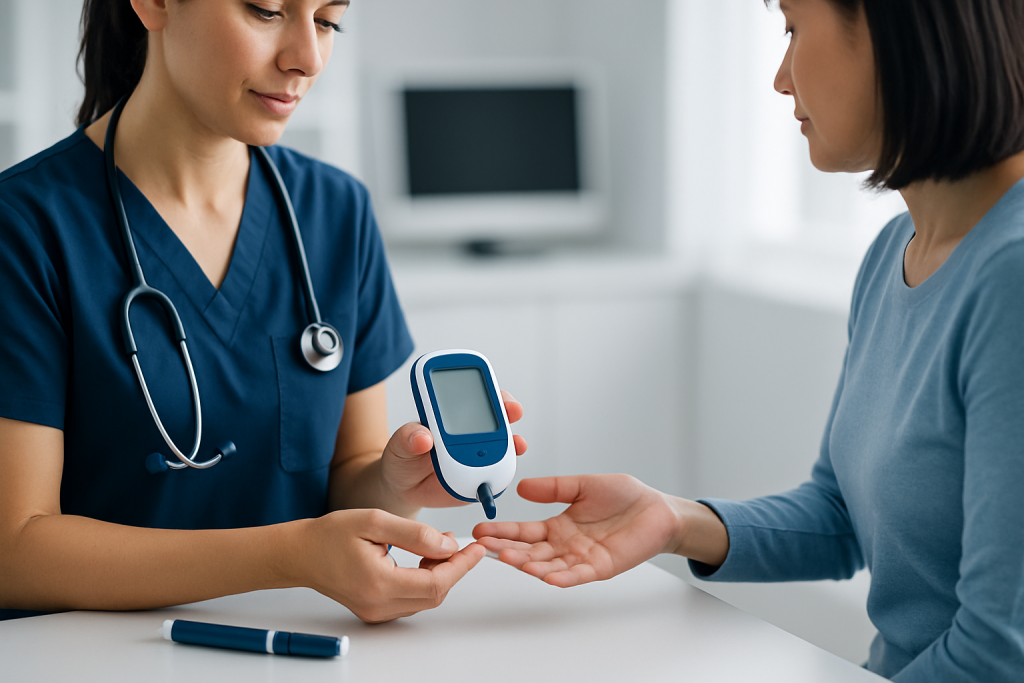
Blood sugar is tightly controlled by several organs and hormones. After food is digested, carbohydrates are broken down into glucose, which enters the bloodstream. The pancreas releases insulin, a hormone that helps glucose move from the blood into cells for energy or storage.
When the body does not make enough insulin, or when cells respond poorly to it, glucose builds up in the blood. This is the basic mechanism behind hyperglycemia, the medical term for high blood sugar. Other hormones, including glucagon, cortisol, adrenaline, and growth hormone, also influence glucose levels and can raise them under certain circumstances.
The liver also plays a major role. It stores glucose and releases it between meals or during stress. If the liver releases too much glucose, or if insulin cannot effectively control this process, blood sugar may remain elevated even without recent food intake. This is one reason a blood glucose increase can appear in fasting blood tests as well as after meals.
Symptoms and possible effects

Symptoms depend on how high the glucose level is and how quickly it rises. Mild increases may cause no symptoms at all and may only be found during routine testing. When symptoms do appear, they often develop gradually and can be easy to overlook.
Common signs of a blood glucose increase include:
- Increased thirst
- Frequent urination
- Dry mouth
- Fatigue or low energy
- Blurred vision
- Headaches
- Increased hunger
- Slow healing of cuts or infections
If blood sugar becomes very high, symptoms may be more serious. Nausea, vomiting, abdominal pain, rapid breathing, dehydration, drowsiness, or confusion can signal a medical emergency, especially in people with known diabetes. Persistently high levels over months or years can contribute to complications affecting the eyes, kidneys, nerves, and cardiovascular system.
Common causes and risk factors
The most familiar cause of blood glucose increase is diabetes, especially type 2 diabetes, in which the body becomes resistant to insulin. Type 1 diabetes can also cause a marked rise in blood sugar because the pancreas makes little or no insulin. Some people first discover diabetes after testing for symptoms such as thirst and frequent urination.
However, blood sugar can rise for many other reasons. Acute illness, infection, surgery, emotional stress, poor sleep, and pain can all increase stress hormones and push glucose higher. Certain medicines, including corticosteroids, some antipsychotics, and some diuretics, may also contribute. Pregnancy-related glucose problems can occur as gestational diabetes, which needs medical follow-up for the health of both parent and baby.
Risk factors for chronic high blood sugar include excess body weight, low physical activity, a family history of diabetes, increasing age, high blood pressure, abnormal cholesterol levels, polycystic ovary syndrome, and a history of prediabetes. Diet patterns high in refined carbohydrates and sugary drinks may worsen blood sugar control, especially when combined with insulin resistance.
Less commonly, hormone-related disorders, pancreatic disease, or rare endocrine tumors can affect glucose regulation. For that reason, persistent or unexplained blood glucose increase should be assessed by a qualified doctor rather than managed by guesswork alone.
How doctors diagnose the cause
Evaluation begins with a medical history and physical examination. A doctor will usually ask about symptoms, eating patterns, weight changes, medications, family history, recent illness, pregnancy status when relevant, and any previous blood sugar results. This helps distinguish a temporary rise from a pattern that suggests diabetes or another medical issue.
Blood tests are central to diagnosis. Common tests include fasting plasma glucose, random blood glucose in certain situations, and HbA1c, which reflects average blood sugar over the previous two to three months. Some people may also need an oral glucose tolerance test, especially during pregnancy or when results are borderline.
Additional tests may be used depending on the clinical picture. Urine testing can look for glucose or ketones. Kidney function, cholesterol, and liver tests may help assess overall metabolic health. If an endocrine or pancreatic cause is suspected, imaging or specialist evaluation may be recommended. In many cases, diagnosis and follow-up can be coordinated through check-up and screening services and diabetes treatment programs.
Treatment and management options
Treatment for blood glucose increase depends on the cause, the severity, and whether the elevation is temporary or ongoing. If a medication, infection, or recent illness is contributing, addressing that trigger may improve blood sugar. When diabetes or prediabetes is diagnosed, treatment usually combines lifestyle changes with regular monitoring and, when needed, medication.
Healthy eating is a foundation of care. This usually means choosing balanced meals with fiber-rich vegetables, whole grains, legumes, lean proteins, and healthy fats, while limiting sugary drinks and highly refined foods. Regular physical activity can improve insulin sensitivity and help the body use glucose more effectively. Weight management, when appropriate, can also lower the risk of long-term high blood sugar.
Some people need medication to help control glucose levels. Options vary widely and should be chosen by a physician based on the person’s diagnosis, overall health, and treatment goals. In some cases, insulin is necessary. People with more complex metabolic needs may benefit from coordinated care in endocrinology services, and severe obesity-related insulin resistance may sometimes be discussed alongside obesity surgery as part of a broader medical plan.
Follow-up is important because treatment may need adjustment over time. Ongoing care often includes home glucose monitoring for some patients, repeated HbA1c testing, blood pressure and cholesterol management, and screening for complications. The aim is not only to lower numbers but also to support long-term health and quality of life.
Prevention and self-care in daily life
Many cases of persistent blood glucose increase can be reduced or delayed through everyday habits. A steady routine that includes nutritious meals, regular activity, adequate sleep, and stress management helps the body regulate glucose more effectively. Even small, consistent changes can be meaningful over time.
Helpful self-care steps include:
- Choosing water instead of sugar-sweetened drinks
- Eating regular, balanced meals rather than large high-sugar meals
- Including fiber, protein, and healthy fats to slow glucose spikes
- Being physically active most days of the week
- Maintaining a healthy weight when possible
- Taking prescribed medicines exactly as directed
- Keeping routine medical appointments and lab checks
People who already have diabetes should have a personalized care plan and know how to respond to unusually high readings. It is also helpful to review all medicines and supplements with a clinician, since some can affect blood sugar. Alcohol intake, dehydration, and skipped meals may also influence glucose control in different ways depending on the individual.
Near the end of the care pathway, some patients seek multidisciplinary support for diagnosis, education, and follow-up. Acibadem International’s specialists in JCI-accredited hospitals evaluate and treat blood sugar disorders for international patients as part of coordinated internal medicine and endocrine care.
When to seek medical care
Medical advice is recommended if a person has repeated symptoms of high blood sugar, if home readings are often above the target range, or if blood tests suggest prediabetes or diabetes. Early care can clarify the cause and reduce the chance of future complications.
Urgent medical attention is needed if high blood sugar is accompanied by vomiting, severe weakness, deep or rapid breathing, confusion, fainting, or signs of dehydration such as very little urination. These symptoms can occur with serious metabolic emergencies and should not be ignored.
People who are pregnant, have known diabetes, or are taking medications that can raise blood sugar should seek guidance promptly if levels become difficult to control. A doctor can decide whether the rise is expected and manageable or whether it needs more immediate treatment.
Frequently asked questions
Is a blood glucose increase always a sign of diabetes?
No. Blood sugar can rise temporarily after meals, during stress, illness, or while taking certain medications. If the increase is repeated or persistent, a doctor may test for diabetes, prediabetes, or another underlying cause.
What is the difference between blood glucose increase and hyperglycemia?
They are closely related terms. Blood glucose increase describes a rise in blood sugar, while hyperglycemia is the medical term used when blood sugar is above the normal range. In everyday use, they often refer to the same problem.
Can high blood sugar happen without symptoms?
Yes. Mild or early blood glucose increase may cause no clear symptoms and may only be found on routine blood testing. That is one reason regular checkups are important for people with risk factors.
What foods can make blood sugar rise quickly?
Foods and drinks high in refined carbohydrates and added sugar can raise blood sugar more rapidly. Examples include sugary beverages, sweets, white bread, and heavily processed snack foods. The effect varies from person to person, especially if diabetes is present.
How is persistent high blood sugar usually treated?
Treatment depends on the cause. It often includes dietary changes, physical activity, weight management when appropriate, and sometimes medication or insulin. A doctor will tailor treatment to the person’s diagnosis and overall health.
When should someone go to the emergency department for high blood sugar?
Emergency care is important if high blood sugar is accompanied by vomiting, confusion, severe drowsiness, trouble breathing, or signs of dehydration. These can suggest a serious complication that needs urgent treatment. People with type 1 diabetes should be especially alert to these warning signs.
This article is for general information only and is not a substitute for professional medical advice. Please consult a qualified doctor about your individual situation.
Explore treatments in Turkey — costs, top hospitals & a free quote
JCI-accredited · board-certified surgeons · reply within 24h
Add us as a Preferred Source to see more of our trusted health content across Google Search, AI Overviews and Discover.
Check your numbers in seconds
BMI, calories, due date, blood pressure and 30+ more clinical calculators — free, instant, doctor-reviewed ranges.

More from the Health Library

Buckle Fracture: A Complete Medical Overview

Get Rid of Scabies in 24 Hours: What Patients Need to Know

Stromal Tumor — Explained by Medical Evidence, Not Myths

Guilt — Explained by Medical Evidence, Not Myths

Intellectual Disability: What Patients Need to Know