

Blood Pressure 114/78: Is It Normal? What This Reading Means for Your Health

114/78 blood pressure falls within the normal range for most adults. The top number is systolic pressure and the bottom number is diastolic pressure.
Key Takeaways
- 114/78 blood pressure falls within the normal range for most adults.
- The top number is systolic pressure and the bottom number is diastolic pressure.
- One normal reading is reassuring, but blood pressure should be interpreted as a pattern over time.
- Proper measurement technique is important because stress, posture, caffeine, and activity can affect results.
- Medical advice is important if blood pressure readings are repeatedly high or low, or if symptoms are present.
A blood pressure reading of 114/78 mmHg is generally considered normal for most adults. It usually suggests that blood is moving through the arteries at a healthy pressure, though context, symptoms, age, and overall cardiovascular risk still matter.
Overview: Is 114/78 blood pressure normal?
Yes. A reading of 114/78 blood pressure is generally considered normal for adults. It sits comfortably below the usual threshold for elevated blood pressure and, on its own, does not suggest hypertension.
Blood pressure is written as two numbers. The first, 114, is the systolic pressure, which reflects the force in the arteries when the heart contracts. The second, 78, is the diastolic pressure, which reflects the pressure in the arteries when the heart relaxes between beats.
A normal reading like 114/78 is often a sign of healthy circulation, especially when it is measured correctly and fits with a person’s usual readings. Still, blood pressure is only one part of cardiovascular health. Doctors also consider symptoms, medical history, medications, kidney health, and risk factors such as diabetes, smoking, and high cholesterol.
How blood pressure readings are classified
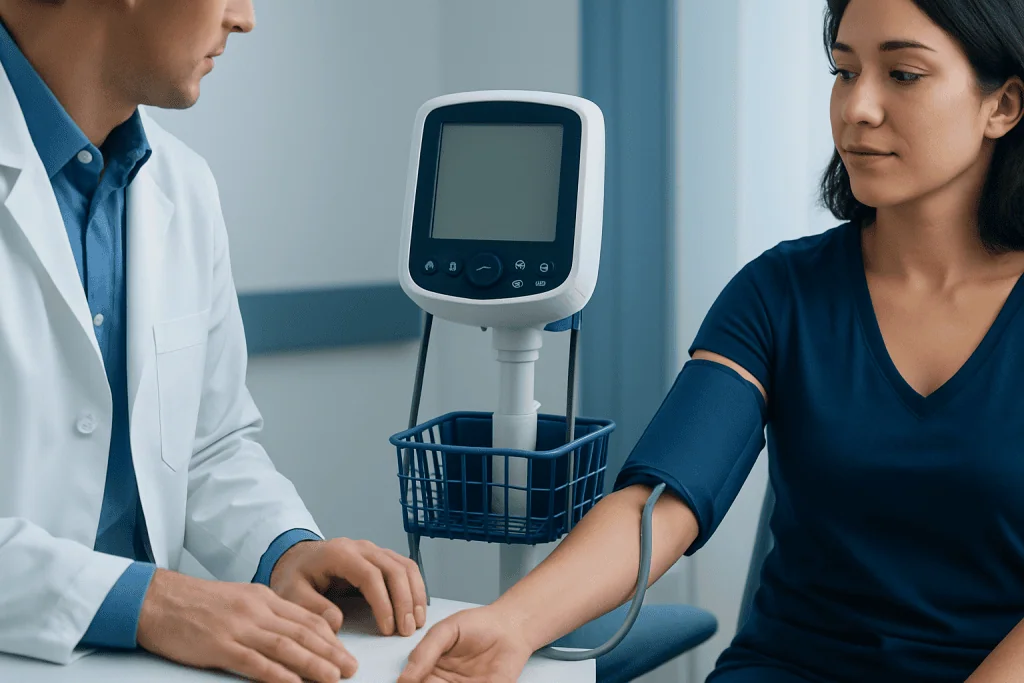
Clinicians commonly interpret blood pressure using widely accepted adult categories such as those from the American Heart Association. These categories help place a single reading into context, although diagnosis is usually based on repeated measurements rather than one isolated result.
With 114/78, both the systolic number is under 120 and the diastolic number is under 80. That places this reading in the normal category for adults.
- Normal: systolic less than 120 and diastolic less than 80
- Elevated: systolic 120-129 and diastolic less than 80
- High blood pressure, stage 1: systolic 130-139 or diastolic 80-89
- High blood pressure, stage 2: systolic 140 or higher or diastolic 90 or higher
- Hypertensive crisis: systolic over 180 and/or diastolic over 120, requiring urgent medical assessment
These categories are mainly used for adults. In children and teenagers, blood pressure is interpreted differently because age, sex, and height affect what is considered normal. In pregnancy, blood pressure also needs separate clinical interpretation.
What 114/78 may mean by age group

For most healthy adults, 114/78 blood pressure is a favorable reading. In younger adults, it often reflects healthy vascular tone and good cardiovascular adaptation. In middle-aged and older adults, it can also be reassuring, especially if there is no dizziness, faintness, or underlying illness.
Age can influence how blood pressure is discussed in clinical practice, but the same reading may still be normal across adulthood. In older adults, doctors may look beyond the number alone and ask whether the person feels lightheaded when standing, has falls, or takes medications that can lower blood pressure too much.
In athletes or physically active people, blood pressure may naturally trend toward the lower end of normal, sometimes without causing any symptoms. In contrast, a person who feels weak, dizzy, or unwell despite a reading of 114/78 may need evaluation for another cause, because the number itself is not usually low enough to explain symptoms.
For children, adolescents, and pregnant individuals, blood pressure should not be judged by adult cutoffs alone. A pediatrician or obstetric clinician can interpret readings using the appropriate standards for that stage of life.
When a normal reading can still deserve attention
Although 114/78 is typically normal, context matters. Blood pressure naturally changes throughout the day and may vary with exercise, stress, sleep, hydration, pain, caffeine, and medications. A single normal reading does not rule out blood pressure problems if readings at other times are consistently high or low.
A person may also have normal clinic readings but higher values at home or at night. The opposite can happen too, sometimes called white coat hypertension, where blood pressure rises in a medical setting because of anxiety. If there is uncertainty, a doctor may recommend home monitoring or 24-hour ambulatory blood pressure monitoring.
Symptoms should always be considered. Chest pain, shortness of breath, severe headache, confusion, fainting, weakness, or vision changes should not be ignored, even if a single blood pressure number appears normal. These symptoms may point to another urgent cardiovascular or neurological issue, such as high blood pressure that fluctuates or a different underlying condition requiring prompt assessment.
Doctors may also look more closely at blood pressure trends in people with kidney disease, diabetes, heart disease, pregnancy-related complications, or a strong family history of cardiovascular illness. In some cases, a normal reading is reassuring but still only one piece of a larger health picture.
How to measure blood pressure accurately
Correct technique matters because even small errors can change the result. To get the most reliable reading, it helps to avoid caffeine, smoking, and exercise for about 30 minutes beforehand if possible. The person should rest quietly for at least 5 minutes before measurement.
The arm should be supported at heart level, the back supported, and both feet flat on the floor without crossing the legs. The cuff should fit properly and be placed on a bare upper arm. Talking during the measurement can also raise the reading.
When checking blood pressure at home, it is usually best to take two readings, one minute apart, and record both. Doing this at the same times each day for several days gives a more useful picture than relying on one single value.
If readings are repeatedly high, a doctor may advise additional evaluation, lifestyle changes, or tests to look for related cardiovascular conditions. Depending on the person’s situation, assessment may include a cardiology check-up or further testing such as heart rhythm monitoring when symptoms like palpitations are also present.
Lifestyle habits that support healthy blood pressure
A reading of 114/78 is usually reassuring, and healthy daily habits can help keep blood pressure in a good range over time. This includes regular physical activity, a balanced eating pattern rich in vegetables, fruits, legumes, and whole grains, and limiting excess salt from processed foods.
Other supportive habits include maintaining a healthy weight, sleeping well, managing stress, not smoking, and limiting alcohol. These steps do not just support blood pressure; they also benefit cholesterol levels, blood sugar, and overall heart and vascular health.
People who already have conditions such as coronary artery disease or a family history of heart disease should still follow their clinician’s advice even if one blood pressure reading is normal. In some cases, broader cardiovascular evaluation may be useful, including tests such as echocardiography when clinically indicated.
It is important not to change prescribed medicines based only on one good reading. Blood pressure treatment decisions should be made with a qualified healthcare professional, using repeated measurements and the person’s full medical history.
When to seek medical care
Medical review is sensible if blood pressure readings are repeatedly above the normal range, especially if systolic values are 130 or higher or diastolic values are 80 or higher on multiple checks. A doctor should also be consulted if blood pressure seems unusually variable or if there are concerns about medication side effects, dehydration, or fainting.
Urgent medical attention is needed for warning signs such as chest pain, severe shortness of breath, sudden weakness, trouble speaking, fainting, severe headache, or vision loss. These symptoms should be assessed promptly regardless of whether a blood pressure reading appears normal at that moment.
People with chronic kidney disease, diabetes, pregnancy, established cardiovascular disease, or previous stroke should follow individualized advice about how often to monitor blood pressure and when to seek care. Near the end of the care pathway, some international patients may be evaluated by Acibadem International, where multidisciplinary specialists in JCI-accredited hospitals diagnose and treat cardiovascular conditions.
Frequently asked questions
Is 114/78 a good blood pressure reading?
Yes, 114/78 is generally considered a normal blood pressure reading for adults. It is below the threshold for elevated blood pressure and is usually seen as reassuring when measured correctly.
Can blood pressure of 114/78 be too low?
For most adults, 114/78 is not considered too low. It may deserve attention only if a person has symptoms such as dizziness, fainting, unusual weakness, or signs of dehydration.
Does one normal blood pressure reading mean there is no blood pressure problem?
Not always. Blood pressure changes during the day, so one normal reading is helpful but does not replace repeated measurements over time. Doctors often look for a pattern using home readings, clinic visits, or ambulatory monitoring.
What is the difference between the 114 and the 78?
The 114 is the systolic pressure, which is the pressure in the arteries when the heart beats. The 78 is the diastolic pressure, which is the pressure when the heart relaxes between beats.
Is 114/78 normal for older adults?
Yes, it is often normal for older adults as well. However, doctors may also consider symptoms, standing blood pressure, medications, and fall risk rather than looking at the number alone.
How can someone make sure a blood pressure reading is accurate?
The reading should be taken after resting quietly, with the correct cuff size, the arm supported at heart level, and the feet flat on the floor. It also helps to avoid caffeine, smoking, and exercise shortly before the measurement.
References
- American Heart Association
- Centers for Disease Control and Prevention
- National Heart, Lung, and Blood Institute
- European Society of Cardiology
- World Health Organization
This article is for general information only and is not a substitute for professional medical advice. Please consult a qualified doctor about your individual situation.
Heart care in Turkey — expert evaluation and treatment
JCI-accredited · board-certified surgeons · reply within 24h
Add us as a Preferred Source to see more of our trusted health content across Google Search, AI Overviews and Discover.
Check your numbers in seconds
BMI, calories, due date, blood pressure and 30+ more clinical calculators — free, instant, doctor-reviewed ranges.

More from the Health Library



Related Specialists

Dr. Sercan Başböyük
Anesthesiology
Melek Ateş
Physical Medicine & Rehabilitation
Assoc. Prof. Dr. Nuri Peker
Gynecology & Obstetrics
Assoc. Prof. Dr. Diğdem Özer Etik
Gastroenterology