Blood Pressure Checks: What Patients Need to Know
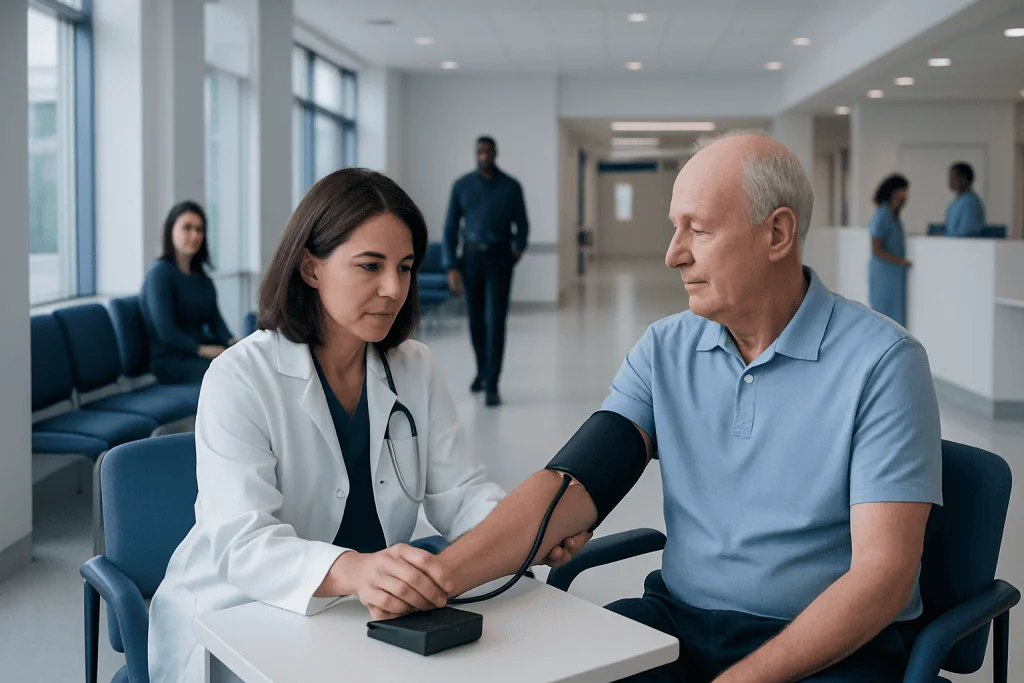
Blood pressure checks help find high blood pressure even when a person feels well. Readings are more useful when measured correctly and repeated over time.
Key Takeaways
- Blood pressure checks help find high blood pressure even when a person feels well.
- Readings are more useful when measured correctly and repeated over time.
- Home monitoring can complement clinic visits and help track treatment response.
- Lifestyle habits and certain health conditions can affect blood pressure results.
- Medical review is important for persistently high, very low, or symptom-related readings.
Blood pressure checks are a simple way to measure the force of blood against artery walls and to identify high or low blood pressure. Regular checks can help detect problems early, guide treatment, and support heart, brain, and kidney health.
Overview: what blood pressure checks show
Blood pressure checks measure the pressure created as the heart pumps blood through the arteries. The result is given as two numbers: systolic pressure, which reflects pressure when the heart beats, and diastolic pressure, which reflects pressure when the heart relaxes between beats. Together, these numbers help clinicians understand how hard the cardiovascular system is working.
These checks matter because blood pressure can change over time and often causes no obvious symptoms. A person may feel completely well and still have high blood pressure, also called hypertension, which can gradually raise the risk of heart disease, stroke, kidney problems, and eye damage. Blood pressure checks are therefore used not only when symptoms are present, but also as part of routine preventive care.
A single reading is useful, but it does not always tell the whole story. Stress, pain, exercise, caffeine, a full bladder, and even talking during the measurement can affect the result. For that reason, doctors usually look at repeated readings taken under proper conditions rather than relying on one isolated number.
Why regular checks matter for patients
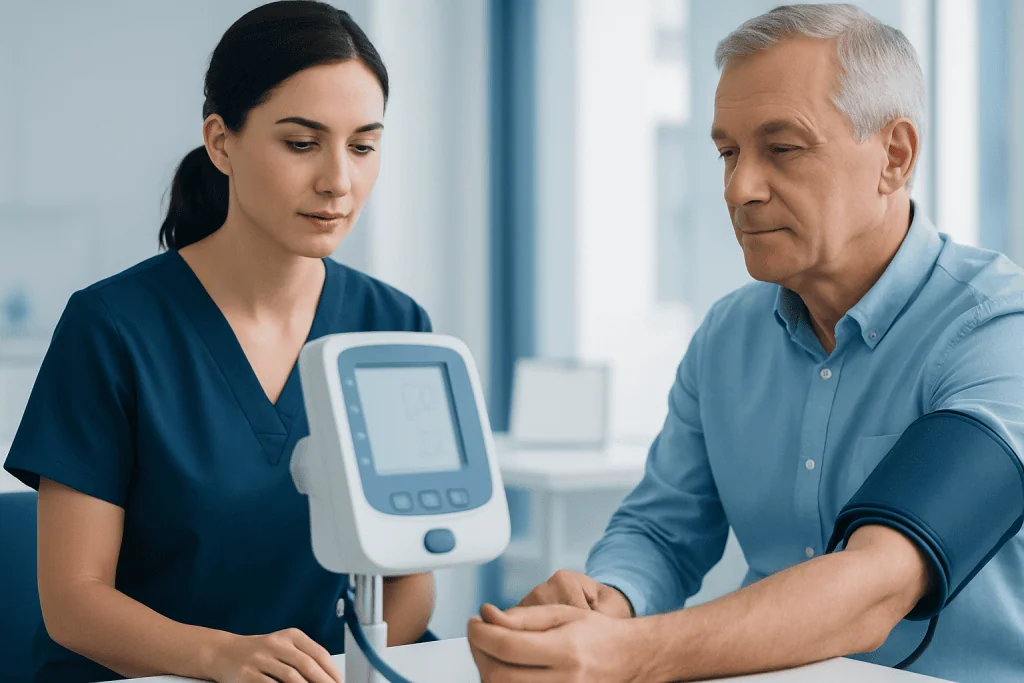
Blood pressure checks are one of the simplest tools for protecting long-term health. They can help identify high blood pressure early, before complications develop. They can also show when blood pressure is lower than expected, which may contribute to dizziness, fainting, fatigue, or weakness in some people.
Regular monitoring is especially helpful for adults with risk factors such as increasing age, excess weight, diabetes, kidney disease, a family history of hypertension, smoking, or a diet high in salt. Pregnancy, some medications, and certain hormone disorders may also affect blood pressure and increase the need for closer follow-up.
For people already diagnosed with hypertension, blood pressure checks help guide treatment decisions. They can show whether lifestyle changes are working, whether medicines need adjusting, and whether readings are stable throughout the day. In some cases, a doctor may recommend more detailed assessment through check-up and screening services or specialist evaluation.
How blood pressure is measured correctly
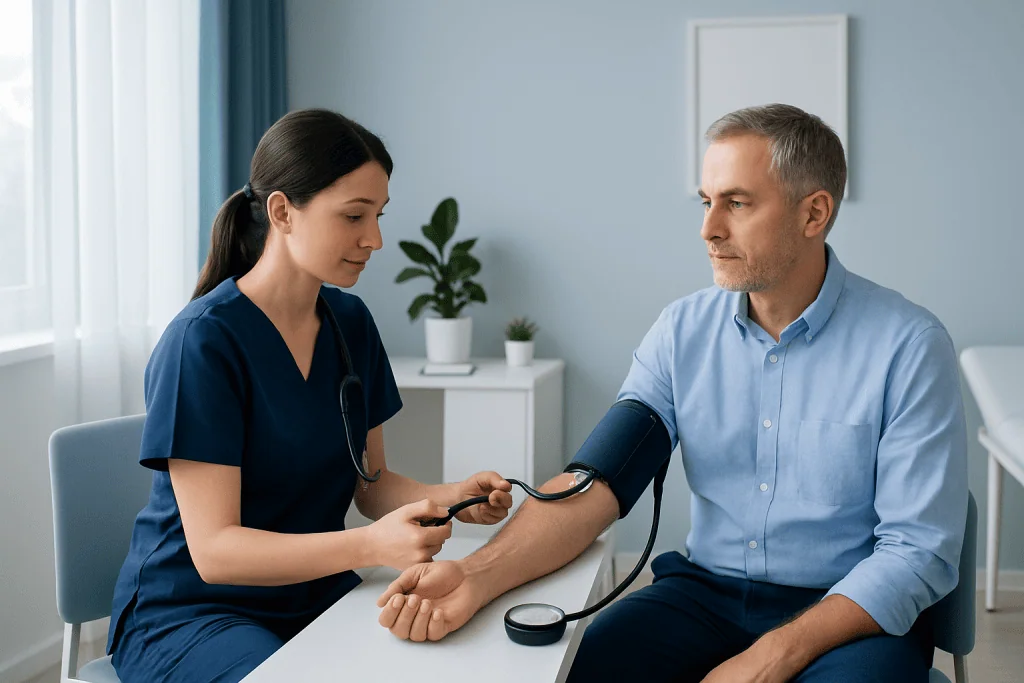
Accurate blood pressure measurement depends on technique. Before a reading, the person should sit quietly for a few minutes, avoid smoking, caffeine, and exercise for a short period beforehand, and rest with feet flat on the floor. The arm should be supported at heart level, and the cuff should fit properly. Talking or moving during the reading can make the result less reliable.
In clinics, blood pressure may be measured manually with a stethoscope and cuff or with an automated device. Home monitors are also widely used and can be very helpful when they are validated and used correctly. Many doctors recommend taking two readings, one minute apart, and recording both rather than depending on a single number.
Some people have higher readings in medical settings because of anxiety, often called a white-coat effect. Others may have normal clinic readings but elevated values at home or during daily life. To clarify these patterns, a doctor may suggest home monitoring or 24-hour ambulatory blood pressure monitoring. If blood pressure concerns are linked with possible heart disease, further cardiology evaluation may be advised.
- Use a cuff size that matches the arm.
- Measure at the same times each day when tracking trends.
- Record the date, time, and any relevant symptoms.
- Bring the home monitor to appointments if a doctor wants to compare readings.
Understanding blood pressure readings
Blood pressure readings are interpreted in context rather than as a single label. In general, consistently elevated readings may suggest hypertension, while unusually low readings may indicate hypotension. However, what is considered concerning can vary depending on age, overall health, pregnancy status, symptoms, and whether there are conditions such as diabetes or kidney disease.
High blood pressure often develops gradually and may not cause warning signs. Some people mistakenly believe they would feel it if their blood pressure were too high, but many do not. This is one reason blood pressure checks are so important: they can reveal a silent risk that would otherwise go unnoticed.
Low blood pressure is not always harmful. In some healthy people it causes no problems at all. It becomes more relevant when it causes symptoms such as lightheadedness, fainting, blurred vision, weakness, or confusion. A doctor may look for dehydration, infection, heart rhythm problems, medication effects, or hormone-related causes if low readings are persistent or troublesome.
Doctors also pay attention to patterns. For example, blood pressure that stays high over time carries different implications than a brief rise during pain or stress. Repeated checks, symptom review, and sometimes blood or urine tests help determine whether the readings reflect a temporary change or a condition needing treatment.
What can affect blood pressure results
Blood pressure is dynamic and can be influenced by daily habits, emotions, and health conditions. Stress, poor sleep, alcohol, tobacco, stimulant medicines, decongestants, and high sodium intake may increase blood pressure in some people. Dehydration, blood loss, infection, or some medications can lower it.
Long-term health conditions are also important. Diabetes, kidney disease, thyroid disorders, sleep apnea, and some vascular conditions can contribute to abnormal readings. Pregnancy-related blood pressure changes deserve careful attention because they may affect both maternal and fetal health. In these situations, blood pressure checks become part of broader medical monitoring.
Activity level and timing matter as well. Blood pressure naturally varies through the day and rises during exercise or emotional stress. This does not necessarily mean there is a disease. The goal is to assess blood pressure under standard conditions and to look at repeated values over time rather than reacting to one unusual reading.
When blood pressure remains elevated, doctors may assess cardiovascular risk more broadly, including cholesterol, blood sugar, kidney function, and heart health. Depending on the findings, they may evaluate related conditions such as coronary artery disease or consider further testing.
What happens after an abnormal blood pressure check
If a reading is outside the expected range, the next step is usually to repeat the measurement correctly. A doctor will consider whether symptoms are present, how high or low the reading is, and whether there is a history of cardiovascular, kidney, or endocrine disease. In many cases, diagnosis is based on multiple readings taken on different days.
Treatment depends on the cause and the overall risk profile. For high blood pressure, doctors often start with lifestyle changes such as reducing excess salt, maintaining a healthy weight, being physically active, limiting alcohol, managing stress, and stopping smoking. When these measures are not enough, medication may be recommended. Some patients benefit from structured hypertension treatment that combines monitoring, medical review, and long-term follow-up.
If low blood pressure is causing symptoms, treatment may focus on hydration, reviewing medications, and addressing the underlying issue rather than trying to raise the number alone. Severe or sudden changes may require urgent assessment, especially if they occur with chest pain, shortness of breath, fainting, or neurological symptoms.
For patients with complex needs, care may involve more than one specialty. Near the end of the care pathway, some international patients choose centers such as Acibadem International, where multidisciplinary specialists in JCI-accredited hospitals evaluate and treat blood pressure-related conditions.
Self-care, home monitoring, and healthy habits
Home blood pressure monitoring can help patients become active partners in their care. It is often useful for checking whether treatment is working, identifying white-coat hypertension, and tracking trends between appointments. A doctor or nurse can advise how often to measure and what range should prompt follow-up.
Good self-care supports healthier blood pressure over time. Practical steps include choosing a balanced diet, limiting excess salt in processed foods, staying physically active, sleeping well, and taking prescribed medicines consistently. People should not stop or change blood pressure medication without speaking to their doctor, even if a few readings improve.
Keeping a log can make clinic visits more productive. Patients may record readings, the time of day, symptoms, missed doses, and factors such as stress or illness. This fuller picture often helps a doctor decide whether changes are needed or whether readings are acceptable for that person.
- Check blood pressure at the same time each day if monitoring at home.
- Avoid measuring right after exercise, smoking, or caffeine.
- Sit quietly for several minutes before starting.
- Share ongoing concerns with a qualified healthcare professional.
When to seek medical care
Patients should arrange medical review if home or clinic readings are repeatedly high, repeatedly low with symptoms, or different from their usual pattern. A doctor should also be consulted if blood pressure concerns occur during pregnancy, after a medication change, or alongside conditions such as diabetes, kidney disease, or heart disease.
Urgent medical attention is needed if an abnormal blood pressure reading occurs with warning symptoms such as severe chest pain, shortness of breath, fainting, sudden weakness, trouble speaking, severe headache, confusion, or vision loss. These symptoms may point to a serious cardiovascular or neurological problem and should not be ignored.
Even without urgent symptoms, follow-up is worthwhile when there is uncertainty about technique, cuff size, home monitor accuracy, or how to interpret readings. Early discussion with a clinician can prevent delays in diagnosis and support safer long-term management.
Frequently asked questions
What are blood pressure checks used for?
Blood pressure checks measure the force of blood against the artery walls. They are used to detect high or low blood pressure, monitor treatment, and help assess cardiovascular health over time.
Can someone have high blood pressure without symptoms?
Yes. High blood pressure often causes no noticeable symptoms, which is why regular checks are important. Many people learn they have hypertension only after routine screening.
How often should blood pressure be checked?
The right schedule depends on age, health history, and previous readings. Some adults may only need periodic routine checks, while others with hypertension, pregnancy, kidney disease, or diabetes may need more frequent monitoring as advised by a doctor.
Are home blood pressure monitors reliable?
They can be reliable when the device is validated, the cuff fits correctly, and the user follows instructions carefully. It is helpful to compare the monitor with clinic measurements if a doctor recommends it.
What should a person do before checking blood pressure at home?
They should sit quietly for a few minutes, support the arm at heart level, and avoid talking during the reading. It is also best to avoid exercise, smoking, and caffeine shortly before measuring.
Does one high reading mean a person has hypertension?
Not usually. A single reading can be affected by stress, pain, recent activity, or measurement technique. Doctors typically confirm hypertension with repeated readings over time or with home or ambulatory monitoring.
References
- American Heart Association
- Centers for Disease Control and Prevention
- National Heart, Lung, and Blood Institute
- World Health Organization
- European Society of Cardiology
This article is for general information only and is not a substitute for professional medical advice. Please consult a qualified doctor about your individual situation.
Heart care in Turkey — expert evaluation and treatment
JCI-accredited · board-certified surgeons · reply within 24h
Add us as a Preferred Source to see more of our trusted health content across Google Search, AI Overviews and Discover.
Check your numbers in seconds
BMI, calories, due date, blood pressure and 30+ more clinical calculators — free, instant, doctor-reviewed ranges.