Blood When I Wipe: An Evidence-Based Guide for Patients

Bright red blood on toilet paper often comes from the anus or lower rectum rather than higher in the digestive tract. Common causes include hemorrhoids, anal fissures, constipation, diarrhea, and skin irritation.
Key Takeaways
- Bright red blood on toilet paper often comes from the anus or lower rectum rather than higher in the digestive tract.
- Common causes include hemorrhoids, anal fissures, constipation, diarrhea, and skin irritation.
- Persistent, recurrent, or unexplained bleeding needs medical assessment to rule out inflammatory bowel disease, polyps, or colorectal cancer.
- Self-care such as softer stools, more fiber, fluids, and avoiding straining may help some common causes.
- Urgent care is needed for heavy bleeding, dizziness, black stools, severe pain, or bleeding with fainting or weakness.
Blood when wiping is commonly linked to hemorrhoids, anal fissures, or local irritation, especially when the blood is bright red and seen only on toilet paper. Even so, rectal bleeding should not be ignored if it keeps happening, is heavy, or comes with pain, weight loss, bowel changes, or weakness.
Overview: what blood when wiping usually means
Blood when wiping usually means there is bleeding from the anus, rectum, or lower part of the digestive tract. In many people, the cause is minor and treatable, such as hemorrhoids, a small tear called an anal fissure, or irritation after constipation or diarrhea. Bright red blood seen only on toilet paper is more often linked to these lower sources.
Still, blood when wiping is a symptom rather than a diagnosis. It does not always point to a harmless problem, especially if it happens repeatedly, appears in or mixed with stool, or comes with abdominal pain, unexplained weight loss, fever, fatigue, or changes in bowel habits. A careful medical evaluation helps identify the cause and guide the right treatment.
Patients often feel embarrassed about rectal bleeding and may delay care. This is understandable, but discussing the symptom early can be helpful and reassuring. Many causes are straightforward to manage, and assessment is also important to rule out less common but more serious conditions.
How to tell where the blood may be coming from
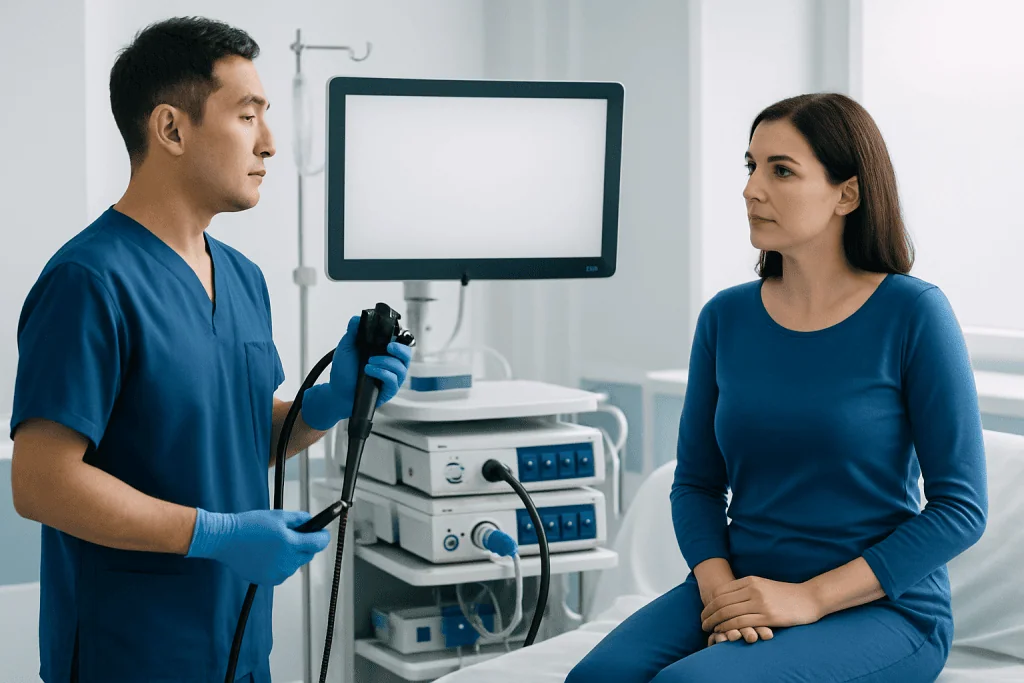
The color, amount, and timing of the blood can offer clues. Bright red blood on toilet paper or on the outside of the stool often suggests bleeding close to the anus, such as hemorrhoids or a fissure. Blood dripping into the toilet after a bowel movement may also come from the lower rectum or anal area.
Darker red or maroon blood can suggest bleeding from higher in the colon. Black, tar-like stool may point to bleeding higher in the digestive tract and should be assessed promptly. However, color alone is not enough to make a diagnosis, and some foods or medicines can also affect stool color.
It also matters whether bleeding happens with pain, itching, straining, constipation, diarrhea, or mucus. For example, sharp pain during a bowel movement can fit an anal fissure, while painless bright red bleeding may happen with hemorrhoids. A doctor will usually ask about these details to narrow down the possible cause.
Common causes of blood on toilet paper

Hemorrhoids are one of the most common reasons for blood when wiping. These are swollen veins in or around the anus and lower rectum. They may cause bright red blood, itching, swelling, discomfort, or a feeling of fullness. Straining, constipation, prolonged sitting on the toilet, pregnancy, and low-fiber diets can all contribute. Patients reading about hemorrhoids may recognize several of these symptoms.
Anal fissures are another frequent cause. A fissure is a small tear in the lining of the anus, often triggered by passing a hard stool or repeated diarrhea. It can cause a small amount of bright red bleeding and sharp pain during or after bowel movements. The pain can be more noticeable than the bleeding.
Local irritation can also lead to spotting on toilet paper. This may happen after frequent wiping, diarrhea, use of harsh soaps or scented products, fungal infection, or inflammatory skin conditions around the anus. Less commonly, rectal bleeding can be related to inflammatory bowel disease, infections, diverticular disease, polyps, or colon cancer.
In some cases, blood seen after wiping is not coming from the rectum at all. Vaginal bleeding, spotting between menstrual periods, urinary bleeding, or skin cuts can sometimes be mistaken for rectal bleeding. A clinician can help distinguish the source if it is unclear.
Risk factors and warning signs that matter
Certain factors make benign causes more likely. These include constipation, straining, low fiber intake, dehydration, pregnancy, recent diarrhea, prolonged sitting, obesity, and a history of hemorrhoids or fissures. Blood thinners and some other medicines can make even minor bleeding appear more noticeable or last longer.
Other features raise the need for a more complete workup. These include bleeding that keeps returning, blood mixed into the stool, a new change in bowel habits, narrower stools, unexplained weight loss, persistent abdominal pain, fever, anemia, weakness, or a family history of colorectal polyps or cancer. People over screening age for colorectal cancer should be especially careful not to dismiss rectal bleeding.
Inflammatory bowel diseases such as ulcerative colitis or Crohn’s disease can also cause bleeding, often with diarrhea, urgency, mucus, cramping, or fatigue. If symptoms suggest ongoing intestinal inflammation, a doctor may evaluate for Crohn's disease or other bowel conditions rather than assuming hemorrhoids.
How doctors diagnose the cause
Diagnosis begins with a detailed history. A doctor will ask when the bleeding started, how often it happens, what the blood looks like, whether there is pain, constipation, diarrhea, weight loss, or other symptoms, and whether there are any relevant medicines or family history. This conversation often gives important clues before any testing is done.
A physical examination may include inspection of the anal area and, when appropriate, a digital rectal exam. Depending on the situation, the clinician may recommend anoscopy, sigmoidoscopy, or a colonoscopy to look inside the rectum and colon. Blood tests may also be used to check for anemia, inflammation, or infection.
Not everyone needs extensive testing. In a younger patient with an obvious fissure or hemorrhoids and no red-flag symptoms, conservative treatment may be tried first. But when bleeding is persistent, unexplained, or associated with risk factors, endoscopic evaluation helps rule out polyps, bowel inflammation, or cancer and ensures treatment is based on the actual cause.
Treatment options and what may help
Treatment depends on the cause. For hemorrhoids and fissures, the first steps often focus on making bowel movements easier and reducing irritation. This may include increasing dietary fiber, drinking enough fluids, avoiding straining, exercising regularly, and limiting long periods on the toilet. Warm sitz baths may also soothe discomfort.
Doctors may recommend topical creams, ointments, or stool-softening strategies for symptom relief. If hemorrhoids are persistent or more severe, office-based procedures or surgery can sometimes be considered. Patients who need specialist care may benefit from evaluation by teams experienced in hemorrhoid treatment.
If bleeding is related to inflammatory bowel disease, infection, polyps, or another intestinal condition, treatment is directed at that specific problem. For example, management may involve anti-inflammatory medicines, antibiotics when appropriate, or polyp removal during endoscopy. When symptoms point to colorectal disease, physicians may coordinate care through services such as gastroenterology for further testing and treatment planning.
Because rectal bleeding has many possible causes, self-treatment should not replace medical advice when bleeding is recurrent, unexplained, or worsening. The safest approach is to let a qualified clinician confirm the diagnosis before assuming it is only hemorrhoids.
Prevention and self-care at home
Healthy bowel habits can reduce the chance of bleeding from common causes. Eating enough fiber from vegetables, fruit, legumes, and whole grains helps stools stay soft and easier to pass. Drinking adequate fluids and staying physically active also support regular bowel movements and reduce straining.
It may help to respond to the urge to have a bowel movement rather than delaying it. Prolonged sitting on the toilet can increase pressure on anal veins, so shorter bathroom time is often advised. Gentle cleaning after bowel movements and avoiding heavily fragranced wipes or soaps may lessen local irritation.
Patients who have repeated constipation, ongoing diarrhea, or recurrent rectal discomfort should not rely only on home care. Persistent symptoms deserve medical assessment so that conditions such as fissures, inflammatory bowel disease, or more significant colorectal disorders are not missed.
When to seek medical care
Medical care is appropriate if blood when wiping happens more than once, keeps returning, or has no clear explanation. A doctor should also be consulted if bleeding is accompanied by pain, a lump, itching, changes in bowel habits, diarrhea lasting more than a few days, constipation that does not improve, or signs of anemia such as fatigue or shortness of breath.
Urgent assessment is important if there is heavy bleeding, black or tar-like stool, maroon stool, fainting, dizziness, severe abdominal pain, fever, or weakness. These features can point to more significant bleeding or illness and should not be managed at home.
Regular colorectal cancer screening remains important, even when a person thinks the blood is from hemorrhoids. Near the end of the care pathway, some patients may be referred for specialist evaluation. Acibadem International’s multidisciplinary specialists in JCI-accredited hospitals diagnose and treat rectal bleeding and related digestive conditions for international patients.
Frequently asked questions
Is blood when I wipe always hemorrhoids?
No. Hemorrhoids are a common cause, but blood when wiping can also come from an anal fissure, irritation, inflammatory bowel disease, polyps, infection, or colorectal cancer. A doctor can help determine the true source, especially if the bleeding repeats.
What color blood is most concerning?
Bright red blood often comes from the lower rectum or anus and is commonly seen with hemorrhoids or fissures. Dark red, maroon, or black tar-like stool can suggest bleeding from higher in the digestive tract and should be assessed promptly.
Can constipation cause blood on toilet paper?
Yes. Hard stools and straining can irritate hemorrhoids or cause a small tear in the anal lining called a fissure. This often leads to a small amount of bright red blood on the paper or outside of the stool.
Should I go to the doctor if it only happened once?
A single small episode may be caused by a minor problem such as irritation, hemorrhoids, or a fissure. Still, medical advice is sensible if the bleeding returns, if the cause is unclear, or if there are other symptoms such as pain, bowel changes, or weakness.
Can diarrhea cause blood when wiping?
Yes. Frequent bowel movements and repeated wiping can irritate the anal area, and diarrhea can sometimes trigger a fissure. However, bleeding with diarrhea can also occur in infections or inflammatory bowel disease, so persistent symptoms should be checked.
When is blood when wiping an emergency?
Emergency care is important if the bleeding is heavy or if it comes with fainting, dizziness, severe abdominal pain, weakness, black stools, or maroon stools. These signs can indicate more significant bleeding or a serious underlying condition.
References
- National Institute of Diabetes and Digestive and Kidney Diseases
- American Society of Colon and Rectal Surgeons
- National Health Service
- Mayo Clinic
- American College of Gastroenterology
This article is for general information only and is not a substitute for professional medical advice. Please consult a qualified doctor about your individual situation.
Medical weight-loss options in Turkey — costs & eligibility
JCI-accredited · board-certified surgeons · reply within 24h
Add us as a Preferred Source to see more of our trusted health content across Google Search, AI Overviews and Discover.