Blue Fingernails: What Patients Need to Know
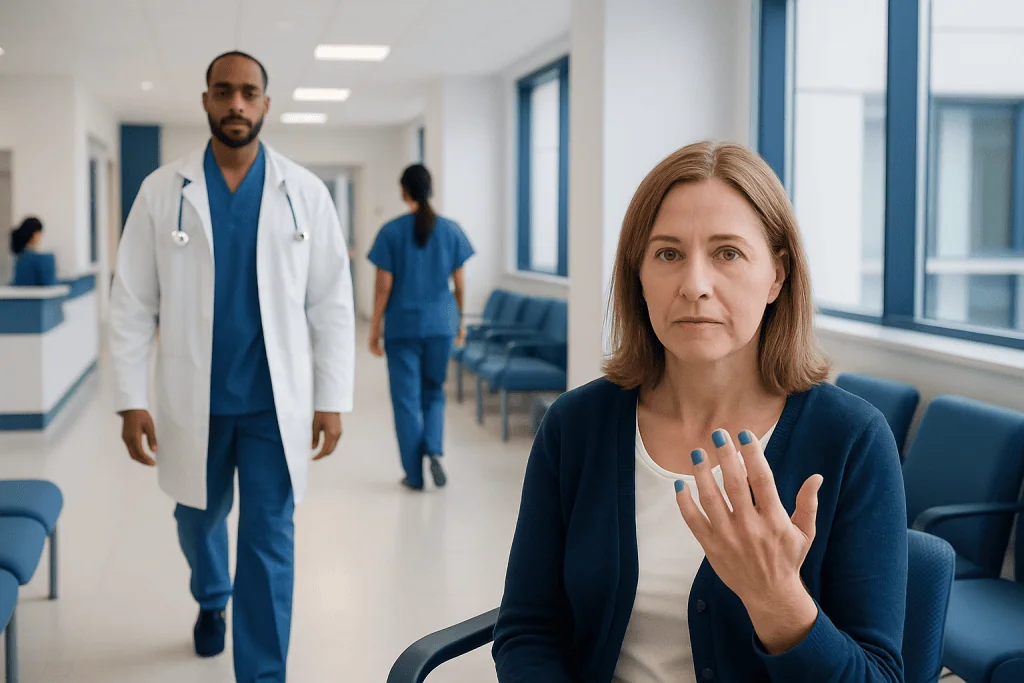
Blue fingernails can happen when blood carries less oxygen or when circulation to the fingers is reduced. Cold temperatures may cause temporary bluish nails, but ongoing color change should not be ignored.
Key Takeaways
- Blue fingernails can happen when blood carries less oxygen or when circulation to the fingers is reduced.
- Cold temperatures may cause temporary bluish nails, but ongoing color change should not be ignored.
- Blue nails are a symptom, not a diagnosis, so evaluation focuses on heart, lung, blood, skin, and circulation causes.
- Urgent care is needed if blue fingernails appear with shortness of breath, chest pain, confusion, or lip discoloration.
- Treatment depends on the cause and may involve warming, managing circulation problems, or treating heart or lung conditions.
Blue fingernails usually reflect reduced oxygen delivery to the tissues, changes in blood flow, or occasionally harmless surface staining. Because the cause can range from temporary cold exposure to heart or lung disease, persistent or unexplained blue fingernails deserve medical evaluation.
Overview: what blue fingernails can mean
Blue fingernails are most often a sign that the blood reaching the fingers is not carrying enough oxygen or is not flowing normally. Doctors may describe this bluish color as cyanosis. In some people, the nail bed looks blue, purple, or slate-gray rather than truly bright blue, and the change can affect one nail, several nails, or all of them.
Not every case is dangerous. Fingertips and nails may briefly turn bluish in cold weather because blood vessels narrow to preserve body heat. Certain dyes, medications, or nail products can also discolor the nail surface. However, when the color change is persistent, recurrent, or accompanied by other symptoms, it can point to an underlying problem involving the lungs, heart, blood, or circulation.
A helpful way to think about blue fingernails is that they are a clue rather than a condition by themselves. The key question is whether the blue appearance is on the surface of the nail, within the nail bed, or part of a broader change involving the lips, skin, or fingertips. This distinction helps guide what kind of medical assessment may be needed.
Symptoms and associated signs

Blue fingernails may appear suddenly or develop gradually. Some people notice the change only in the cold, while others see it all the time. The nails may also feel cool, and the fingers may look pale before turning blue or become red as they warm again.
Other symptoms can give important clues about the cause. When low oxygen is involved, a person may also have shortness of breath, fast breathing, fatigue, dizziness, or bluish lips. Circulation-related causes may bring numbness, tingling, finger pain, color changes triggered by cold, or swelling in the hands or feet.
In some cases, nail changes occur along with signs of chronic illness. These can include cough, wheezing, reduced exercise tolerance, chest discomfort, headaches, or episodes of fainting. A doctor will also ask whether the problem affects both hands equally, whether toes are involved, and whether there is any history of smoking, vascular disease, anemia, or known heart or lung conditions.
- Temporary bluish color after cold exposure may be harmless.
- Persistent blue nail beds are more concerning than removable surface stains.
- Blue lips, breathlessness, or confusion suggest a more urgent problem.
Common causes and risk factors
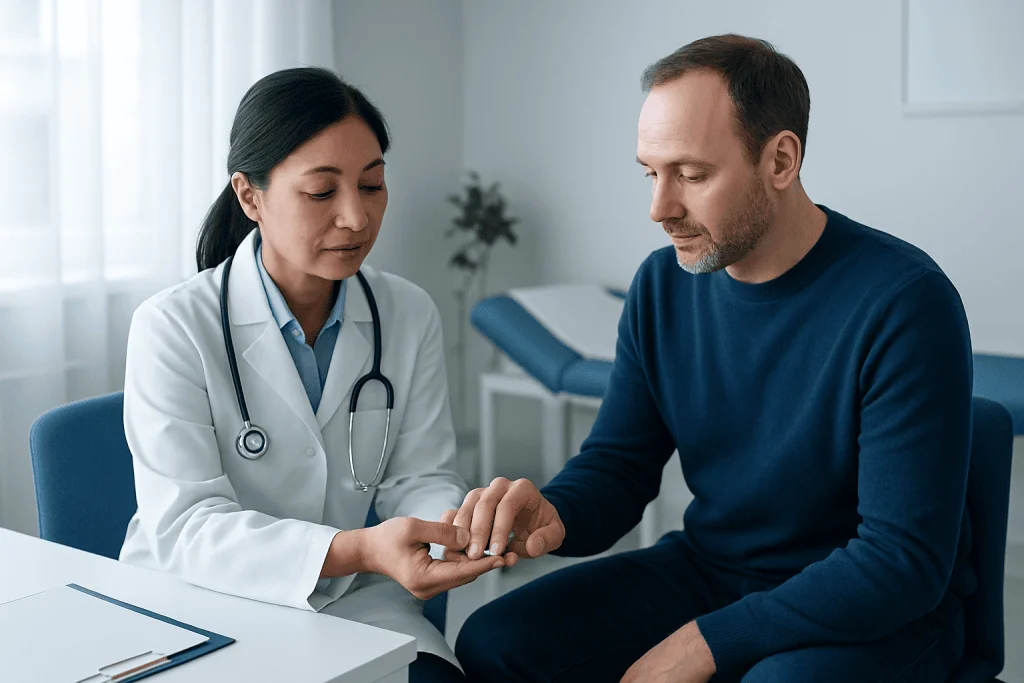
The simplest cause of blue fingernails is cold-induced narrowing of blood vessels. This reduces blood flow to the fingertips for a short time and usually improves with warming. Another common circulation-related cause is Raynaud phenomenon, in which fingers change color in response to cold or stress. They may turn white, then blue, then red as blood flow returns. This may occur on its own or alongside autoimmune conditions.
Blue fingernails can also occur when blood oxygen levels are low. Lung conditions such as asthma flare-ups, severe infections, chronic obstructive pulmonary disease, or blood clots in the lungs can interfere with oxygen exchange. Heart conditions that reduce oxygen delivery or impair circulation may also cause cyanosis. If there are symptoms such as chest discomfort, reduced stamina, or palpitations, doctors may consider evaluation for a cardiovascular cause, including heart disease.
Less commonly, blood disorders may be involved. Abnormal forms of hemoglobin, severe anemia in certain contexts, or changes in red blood cells can alter how oxygen is carried and how the blood appears. Peripheral artery disease and other problems that reduce blood flow to the hands can also produce bluish discoloration, especially in smokers, older adults, and people with diabetes or vascular risk factors.
Surface staining should also be considered. Dark nail polish, silver exposure, certain medications, and trauma under the nail can change nail color without affecting oxygen or circulation. Risk factors that make medical causes more likely include smoking, known lung disease, congenital or acquired heart disease, autoimmune illness, blood clotting problems, and repeated episodes of cold-sensitive finger color changes.
How doctors diagnose blue fingernails
Diagnosis starts with a careful history and physical examination. A doctor will ask when the blue fingernails began, whether the change is constant or triggered by cold, and whether there are symptoms such as breathlessness, cough, chest pain, fingertip pain, or numbness. They will also examine the lips, tongue, skin, and circulation in the hands to see whether cyanosis is limited to the fingers or part of a wider pattern.
Pulse oximetry is often one of the first tests. This painless finger clip estimates the oxygen level in the blood. If oxygen is low or if symptoms suggest a heart or lung disorder, blood tests and imaging may be recommended. Depending on the situation, doctors may arrange chest imaging, electrocardiography, echocardiography, or lung function testing. If circulation to the arms or fingers appears reduced, vascular assessment may be needed.
When Raynaud phenomenon is suspected, the diagnosis may be made from the pattern of color changes and triggers. If doctors suspect an autoimmune condition, additional blood tests may be ordered. If the discoloration seems to sit on the nail surface rather than in the nail bed, they may look for external causes such as dyes, trauma, fungal infection, or medication-related changes. In some cases, evaluation includes testing for cardiac check-up or general health assessment depending on the overall clinical picture.
Treatment options depend on the cause
There is no single treatment for blue fingernails because care targets the underlying reason for the color change. If cold exposure is the trigger, gradual warming, gloves, and avoiding sudden temperature shifts are often enough. For Raynaud-related episodes, doctors may suggest protecting the hands from cold, stopping smoking, managing stress, and, for some patients, prescription medicines that help blood vessels relax.
If low oxygen is the issue, treatment focuses on the lung or heart problem causing it. This may include inhaled therapies for airway disease, treatment of infection, oxygen support when needed, or further evaluation of circulation and cardiac function. When circulation to the extremities is reduced, treatment may involve lifestyle changes, medication, or specialist vascular care.
If discoloration is due to a surface stain or nail product, the nail itself may simply need time to grow out, or the irritant may need to be avoided. If trauma has caused blood under the nail, management depends on pain and the extent of injury. Ongoing symptoms such as chest pain, breathlessness, or exercise intolerance may lead to broader workup and treatment through services such as cardiology or pulmonology.
For international patients who need evaluation, Acibadem International’s multidisciplinary specialists and JCI-accredited hospitals diagnose and treat conditions that can present with blue fingernails, from circulation problems to heart and lung disorders.
Prevention and self-care
Prevention begins with understanding the trigger. If blue fingernails happen in cold weather, keeping the whole body warm is often more effective than only warming the hands. Gloves, layered clothing, hand warmers, and avoiding prolonged cold exposure can reduce episodes. Sudden changes from warm to very cold environments may also provoke finger color changes in sensitive individuals.
Smoking cessation is especially important because nicotine narrows blood vessels and can worsen circulation to the fingers. Regular movement, management of blood pressure, cholesterol, and diabetes, and following treatment plans for lung or heart disease may all lower the chance of repeated symptoms. People with known Raynaud phenomenon often benefit from minimizing caffeine excess and learning stress-management techniques, since stress can trigger vessel spasm in some cases.
It is also useful to look closely at nail products and recent exposures. Removing dark polish, avoiding harsh chemicals, and protecting the hands during manual work can help distinguish staining from medical nail-bed discoloration. Self-care can support comfort, but it should not replace professional advice if blue fingernails are frequent, new, or unexplained.
When to seek medical care
Blue fingernails should be assessed promptly if they do not improve after warming, recur often, or appear without an obvious reason. Medical review is also advisable when the color change affects the lips, face, or tongue, or when there are symptoms such as fatigue, dizziness, finger pain, numbness, swelling, or a drop in exercise tolerance.
Urgent medical care is needed if blue fingernails occur with shortness of breath, chest pain, severe weakness, confusion, fainting, or sudden worsening of a known heart or lung condition. These signs can suggest a significant problem with oxygen levels or circulation and should not be managed at home.
Children, older adults, and people with existing heart, lung, blood, or vascular disease may need earlier evaluation, even if symptoms seem mild. When in doubt, it is safest to speak with a qualified doctor who can decide whether testing is needed.
Frequently asked questions
Are blue fingernails always a sign of low oxygen?
No. Blue fingernails can happen because of low oxygen, but they may also result from poor circulation, cold exposure, Raynaud phenomenon, or surface staining from products or chemicals. Persistent or unexplained color change should still be checked by a doctor.
Can cold weather cause blue fingernails?
Yes. Cold temperatures can narrow blood vessels in the fingers, temporarily reducing blood flow and making nails look bluish. The color usually improves once the hands and body warm up, but repeated episodes may need evaluation.
What is the difference between blue nail beds and nail staining?
Blue nail beds usually reflect a change under the nail, often linked to circulation or oxygen delivery. Nail staining sits on or within the nail plate itself and may come from polish, dyes, medications, or minor trauma. A doctor can help distinguish the two if it is unclear.
Should someone worry if only one fingernail looks blue?
A single blue nail is less likely to be caused by whole-body oxygen problems and may point more toward local trauma, bruising, circulation changes in one finger, or pigment on the nail. Even so, it is worth medical attention if it does not grow out, is painful, or appears without an obvious cause.
Can anxiety cause blue fingernails?
Anxiety itself does not usually turn nail beds blue, but stress can trigger blood vessel spasm in people with Raynaud phenomenon. During anxiety, some people also notice cold hands or breathing changes, which can make symptoms more noticeable. Ongoing blue discoloration should not be assumed to be anxiety alone.
When are blue fingernails an emergency?
They are an emergency when they appear with shortness of breath, chest pain, confusion, fainting, severe weakness, or blue lips or face. These symptoms can suggest a serious problem affecting oxygen or circulation and need urgent medical care.
This article is for general information only and is not a substitute for professional medical advice. Please consult a qualified doctor about your individual situation.
Explore treatments in Turkey — costs, top hospitals & a free quote
JCI-accredited · board-certified surgeons · reply within 24h
Add us as a Preferred Source to see more of our trusted health content across Google Search, AI Overviews and Discover.

More from the Health Library

Obesity: An Evidence-Based Guide for Patients

Stork Bite: What Patients Need to Know
Ezekiel Bread: What Patients Need to Know
Mediastinal Mass: A Complete Medical Overview
Body Acne: An Evidence-Based Guide for Patients