Body Lift After Weight Loss: How Surgeons Decide What to Include

A body lift is individualized; it may involve the abdomen, lower back, buttocks, thighs, arms, breasts, chest, or face and neck. Stable weight, good nutrition, and management of medical conditions are important before body-contouring surgery.
Key Takeaways
- A body lift is individualized; it may involve the abdomen, lower back, buttocks, thighs, arms, breasts, chest, or face and neck.
- Stable weight, good nutrition, and management of medical conditions are important before body-contouring surgery.
- Not every area should necessarily be treated in one operation; staging procedures can reduce surgical time and support safer recovery.
- Body lift surgery improves excess skin and contour but leaves permanent scars and does not replace continued weight management.
- A consultation with a qualified plastic surgeon helps set realistic goals and select the procedures that offer the best balance of benefit and safety.
A body lift after significant weight loss can remove excess skin and improve body contour, comfort, mobility, and clothing fit. Surgeons decide what to include by evaluating the areas affected, skin quality, weight stability, medical health, nutritional status, and the person's priorities for safe, staged treatment.
Overview: What Is a Body Lift After Weight Loss?
A body lift after weight loss is a group of body-contouring procedures designed for people who have developed loose, hanging skin after major weight reduction. This can occur after bariatric surgery, medication-supported weight loss, lifestyle changes, pregnancy, or a combination of factors. The aim is to remove excess skin and, when appropriate, reshape underlying tissue to create a smoother, more comfortable contour.
The term “body lift” does not describe one identical operation. A lower body lift commonly addresses the abdomen, waist, lower back, outer thighs, and buttocks through an incision that may extend around the lower torso. Other procedures may focus on the upper body, arms, thighs, breasts, chest, or face. A surgeon develops a plan around the individual rather than applying a standard package.
For many people, excess skin causes chafing, recurrent irritation in skin folds, difficulty exercising, challenges finding comfortable clothing, and self-consciousness. Surgery may help with these concerns, but it is not a weight-loss procedure. Long-term results depend partly on maintaining a stable weight and healthy habits after recovery.
Why Excess Skin Develops After Major Weight Loss
Skin stretches to accommodate changes in body size. After a large or prolonged increase in weight, collagen and elastin fibers may not recoil fully when fat volume decreases. The result can be folds of skin around the abdomen, hips, thighs, upper arms, breasts or chest, back, and other areas.
The amount and distribution of loose skin varies widely. Age, genetics, the amount and speed of weight loss, how long a person lived at a higher weight, smoking history, sun exposure, pregnancy, and skin quality can all play a role. Remaining fat deposits and weakened abdominal tissues can also affect the final shape.
Exercise can strengthen muscles, improve fitness, and support weight maintenance, but it cannot remove a large amount of redundant skin. In selected patients, body-contouring surgery is the most effective way to address skin that is causing physical symptoms or remains bothersome after weight has stabilized.
How Surgeons Decide What to Include
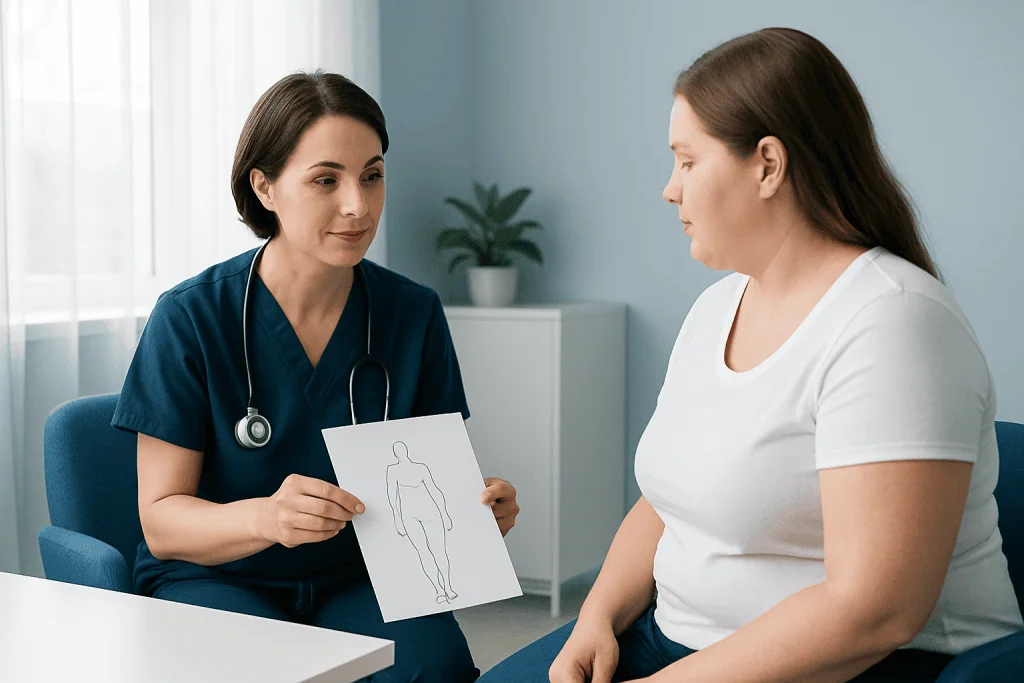
The first step is a detailed consultation. The surgeon asks which areas cause the greatest physical or emotional burden and examines the pattern of skin laxity from several positions. They assess whether the main concern is excess skin, remaining localized fat, loss of volume, tissue descent, muscle separation, or a combination of these features.
Priorities differ from person to person. Someone with skin rashes beneath an abdominal fold may benefit most from an abdominal procedure, while another person may be most concerned about a circumferential lower body contour, heavy arms, or thigh chafing. The surgeon considers which treatment is most likely to provide meaningful improvement while keeping scars, operative time, blood loss, and recovery demands proportionate to the expected benefit.
Procedures may include an abdominoplasty or panniculectomy for the abdomen, a lower body lift for the trunk and buttocks, thigh lift surgery, arm lift surgery, breast lift or reduction, chest contouring, or upper back contouring. Body contouring procedures can be combined in carefully selected cases, but combining too many areas can increase risk and make recovery more difficult.
Scar placement is also part of planning. Incisions are positioned where they can often be covered by underwear or swimwear when possible, but the exact location depends on the skin that needs removal. A responsible surgical discussion includes both likely contour improvements and the trade-off of permanent scars.
Health, Weight Stability, and Readiness for Surgery
Safety and healing capacity are central to the decision. Most surgeons recommend considering body lift surgery only after weight has been stable for a period of time. Ongoing, substantial weight loss can create additional looseness and may alter results, while weight regain can stretch treated areas again.
People who have had bariatric surgery need particular attention to nutrition. Protein intake and levels of nutrients such as iron, vitamin B12, folate, vitamin D, calcium, and other micronutrients may need assessment. Deficiencies can affect energy, wound healing, and recovery, so they should be identified and corrected with guidance from the bariatric and medical teams before elective surgery.
The preoperative review also considers diabetes, anemia, heart or lung disease, circulation problems, sleep apnea, previous blood clots, medications, and prior abdominal surgery. Smoking and nicotine products significantly impair healing and increase the risk of wound complications. A surgeon may ask a patient to stop nicotine use well before and after surgery and may postpone surgery if this cannot be done safely.
Emotional readiness matters as well. Body contouring can be rewarding, but recovery is gradual and no operation produces perfect symmetry or completely scar-free skin. Clear expectations, adequate support at home, and an understanding of activity restrictions help patients prepare well.
One Operation or Staged Procedures?
Some people are candidates for more than one procedure during the same anesthetic, while others are better served by a staged plan. The decision is based on the extent of surgery, expected operating time, overall health, nutritional status, blood-clot risk, and the availability of reliable support during recovery.
A combined operation may reduce the number of separate anesthetics and recovery periods. However, longer procedures can increase fatigue on the body, fluid shifts, wound-healing demands, and risks such as bleeding, infection, blood clots, or wound separation. The safest approach is not necessarily the fastest one.
Staging allows the surgical team to address the highest-priority area first, evaluate healing, and plan later procedures when the person has recovered. For example, a lower body lift may be performed first for abdominal and waist concerns, followed later by an arm lift or thigh lift. The sequence is individualized and can change if health needs or goals change.
Before surgery, the team explains the expected hospital stay, drains if used, compression garments, mobility plan, pain management approach, and follow-up schedule. Early walking and following instructions for blood-clot prevention are important parts of postoperative care.
Recovery, Results, and Important Risks
Recovery varies according to the procedure and number of areas treated. Swelling, bruising, tightness, and temporary changes in sensation are common in the early period. Patients generally need help with daily tasks initially and must avoid heavy lifting, strenuous exercise, and certain bending or stretching movements until their surgeon confirms that healing is progressing well.
Incisions need careful care, and follow-up visits allow the team to monitor healing and remove drains or sutures when applicable. Scars usually look red or raised early on and tend to fade over many months, although they do not disappear. Scar care may include sun protection and treatments recommended by the surgical team.
As with any major surgery, risks include bleeding, infection, fluid collections, delayed wound healing, unfavorable scars, numbness, asymmetry, contour irregularities, anesthesia-related complications, and blood clots. The likelihood of these issues depends on the type and extent of surgery and the individual’s health. Promptly reporting increasing pain, fever, worsening redness, shortness of breath, chest pain, or one-sided leg swelling is important.
Results become clearer as swelling settles. A body lift can improve contour and reduce problematic skin folds, but future aging, pregnancy, and weight changes can affect the result. Maintaining stable weight, balanced nutrition, activity appropriate for recovery, and regular medical care helps protect long-term outcomes.
Questions to Ask and When to Seek Medical Advice
A consultation is a chance to discuss concerns openly. Helpful questions include which areas are appropriate to treat now, whether procedures should be combined or staged, where scars will be placed, what recovery support is needed, and how the surgeon plans to reduce risks such as blood clots and wound-healing problems. Patients should also share all medications, supplements, allergies, smoking or nicotine use, and past operations.
Medical advice should be sought before considering surgery if there are persistent rashes, sores, fungal infections, pain, or hygiene difficulties beneath skin folds. These problems may need treatment first and may help clarify whether removal of an overhanging abdominal fold could have a functional as well as cosmetic purpose.
After surgery, urgent medical evaluation is needed for symptoms that may suggest a serious complication, including sudden shortness of breath, chest pain, fainting, coughing blood, or marked swelling and pain in one leg. The operating team should also be contacted promptly for fever, rapidly worsening redness, foul-smelling drainage, opening of an incision, or pain that is not controlled by the agreed plan.
Acibadem International’s multidisciplinary specialists and JCI-accredited hospitals can assess post-weight-loss contour concerns and plan appropriate treatment for international patients. A qualified plastic surgeon and the wider care team can help determine whether body lift surgery is suitable and which approach aligns with a person’s health and goals.
Frequently asked questions
What does a body lift after weight loss include?
A body lift can include different procedures depending on where excess skin is located. A lower body lift often treats the abdomen, waist, lower back, buttocks, and outer thighs, while other operations may address the arms, inner thighs, breasts, chest, or upper back. The final plan is individualized after examination and discussion of priorities.
How long should weight be stable before body lift surgery?
Surgeons generally prefer weight to be stable before body-contouring surgery because further major weight loss can change the result. The appropriate period varies with the person's health history, weight-loss method, and goals. A bariatric team and plastic surgeon can advise on readiness after reviewing the individual situation.
Can all excess skin be removed in one surgery?
Not always. Treating multiple areas at once can lengthen surgery and increase recovery demands and complication risks. Some patients can safely combine selected procedures, while others benefit from completing surgery in stages.
Will a body lift remove all scars and stretch marks?
A body lift creates new surgical scars and may remove some stretch-marked skin if it lies within the tissue being excised. Stretch marks outside the removed skin generally remain. Scars usually mature and fade over time, but they are permanent.
Is body lift surgery covered by insurance?
Coverage depends on the health system, insurer, policy terms, and the reason for surgery. Procedures performed for contour concerns are often considered cosmetic, while removal of skin causing documented medical problems may sometimes be assessed differently. Patients should check directly with their insurer and surgical team before treatment.
What can help reduce risks before body-contouring surgery?
Important preparation includes maintaining stable weight, optimizing protein and nutrient intake, controlling chronic conditions, and following advice about medications. Avoiding smoking and all nicotine products is particularly important for wound healing. Attending preoperative assessments and arranging practical help during recovery also supports safer care.
References
- American Society of Plastic Surgeons
- American Society for Metabolic and Bariatric Surgery
- National Institute of Diabetes and Digestive and Kidney Diseases
- Mayo Clinic
- World Health Organization
This article is for general information only and is not a substitute for professional medical advice. Please consult a qualified doctor about your individual situation.
Medical weight-loss options in Turkey — costs & eligibility
JCI-accredited · board-certified surgeons · reply within 24h
Add us as a Preferred Source to see more of our trusted health content across Google Search, AI Overviews and Discover.
Check your numbers in seconds
BMI, calories, due date, blood pressure and 30+ more clinical calculators — free, instant, doctor-reviewed ranges.