

Body Recomposition: What Patients Need to Know

Body recomposition focuses on improving the ratio of muscle to body fat, not just losing weight. Progress may be seen in strength, waist size, clothing fit, and energy levels even when body weight changes little.
Key Takeaways
- Body recomposition focuses on improving the ratio of muscle to body fat, not just losing weight.
- Progress may be seen in strength, waist size, clothing fit, and energy levels even when body weight changes little.
- Adequate protein, regular resistance exercise, sleep, and recovery are central to body recomposition.
- Medical conditions, medications, hormones, age, and stress can affect how easily body composition changes.
- A doctor or dietitian can help if progress stalls, symptoms suggest an underlying condition, or weight change needs to be supervised.
Body recomposition is the process of lowering body fat while preserving or increasing muscle mass, rather than focusing only on weight on the scale. For many people, it involves consistent nutrition, strength training, recovery, and realistic expectations guided by overall health status.
Overview: What body recomposition means
Body recomposition means changing the body’s proportions by reducing fat mass while maintaining or building lean muscle. Unlike traditional weight-loss plans that focus mainly on the number on a scale, body recomposition aims for healthier body composition. This can improve physical function, metabolic health, and appearance, even if body weight changes only slightly.
For many people, body recomposition is a gradual process rather than a short-term program. Because fat loss and muscle gain can happen at different speeds, progress is often uneven. A person may notice improved strength, better endurance, looser-fitting clothes, or changes in waist circumference before seeing major differences in total body weight.
This approach can be helpful for adults who want to improve health without using extreme diets. It is especially relevant when a person has lost weight in the past but also lost muscle, or when there is a goal to support bones, joints, posture, and long-term function. The healthiest plan depends on age, baseline fitness, medical history, and daily routine.
How body recomposition differs from weight loss alone
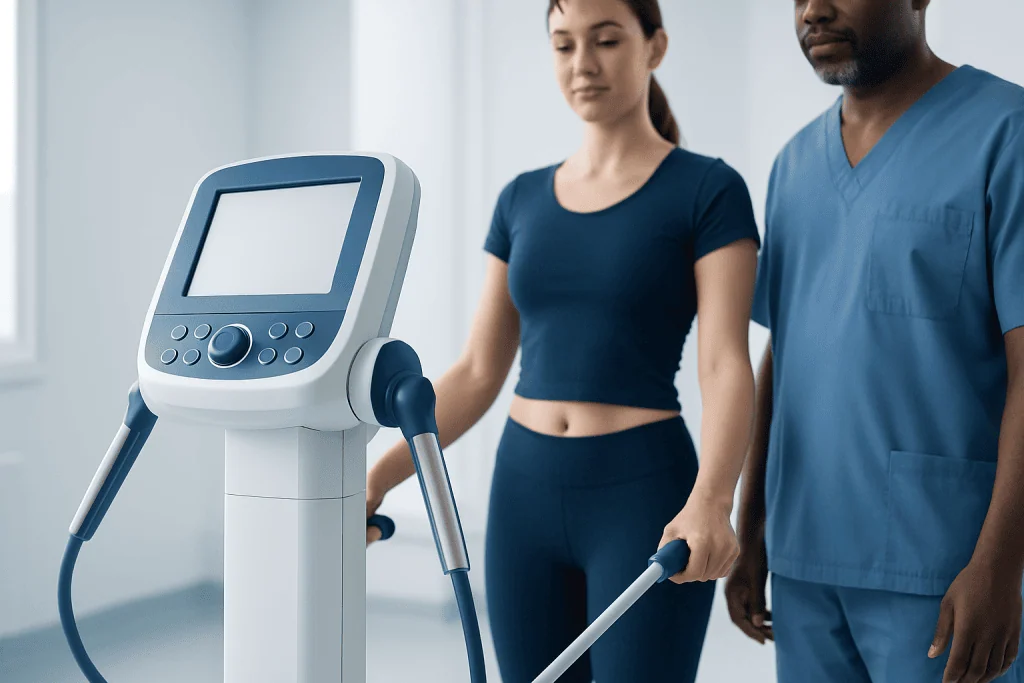
Traditional weight loss reduces total body weight, but it does not always distinguish between fat, muscle, and water. During strict calorie restriction, the body may lose some muscle along with fat. Body recomposition tries to limit that muscle loss by combining appropriate nutrition with resistance exercise and recovery.
This distinction matters because muscle helps support movement, balance, and metabolism. A person with more lean mass may feel stronger and function better in daily life. In contrast, losing weight quickly without preserving muscle can lead to fatigue, reduced performance, and difficulty maintaining results.
Body recomposition is not only for athletes. Beginners to exercise, people returning after inactivity, and adults improving their health habits may all be able to gain muscle and lose fat at the same time. However, the process is usually slower than marketing messages suggest, and there is no single formula that works for everyone.
It also helps to remember that the scale has limits. Hydration, salt intake, hormonal changes, and digestive contents can shift weight from day to day. For this reason, doctors and dietitians often look at a broader picture, including strength, waist measurement, eating patterns, and how a person feels physically.
What supports body recomposition

The most effective body recomposition plans usually combine nutrition, physical activity, and recovery. Nutrition should provide enough energy and enough protein to support muscle maintenance and repair. Exercise should include regular resistance training, while recovery should include adequate sleep and time between hard sessions so the body can adapt.
Protein is often emphasized because it provides the building blocks for muscle. Many people also benefit from balanced meals that include vegetables, fruit, whole grains, legumes, healthy fats, and fluid intake suited to their needs. Very restrictive eating patterns may make it harder to train consistently or recover well.
Resistance training is especially important. This may include free weights, machines, body-weight exercises, resistance bands, or supervised programs. The key is progressive overload, meaning the muscles are challenged over time in a safe and manageable way. Aerobic exercise also has value for heart health, fitness, and calorie use, but it should not completely replace strength work if body recomposition is the goal.
Several lifestyle factors influence results:
- Sleep duration and sleep quality
- Stress levels and recovery capacity
- Daily activity outside formal exercise
- Alcohol intake and smoking
- Consistency over weeks and months rather than short bursts of effort
Factors that can affect progress
Body recomposition can be influenced by age, sex, genetics, training experience, and baseline body composition. People who are new to resistance training may see early improvements more quickly. Others, especially those with long training histories, may need more precise planning and more time to notice changes.
Medical factors can also play a role. Hormonal conditions, poor sleep, chronic stress, pain that limits activity, and certain medications may affect appetite, energy balance, muscle gain, or fat distribution. For example, insulin resistance, thyroid disorders, and obesity can influence how the body responds to food and exercise. In some cases, a doctor may evaluate for related concerns such as obesity or thyroid conditions if symptoms or history suggest a broader endocrine issue.
Periods of low energy intake can make it harder to gain muscle, while excessive calorie intake can make fat loss harder. The right balance varies. Some people benefit from a small calorie deficit with higher protein intake, while others may need to first stabilize eating patterns, improve training quality, and address sleep or stress before body composition begins to shift.
It is also common for progress to slow over time. That does not always mean the plan is failing. The body adapts, and goals may need to be reviewed. A trained clinician, dietitian, or exercise professional can help interpret plateaus and reduce the risk of injury, under-fueling, or unrealistic expectations.
How progress is assessed
Because body recomposition is not defined by weight alone, progress should be measured in several ways. Waist circumference, how clothes fit, strength improvements, exercise capacity, and energy levels can all provide meaningful information. Progress photos or body composition assessments may also be used, though they should be interpreted carefully.
Common methods for assessing body composition include skinfold measurements, bioelectrical impedance, and imaging-based techniques such as DEXA in selected settings. Each method has limitations, and day-to-day variations are common. A single measurement is less useful than a consistent trend over time.
Clinicians may also consider metabolic health markers, such as blood pressure, blood glucose, cholesterol, and liver-related tests when appropriate. This is important because visible changes do not always reflect internal health, and some people improve their body composition while also addressing broader cardiometabolic risks.
If there are signs of an underlying medical issue, doctors may recommend further evaluation. This can include blood tests, nutrition assessment, or review of exercise tolerance. In some cases, support from specialists in endocrinology care or nutrition and diet counseling helps create a safer and more individualized plan.
Treatment options and professional support
Body recomposition is usually approached through lifestyle treatment rather than a single medical procedure. The foundation is an individualized plan that matches a person’s health status, daily schedule, movement ability, and food preferences. Professional support can be useful for people with obesity, diabetes, hormonal disorders, recent weight cycling, or difficulty exercising because of pain or injury.
Dietitians can help build balanced eating patterns that support fat loss without unnecessary restriction. Exercise professionals or physical therapists can design safe strength programs, particularly for older adults or for those with back, joint, or mobility issues. Behavioral support may also be helpful when emotional eating, stress, or sleep disruption is limiting progress.
In some situations, a doctor may discuss medical treatment for weight-related conditions if body composition goals are closely tied to health risks. This can include structured obesity management, treatment of endocrine disorders, or broader metabolic care. When severe excess weight is affecting mobility or health, some patients may also be assessed for bariatric surgery, although this is not a standard treatment for body recomposition itself.
Near the end of the care pathway, some people seek specialist guidance to refine training, review body composition changes, or address persistent barriers. Acibadem International’s multidisciplinary specialists and JCI-accredited hospitals diagnose and treat related metabolic and weight-management conditions for international patients when expert evaluation is needed.
Prevention, self-care, and realistic expectations
Healthy body recomposition is usually built on sustainable habits. Regular meals, adequate protein, resistance training two or more times per week when appropriate, enough sleep, and gradual progression are more effective than extreme routines. Rest days and injury prevention are also important because overtraining can interfere with recovery and consistency.
Self-care includes paying attention to warning signs of under-fueling or excessive training, such as dizziness, persistent fatigue, loss of menstrual periods, repeated injuries, poor concentration, or major mood changes. These symptoms should not be ignored. A plan that improves appearance but harms health is not a successful one.
Helpful habits often include meal planning, tracking workouts rather than obsessively tracking weight, and setting process-based goals such as completing training sessions or improving daily step count. People who prefer structured support may benefit from supervised exercise programs or medical nutrition therapy.
Most importantly, body recomposition takes time. Small changes repeated consistently often work better than dramatic efforts that are hard to maintain. For people who also need to address related conditions such as a medically supervised weight-loss program, combining professional oversight with realistic expectations can improve both safety and long-term adherence.
When to seek medical care
Medical care is appropriate if a person has rapid unexplained weight change, severe fatigue, shortness of breath with light activity, chest pain, fainting, or symptoms of hormonal imbalance such as marked cold intolerance, hair loss, or major changes in menstrual cycles. A doctor should also be consulted if eating patterns become very restrictive, if exercise causes repeated injury, or if there is concern about disordered eating.
People with diabetes, heart disease, kidney disease, pregnancy, recent surgery, or chronic joint and spine problems should speak with a qualified clinician before starting a major nutrition or exercise plan. Those taking medicines that affect appetite, blood sugar, blood pressure, or fluid balance may need individualized guidance and monitoring.
Professional advice can also help when progress has stalled for a long time despite consistent habits. Sometimes the issue is not lack of effort but an unrecognized sleep disorder, medication effect, thyroid problem, chronic pain, or unrealistic calorie targets. Early assessment can make the plan safer, more effective, and easier to sustain.
Frequently asked questions
Can body recomposition happen without losing much weight?
Yes. A person may lose fat and gain muscle at the same time, which can keep total body weight relatively stable. In that situation, waist size, strength, and body shape may change more than the number on the scale.
How long does body recomposition usually take?
It varies based on starting point, age, training experience, nutrition, sleep, and medical factors. Many people need several weeks to months to notice clear changes, and meaningful long-term progress often develops gradually.
Is cardio enough for body recomposition?
Cardio supports heart health and can help with energy balance, but resistance training is usually essential for preserving or building muscle. A combination of strength work, aerobic activity, and recovery is generally more effective than cardio alone.
Do patients need a high-protein diet for body recomposition?
Adequate protein is important because it helps support muscle maintenance and repair. The exact amount should be individualized, especially for people with kidney disease, older age, high activity levels, or other medical conditions.
Who may find body recomposition more difficult?
People with poor sleep, chronic stress, very low calorie intake, chronic pain, hormonal disorders, or certain medication effects may have a harder time making progress. This does not mean success is impossible, but it may require a more tailored plan and medical review.
Is body recomposition safe for everyone?
Not always without guidance. People who are pregnant, have chronic disease, are recovering from surgery, or have a history of disordered eating should discuss any major nutrition or exercise changes with a clinician first.
References
- World Health Organization
- Centers for Disease Control and Prevention
- National Institutes of Health
- American College of Sports Medicine
- Academy of Nutrition and Dietetics
This article is for general information only and is not a substitute for professional medical advice. Please consult a qualified doctor about your individual situation.
Medical weight-loss options in Turkey — costs & eligibility
JCI-accredited · board-certified surgeons · reply within 24h
Add us as a Preferred Source to see more of our trusted health content across Google Search, AI Overviews and Discover.
Check your numbers in seconds
BMI, calories, due date, blood pressure and 30+ more clinical calculators — free, instant, doctor-reviewed ranges.

More from the Health Library



Related Specialists
Dr. İrem Buse Karakum
Emergency Service
Prof. Dr. Salih Serdar Erturan
Pulmonary Medicine
Dr. Sinan Aksu
Orthopedic Surgery & Traumatology
Dr. Kadir Yavaşoğlu
Orthopedic Surgery & Traumatology