Boil on Breast Explained: Causes, Management, and When to See a Doctor
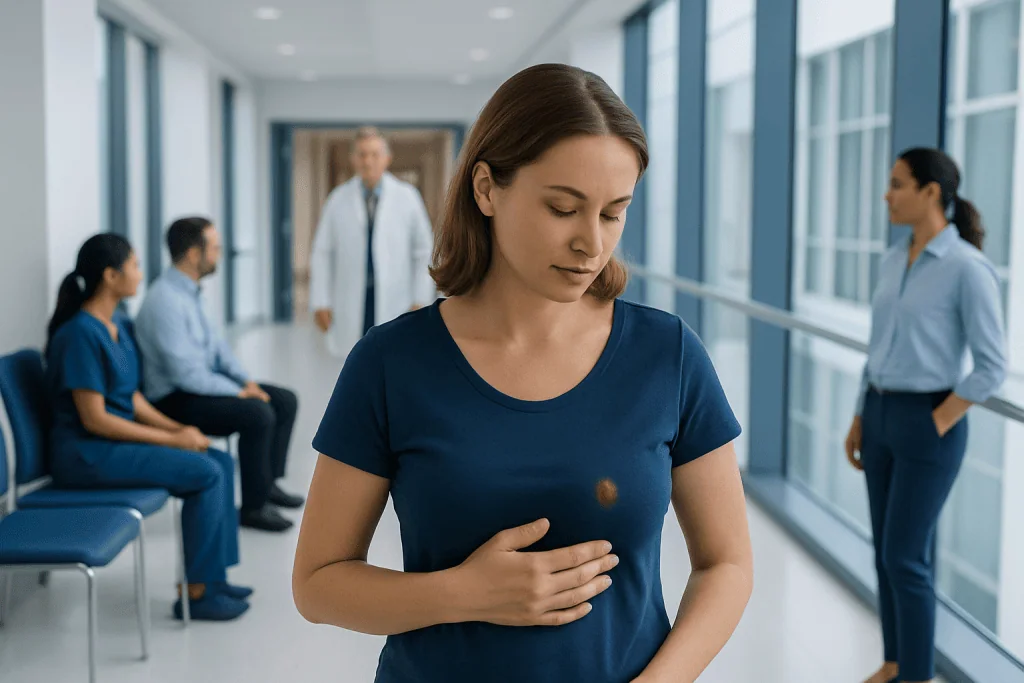
A boil is a skin infection and is different from most breast lumps that arise deeper within breast tissue. Warm, clean compresses can support drainage and comfort; squeezing or piercing a boil can spread infection.
Key Takeaways
- A boil is a skin infection and is different from most breast lumps that arise deeper within breast tissue.
- Warm, clean compresses can support drainage and comfort; squeezing or piercing a boil can spread infection.
- Friction, sweating, shaving, diabetes, smoking, and conditions such as hidradenitis suppurativa can increase the likelihood of recurrent boils.
- Antibiotics or a minor drainage procedure may be needed for a large, persistent, or complicated boil.
- Any unexplained breast change that does not resolve should be checked by a healthcare professional.
A boil on breast is a painful, pus-filled skin lump that usually develops when bacteria infect a hair follicle or blocked skin gland. Most improve with appropriate care, but a worsening lump, fever, spreading redness, or symptoms during breastfeeding should be assessed promptly by a clinician.
Overview: What Is a Boil on the Breast?
A boil on breast skin, also called a furuncle, is a tender red lump caused by an infection of a hair follicle or nearby oil gland. It may begin as a small painful bump and then enlarge over several days, sometimes developing a white or yellow center containing pus. The skin of the breast, including the area beneath the breast and around the nipple, has hair follicles and sweat glands, so boils can occur there just as they can elsewhere on the body.
Boils are most often caused by common skin bacteria, especially Staphylococcus aureus. They are usually superficial, meaning they begin in the skin rather than in the breast tissue itself. However, a painful breast lump can have several possible causes, including an inflamed cyst, an infected milk duct, a breast abscess, or a noninfectious skin condition. A clinical examination is the safest way to clarify the cause when the diagnosis is uncertain.
A boil is not usually a sign of breast cancer. Still, it is important not to assume that every persistent breast change is a boil. A lump that does not heal, keeps returning, feels deep within the breast, or is associated with nipple changes or skin dimpling needs medical assessment.
How a Breast Boil May Look and Feel
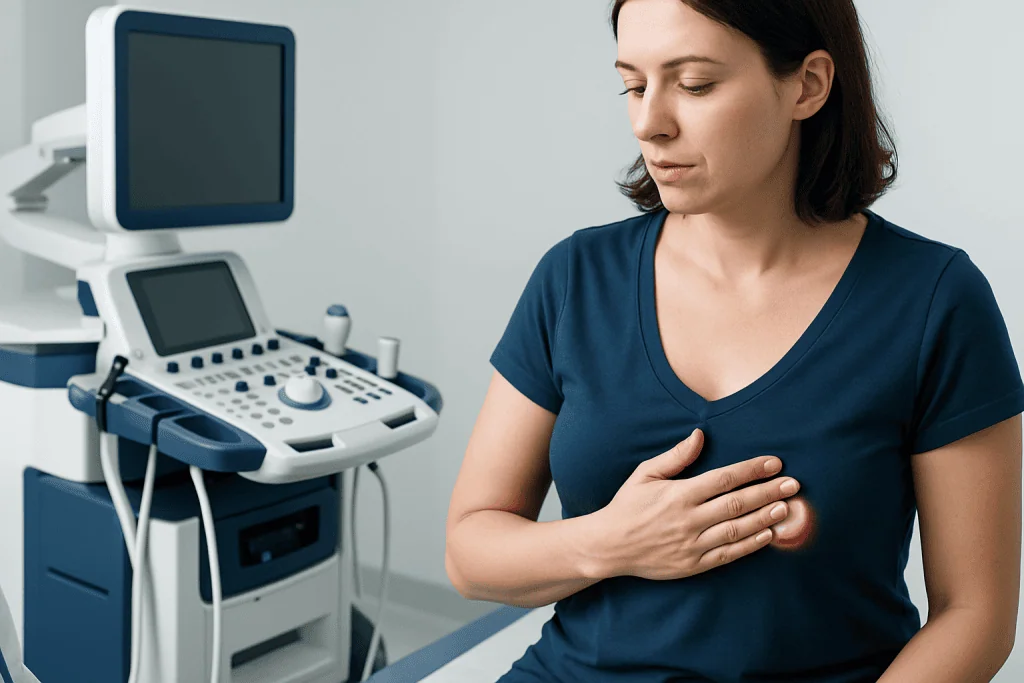
In the early stage, a boil may resemble a pimple, ingrown hair, or insect bite. The area can become increasingly red, warm, swollen, and painful to touch. As pus collects, the center may soften and form a visible head. Some boils drain on their own, releasing pus and then gradually improving.
The location can affect symptoms. A boil under the breast may be especially uncomfortable because moisture, skin-to-skin contact, and bra friction can irritate the area. A lesion near the nipple or areola deserves particular attention, especially in someone who is breastfeeding, because infection may sometimes involve deeper tissue or a milk duct.
More extensive infection can cause fever, chills, tiredness, rapidly expanding redness, or red streaks extending away from the affected skin. These symptoms are not expected with a small uncomplicated boil and should prompt timely medical advice. A cluster of connected boils may form a deeper collection of pus, sometimes called a carbuncle or abscess.
- Localized pain, tenderness, warmth, and swelling
- A firm red bump that may develop a pus-filled center
- Drainage of pus or crusting after the boil opens
- Occasionally, swollen lymph nodes in the armpit on the same side
Why Boils Develop: Causes and Risk Factors

Most boils develop when bacteria enter through a tiny break in the skin, such as a shaving nick, scratch, chafed area, or blocked follicle. Bacteria can live harmlessly on the skin or in the nose but may cause infection when they reach damaged skin. Close skin contact, sharing towels or razors, and contact with contaminated personal items can occasionally contribute to spread within households.
Warm, moist environments can make the skin beneath the breasts more vulnerable. Sweating, tight clothing, poorly fitting bras, and friction may irritate follicles and encourage bacterial growth. Keeping the skin dry and changing out of damp clothing can therefore be useful preventive measures, particularly in hot weather or after exercise.
Some health factors may increase the chance of recurrent boils or make infection harder to clear. These include diabetes, immune-suppressing medicines or conditions, smoking, obesity, chronic skin irritation, and eczema. Repeated painful lumps in the under-breast area, armpits, groin, or buttocks may be related to hidradenitis suppurativa, a chronic inflammatory skin condition rather than simple isolated boils.
During breastfeeding, cracked nipples and milk stasis can increase the risk of breast inflammation and infection. A painful red area accompanied by flu-like symptoms may represent mastitis rather than a skin boil. Prompt assessment can help protect the parent’s health and support continued feeding where appropriate.
Diagnosis: Distinguishing a Boil From Other Breast Lumps
A clinician will usually diagnose a boil by asking about symptoms and examining the skin. The position of the lump, whether it is clearly within the skin, the presence of a visible follicle or pus point, and surrounding redness all provide useful clues. The clinician may also ask about recent shaving, skin injury, breastfeeding, previous skin infections, and medical conditions such as diabetes.
If there is drainage, a sample may sometimes be sent for culture. This can identify the bacteria involved and help guide antibiotic choice, particularly for recurrent infection, severe infection, or infection that has not responded to initial treatment. Blood tests are not routinely needed for a small uncomplicated boil but may be considered when someone is systemically unwell or has repeated infections.
Ultrasound may be recommended when the lump seems deeper, when an abscess is suspected, or when it is unclear whether there is a collection of pus that needs drainage. Breast imaging can also help assess a persistent or atypical lump. This careful approach is important because a breast boil, cyst, abscess, and other breast conditions can sometimes feel similar at first.
Management and Treatment Options
For a small boil without fever or spreading redness, supportive care is often appropriate. A clean warm compress applied for about 10 to 15 minutes several times a day may ease discomfort and encourage natural drainage. The area should be gently washed, dried carefully, and covered with a clean dressing if it leaks. Handwashing before and after touching the area helps reduce spread of bacteria.
It is best not to squeeze, puncture, or attempt to lance a boil at home. Pressure can push infection deeper into the skin, increase inflammation, and spread bacteria to nearby areas. Loose, breathable clothing and a well-fitting bra that does not rub the sore area may improve comfort. An over-the-counter pain reliever may be suitable for some people, but choices should be checked with a pharmacist or clinician if the person is pregnant, breastfeeding, takes regular medicines, or has kidney, stomach, liver, or bleeding problems.
A clinician may prescribe antibiotics if there is surrounding cellulitis, fever, multiple boils, a high risk of complications, or an infection that does not settle. Larger boils or abscesses may need a minor procedure to drain the pus safely. Drainage is often important because antibiotics alone may not adequately treat a walled-off pus collection.
People with repeated boils may need a broader review for contributing factors, including diabetes, nasal or skin carriage of bacteria, and inflammatory skin disease. The clinician may recommend a personalized hygiene or decolonization plan when appropriate; this should not be started without professional guidance. Acibadem International’s multidisciplinary specialists and JCI-accredited hospitals can assess breast and skin infections for international patients when further evaluation is needed.
Reducing Recurrence and Protecting the Skin
Not every boil can be prevented, but gentle skin care can lower risk. Regular washing, drying skin folds thoroughly, and wearing clean, breathable clothing can reduce moisture and friction. After sweating, changing out of exercise clothing and bras promptly may be especially helpful for boils that occur beneath the breast.
Razors, towels, washcloths, bras, and clothing should not be shared while a boil is present. Towels, bedding, and clothes that contact drainage should be washed routinely according to their care instructions. Keeping the boil covered with a clean dressing until it stops draining protects both the skin and people in close contact.
For people who shave near the affected area, using a clean razor, avoiding shaving over irritated or broken skin, and considering gentler hair-removal practices may reduce follicle injury. Managing conditions such as diabetes and seeking help for smoking cessation can also support skin healing. Recurrent painful nodules should not be managed repeatedly as isolated boils without medical review.
When to Seek Medical Care
Medical advice is recommended if a boil is large, very painful, near the nipple, lasts longer than about one to two weeks, returns frequently, or does not begin to improve with simple care. Assessment is also important for anyone with diabetes, reduced immunity, or a history of difficult-to-treat skin infections. A doctor can determine whether drainage, antibiotics, imaging, or another type of treatment is needed.
Urgent medical evaluation is appropriate when there is fever, chills, rapidly spreading redness, red streaks, marked swelling, worsening pain, confusion, or a general feeling of being very unwell. These features can indicate a spreading infection that needs prompt treatment. People who are breastfeeding should contact a clinician promptly for a painful red breast area, fever, or a suspected abscess.
Any breast lump or skin change that persists after the apparent infection has healed should be checked. Likewise, new nipple inversion, bloody nipple discharge, skin dimpling, persistent scaling around the nipple, or an unexplained armpit lump should not be attributed to a boil without assessment. Seeking care is a practical step toward obtaining an accurate diagnosis and appropriate reassurance.
Frequently asked questions
Can a boil on breast go away on its own?
Small uncomplicated boils may drain and heal on their own over days to one or two weeks. Warm compresses, cleanliness, and avoiding squeezing can support healing. A clinician should assess a boil that worsens, does not improve, or is accompanied by fever or spreading redness.
Is a boil on breast a sign of cancer?
A boil is usually a skin infection and is not typically a sign of breast cancer. However, not every breast or skin lump is a boil. A lump or skin change that persists after infection symptoms resolve should be examined by a healthcare professional.
Should a breast boil be popped?
No. Popping, squeezing, or piercing a boil can push bacteria deeper into the skin and increase the risk of spreading infection or scarring. If drainage is needed, a trained clinician can perform it under clean, controlled conditions.
Can breastfeeding cause a boil on the breast?
Breastfeeding itself does not directly cause a skin boil, but nipple damage, moisture, and changes in milk flow can raise the risk of breast inflammation or infection. Painful redness, fever, or a deep lump during breastfeeding may indicate mastitis or an abscess and should be assessed promptly.
Why do I keep getting boils under my breast?
Repeated boils under the breast can be linked to sweat, friction, skin irritation, bacterial colonization, diabetes, smoking, or an inflammatory condition such as hidradenitis suppurativa. A clinician can review the pattern and look for treatable contributing factors. Recurrent boils may need a prevention plan rather than repeated self-treatment.
Can I use antibiotic cream for a boil on breast skin?
Topical antibiotic products may not treat a deeper boil or abscess effectively. Some skin infections require oral antibiotics, drainage, or no antibiotics at all, depending on their severity and cause. It is best to ask a pharmacist or clinician before applying medication, especially near the nipple or while breastfeeding.
References
- American Academy of Dermatology
- Centers for Disease Control and Prevention
- Mayo Clinic
- National Health Service
- World Health Organization
This article is for general information only and is not a substitute for professional medical advice. Please consult a qualified doctor about your individual situation.
Hair transplant in Turkey — costs, graft counts & a free assessment
JCI-accredited · board-certified surgeons · reply within 24h
Add us as a Preferred Source to see more of our trusted health content across Google Search, AI Overviews and Discover.