Bone and Joint Health by Age: What Changes Over Time?

Bones, joints, muscles, and connective tissues change gradually from childhood to older adulthood. Peak bone mass is usually reached in early adulthood, making earlier lifestyle habits important later in life.
Key Takeaways
- Bones, joints, muscles, and connective tissues change gradually from childhood to older adulthood.
- Peak bone mass is usually reached in early adulthood, making earlier lifestyle habits important later in life.
- Regular exercise, good nutrition, and fall prevention help support bone and joint health at every age.
- Joint stiffness and mild wear can become more common with age, but persistent pain is not something to ignore.
- Early evaluation of symptoms can help identify conditions such as osteoporosis, arthritis, or injury before they progress.
Bone and joint health changes naturally throughout life. Understanding what is normal at each age can help people protect mobility, reduce pain, and support long-term strength and independence.
Overview: How Bones and Joints Change Over Time
Bone and joint health is not static. From childhood through older age, the body continuously remodels bone, repairs tissue, and adapts to activity levels, hormones, nutrition, and general health. These changes are normal, but the pace and pattern differ from person to person.
Bones are living tissue. They become stronger during growth years, usually reach peak strength in early adulthood, and then gradually lose density with age. Joints also change over time. Cartilage may become thinner, the lubricating fluid inside joints may decrease, and the muscles that support movement may lose strength if they are not regularly used.
Healthy aging does not mean avoiding all change. Rather, it means supporting the body through each stage of life so that mobility, balance, and comfort are preserved as much as possible. Lifestyle habits, underlying medical conditions, medications, and family history can all influence how quickly these age-related changes occur.
Childhood and Teenage Years: Building the Foundation
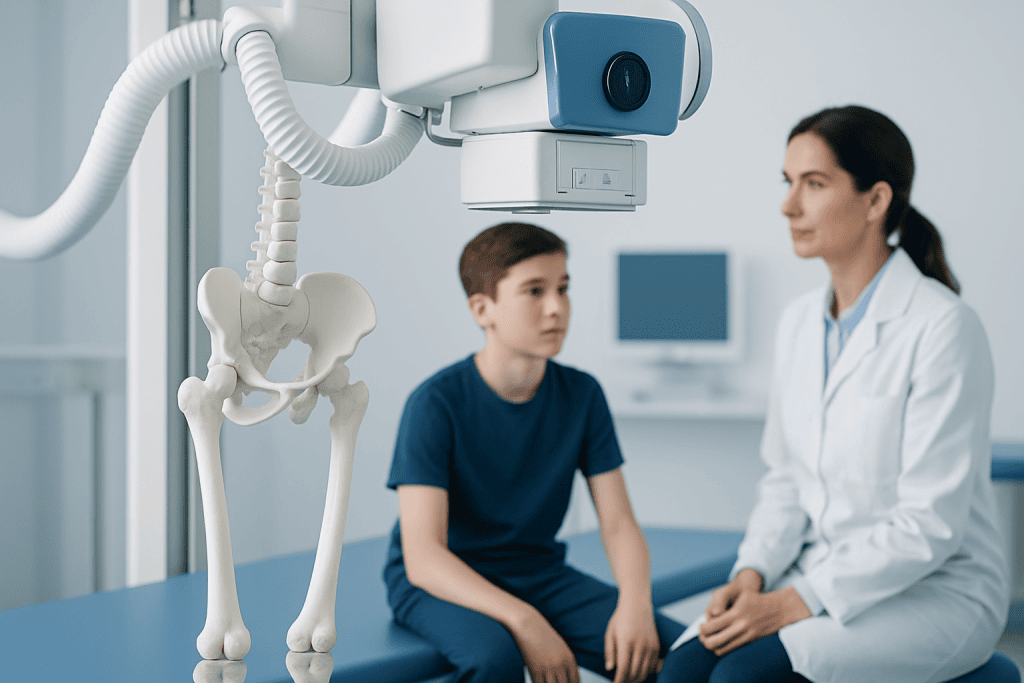
During childhood and adolescence, the skeleton grows rapidly. Bones lengthen, increase in density, and respond strongly to nutrition and physical activity. This is one of the most important periods for building lifelong bone strength. Weight-bearing exercise, outdoor play, and sports can help stimulate healthy bone development.
Calcium, vitamin D, protein, and overall good nutrition are especially important in these years. Hormonal changes during puberty also play a major role in bone growth. If a child has poor nutrition, chronic illness, low physical activity, or certain endocrine problems, bone development may be affected.
Joints in children and teenagers are usually flexible and resilient, but they can still be injured. Growth plates are areas of developing tissue near the ends of long bones, and they are more vulnerable than mature bone. Repetitive strain, sports injuries, and poor movement mechanics should be taken seriously to reduce the risk of longer-term problems.
Encouraging healthy habits early can make a meaningful difference later in life. Important steps include:
- Regular active play and age-appropriate exercise
- A balanced diet with enough calcium and vitamin D
- Prompt assessment of persistent joint pain or limping
- Safe sports techniques and protective equipment
Early and Middle Adulthood: Peak Bone Mass and Joint Wear
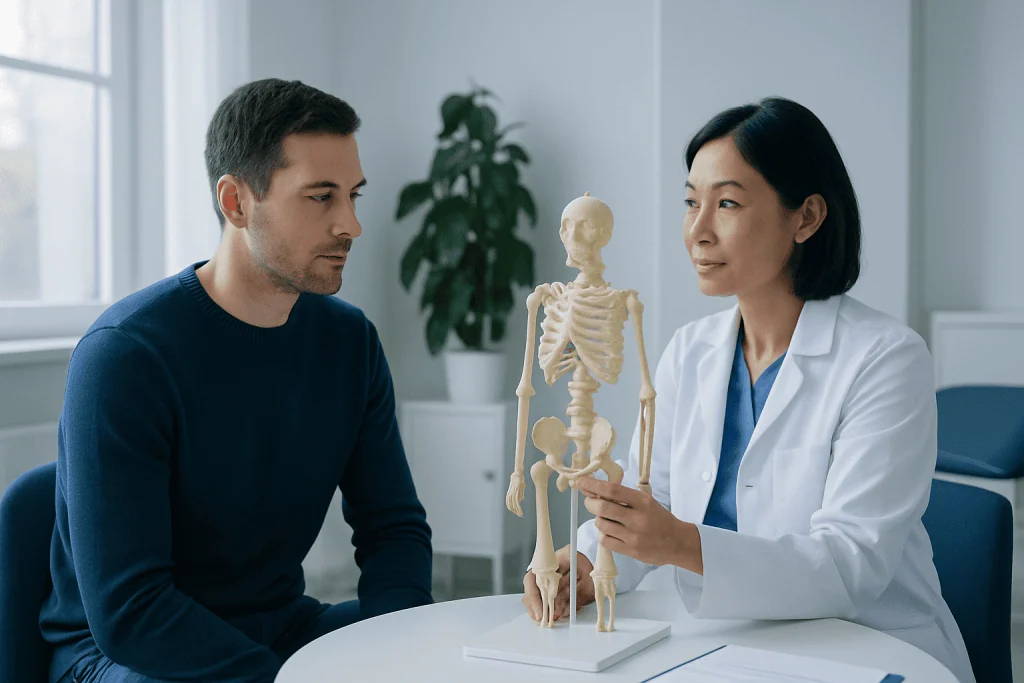
In early adulthood, many people reach their peak bone mass. This refers to the maximum bone strength and density the body develops, usually by the late 20s or early 30s. The higher this peak, the more reserve a person may have as natural age-related bone loss begins later on.
During the 30s, 40s, and 50s, everyday habits become especially important. Physical inactivity, smoking, excessive alcohol use, low calcium intake, and certain medications can contribute to faster bone loss. Muscle strength may also begin to decline gradually, which can affect posture, balance, and joint support.
Joints may start to show signs of wear over time, particularly in areas exposed to repetitive movement or previous injury. Mild stiffness after long periods of sitting or after strenuous activity can become more common. However, ongoing pain, swelling, or reduced movement may suggest a condition such as osteoarthritis or an overuse injury and deserves medical evaluation.
For many adults, this stage is also when work demands and family responsibilities reduce time for exercise. Even so, regular walking, strength training, flexibility work, and maintaining a healthy body weight can help reduce stress on the knees, hips, spine, and other joints.
Later Adulthood: Bone Loss, Stiffness, and Mobility Changes
As people move into older adulthood, bone turnover changes. The body may break down bone faster than it replaces it, leading to reduced density and greater fragility. This process can be more noticeable after menopause because estrogen plays an important role in protecting bone. Men can also experience bone loss with age, although it may happen more gradually.
Joint changes can also become more apparent. Cartilage may thin, tendons and ligaments may become less elastic, and the muscles supporting the joints may weaken. These changes can contribute to stiffness, slower movement, and reduced balance. Some people notice that getting up from a chair, climbing stairs, or walking long distances becomes more difficult.
Not all discomfort is simply due to aging. Significant pain, sudden changes in mobility, a loss of height, or a fracture after a minor fall may point to a medical issue such as osteoporosis or a spinal compression fracture. Early diagnosis can help prevent complications and support safer, more active aging.
Falls also become a bigger concern in later life because weaker bones are more likely to fracture. Vision problems, certain medications, poor balance, and home hazards can all increase this risk. For that reason, bone and joint health in older age is closely linked with strength, coordination, and fall prevention.
Common Symptoms and Warning Signs to Watch For
Some age-related changes in bones and joints are mild and gradual. Examples can include brief morning stiffness, reduced flexibility, or slower recovery after activity. These changes may be manageable with regular movement, stretching, and healthy lifestyle habits.
Still, certain symptoms should not be dismissed as normal aging. Persistent or worsening joint pain, visible swelling, warmth around a joint, repeated falls, or a noticeable decrease in activity tolerance may signal an underlying problem. Pain that disrupts sleep or daily activities is also a reason to seek evaluation.
Bone-related conditions can be subtle. Osteoporosis often causes no symptoms until a fracture occurs. A gradual loss of height, a stooped posture, or back pain after minimal strain may suggest changes in spinal bones. In other cases, pain may come from inflammation, tendon problems, or injury rather than from the joint itself.
Symptoms that deserve medical attention include:
- Joint pain lasting more than a few weeks
- Swelling, redness, or warmth in a joint
- Reduced range of motion or joint locking
- Back pain with height loss or posture changes
- A fracture after a low-impact fall
- Balance problems or repeated falls
How Bone and Joint Problems Are Diagnosed
Diagnosis begins with a medical history and physical examination. A doctor may ask about symptoms, prior injuries, family history, medications, exercise habits, menstrual or menopause history, and diet. The physical exam often focuses on posture, joint movement, muscle strength, gait, and areas of tenderness or swelling.
When needed, imaging and laboratory tests can help clarify the cause. X-rays may show joint space narrowing, bone spurs, fractures, or alignment changes. Bone density testing can help identify low bone mass and osteoporosis. Blood tests may be used to look for vitamin deficiencies, inflammation, or metabolic causes of bone weakness.
Some people may also benefit from specialist assessment, especially if symptoms are persistent or complex. Depending on the concern, this may involve orthopedics, rheumatology, endocrinology, rehabilitation, or pain management. If surgery is being considered, doctors may also use advanced imaging to understand the condition more fully.
When symptoms interfere with walking, sports, work, or quality of life, a structured orthopedic assessment can be useful. In selected cases, doctors may discuss options such as orthopedic surgery or a supervised rehabilitation plan, depending on the diagnosis and the person’s overall health.
Treatment Options and Healthy Habits at Every Age
Treatment depends on the cause of symptoms, the person’s age, activity level, and overall health. Many bone and joint concerns improve with non-surgical approaches. These may include exercise therapy, posture training, weight management, pain-relieving medicines, anti-inflammatory treatment, assistive devices, or nutritional support such as calcium and vitamin D when appropriate.
Exercise is one of the most effective tools across the lifespan. Weight-bearing activity can help maintain bone strength, while resistance training helps preserve muscle support around joints. Flexibility and balance exercises can reduce stiffness and lower the risk of falls. A tailored plan is especially helpful for people with arthritis, back pain, or previous fractures.
When structural damage is significant, surgery may sometimes be considered. Examples include advanced joint degeneration, certain fractures, or severe spinal problems affecting function. Depending on the condition, care may include knee replacement for advanced knee joint damage or physical therapy and rehabilitation to improve strength, mobility, and recovery after injury or treatment.
Long-term bone and joint protection often involves daily habits:
- Stay physically active with strength, balance, and weight-bearing exercise
- Eat a balanced diet with adequate calcium, protein, and vitamin D
- Avoid smoking and limit alcohol intake
- Maintain a healthy body weight to reduce joint strain
- Use supportive footwear and practice fall prevention at home
- Discuss medicines that may affect bone health with a doctor
When to See a Doctor
It is sensible to see a doctor if bone or joint symptoms persist, limit movement, or keep returning. This is particularly important when pain affects sleep, work, exercise, or basic daily tasks. Early evaluation can often identify treatable causes before they become more advanced.
Urgent medical attention may be needed after a fall, suspected fracture, sudden inability to bear weight, severe swelling, or back pain associated with weakness, numbness, or loss of bladder or bowel control. These symptoms can indicate a more serious injury or nerve problem and should not be ignored.
People at higher risk of bone loss may also benefit from preventive assessment even without symptoms. This can include postmenopausal women, older adults, people with a family history of osteoporosis, those using long-term steroid medication, and individuals with chronic inflammatory or endocrine disorders.
For international patients seeking coordinated evaluation, Acibadem International’s multidisciplinary specialists and JCI-accredited hospitals diagnose and treat a wide range of bone and joint conditions with individualized care plans. The right time to seek help is whenever symptoms begin to affect comfort, confidence, or mobility.
Frequently asked questions
Is joint pain a normal part of aging?
Mild stiffness or slower recovery after activity can become more common with age, but persistent joint pain is not something a person should simply accept. Ongoing pain, swelling, or reduced movement may point to arthritis, injury, inflammation, or another treatable condition.
At what age do bones start to weaken?
Bone strength usually builds through childhood and young adulthood, with peak bone mass often reached by the late 20s or early 30s. After that, bone loss can gradually begin, especially if lifestyle factors, hormonal changes, or certain medical conditions affect bone health.
How can someone keep bones strong as they get older?
Regular weight-bearing exercise, strength training, and a balanced diet with enough calcium, vitamin D, and protein are all important. Avoiding smoking, limiting alcohol, and addressing fall risks at home can also help protect bones over time.
Why do joints feel stiffer with age?
Joint stiffness can happen because cartilage changes, joint fluid may decrease, and the muscles and connective tissues around the joint may become less flexible. Inactivity can make stiffness worse, which is why regular movement is often helpful.
Who is at higher risk for osteoporosis?
Risk can be higher in postmenopausal women, older adults, people with a family history of osteoporosis, and those with low body weight or long-term steroid use. Some endocrine disorders, inflammatory diseases, and nutritional deficiencies can also increase risk.
When should a person get checked for bone or joint problems?
A person should seek medical advice if pain lasts more than a few weeks, if joints swell or feel unstable, or if mobility is getting worse. Assessment is also important after low-impact fractures, repeated falls, or back pain with height loss or posture change.
References
- World Health Organization
- National Institute on Aging
- National Institute of Arthritis and Musculoskeletal and Skin Diseases
- International Osteoporosis Foundation
- Centers for Disease Control and Prevention
This article is for general information only and is not a substitute for professional medical advice. Please consult a qualified doctor about your individual situation.
Joint and spine care in Turkey — expert assessment & treatment
JCI-accredited · board-certified surgeons · reply within 24h
Add us as a Preferred Source to see more of our trusted health content across Google Search, AI Overviews and Discover.

More from the Health Library



Related Specialists

Dr. Ayhan Ulusoy
Orthopedic Surgery & Traumatology
Prof. Dr. Hilal Ünal
General Surgery
Prof. Dr. Canan Ayabakan
Pediatric Cardiology
İlayda Kurtuluş
Physical Medicine & Rehabilitation