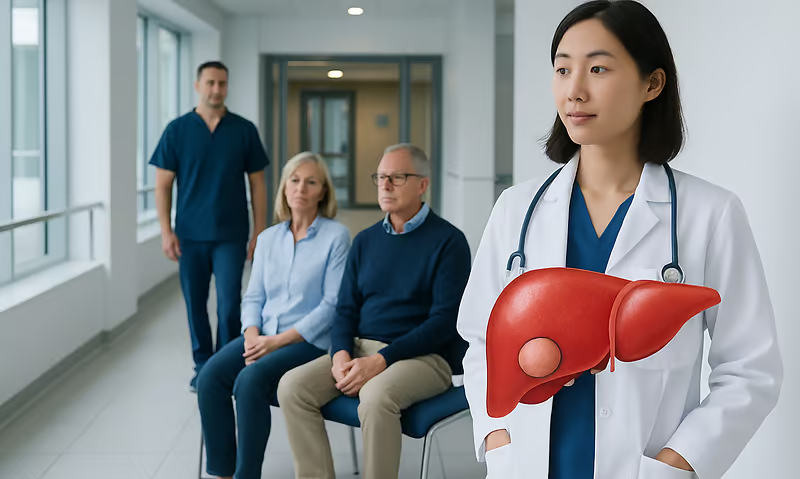
Bone Density Scan: Who Should Get Tested and What the Results Mean
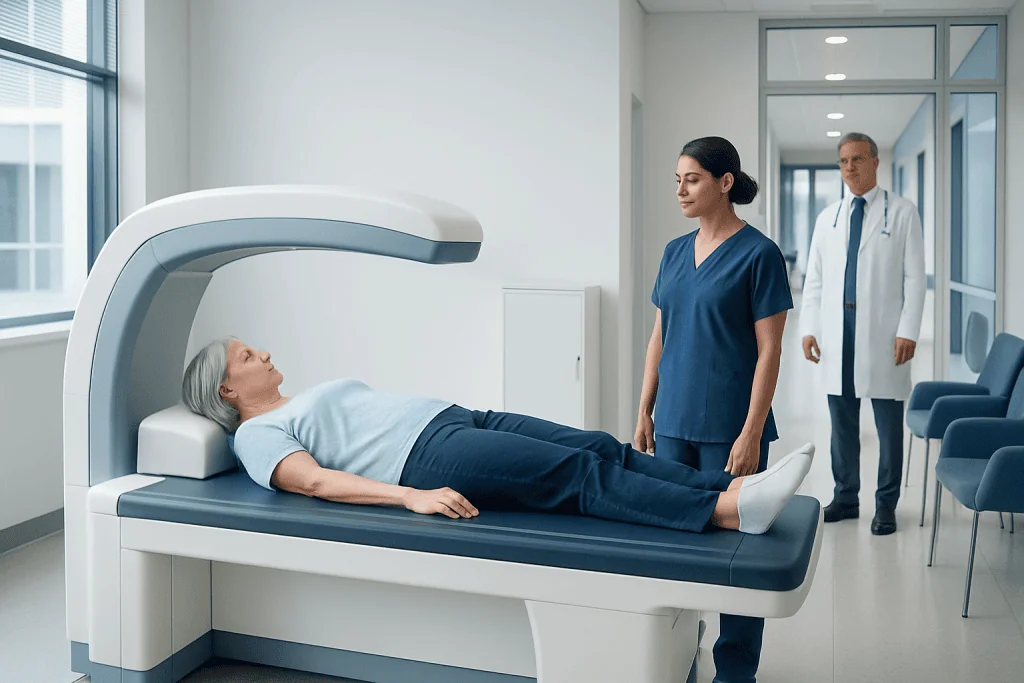
A bone density scan, often called a DEXA scan, measures bone mineral density and helps estimate fracture risk. Testing is commonly recommended for older women, many older men, and younger adults with specific risk factors.
Key Takeaways
- A bone density scan, often called a DEXA scan, measures bone mineral density and helps estimate fracture risk.
- Testing is commonly recommended for older women, many older men, and younger adults with specific risk factors.
- Results are usually reported as T-scores and sometimes Z-scores, which help doctors judge whether bone density is normal, low, or in the osteoporosis range.
- Low bone density does not always cause symptoms, so screening can identify risk before a fracture happens.
- Lifestyle steps such as weight-bearing exercise, adequate calcium and vitamin D, and avoiding smoking can help protect bone health.
A bone density scan is a simple, low-radiation test that helps assess bone strength and estimate fracture risk. It is commonly used to screen for osteoporosis and osteopenia, especially in older adults and people with risk factors for bone loss.
Overview
A bone density scan is a test that measures how much mineral, mainly calcium, is present in the bones. This gives doctors an estimate of bone strength and helps identify people who may have osteopenia or osteoporosis. The most common type is a dual-energy X-ray absorptiometry test, often called a DEXA or DXA scan.
The test is quick, painless, and uses a very low dose of radiation. It is usually performed on the hip and lower spine because these areas provide useful information about fracture risk. In some cases, the forearm may also be checked, especially if the hip or spine cannot be measured accurately.
A bone density scan is not only used to diagnose low bone mass. It can also help estimate the chance of future fractures, guide treatment decisions, and monitor how bone health changes over time. For many people, it provides important information before any symptoms appear.
Who should get a bone density scan?
Bone density testing is often recommended as part of routine osteoporosis screening for women aged 65 and older. Many men aged 70 and older may also benefit from testing, especially if they have additional risk factors for bone loss or fractures. Doctors may advise earlier testing for postmenopausal women and younger men if their fracture risk is increased.
Younger adults may need a bone density scan if they have conditions or exposures that affect bone health. Examples include a previous low-trauma fracture, long-term corticosteroid use, certain hormonal disorders, low body weight, eating disorders, chronic kidney disease, malabsorption conditions, rheumatoid arthritis, or a strong family history of osteoporosis or hip fracture.
Some people are tested because an X-ray suggests thinning bones, height loss raises concern for spinal compression fractures, or treatment for osteoporosis is being considered or monitored. The decision is individualized, so a doctor may use age, medical history, medications, and overall fracture risk to decide whether testing is appropriate.
What happens during the test?
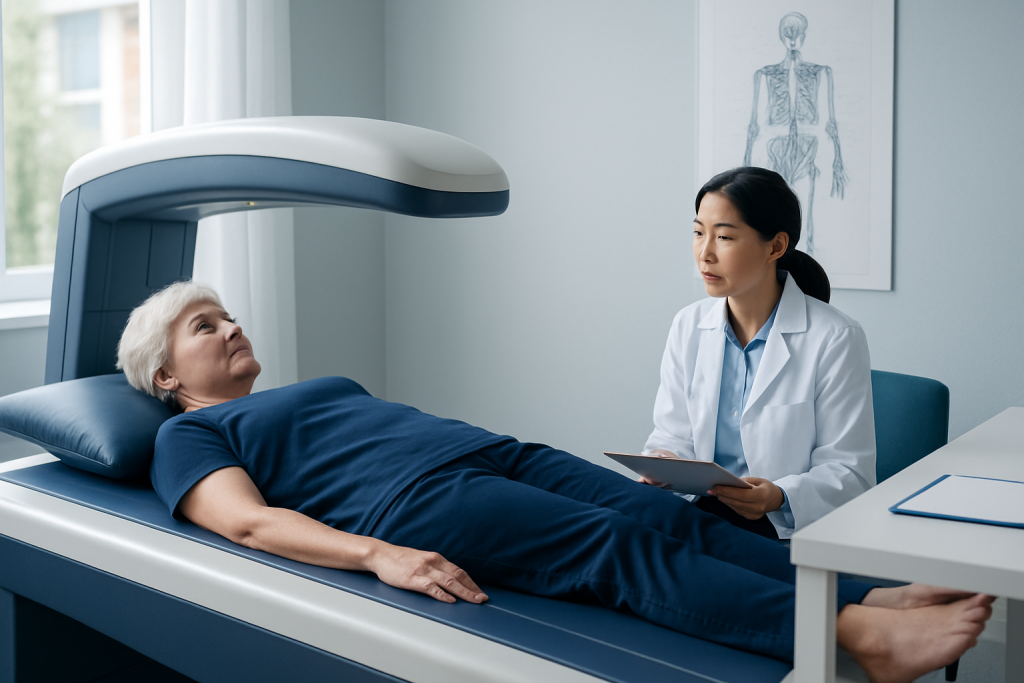
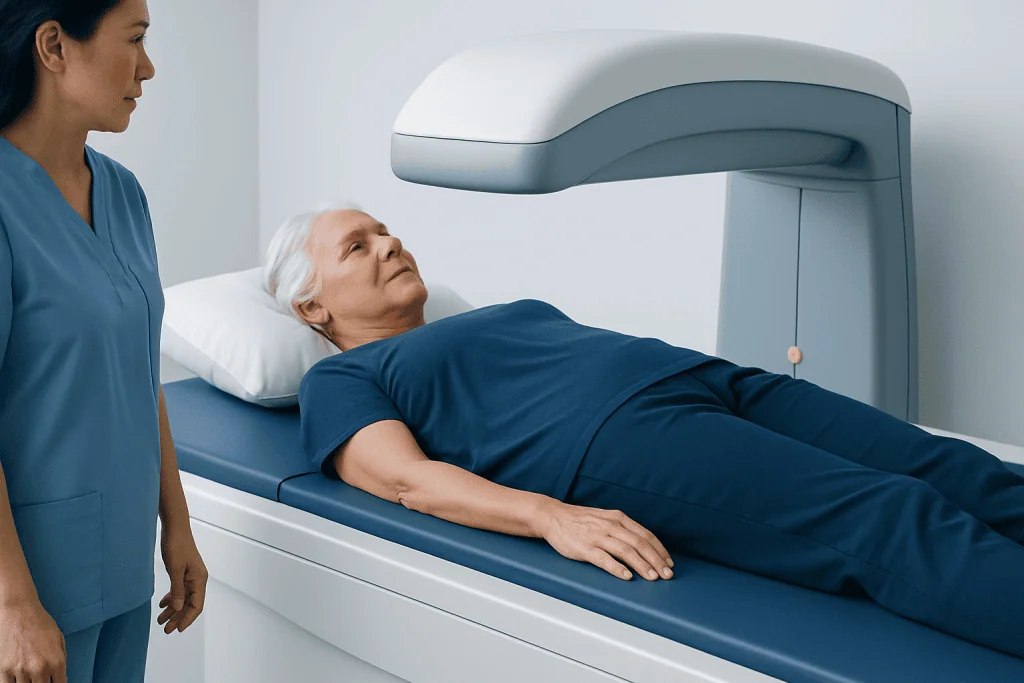
A standard DEXA scan is usually done in an imaging department or outpatient clinic. The person lies on a padded table while a scanning arm passes slowly over the body. The test is painless, does not require needles, and usually takes only a short time to complete.
Preparation is simple. Patients are often asked to avoid calcium supplements for a short period before the scan and to wear comfortable clothing without metal fasteners if possible. They should tell the healthcare team if they are pregnant or may be pregnant, because even low-dose X-ray exposure is considered carefully in that setting.
Most scans focus on the lumbar spine and one or both hips. In some situations, the forearm is scanned instead. A related test called vertebral fracture assessment may sometimes be done at the same visit to look for small spinal fractures that can occur silently in people with fragile bones.
What the results mean
Bone density results are usually reported as a T-score and, in some cases, a Z-score. The T-score compares a person’s bone density with that of a healthy young adult of the same sex. This score is mainly used in postmenopausal women and older men to classify bone density and help diagnose osteoporosis.
In general, a T-score of -1.0 or above is considered within the expected range. A T-score between -1.0 and -2.5 suggests low bone mass, often called osteopenia. A T-score of -2.5 or lower is in the osteoporosis range. These categories help guide treatment, but they are only one part of the overall picture.
The Z-score compares bone density with what is typical for someone of the same age, sex, and body size. It can be more useful in younger adults, premenopausal women, and children. A lower-than-expected Z-score may prompt doctors to look for secondary causes of bone loss, such as hormonal problems, nutritional issues, or chronic disease.
Doctors may also use fracture risk tools that combine bone density with age, weight, prior fractures, smoking, alcohol use, and other factors. This is important because two people with the same T-score may not have the same overall fracture risk. Results should always be interpreted in the context of symptoms, medical history, and other tests.
Causes of low bone density and risk factors
Bone is living tissue that is constantly being broken down and rebuilt. Bone density can fall when bone breakdown happens faster than bone formation. Aging is a major factor, and the risk rises after menopause because falling estrogen levels speed bone loss. Men can also develop low bone density, especially with older age or low testosterone.
Several medical conditions can affect bone strength. These include thyroid and parathyroid disorders, chronic inflammatory diseases, digestive disorders that reduce nutrient absorption, chronic liver or kidney disease, and certain cancers. Low intake of calcium or vitamin D, limited sun exposure, and poor nutrition may also contribute.
Medications are another important factor. Long-term corticosteroids are well known to weaken bones, and some treatments for seizures, cancer, or hormone-related conditions may also affect bone health. Lifestyle habits matter too. Smoking, excess alcohol use, prolonged inactivity, and very low body weight can all increase the chance of low bone density.
Because bone loss usually develops silently, many people do not realize they have a problem until a fracture occurs. A broken wrist, hip, or vertebra after a minor fall may be the first sign. In some cases, back pain, loss of height, or a stooped posture can suggest spinal fractures related to weakened bones.
Treatment options after an abnormal result
Treatment depends on the scan results, fracture history, age, and overall fracture risk. Not everyone with low bone density needs medication right away. For some people, especially those with mild bone loss and lower risk, doctors may recommend lifestyle changes, fall-prevention steps, and periodic follow-up scanning.
When fracture risk is higher, medication may be advised to help slow bone breakdown or build bone. The choice depends on the person’s health profile, kidney function, menopause status, fracture history, and preferences. Doctors may also evaluate for treatable causes of bone loss and order blood tests to check calcium, vitamin D, thyroid function, or other markers.
Supportive care is an important part of treatment. This may include nutrition counseling, guidance on safe exercise, and evaluation of balance or mobility problems. If a person has already had fractures or significant pain, referral for physical therapy and rehabilitation or specialist orthopedic assessment may be helpful. In some cases of painful or complex fractures, treatment planning may involve orthopedics and traumatology.
Prevention and self-care for stronger bones
Bone health is supported by regular weight-bearing and muscle-strengthening exercise. Activities such as walking, stair climbing, resistance training, and balance exercises can help maintain bone mass and reduce fall risk. Exercise plans should be appropriate for the person’s age, fitness level, and fracture risk.
Nutrition matters throughout life. Adequate calcium and vitamin D support normal bone remodeling, while enough protein helps maintain muscle and overall strength. A doctor or dietitian can advise on dietary sources, supplements if needed, and whether blood tests are useful to check vitamin D levels.
Avoiding smoking and limiting alcohol can also protect bone health. People with vision problems, balance issues, or previous falls may benefit from a home safety review to reduce tripping hazards. In older adults, simple changes such as better lighting, supportive footwear, and handrails can make an important difference.
For people with diagnosed bone loss, ongoing monitoring may be part of care. Follow-up timing varies, but repeat DEXA scanning can help show whether bone density is stable, improving, or declining. If bone pain, fractures, or new medical concerns arise, further evaluation may be needed, sometimes including radiology or specialist assessment.
When to see a doctor
A person should speak with a doctor about bone density testing if they are an older adult, have gone through menopause, or have risk factors for osteoporosis. This is especially important after a fracture from a minor fall or injury, because such fractures may suggest fragile bones even if symptoms were previously absent.
Medical advice is also important for people taking long-term steroids, those with conditions that affect hormones or nutrient absorption, and anyone with unexplained height loss, curved posture, or persistent back pain. These signs do not always mean osteoporosis, but they deserve proper evaluation.
At the end of assessment and treatment planning, care may involve multiple specialists, including primary care doctors, endocrinologists, rheumatologists, radiologists, and orthopedic teams. For international patients who need coordinated evaluation, Acibadem International’s multidisciplinary specialists and JCI-accredited hospitals diagnose and treat bone health conditions using individualized care plans.
Frequently asked questions
Is a bone density scan the same as an X-ray?
A bone density scan uses X-ray technology, but it is a specialized test designed to measure bone mineral density rather than simply create a standard image. It uses very low radiation and is focused on estimating bone strength and fracture risk.
How often should bone density testing be repeated?
The timing depends on age, risk factors, initial results, and whether treatment has started. Some people may not need another scan for several years, while others may need follow-up sooner to monitor bone loss or response to treatment.
Can men need a bone density scan too?
Yes. Men can develop low bone density and osteoporosis, especially with aging, low testosterone, chronic illness, certain medications, or a history of fractures. Testing may be recommended based on age and individual risk.
Does osteopenia always turn into osteoporosis?
No. Osteopenia means bone density is lower than ideal, but it does not always progress to osteoporosis. Lifestyle changes, management of medical conditions, and sometimes medication can help slow or reduce further bone loss.
Are there symptoms of low bone density?
Low bone density often causes no symptoms at first. Many people only discover it after a fracture, height loss, or a spinal compression fracture. That is why screening can be helpful in people at risk.
What should someone avoid before a bone density scan?
Instructions vary slightly by center, but patients are often asked to avoid calcium supplements shortly before the test. They should also inform the imaging team about recent contrast studies, nuclear medicine tests, or possible pregnancy.
References
- World Health Organization
- National Institute of Arthritis and Musculoskeletal and Skin Diseases
- International Osteoporosis Foundation
- National Osteoporosis Foundation
- U.S. Preventive Services Task Force
This article is for general information only and is not a substitute for professional medical advice. Please consult a qualified doctor about your individual situation.
Joint and spine care in Turkey — expert assessment & treatment
JCI-accredited · board-certified surgeons · reply within 24h
Add us as a Preferred Source to see more of our trusted health content across Google Search, AI Overviews and Discover.