Bone Doctor for Joint Pain: Which Specialist Should You See?

An orthopedic doctor commonly evaluates joint pain related to bones, cartilage, ligaments, tendons, and joint wear-and-tear. A rheumatologist may be the right choice when joint pain is linked to inflammation, autoimmune disease, or widespread stiffness.
Key Takeaways
- An orthopedic doctor commonly evaluates joint pain related to bones, cartilage, ligaments, tendons, and joint wear-and-tear.
- A rheumatologist may be the right choice when joint pain is linked to inflammation, autoimmune disease, or widespread stiffness.
- Warning signs such as swelling, redness, fever, deformity, or inability to bear weight need prompt medical assessment.
- Diagnosis often involves a medical history, physical examination, and sometimes X-rays, ultrasound, MRI, or blood tests.
- Treatment depends on the cause and may include rest, physiotherapy, medicines, injections, or surgery in selected cases.
A bone doctor for joint pain is often an orthopedic specialist, especially when pain involves bones, joints, ligaments, cartilage, or movement problems. However, the best specialist can vary depending on whether the cause is injury, arthritis, inflammation, overuse, or pain coming from another part of the body.
Overview: What Does a Bone Doctor for Joint Pain Mean?
Many people use the phrase “bone doctor” when they have pain in the knee, shoulder, hip, ankle, wrist, or another joint. In most cases, they are referring to an orthopedic doctor, also called an orthopedist. Orthopedic specialists diagnose and treat problems affecting bones, joints, cartilage, ligaments, tendons, and muscles. Because joint pain often involves these structures, orthopedics is a common starting point.
Still, not every type of joint pain has the same cause. Some pain develops after an injury, sports activity, fall, or overuse. Other cases are related to osteoarthritis, inflammatory arthritis, infection, gout, nerve problems, or pain that radiates from the back. This is why the “right” specialist depends on the full picture, not only on where the pain is felt.
For example, an orthopedic doctor is often appropriate for mechanical joint pain that worsens with movement, limited range of motion, joint instability, tendon injury, cartilage damage, or suspected fracture. A rheumatologist may be better suited when joint pain comes with prolonged morning stiffness, multiple swollen joints, fatigue, or signs of autoimmune disease. In some situations, care may also involve physical medicine and rehabilitation, sports medicine, pain specialists, or primary care.
The main goal is not simply to choose a title, but to identify the cause accurately and start suitable treatment. Early assessment can help reduce pain, improve mobility, and prevent some problems from becoming more difficult to manage over time.
Symptoms That Suggest Joint Pain Needs Specialist Care
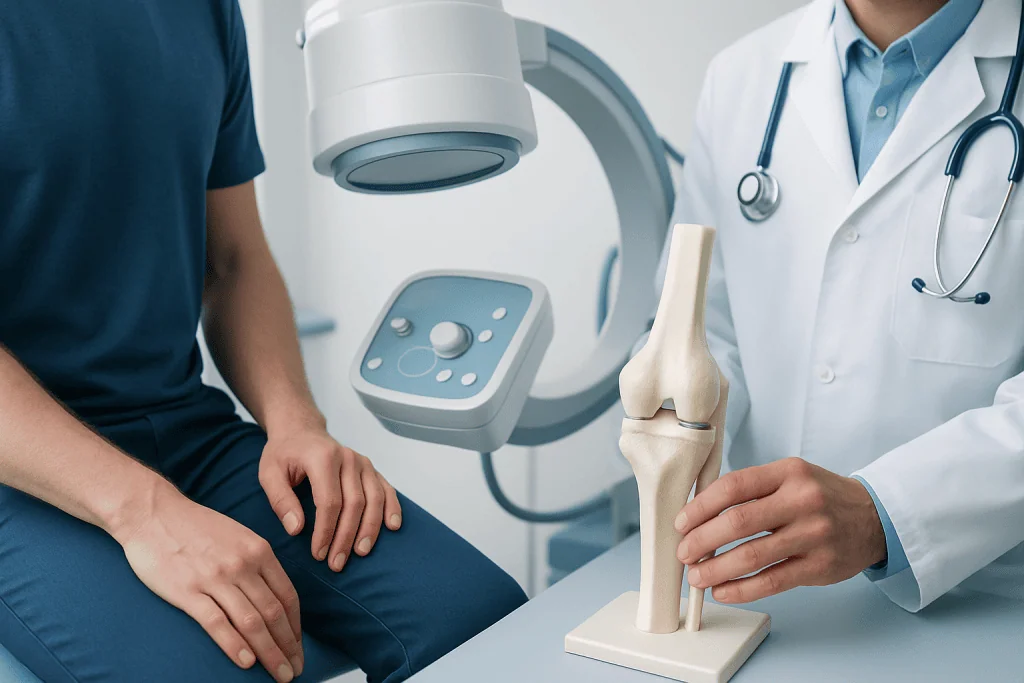
Joint pain can range from mild and temporary to more persistent and disruptive. A person may notice aching, stiffness, swelling, clicking, locking, weakness, or reduced movement. Some symptoms are more suggestive of orthopedic problems, while others raise concern for inflammatory or systemic conditions.
Symptoms that commonly lead people to an orthopedic specialist include pain after an injury, pain with walking or climbing stairs, a feeling that the joint gives way, decreased motion, tenderness around the joint, or pain that repeatedly returns with activity. These complaints may be linked to ligament strain, meniscus injury, tendon problems, cartilage wear, bursitis, or osteoarthritis.
Signs that deserve more urgent attention include sudden severe pain, obvious deformity, inability to bear weight, major swelling after trauma, redness and warmth of the joint, fever, or numbness and weakness. These symptoms can point to fracture, dislocation, infection, a serious inflammatory flare, or nerve involvement and should not be ignored.
- Pain lasting more than a few weeks
- Swelling that keeps returning
- Morning stiffness lasting a long time
- Joint pain in several areas at once
- Pain that disturbs sleep or daily activities
- Locking, catching, or instability in the joint
Which Specialist Should You See?
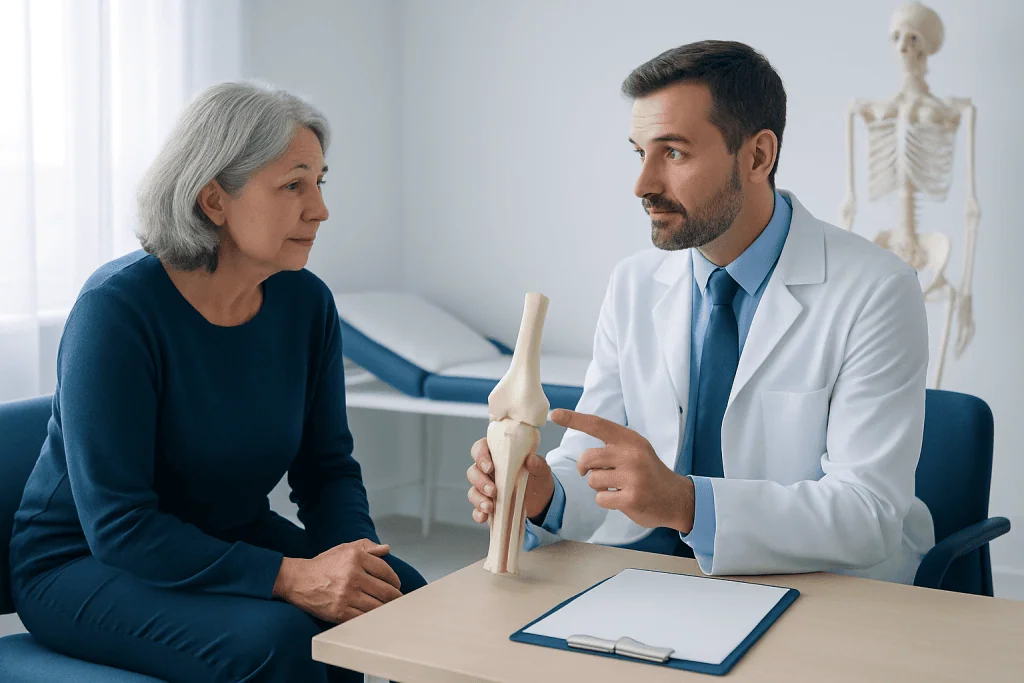
An orthopedic doctor is usually the best first specialist for pain that seems related to the joint structure itself. This includes suspected ligament tears, tendon injuries, cartilage damage, sports injuries, joint degeneration, fractures, or pain that gets worse with movement and use. Orthopedists commonly assess conditions such as osteoarthritis and may recommend imaging, rehabilitation, injections, or surgery when needed.
A rheumatologist is often the better choice when pain affects multiple joints, especially if there is swelling, warmth, prolonged morning stiffness, fatigue, skin rash, or a personal or family history of autoimmune disease. Rheumatologists diagnose and treat inflammatory conditions such as rheumatoid arthritis, lupus-related joint symptoms, gout, and other systemic disorders.
Sports medicine doctors may help active adults, athletes, or anyone with overuse injuries related to exercise or repetitive movement. A physical medicine and rehabilitation specialist can be helpful for persistent pain affecting function, posture, gait, or recovery after injury. Physiotherapists also play an important role in strengthening, movement retraining, and improving mobility once a diagnosis is clear.
If a person is unsure where to start, a primary care doctor can help direct the next step. In many cases, care is shared between specialists. For example, an orthopedist may diagnose a structural knee problem, while rehabilitation professionals guide recovery. If surgery is considered, treatments such as knee replacement or hip replacement may be discussed only after careful evaluation and when simpler measures have not provided enough relief.
Common Causes and Risk Factors for Joint Pain
Joint pain has many possible causes, and understanding them helps explain why different specialists may be involved. One of the most common reasons is osteoarthritis, a wear-related condition in which cartilage gradually breaks down. This can lead to pain, stiffness, grinding, and reduced movement, especially in the knees, hips, hands, and spine.
Injuries are another major cause. Sprains, ligament tears, tendon inflammation, meniscus injuries, dislocations, and fractures may all present as joint pain. These problems often follow a fall, twisting movement, direct impact, repetitive strain, or sudden increase in activity. Sports, physically demanding work, and poor training technique may increase risk.
Inflammatory and autoimmune diseases can also affect joints. Conditions such as rheumatoid arthritis may cause pain, swelling, warmth, and morning stiffness that lasts longer than expected. Crystal-related conditions such as gout can trigger sudden, very painful attacks. Less commonly, infection in a joint can cause rapid swelling, severe pain, redness, and fever, requiring urgent care.
Risk factors vary by cause but may include older age, previous injury, obesity, repetitive joint loading, family history, certain autoimmune conditions, poor muscle strength, and some metabolic disorders. In some people, joint pain may actually come from nearby structures such as the spine, muscles, or nerves rather than the joint itself.
How Doctors Diagnose the Cause of Joint Pain
Diagnosis begins with a detailed medical history. The doctor will usually ask when the pain started, which joint is involved, whether it followed an injury, what makes it better or worse, and whether there is swelling, stiffness, fever, rash, or pain in other joints. This information often gives important clues about whether the problem is mechanical, inflammatory, or referred from another area.
A physical examination is the next step. The doctor may check the joint’s range of motion, alignment, tenderness, swelling, warmth, strength, stability, and how the person walks or uses the limb. Comparing one side with the other can help identify subtle differences. In some cases, examining the spine, nerves, and nearby muscles is equally important.
Imaging tests may be used when needed. X-rays can show fractures, alignment changes, and signs of arthritis. Ultrasound can help assess fluid, tendons, and soft tissues. MRI is useful when cartilage, ligaments, meniscus, bone marrow, or other soft tissue structures need closer review. Blood tests may be ordered if inflammatory arthritis, infection, gout, or autoimmune disease is suspected.
Sometimes the best approach is not to rely on one test alone, but to combine the history, examination, and targeted investigations. This helps avoid unnecessary procedures and supports a treatment plan that fits the actual cause of pain rather than only the symptom.
Treatment Options: From Conservative Care to Surgery
Treatment depends on the diagnosis, severity of symptoms, and how much daily life is affected. Many causes of joint pain improve with conservative care. This may include temporary activity modification, rest from aggravating movements, ice or heat, supportive bracing in selected cases, and medicines recommended by a doctor to reduce pain or inflammation.
Physiotherapy is often a key part of treatment. It can help improve strength, flexibility, balance, joint stability, and movement patterns. For many people with knee, shoulder, hip, or ankle pain, a structured rehabilitation plan is one of the most effective ways to reduce symptoms and restore function. Weight management may also help if excess load on weight-bearing joints is contributing to pain.
Some patients benefit from targeted injections or procedures when symptoms continue despite initial measures. If there is significant structural damage, mechanical locking, advanced arthritis, or severe loss of function, surgery may be considered. Depending on the problem, options might include arthroscopic surgery or a shoulder surgery procedure for carefully selected conditions.
At the end of the treatment pathway, the best plan is individualized. A multidisciplinary approach may be helpful, especially when pain has several contributing factors. Near this stage of care, Acibadem International’s multidisciplinary specialists in JCI-accredited hospitals diagnose and treat joint conditions for international patients when specialist assessment is needed.
Self-Care, Prevention, and When to See a Doctor
Not all joint pain can be prevented, but some simple habits may lower the risk of future problems. Regular low-impact exercise, muscle strengthening, good footwear, safe lifting technique, and gradual progression in sports or training can protect joints. Warm-up routines and recovery days may help reduce overuse injuries.
For people with occasional mild joint discomfort, early self-care may include reducing painful activities for a short time, using cold packs after strain, and maintaining gentle movement to avoid stiffness. Long periods of complete inactivity are usually not ideal unless a doctor advises it for a specific injury. A balanced body weight can also reduce stress on the knees, hips, and ankles.
Medical review is important if joint pain lasts more than a few weeks, keeps returning, limits daily activities, or is associated with swelling, instability, or reduced motion. It is also wise to seek assessment if several joints are painful, if symptoms are worse in the morning, or if there are features suggesting inflammation or autoimmune disease.
Urgent care is needed for severe injury, obvious deformity, inability to use the limb, fever with a hot swollen joint, or sudden rapidly worsening symptoms. Timely evaluation helps identify whether an orthopedic doctor, rheumatologist, or another specialist is the most appropriate next step.
Frequently asked questions
Is a bone doctor the same as an orthopedic doctor?
In everyday language, many people use “bone doctor” to mean an orthopedic doctor. Orthopedists treat not only bones, but also joints, cartilage, ligaments, tendons, and related musculoskeletal problems.
Should joint pain be seen by an orthopedist or a rheumatologist?
It depends on the likely cause. An orthopedist is often the right choice for injury, wear-and-tear arthritis, instability, or movement-related pain, while a rheumatologist is more appropriate for inflammatory, autoimmune, or multi-joint symptoms.
When should someone see a specialist for joint pain?
A specialist should be considered when pain lasts more than a few weeks, keeps returning, or affects walking, sleep, work, or daily activities. Prompt assessment is also important for swelling, deformity, fever, severe pain, or inability to bear weight.
Can a primary care doctor help first?
Yes. A primary care doctor can assess common causes of joint pain, start basic treatment, and arrange tests or referral to the most suitable specialist if needed. This can be especially helpful when the cause is not clear.
What tests are usually done for joint pain?
Doctors often begin with a medical history and physical examination. Depending on the symptoms, they may order X-rays, ultrasound, MRI, or blood tests to check for arthritis, inflammation, injury, infection, or other causes.
Does joint pain always mean arthritis?
No. Joint pain can also come from sprains, tendon problems, bursitis, overuse, cartilage injury, gout, infection, or pain referred from the back or nerves. A proper diagnosis is important because treatment differs by cause.
References
- American Academy of Orthopaedic Surgeons
- National Institute of Arthritis and Musculoskeletal and Skin Diseases
- National Health Service
- Mayo Clinic
- Arthritis Foundation
This article is for general information only and is not a substitute for professional medical advice. Please consult a qualified doctor about your individual situation.
Joint and spine care in Turkey — expert assessment & treatment
JCI-accredited · board-certified surgeons · reply within 24h
Add us as a Preferred Source to see more of our trusted health content across Google Search, AI Overviews and Discover.

Orthopedics & Spine
Care for bones, joints and the musculoskeletal system, including joint replacement, sports injuries and trauma.
125 specialists in this unitMore from the Health Library



Related Specialists

Dr. Yeşfa Şebnem Özbay
Pediatrics
Assoc. Prof. Dr. Özgür Timurkaynak
Dermatology
Emre Erden
Physical Medicine & Rehabilitation
Ceyhun Cesur
Aesthetic Plastic & Reconstructive Surgery