

Bone Healing After a Fracture: Stages, Timeframes, and What Can Slow Recovery

Most fractures heal in stages over several weeks to months, not overnight. The location and severity of the break strongly affect recovery time.
Key Takeaways
- Most fractures heal in stages over several weeks to months, not overnight.
- The location and severity of the break strongly affect recovery time.
- Smoking, poor blood supply, infection, poor nutrition, and some medical conditions can delay healing.
- Following immobilization, activity, and rehabilitation advice helps support safe recovery.
- Medical review is important if pain, swelling, deformity, or loss of function does not improve as expected.
Bone healing after a fracture is a gradual process that usually moves through predictable stages, from early clot formation to remodeling of new bone. Recovery time varies by age, fracture type, overall health, and how well the injured area is protected and supported during healing.
Overview: how bone healing works
Bone healing after a fracture is the body’s natural repair process after a bone cracks or breaks. Although bones seem rigid, they are living tissue with blood vessels, cells, and a constant ability to renew themselves. When a fracture happens, the body begins repairing the injury right away.
Healing usually follows a series of overlapping stages rather than separate steps with exact dates. In the early phase, the body controls bleeding and inflammation. Later, it builds a temporary bridge of tissue and then replaces it with stronger bone. Over time, the new bone is reshaped so it can better handle everyday movement and weight.
The time needed for recovery differs from person to person. A small, stable fracture in a healthy adult may heal more quickly than a complex break, an injury involving a joint, or a fracture in someone with reduced circulation or chronic illness. Children often heal faster than adults because their bones are still growing and have a richer blood supply.
Good fracture care aims to keep the broken bone in the best position while the body repairs it. Depending on the injury, this may involve a cast, splint, brace, sling, or sometimes orthopedic surgery to restore alignment and stability.
Stages of bone healing
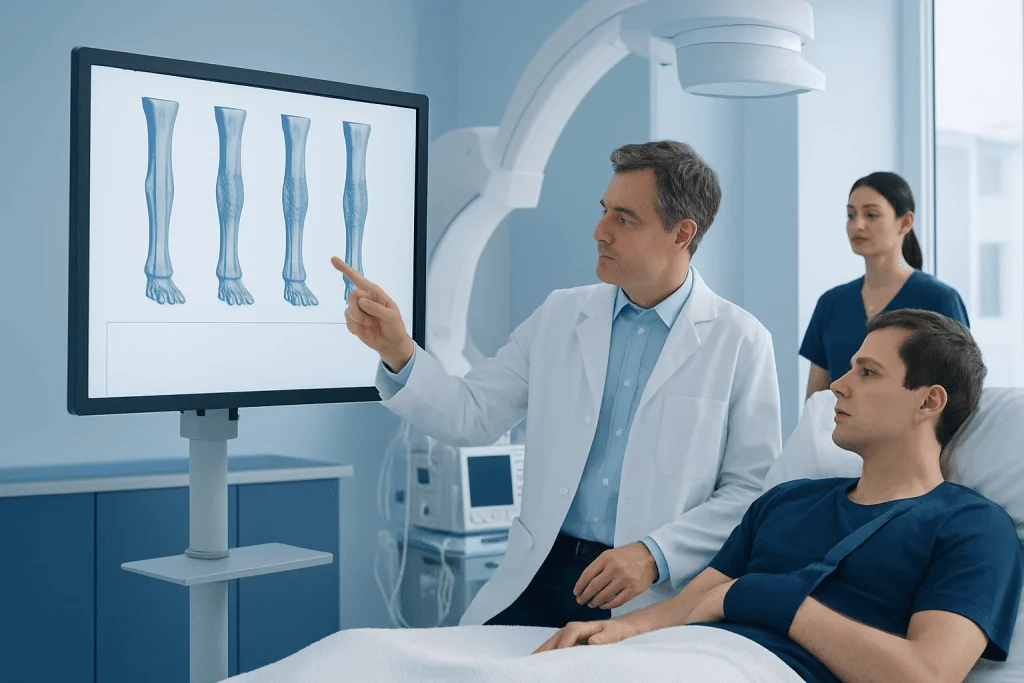
The first stage begins immediately after the fracture. Blood vessels at the break tear, causing bleeding and a blood clot, called a hematoma, to form around the injury. This clot is important because it creates the first framework for healing and attracts cells involved in repair. Swelling, tenderness, and warmth are common during this inflammatory stage.
In the next stage, the body creates a soft callus. Specialized cells clear damaged tissue, while collagen and cartilage-like material start bridging the gap between the broken ends of bone. At this point, the fracture is beginning to stabilize, but it is still not strong enough to tolerate much stress.
As healing progresses, the soft callus is gradually replaced by a hard callus made of new mineralized bone. This woven bone is stronger than the earlier tissue bridge, and the fracture becomes more solid. Imaging such as X-rays often begins to show signs of new bone formation during this phase, though timing varies by fracture type and location.
The final stage is remodeling. Over months and sometimes longer, the body reshapes the new bone, removing excess material and improving its internal structure. The bone gradually becomes better organized and stronger, often restoring function very well even after a significant injury.
How long does a broken bone take to heal?
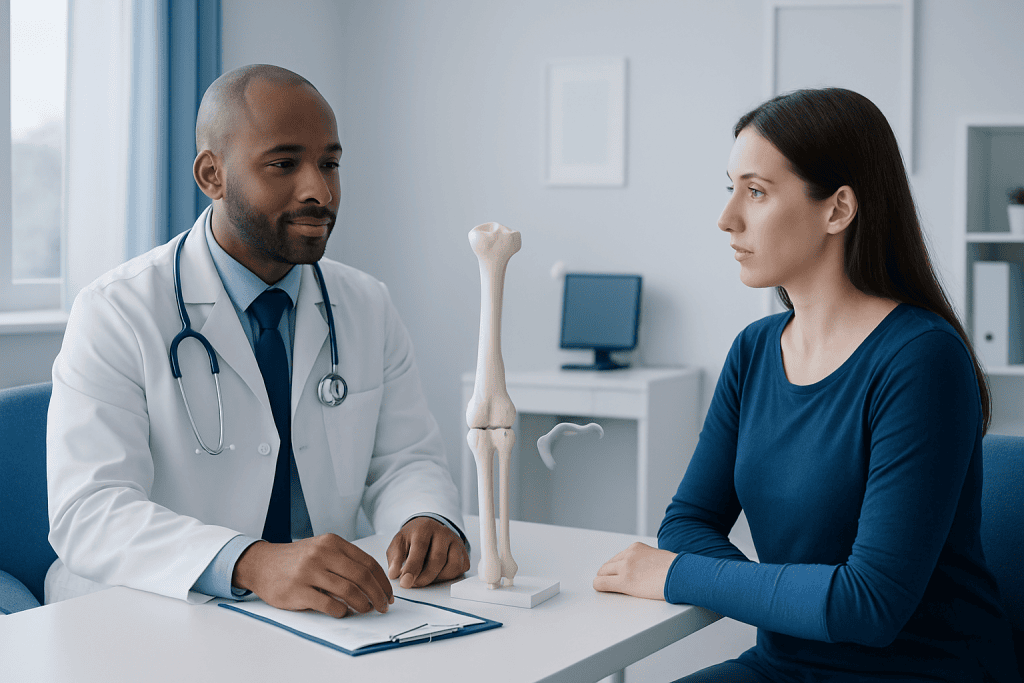
There is no single recovery time that applies to every fracture. Many uncomplicated fractures in adults begin to show meaningful healing within several weeks, but full recovery can take longer. Some small bones may recover relatively quickly, while larger bones or injuries near joints may need months of protection, follow-up, and rehabilitation.
Several factors affect how long healing takes. These include the patient’s age, the specific bone involved, whether the fracture is displaced, whether the skin was broken, and whether nearby muscles, nerves, or blood vessels were also injured. A stable fracture with good alignment often heals more smoothly than one with multiple fragments or a large gap.
The type of treatment also matters. A simple cast or brace may be enough for some injuries, while others require reduction to improve alignment or surgery to hold the bone in place. In cases where muscles, tendons, or ligaments are also affected, treatment may be more complex, and recovery may include physical therapy and rehabilitation to restore movement and strength.
It is also important to distinguish bone healing from full functional recovery. A fracture may be knitting together on X-ray while stiffness, weakness, swelling, or reduced confidence in movement continue for longer. This is one reason follow-up care is important even when pain is starting to improve.
What can slow bone healing?
Several factors can delay bone healing or make it less predictable. Smoking is one of the best-known examples because it reduces blood flow and oxygen delivery to healing tissue. Poor nutrition can also interfere with recovery, especially if the body is not getting enough protein, calcium, vitamin D, and other nutrients needed for tissue repair.
Some medical conditions can slow healing as well. Diabetes, circulation problems, osteoporosis, hormonal disorders, and chronic inflammatory disease may affect the body’s ability to rebuild bone. Certain medicines, such as long-term corticosteroids, may also interfere with bone strength and repair. If a person has a known bone health problem such as osteoporosis, the medical team may address this alongside the fracture.
The injury itself may create challenges. Open fractures, crushed bone, infection, poor alignment, repeated movement at the fracture site, and limited blood supply can all slow progress. Some bones naturally heal more slowly than others, especially when blood flow is less robust.
Doctors may watch for delayed union, when a fracture is healing more slowly than expected, or nonunion, when healing does not progress adequately. These situations do not always mean permanent problems, but they do require reassessment. The care plan may need changes such as better immobilization, treatment of infection, nutritional support, or a more advanced orthopedic approach.
Symptoms during healing and signs of a problem
During normal healing, pain, swelling, bruising, and reduced movement are expected at first and usually improve gradually. The injured area may remain tender for some time, and stiffness after being in a cast or brace is common. Mild changes in activity tolerance are also expected as strength and confidence return.
Some symptoms deserve closer attention. Worsening pain after initial improvement, increasing swelling, new numbness, color changes in the fingers or toes, drainage, fever, or a foul smell from a cast or wound may suggest a complication. A cast that feels too tight or too loose should also be reviewed promptly.
If the broken bone does not seem to be recovering, there may be ongoing pain with weight bearing or use, persistent deformity, or little improvement in function over time. In some cases, a nearby joint remains stiff or painful because of associated soft tissue injury. Problems such as severe sprains, tendon damage, or joint osteoarthritis may also affect long-term comfort after a fracture around a joint.
Patients should not assume that all lingering discomfort means something is wrong, but they should mention persistent or changing symptoms at follow-up visits. Regular review helps the doctor distinguish expected healing from issues that need treatment.
How doctors diagnose and monitor fracture healing
Diagnosis begins with a medical history and physical examination. The doctor asks how the injury happened, where the pain is, whether the patient can move or bear weight, and whether there are warning signs such as numbness or an open wound. The physical examination looks for swelling, tenderness, deformity, circulation, and nerve function.
X-rays are the main test used to confirm most fractures and monitor healing over time. They can show the location of the break, whether the bone is aligned, and whether new bone is forming. Follow-up X-rays are often taken at intervals to see if the fracture is stable and progressing as expected.
Sometimes additional imaging is helpful. CT scans may give more detail for complex fractures, especially around joints, while MRI can help evaluate soft tissue injuries or fractures that are hard to see on standard X-rays. If healing is delayed, the doctor may also look for factors such as infection, poor blood supply, or underlying bone weakness.
Blood tests are not needed for every fracture, but they may be used when doctors suspect nutritional deficiency, inflammation, infection, or metabolic bone disease. In people with repeated fractures or low-impact breaks, bone health assessment may be important to look for causes of fragility.
Treatment options and supporting recovery
Treatment depends on the type of fracture and whether the bone is well aligned. Many fractures heal with immobilization using a cast, splint, brace, or sling. This reduces movement at the fracture site so the body can build a stable callus. Elevation, rest, and appropriate pain management are often part of early care.
Some fractures need a procedure to reposition the bone, called reduction, before immobilization. More complex fractures may require surgery if the bone is unstable, displaced, involves a joint surface, or is unlikely to heal well in position. Surgical options may use plates, screws, rods, pins, or external fixation to hold the bone while it repairs.
Rehabilitation becomes more important as healing progresses. Gentle, medically guided movement helps reduce stiffness and support circulation. Later, strengthening, balance work, and a gradual return to daily activity help restore function. When needed, sports injury treatment or structured rehabilitation can support a safe return to activity.
Good nutrition is part of treatment, too. A balanced diet with enough protein, calcium, vitamin D, and overall calories supports tissue repair. Doctors may also review medicines, smoking, alcohol use, and underlying health conditions that could interfere with healing. Near the end of recovery, some international patients may seek specialist follow-up at Acibadem International, where multidisciplinary teams in JCI-accredited hospitals evaluate and treat fracture-related problems.
Prevention, self-care, and when to see a doctor
While not all fractures can be prevented, bone health and injury prevention can reduce risk. Regular weight-bearing exercise, muscle strengthening, good balance, and adequate calcium and vitamin D intake help support stronger bones. Fall prevention is especially important for older adults, including safe footwear, vision checks, home safety measures, and review of medicines that may cause dizziness.
After a fracture, self-care matters. Patients should follow instructions about using a cast or brace, keeping weight off the injured area if advised, and attending follow-up appointments. They should avoid smoking, eat well, and ask before returning to sports, heavy lifting, or driving. Trying to do too much too soon may disrupt healing.
Medical review is important if pain is severe, the limb looks deformed, the person cannot use the injured area, or there is numbness, bluish skin, or signs of poor circulation. Patients should also seek medical help for fever, increasing redness, drainage, or worsening pain after initial improvement, as these may signal infection or another complication.
Even after the bone heals, some people benefit from assessment of future fracture risk, especially after a low-impact injury. If a fracture happened after a minor fall or without major trauma, the doctor may investigate bone fragility and discuss steps to protect long-term bone health.
Frequently asked questions
What are the stages of bone healing after a fracture?
Bone healing usually begins with bleeding and inflammation, followed by formation of a soft callus that bridges the fracture. This is then replaced by harder new bone, and finally the bone remodels over time to improve strength and shape. These stages often overlap rather than happening in strict sequence.
How long does a broken bone usually take to heal?
Healing time varies widely depending on the bone, the severity of the fracture, age, and general health. Many uncomplicated fractures show clear progress within weeks, but full healing and recovery of strength or movement may take months. A doctor can give a more accurate estimate based on imaging and follow-up exams.
Can a fracture heal more slowly than expected?
Yes. Delayed healing can happen when there is poor blood supply, smoking, infection, poor alignment, repeated stress on the fracture, or certain medical conditions. Slower healing does not always mean the bone will not recover, but it does mean the treatment plan may need review.
Does pain mean the bone is not healing?
Not necessarily. Some pain, tenderness, and stiffness are common during recovery, especially when activity increases or a cast is removed. However, worsening pain after improvement, severe pain, or pain with other symptoms such as swelling, fever, or numbness should be checked by a doctor.
What helps bone healing after a fracture?
Helpful steps include protecting the fracture, following medical advice about activity, eating a nutritious diet, and avoiding smoking. Attending follow-up visits is also important because doctors need to confirm that the bone is healing in good position. Rehabilitation may help restore movement and strength as recovery progresses.
Can vitamins or supplements speed up fracture healing?
Supplements may help if a person has a deficiency, especially in nutrients such as vitamin D or calcium. However, they do not replace proper fracture care, and taking more than needed is not always beneficial. A doctor can advise whether testing or supplementation is appropriate.
References
- American Academy of Orthopaedic Surgeons
- National Institute of Arthritis and Musculoskeletal and Skin Diseases
- National Health Service
- Mayo Clinic
- MedlinePlus
This article is for general information only and is not a substitute for professional medical advice. Please consult a qualified doctor about your individual situation.
Joint and spine care in Turkey — expert assessment & treatment
JCI-accredited · board-certified surgeons · reply within 24h
Add us as a Preferred Source to see more of our trusted health content across Google Search, AI Overviews and Discover.

More from the Health Library



Related Specialists

Assoc. Prof. Dr. Seher Tanrıkulu
Endocrinology
Dr. Nurşat Erdemli
Pediatrics
Dt. Selen Burçak Şimşek
Oral & Dental Health
Dt. Oğuzhan Hakan Özdemir
Oral & Dental Health