Bone Marrow Transplant: Autologous and Allogeneic Stem Cell Transplant Explained

Bone marrow transplant uses blood-forming stem cells to restore healthy blood and immune cell production. Autologous transplant uses a patient’s own stem cells, while allogeneic transplant uses stem cells from a donor.
Key Takeaways
- Bone marrow transplant uses blood-forming stem cells to restore healthy blood and immune cell production.
- Autologous transplant uses a patient’s own stem cells, while allogeneic transplant uses stem cells from a donor.
- The transplant process usually includes evaluation, stem cell collection, conditioning treatment, stem cell infusion, engraftment, and close follow-up.
- Possible complications include infection, low blood counts, organ side effects, relapse, and, in allogeneic transplant, graft-versus-host disease.
- Recovery is gradual and requires infection prevention, medication adherence, nutrition support, vaccinations, and regular monitoring by the transplant team.
A bone marrow transplant, also called a hematopoietic stem cell transplant, replaces or restores blood-forming stem cells after intensive treatment or bone marrow disease. The two main types, autologous and allogeneic transplant, differ in where the stem cells come from and in their benefits, risks, and recovery process.
Overview
A bone marrow transplant is a treatment that replaces or restores the body’s blood-forming stem cells. These cells are also called hematopoietic stem cells. They normally live in the bone marrow, the soft tissue inside certain bones, and they develop into red blood cells, white blood cells, and platelets.
Today, many transplants use stem cells collected from the bloodstream rather than directly from the bone marrow. For this reason, the medical term hematopoietic stem cell transplant is often used. Patients may still hear the term bone marrow transplant because it is widely recognized and describes the same general treatment approach.
A transplant may be recommended for certain blood cancers, immune system disorders, inherited bone marrow failure syndromes, or conditions in which the marrow does not make healthy blood cells. It is a complex treatment, but it follows a structured plan: careful assessment, preparation, stem cell collection or donor selection, conditioning therapy, stem cell infusion, and recovery with close monitoring.
Autologous and Allogeneic Transplant: What Is the Difference?
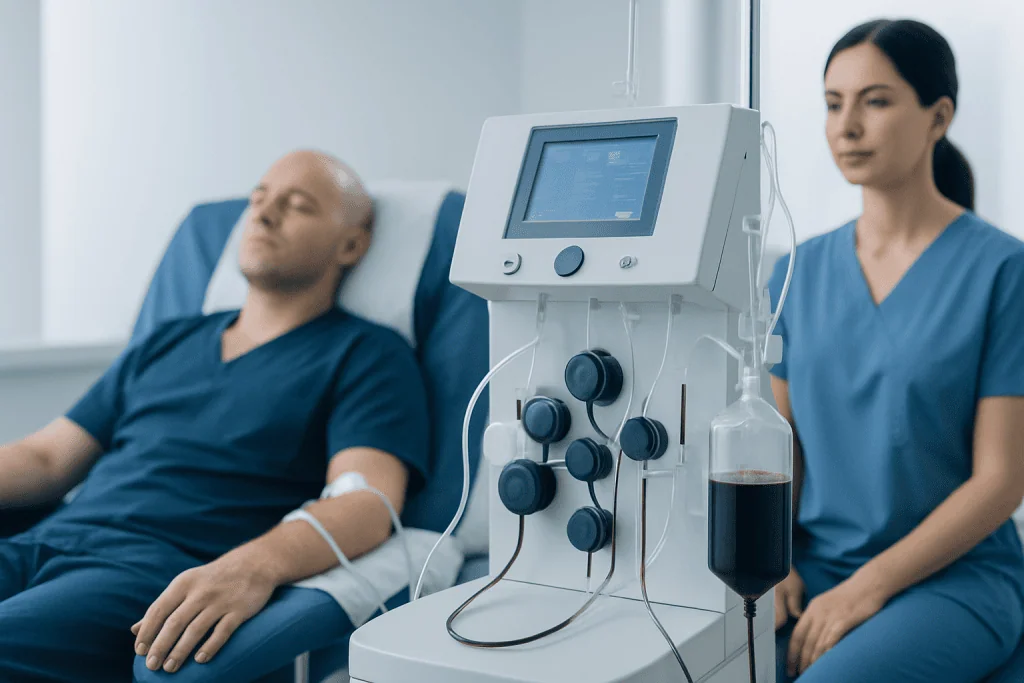
The two main types of bone marrow transplant are autologous and allogeneic. In an autologous stem cell transplant, the patient’s own stem cells are collected, stored, and later returned after high-dose treatment. This approach is commonly used for conditions such as multiple myeloma and some lymphomas, where intensive therapy can help control disease but also temporarily damages the bone marrow.
In an allogeneic stem cell transplant, the stem cells come from another person. The donor may be a matched sibling, an unrelated volunteer donor, a partially matched family member, or umbilical cord blood, depending on the patient’s situation and donor availability. Donor matching is based mainly on human leukocyte antigen, or HLA, markers, which help the immune system recognize what belongs in the body.
The key difference is that autologous transplant does not create a new immune system from a donor, while allogeneic transplant does. This donor immune system can help attack remaining cancer cells, known as a graft-versus-tumor effect. However, allogeneic transplant also carries a specific risk called graft-versus-host disease, in which donor immune cells may attack the patient’s healthy tissues.
Who May Need a Bone Marrow Transplant?

A transplant may be considered when a disease affects the bone marrow directly, when treatment needs to be strong enough to severely suppress marrow function, or when replacing the immune system may help control disease. The decision depends on the diagnosis, disease stage, response to previous treatment, general health, organ function, age, donor options, and the expected balance of benefit and risk.
Common reasons for considering stem cell transplant include certain leukemias, lymphomas, multiple myeloma, myelodysplastic syndromes, aplastic anemia, some inherited immune deficiencies, and selected metabolic or genetic disorders. In some conditions, transplant is part of standard treatment; in others, it is considered only if the disease is high risk, relapsed, or resistant to other therapies.
The transplant team usually includes hematologists, oncologists, transplant nurses, infectious disease specialists, pharmacists, dietitians, psychologists, rehabilitation professionals, and social workers. This multidisciplinary evaluation is important because transplant affects not only the disease but also nutrition, fertility, emotional wellbeing, daily life, and long-term follow-up needs.
How the Transplant Process Works
The process begins with a detailed pre-transplant evaluation. This may include blood tests, bone marrow examination, imaging, heart and lung tests, kidney and liver assessment, infection screening, dental review, and discussion of fertility preservation when relevant. The goal is to confirm that transplant is appropriate and to reduce avoidable risks before treatment begins.
Stem cell collection depends on the transplant type. For autologous transplant, the patient usually receives medicines that move stem cells from the marrow into the blood, followed by a collection procedure called apheresis. For allogeneic transplant, the donor undergoes a similar collection process in many cases, although bone marrow donation from the pelvic bones may be used in selected situations. Cord blood units are collected and stored after birth and can be used later if suitable.
Before the stem cells are infused, patients receive conditioning treatment. This may involve chemotherapy, radiation therapy, or both. Conditioning helps make room in the marrow, treats remaining disease, and, in allogeneic transplant, suppresses the immune system to help donor cells take hold. The stem cell infusion itself is usually given through a central venous catheter, similar to a blood transfusion, and is not a surgical procedure.
After infusion, the new stem cells travel to the marrow and begin making blood cells. This is called engraftment. During the waiting period, blood counts are low, so patients need careful monitoring, transfusion support, infection prevention measures, and medicines to manage side effects. The early hospital stay or outpatient monitoring schedule varies according to the transplant type and the patient’s condition.
Benefits, Risks, and Possible Complications
The potential benefit of transplant is that it may restore healthy blood production, allow higher-intensity therapy, or provide a new immune system that can help control disease. For some patients, transplant offers an important treatment option when other therapies are unlikely to provide durable control. However, it is not the right choice for everyone, and the expected benefit must always be weighed against possible complications.
Early side effects can include fatigue, nausea, mouth sores, appetite changes, hair loss, diarrhea, skin changes, low blood counts, and increased risk of infection. Some patients need blood or platelet transfusions, intravenous fluids, nutrition support, or medications for pain and nausea. Organ side effects involving the liver, kidneys, lungs, heart, or nervous system are less common but are carefully monitored.
Allogeneic transplant has additional immune-related risks. Graft-versus-host disease, or GVHD, can affect the skin, digestive tract, liver, eyes, mouth, lungs, or other organs. It may be acute or chronic. Preventive medicines are commonly used, and treatment is available if GVHD occurs. There is also a risk that the graft may not grow well, that infections may occur while immunity is rebuilding, or that the original disease may return.
Long-term follow-up is essential after both autologous and allogeneic transplant. Patients may need monitoring for hormonal changes, fertility issues, bone health, cataracts, heart or lung effects, secondary cancers, emotional health, and immune recovery. Many late effects can be managed more effectively when they are identified early through scheduled follow-up visits.
Recovery and Self-Care After Transplant
Recovery after bone marrow transplant is gradual. Blood counts may improve within weeks, but immune system recovery can take months or longer, especially after allogeneic transplant. Patients often feel tired, weaker than usual, and emotionally vulnerable during this period. A clear care plan, realistic expectations, and family or caregiver support can make recovery more manageable.
Self-care focuses on reducing infection risk and supporting healing. Patients are usually advised to wash hands often, avoid close contact with people who are ill, follow food safety guidance, care for the central line if still present, and take prescribed medicines exactly as directed. The transplant team will explain which activities, foods, pets, travel, work, and social situations are safe at each stage of recovery.
- Attend all follow-up appointments and laboratory checks.
- Report fever or new symptoms promptly, according to the transplant team’s instructions.
- Use only medicines, supplements, or herbal products approved by the doctor.
- Maintain gentle physical activity as recommended to rebuild strength.
- Follow the recommended vaccination schedule after immune recovery begins.
Nutrition, sleep, skin care, oral care, and emotional support are also important. Some patients benefit from physiotherapy, counseling, fertility consultation, or support groups. Returning to school, work, exercise, and travel should be planned with the medical team because timing depends on blood counts, immunity, complications, and the type of transplant.
When to See a Doctor and Questions to Ask
Patients should seek medical advice promptly if they develop fever, chills, shortness of breath, chest pain, uncontrolled vomiting or diarrhea, bleeding, severe headache, confusion, painful urination, new rash, yellowing of the skin or eyes, or any sudden change in condition. After transplant, even mild symptoms may need early evaluation because the immune system may not respond in the usual way.
Before transplant, it is helpful to ask the care team why transplant is recommended, whether autologous or allogeneic transplant is being considered, what alternatives exist, what the expected hospital or outpatient plan will be, and what short- and long-term risks apply to the individual situation. Patients may also want to ask about fertility preservation, caregiver needs, costs and logistics, vaccination plans, and follow-up after returning home.
International patients may need coordinated planning for donor testing, medical records, travel timing, accommodation, translation, and post-transplant follow-up with local doctors. Acibadem International’s multidisciplinary specialists and JCI-accredited hospitals diagnose and treat transplant-related conditions for international patients, with care planning tailored to the medical indication and individual needs.
Frequently asked questions
Is a bone marrow transplant the same as a stem cell transplant?
In most modern medical use, yes. A bone marrow transplant is a type of hematopoietic stem cell transplant, meaning it uses blood-forming stem cells. These cells may come from bone marrow, circulating blood, or umbilical cord blood.
Is the transplant infusion painful?
The stem cell infusion itself is usually not painful and is given through a vein, often through a central venous catheter. It is similar to receiving a blood transfusion. Side effects, if they occur, are usually monitored closely during and after the infusion.
How long does recovery take after a bone marrow transplant?
Early blood count recovery often takes several weeks, but full recovery is more gradual. Energy, appetite, strength, and immune function may take months to improve, and allogeneic transplant recovery can be longer. The transplant team will provide an individualized timeline based on progress and complications.
What is graft-versus-host disease?
Graft-versus-host disease, or GVHD, can occur after an allogeneic transplant when donor immune cells react against the patient’s healthy tissues. It may affect areas such as the skin, digestive system, liver, mouth, eyes, or lungs. Preventive medicines and treatments are available, and early reporting of symptoms is important.
Can a person have children after a bone marrow transplant?
Some conditioning treatments can affect fertility, sometimes permanently. Patients who may want children in the future should discuss fertility preservation before treatment begins whenever possible. Options depend on age, diagnosis, urgency of treatment, and individual medical factors.
Will vaccinations be needed after transplant?
Many patients need to repeat certain vaccinations after immune recovery because previous immunity may be reduced or lost. The schedule depends on the transplant type, immune function, medications, and local guidelines. Live vaccines are generally avoided until a doctor confirms they are safe.
References
- European Society for Blood and Marrow Transplantation
- National Cancer Institute
- American Society of Hematology
- National Marrow Donor Program
- Center for International Blood and Marrow Transplant Research
This article is for general information only and is not a substitute for professional medical advice. Please consult a qualified doctor about your individual situation.
Bone Marrow Transplant in Turkey — costs, top hospitals & a free quote
JCI-accredited · board-certified surgeons · reply within 24h
Add us as a Preferred Source to see more of our trusted health content across Google Search, AI Overviews and Discover.

Organ Transplantation
Kidney, liver and bone-marrow transplantation programs with dedicated coordination.
4 specialists in this unit