Bone Marrow Transplant Donor: Procedure, Recovery and Results

Most donations collect blood-forming stem cells from the bloodstream rather than directly from bone marrow. Donors undergo health screening and compatibility testing before donation is approved.
Key Takeaways
- Most donations collect blood-forming stem cells from the bloodstream rather than directly from bone marrow.
- Donors undergo health screening and compatibility testing before donation is approved.
- Peripheral blood stem cell donation commonly causes temporary flu-like aches; marrow harvest may cause pelvic or lower-back soreness.
- Recovery is usually measured in days to a few weeks, while the body replaces donated cells over time.
- For recipients, the earliest post-transplant period requires close monitoring for infection, bleeding, and transplant-related complications.
A bone marrow transplant donor provides healthy blood-forming stem cells to help a recipient rebuild their immune system and blood production after serious disease or intensive treatment. Donation is carefully screened and monitored, and most donors recover fully, although the method used affects the recovery experience.
Bone Marrow Transplant Donor: How Donation Works
A bone marrow transplant donor is a person who gives blood-forming stem cells for someone who needs a hematopoietic stem cell transplant. These stem cells can restore the recipient’s ability to make healthy blood cells after diseases such as leukemia, lymphoma, aplastic anemia, inherited blood disorders, or after high-dose cancer treatment. Despite the common name, donation does not always involve taking marrow from a bone.
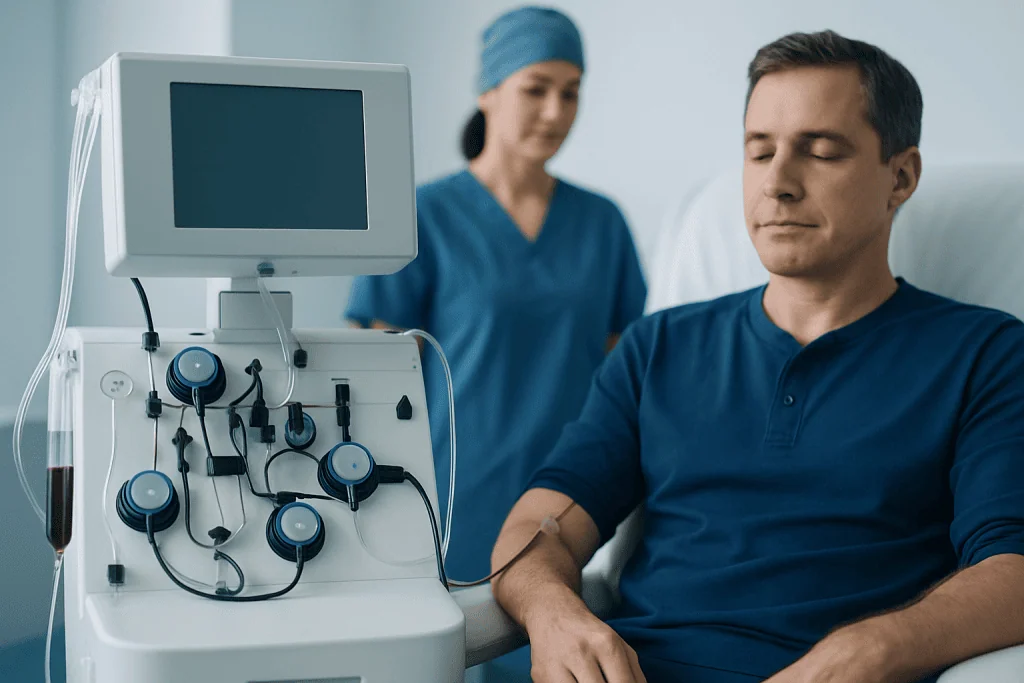
There are two main ways to collect donor stem cells. The most common method is peripheral blood stem cell donation (PBSC), in which medication given before collection encourages stem cells to move from the marrow into the bloodstream. Blood is then passed through an apheresis machine that separates and collects the needed cells before returning the rest of the blood to the donor.
In a bone marrow harvest, a surgical team collects liquid marrow from the back of the pelvic bones while the donor is under anesthesia. The body naturally replaces the donated marrow. The transplant team selects the collection method based on the recipient’s condition, the donor’s health, and the type of transplant planned. For recipients, bone marrow transplantation is a specialized process involving hematology, oncology, laboratory medicine, infectious disease care, and supportive services.
Who Can Be a Bone Marrow Transplant Donor?
Potential donors are assessed for both safety and compatibility. A close relative, especially a sibling, may be tested first because genetic matching within families can be more likely. However, many patients receive cells from unrelated volunteer donors or, in selected situations, from cord blood. The best match is determined largely by human leukocyte antigen (HLA) testing, which examines markers used by the immune system to recognize cells.
Eligibility criteria vary by donor registry, country, and donation center. In general, a donor should be in good overall health and able to safely undergo either apheresis or anesthesia. The assessment may include medical history, physical examination, blood tests, infectious disease screening, and a review of medications, travel, pregnancy status, and past medical conditions.
Not everyone who is a genetic match will be able to donate. Some illnesses, active infections, certain treatments, or health concerns can make donation unsuitable or require postponement. The donor’s wellbeing remains important throughout the process; they may ask questions, seek independent medical advice, or withdraw consent before collection, although late withdrawal can be medically difficult for a recipient who has already begun conditioning treatment.
Step by Step: The Donor Procedure

After matching and initial screening, the donor meets the collection team to discuss the chosen method, expected symptoms, practical arrangements, and consent. Further blood tests may be repeated close to the donation date. Donors should tell the team about any new symptoms, medicines, infections, or health changes, even if they seem minor.
For PBSC donation, the donor usually receives daily injections of a growth factor for several days before collection. This medicine increases the number of stem cells circulating in the blood. On collection day, blood is taken through a needle in one arm or through a central line if suitable veins are not available, processed by an apheresis machine, and returned through the other arm. The session often lasts several hours, and some donors need a second collection day.
For marrow harvest, the donor attends hospital for a short procedure under general anesthesia. A clinician uses hollow needles to remove marrow from several points in the back of the pelvic bones; no bone is removed. Most donors return home the same day or after an overnight stay, depending on local practice and their recovery from anesthesia. The collection team gives individualized instructions for pain relief, activity, wound care, and follow-up.
- Before donation: health checks, consent, and compatibility confirmation.
- PBSC donation: several days of preparation injections, followed by apheresis.
- Marrow harvest: anesthesia and collection from the pelvic bones in an operating setting.
- After donation: follow-up contact and medical review if symptoms persist or worsen.
How Hard Is It to Recover From Bone Marrow Donation?
For most healthy donors, recovery from bone marrow donation is manageable and temporary, but the experience differs between PBSC collection and marrow harvest. After PBSC donation, people commonly describe temporary bone, muscle, or joint aches, headache, tiredness, or mild nausea while receiving the preparation medication. These symptoms generally improve after the injections stop and the cells are collected.
During apheresis, temporary tingling around the mouth or in the hands can occur because of changes in calcium levels caused by the anticoagulant used in the machine. The collection team monitors donors and can treat symptoms promptly. Fatigue may continue for a short period after donation, and returning to normal routines may be gradual rather than immediate.
After marrow harvest, soreness and bruising around the lower back or hips are common, along with tiredness related to anesthesia and a temporary decrease in red blood cells. Many donors need several days away from strenuous activity; some may need longer before heavy physical work, sports, or demanding travel. Most return to their usual activities within a few days to a few weeks, but the donor should follow the timeline given by their own clinical team.
What Are the Downsides of Being a Bone Marrow Donor?
The main downside is short-term physical discomfort and disruption to everyday life. PBSC donors may have aches, fatigue, headache, sleep disruption, or symptoms resembling a mild viral illness during the medication phase. Apheresis can be lengthy and requires time away from work, studies, caring responsibilities, or travel.
Marrow harvest involves the additional considerations of general anesthesia, temporary pain at the collection sites, bruising, and short-term tiredness. Less commonly, donors may experience complications related to anesthesia, low blood pressure, infection, bleeding, or injury at a needle or collection site. Serious complications are uncommon, but no medical procedure is completely risk-free.
There can also be emotional aspects. Donation may bring worry, a sense of responsibility for the recipient, or disappointment if the transplant does not achieve the hoped-for result. Donors are not responsible for the recipient’s outcome, which depends on many factors beyond the donated cells. Open discussion with the donor coordinator and access to emotional support can help donors make an informed, voluntary decision.
Recipient Recovery: What Are the Hardest Days After a Bone Marrow Transplant?
For the recipient, the hardest days are often the period after conditioning treatment and before the donated stem cells begin making enough new blood cells, known as engraftment. Conditioning may involve chemotherapy, radiation therapy, immune-suppressing medicines, or a combination of approaches. It reduces diseased cells and prepares the body to accept donor stem cells, but it also temporarily weakens normal blood production and immune defenses.
During this phase, recipients can have very low white blood cell, red blood cell, and platelet counts. They may feel extremely tired and can be vulnerable to infection, bleeding, mouth sores, nausea, diarrhea, poor appetite, and emotional stress. Hospital teams monitor blood counts closely and provide supportive care such as infection prevention, transfusions, nutrition support, pain relief, and medicines for nausea or other symptoms.
Engraftment often begins within weeks, but timing varies according to the stem cell source, transplant type, treatment plan, and individual health. Recovery continues after blood counts improve because the immune system takes time to rebuild. Leukemia and other blood cancers may be among the conditions for which a transplant is considered, but each person’s pathway and outlook are individualized.
Can You Live 20 Years After a Bone Marrow Transplant?
Yes. Many people can live for decades after a bone marrow transplant, including 20 years or longer. Long-term survival depends on why the transplant was needed, the stage and biology of the underlying disease, the recipient’s age and overall health, donor matching, response to treatment, complications, and ongoing follow-up care.
A transplant is not the same experience for every person. Some recipients recover with few long-term difficulties, while others need continuing treatment or monitoring for issues such as chronic graft-versus-host disease, infections, hormone or fertility changes, bone health concerns, cataracts, heart or lung effects, or a return of the original disease. Regular survivorship care helps identify and manage late effects early.
Long-term follow-up usually includes blood tests, vaccination planning, cancer screening, medication review, lifestyle advice, and assessment of physical and emotional wellbeing. The transplant team can explain what follow-up is appropriate for the individual and when care can be shared with local healthcare professionals.
When to Seek Medical Care
Donors should contact their donation center promptly if they develop fever, worsening pain, redness or drainage at a needle or marrow collection site, fainting, shortness of breath, persistent vomiting, unusual bleeding, or symptoms that do not improve as expected. They should also report any new illness before donation, since even a minor infection may affect whether the procedure can safely go ahead.
Recipients need urgent medical advice for fever, chills, breathing difficulty, chest pain, confusion, severe or persistent diarrhea, inability to drink fluids, uncontrolled vomiting, new rash, jaundice, bleeding, or a sudden change in how they feel. Because immune defenses may be reduced after transplant, infection symptoms can require rapid assessment even when they appear mild.
At Acibadem International, multidisciplinary specialists in JCI-accredited hospitals assess and treat people who may need stem cell transplantation and coordinate care for international patients. A qualified transplant team can provide personalized advice about donor suitability, transplant timing, recovery, and long-term monitoring.
Frequently asked questions
Is bone marrow donation painful?
Donation can cause temporary discomfort, but pain is usually managed with standard supportive care. PBSC donation more often causes short-lived aching during the preparation period, while marrow harvest can cause soreness and bruising around the pelvic area after anesthesia. The collection team explains what to expect and provides individualized recovery instructions.
Does bone marrow donation weaken the donor’s immune system?
In healthy donors, donation does not usually cause long-term weakening of the immune system. The body continues to make blood cells and replaces the donated stem cells or marrow over time. Short-term changes in blood counts may occur, and the donor team monitors recovery when appropriate.
How long does a bone marrow donor stay in hospital?
PBSC donation is commonly an outpatient procedure, although the collection itself can take several hours and may occasionally need to be repeated the next day. Marrow harvest is performed under anesthesia and may involve same-day discharge or a short hospital stay. The exact plan depends on the donor’s health, the collection method, and local clinical practice.
Can a donor choose not to donate after being matched?
Donation is voluntary, and potential donors can discuss concerns or withdraw consent. However, once a recipient has started intensive conditioning treatment, withdrawal can place them at serious medical risk because their own marrow may no longer be able to recover. For this reason, donors are encouraged to raise uncertainty as early as possible with the donor coordinator.
What is the difference between bone marrow donation and blood stem cell donation?
Blood stem cell donation collects stem cells from circulating blood using apheresis after several days of preparation injections. Bone marrow donation collects marrow directly from the pelvic bones under anesthesia. Both methods provide blood-forming cells, but the most suitable option depends on the recipient’s needs and the donor’s circumstances.
How long does it take for a recipient to recover after a bone marrow transplant?
Initial engraftment often occurs within weeks, but full recovery may take months or longer. The immune system can remain vulnerable for an extended period, and recipients need regular follow-up, medicines, vaccinations, and monitoring for complications. Recovery time varies greatly with the transplant type, underlying condition, and individual response.
References
- National Marrow Donor Program
- American Society of Hematology
- European Society for Blood and Marrow Transplantation
- National Cancer Institute
- World Health Organization
This article is for general information only and is not a substitute for professional medical advice. Please consult a qualified doctor about your individual situation.
Bone Marrow Transplant in Turkey — costs, top hospitals & a free quote
JCI-accredited · board-certified surgeons · reply within 24h
Add us as a Preferred Source to see more of our trusted health content across Google Search, AI Overviews and Discover.

Organ Transplantation
Kidney, liver and bone-marrow transplantation programs with dedicated coordination.
6 specialists in this unit