

Bone Metastases: Warning Signs, Diagnosis, and Treatment Options

Bone metastases are not a primary bone cancer; they are cancer cells that have spread to bone from another organ. Common warning signs include ongoing bone pain, fractures after minor injury, weakness, numbness, and high calcium levels.
Key Takeaways
- Bone metastases are not a primary bone cancer; they are cancer cells that have spread to bone from another organ.
- Common warning signs include ongoing bone pain, fractures after minor injury, weakness, numbness, and high calcium levels.
- Diagnosis often involves imaging tests, blood tests, and sometimes a biopsy to confirm the source and extent of disease.
- Treatment may include systemic cancer therapy, radiation therapy, surgery, and medicines that strengthen bone or lower complication risk.
- Prompt medical care is especially important for sudden severe pain, trouble walking, bowel or bladder changes, or new numbness.
Bone metastases happen when cancer cells spread from another part of the body to the bones. Early evaluation of new bone pain or related symptoms can help guide treatment, relieve discomfort, and reduce complications.
Overview of Bone Metastases
Bone metastases develop when cancer cells travel from a primary tumor elsewhere in the body and settle in bone tissue. This is different from a cancer that starts in the bone itself. Bone metastases are most often linked to cancers such as breast, prostate, lung, kidney, and thyroid cancer, although other cancers can also spread to bone.
The bones are living tissue that constantly rebuilds themselves. When cancer cells enter this environment, they can disrupt the normal balance between bone breakdown and bone formation. As a result, bones may become weaker, more painful, or more likely to fracture. In some cases, the affected bone becomes too dense but structurally abnormal, which can also increase the risk of complications.
Bone metastases may affect a single area or multiple bones. Common locations include the spine, pelvis, ribs, skull, and the long bones of the arms and legs. Some people learn they have bone metastases during follow-up for a known cancer, while others first notice symptoms such as persistent pain or a fracture that seems out of proportion to the injury.
Symptoms and Warning Signs
The most common symptom of bone metastases is bone pain. This pain may begin as an intermittent ache and gradually become more constant. It is often worse at night or with movement, and it may not improve with usual rest measures. Pain should not be ignored, especially in a person with a history of cancer.
Weak bones can lead to fractures, sometimes called pathologic fractures, which may happen with a minor fall or even normal daily activity. Bone metastases in the spine can also put pressure on the spinal cord or nerves. This may cause back pain, numbness, tingling, weakness in the arms or legs, or changes in walking.
Another possible complication is high calcium in the blood, known as hypercalcemia. When bone breaks down, calcium can be released into the bloodstream. Symptoms may include thirst, nausea, constipation, tiredness, confusion, or increased urination. Not everyone has all symptoms, and some signs are subtle at first.
- Persistent or worsening bone pain
- Fracture after a minor injury
- Back pain with numbness or weakness
- Difficulty walking or reduced mobility
- Fatigue, constipation, nausea, or confusion from high calcium
Causes and Risk Factors

Bone metastases are caused by the spread of cancer cells from a primary tumor through the bloodstream or lymphatic system. These cells can lodge in bone marrow and begin to grow. This process does not happen in every person with cancer, and the likelihood depends on the cancer type, stage, biology, and how it responds to treatment.
Cancers that more commonly spread to bone include breast, prostate, lung, kidney, and thyroid cancers. In some people, a bone lesion leads doctors to discover an underlying cancer that had not yet been diagnosed. A person with a history of breast cancer or lung cancer who develops new bone pain may need evaluation for possible spread to bone.
Risk may be higher in advanced-stage cancer, in cancers with aggressive features, or when there has already been spread to other organs. Even so, bone symptoms can have many causes besides metastases, including arthritis, osteoporosis, injury, or infection. A medical assessment is the best way to determine the cause.
How Bone Metastases Are Diagnosed
Diagnosis usually begins with a medical history and physical examination. Doctors ask about the location and pattern of pain, any history of cancer, recent injuries, weakness, numbness, and general symptoms such as fatigue or weight loss. The goal is to understand whether symptoms could be related to bone involvement or another condition.
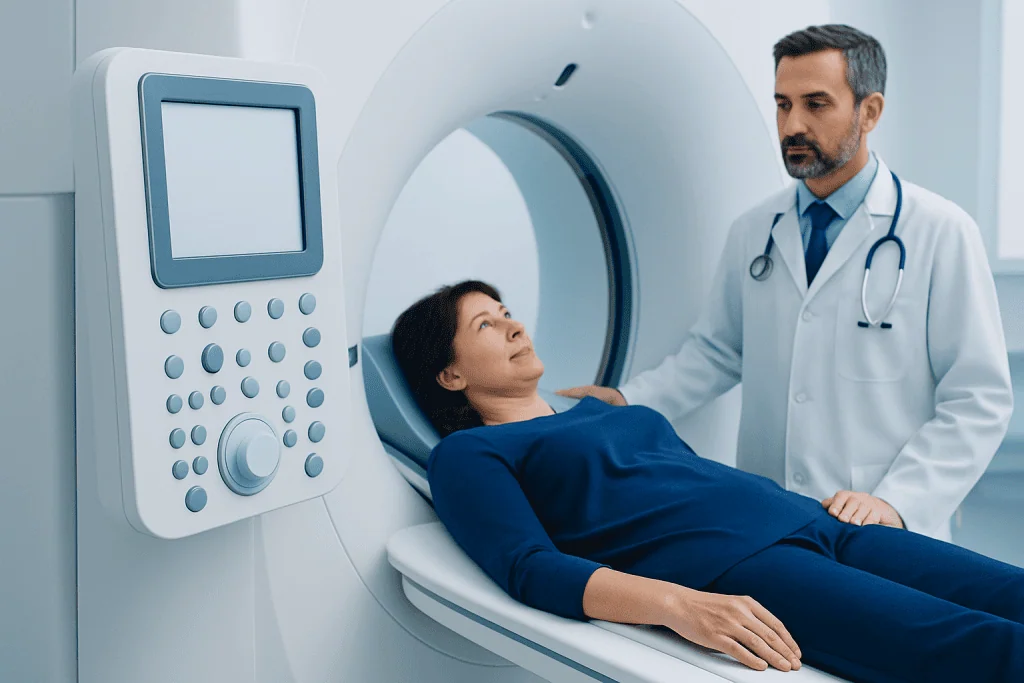
Imaging tests are central to diagnosis. X-rays may show fractures or changes in bone structure, but more detailed imaging is often needed. Bone scans, CT, MRI, and PET/CT can help identify the location, size, and number of affected areas. MRI is especially useful when spinal cord compression is a concern, while PET/CT may help assess the extent of cancer elsewhere in the body.
Blood tests may evaluate calcium levels, kidney function, and other markers of general health. Sometimes, a biopsy is recommended to confirm the diagnosis, especially if the primary cancer is unknown or if doctors need to distinguish bone metastases from another bone disorder. Diagnosis and staging often involve a multidisciplinary review by oncology, radiology, pathology, and surgical teams.
Treatment Options
Treatment for bone metastases aims to control cancer, relieve pain, protect the bones, and maintain mobility and quality of life. The best plan depends on the type of primary cancer, the number and location of bone lesions, symptoms, overall health, and previous treatments. Care often combines local treatment for the bone lesion with systemic treatment for the underlying cancer.
Systemic therapies may include chemotherapy, hormone therapy, targeted therapy, immunotherapy, or other cancer medicines, depending on the primary tumor. Local treatments include radiation therapy to reduce pain and shrink tumors in bone, and surgery when a bone is unstable or already fractured. In selected cases, orthopedic oncology care can help stabilize weakened bones, relieve pain, and improve function.
Medicines that strengthen bone, such as bisphosphonates or other bone-modifying agents, may reduce the risk of fractures and other skeletal complications. Pain management is also an important part of treatment and may include analgesic medicines, rehabilitation, and supportive care. When spinal cord compression or severe instability is suspected, urgent treatment is needed to help prevent lasting nerve damage.
Some patients may also benefit from medical oncology treatment for ongoing cancer control and personalized systemic therapy planning. Treatment is usually adjusted over time based on symptoms, imaging findings, and response to therapy.
Prevention, Self-care, and Living With Bone Metastases
Bone metastases cannot always be prevented, but regular cancer follow-up and timely reporting of new symptoms can help doctors identify problems early. For people already diagnosed with cancer, mentioning new persistent bone pain, back pain, or difficulty walking can be very important. Early treatment may lower the risk of fracture or nerve compression.
Self-care focuses on protecting the bones and maintaining daily function. Patients may be advised to avoid heavy lifting or high-impact activities if a bone is weakened. A doctor or physiotherapist can recommend safer movement, mobility aids if needed, and exercises that help preserve strength and balance without overstressing fragile bones.
Good nutrition, hydration, and medication adherence also support overall care. Some people need help managing fatigue, appetite changes, or the emotional stress of living with metastatic cancer. Supportive care, pain specialists, physical therapy, and counseling can all play a helpful role. Near the end of the care pathway, international patients may also seek evaluation at centers such as Acibadem International, where multidisciplinary specialists in JCI-accredited hospitals diagnose and treat bone metastases.
When to See a Doctor
Any person with a history of cancer should contact a doctor if they develop new, persistent, or worsening bone pain. Medical review is also important for pain that is stronger at night, pain that limits normal movement, or pain that does not improve as expected. These symptoms do not always mean bone metastases, but they deserve proper evaluation.
Urgent medical attention is needed for certain warning signs. These include sudden severe bone pain, inability to bear weight, a suspected fracture, new weakness or numbness in the legs or arms, or loss of bladder or bowel control. These symptoms may signal spinal cord compression or a serious fracture and should be treated promptly.
Symptoms of high calcium, such as severe thirst, vomiting, confusion, or unusual drowsiness, also need medical care. Quick assessment can help relieve symptoms, prevent complications, and guide the next steps in treatment.
Frequently asked questions
What are bone metastases?
Bone metastases are areas where cancer cells from another part of the body have spread to the bones. They are different from cancers that begin in bone tissue. The treatment plan is usually based on the original cancer type as well as the bone involvement.
What does bone metastasis pain feel like?
Bone metastasis pain often starts as a deep, aching discomfort and may become more constant over time. It can be worse at night or during movement. Any persistent bone pain, especially in someone with a history of cancer, should be discussed with a doctor.
Can bone metastases be the first sign of cancer?
Yes, in some cases a bone lesion, unexplained fracture, or persistent bone pain leads to the discovery of an underlying cancer. However, many non-cancer conditions can also cause bone pain. Proper imaging and medical evaluation are needed to find the cause.
How are bone metastases treated?
Treatment may include systemic cancer therapy, radiation therapy, surgery, pain control, and medicines that strengthen bone. The exact plan depends on the primary cancer, symptoms, and which bones are affected. Many patients receive care from a team that includes oncologists, radiologists, and orthopedic or spine specialists.
Are bone metastases curable?
Bone metastases are usually considered a sign of metastatic cancer, so treatment often focuses on controlling disease, relieving symptoms, and preventing complications rather than cure. That said, many people can still benefit from effective therapies that improve comfort and function. The outlook varies greatly depending on the original cancer and how it responds to treatment.
What symptoms need urgent medical attention?
Urgent symptoms include sudden severe bone pain, a possible fracture, new weakness, numbness, trouble walking, or loss of bowel or bladder control. These can be signs of spinal cord compression or unstable bone. Severe confusion, vomiting, or extreme thirst may also need urgent assessment because of possible high calcium levels.
References
- World Health Organization
- National Cancer Institute
- American Cancer Society
- National Comprehensive Cancer Network
- European Society for Medical Oncology
This article is for general information only and is not a substitute for professional medical advice. Please consult a qualified doctor about your individual situation.
Oncology care in Turkey — second opinion and treatment plan
JCI-accredited · board-certified surgeons · reply within 24h
Add us as a Preferred Source to see more of our trusted health content across Google Search, AI Overviews and Discover.

Medical Oncology Department
Medical treatment of cancer with chemotherapy, immunotherapy and targeted therapies under a multidisciplinary tumor board.
60 specialists in this unitMore from the Health Library



Related Specialists

Dr. Mustafa Aydemir
Anesthesiology
Dr. Mustafa Barış Kemahli
Cardiovascular Surgery
Prof. Dr. Osman Güven
Orthopedic Surgery & Traumatology
Dr. Elif Külahçı Aslan
Gynecology & Obstetrics