Bone Spur on Top of Foot: An Evidence-Based Guide for Patients
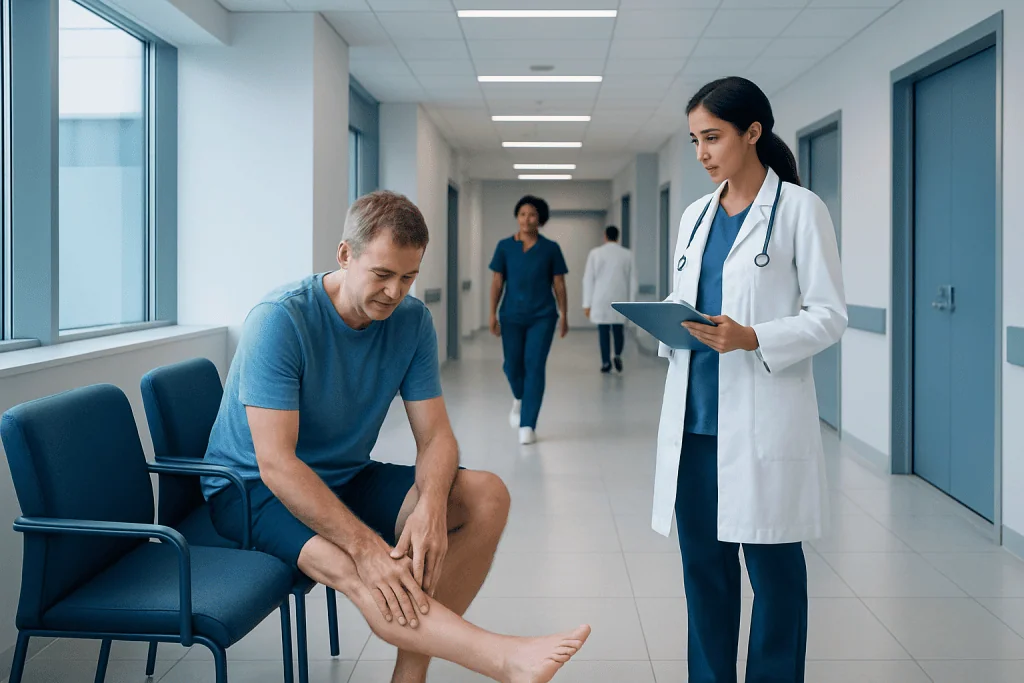
A bone spur on the top of the foot is often caused by joint irritation, osteoarthritis, or repeated friction from footwear. Pain may come from the spur itself, nearby inflammation, or pressure from shoes over the bony area.
Key Takeaways
- A bone spur on the top of the foot is often caused by joint irritation, osteoarthritis, or repeated friction from footwear.
- Pain may come from the spur itself, nearby inflammation, or pressure from shoes over the bony area.
- Diagnosis usually involves a physical exam and X-rays to confirm the location and any associated joint changes.
- Non-surgical treatment is often effective and may include footwear modification, padding, orthotics, and anti-inflammatory care.
- Surgery may be considered if symptoms persist, daily walking is affected, or the spur is linked to significant joint damage.
A bone spur on top of foot is a small extra growth of bone, often linked to joint wear, repeated pressure, or arthritis. Many cases improve with shoe changes, activity adjustment, and medical care aimed at reducing irritation and treating the underlying joint problem.
Overview: What a Bone Spur on Top of Foot Means
A bone spur on top of foot is an extra piece of bone that develops along a joint or tendon attachment, most often in the midfoot area. It is not always dangerous, and some people have a spur without symptoms. Problems usually begin when the bony prominence rubs against shoes, irritates nearby soft tissues, or develops alongside arthritis in the foot.
Patients often notice a firm bump on the top of the foot, tenderness when wearing certain shoes, or aching during walking. In some cases, the discomfort is less about the spur itself and more about inflammation in the surrounding joint, tendons, or small fluid-filled sacs that can form to protect the area from friction.
Because several conditions can cause pain on the top of the foot, an accurate diagnosis matters. A clinician may need to distinguish a bone spur from tendon inflammation, a ganglion cyst, stress injury, or other forms of arthritis affecting the foot joints.
Symptoms and How It Can Feel Day to Day
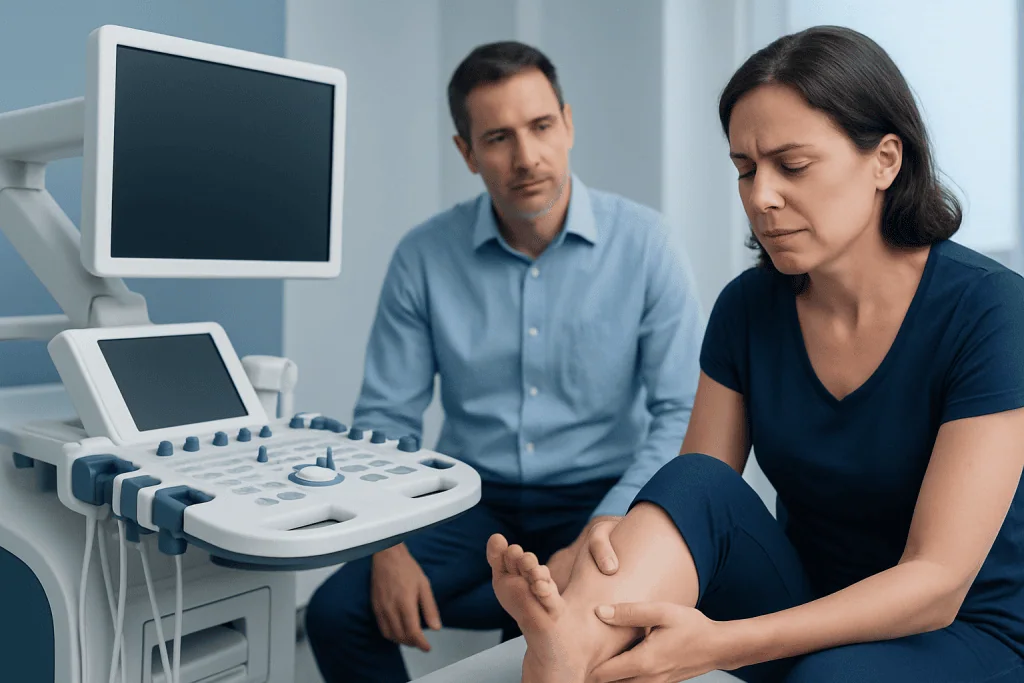
Symptoms vary depending on the size and location of the spur and whether there is underlying joint disease. Some people only notice a visible or palpable bump, while others have pain that becomes more noticeable with walking, climbing stairs, squatting, or standing for long periods.
Common symptoms include:
- A hard bump on the top of the foot
- Pain or pressure when shoes press on the area
- Swelling, redness, or tenderness over the bump
- Aching in the midfoot, especially during or after activity
- Reduced comfort in tight, stiff, or lace-up shoes
- Occasional stiffness in the affected foot joint
Symptoms may come and go. A person might feel relatively comfortable in open or soft shoes but develop pain again when returning to structured footwear. If inflammation is present, the skin over the spur can become irritated, and the area may feel more sensitive by the end of the day.
When the spur is associated with joint degeneration, there may also be stiffness or pain deeper in the foot rather than only at the bump itself. This is one reason treatment often focuses on both pressure relief and the health of the underlying joint.
Why Bone Spurs Form on the Top of the Foot
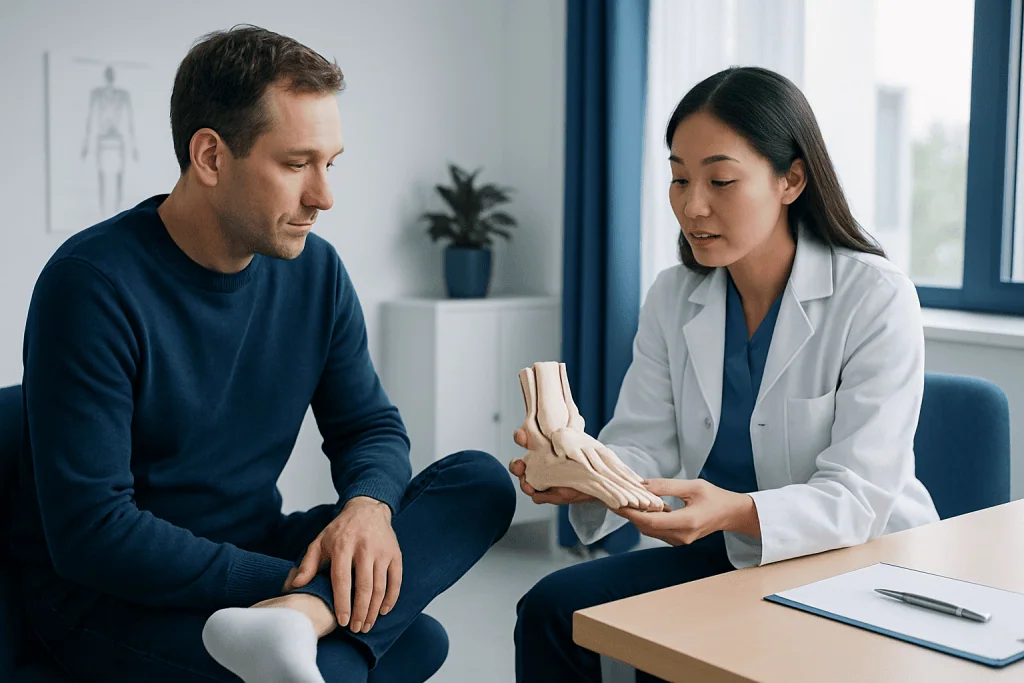
Bone spurs usually form as the body responds to stress around a joint. On the top of the foot, they often develop where the midfoot joints experience wear and tear over time. Repeated motion, abnormal pressure, or chronic inflammation can encourage new bone formation.
Common causes and risk factors include:
- Osteoarthritis and age-related joint wear
- Previous foot injury or repeated minor trauma
- Foot shape or mechanics that increase pressure on the midfoot
- Tight or poorly fitting shoes that rub the same area repeatedly
- Occupations or sports that involve prolonged standing or repetitive loading
- Inflammatory joint conditions in some patients
A spur may also form after the joint becomes unstable or irritated from long-term overuse. In these cases, the bony growth is part of a larger mechanical problem rather than an isolated finding. That is why clinicians may assess gait, footwear, and alignment during evaluation.
Not every bump on the top of the foot is a bone spur. Conditions such as a ganglion cyst, tendon sheath swelling, or flat feet-related pressure changes can create similar symptoms, so imaging and examination help clarify the cause.
How Doctors Diagnose a Top of Foot Bone Spur
Diagnosis starts with a medical history and physical examination. The doctor will ask when the bump appeared, what activities or shoes worsen symptoms, whether there has been prior injury, and whether there is stiffness or pain elsewhere in the foot. During the exam, the clinician checks the size and tenderness of the bump, foot alignment, walking pattern, and nearby joint motion.
X-rays are commonly used to confirm a bone spur and to see whether the nearby joint shows arthritic changes. This helps determine whether treatment should focus mainly on pressure relief or also on underlying joint degeneration. In many cases, plain X-rays are enough to guide care.
Additional imaging is sometimes considered if symptoms do not match the X-ray findings or if another diagnosis is possible. Ultrasound or MRI may help evaluate soft tissues, tendons, cysts, or stress injuries when needed. These tests are not necessary for every patient but can be helpful in more complex cases.
If the clinician suspects a broader structural issue in the foot, assessment by an orthopedic or foot specialist may be recommended. In some settings, imaging may be part of a wider radiology and imaging evaluation to better understand pain sources.
Treatment Options: From Footwear Changes to Surgery
Treatment depends on symptoms, the impact on walking, and whether arthritis or another joint problem is present. Many patients improve without surgery, especially when the main issue is shoe pressure over the spur. The first step is usually to reduce friction and calm inflammation.
Non-surgical options may include:
- Wearing shoes with a roomy toe box or softer upper material
- Avoiding laces or seams that press directly on the bump
- Using padding to reduce friction over the area
- Resting from activities that worsen pain
- Applying ice for short periods after activity if advised by a clinician
- Using orthotics or inserts to improve foot mechanics
- Taking doctor-approved anti-inflammatory medication when appropriate
If symptoms continue, a specialist may recommend targeted care such as custom orthotics, physical therapy, or treatment of the underlying arthritic joint. In selected patients, physical therapy and rehabilitation may help improve foot mechanics, flexibility, and activity tolerance, especially when altered gait is contributing to discomfort.
Surgery is usually reserved for persistent pain, difficulty wearing shoes, or significant joint disease that does not respond to conservative treatment. Procedures can involve removing the spur, addressing damaged joint surfaces, or correcting a related structural problem. A patient considering orthopedic surgery should discuss expected recovery, recurrence risk, and whether the underlying arthritis also needs treatment.
Self-Care, Prevention, and Living More Comfortably
Although not every bone spur can be prevented, practical steps may reduce irritation and slow worsening. The most helpful changes often involve footwear and daily activity patterns. Shoes that fit well and do not press on the top of the foot can make a meaningful difference.
Useful self-care approaches include:
- Choosing shoes with enough depth and width over the midfoot
- Replacing worn-out footwear that no longer supports the foot properly
- Using cushioned pads or tongue pads if advised by a clinician
- Modifying repetitive high-impact activities during painful periods
- Maintaining a healthy body weight to reduce foot loading
- Seeking evaluation early if pain keeps returning
People with known arthritis, prior foot injury, or biomechanical issues may benefit from periodic reassessment, especially if their usual shoes become uncomfortable. Early management can help avoid a cycle of rubbing, swelling, and worsening pain.
If an underlying condition is contributing to the spur, treatment should address that issue as well. For example, managing joint inflammation or structural strain may reduce repeated stress on the area and improve long-term comfort.
When to Seek Medical Care
Medical assessment is appropriate if a bump on the top of the foot is painful, increasing in size, or making it hard to wear normal shoes. It is also wise to seek care if the pain lasts more than a few weeks despite footwear changes and rest, or if walking becomes limited.
Prompt evaluation is especially important if there is significant swelling, redness, warmth, numbness, sudden worsening pain, or pain after an injury. These features can suggest other problems that need timely attention, such as fracture, tendon injury, infection, or a different kind of mass.
People with diabetes, poor circulation, or inflammatory joint disease should not ignore ongoing foot pain or pressure areas, because skin breakdown and complications can develop more easily. A qualified doctor can determine whether the bump is truly a bone spur and recommend safe treatment.
Near the end of the care pathway, some patients benefit from multidisciplinary assessment. Acibadem International’s specialists in foot and joint conditions, supported by JCI-accredited hospitals, diagnose and treat bone spurs and related foot problems for international patients when more advanced evaluation or treatment is needed.
Frequently asked questions
Can a bone spur on top of the foot go away on its own?
A bone spur itself usually does not disappear on its own because it is extra bone. However, symptoms can improve significantly when pressure and inflammation are reduced. Many people feel better with footwear changes, padding, and treatment of the underlying joint problem.
What does a bone spur on top of foot look like?
It often appears as a firm, hard bump on the top of the foot, usually over the midfoot area. The skin over it may look normal or slightly swollen if shoes have been rubbing. A doctor may use an X-ray to confirm that the bump is bone rather than a cyst or soft tissue swelling.
Is a bone spur on the top of the foot always caused by arthritis?
No. Arthritis is a common cause, but bone spurs can also develop after repeated stress, prior injury, or ongoing pressure related to foot mechanics and footwear. In some patients, several factors contribute at the same time.
What shoes are best for a top of foot bone spur?
Shoes with a soft upper, enough depth, and minimal pressure over the top of the foot are often most comfortable. A roomy fit can reduce rubbing directly over the spur. Some people also benefit from padding or inserts recommended by a clinician.
When is surgery needed for a bone spur on top of the foot?
Surgery is usually considered only after non-surgical treatments have not provided enough relief. It may be appropriate if pain limits walking, footwear becomes difficult to wear, or imaging shows significant joint damage. The exact procedure depends on whether the problem is the spur alone or a more advanced joint condition.
Can exercise make a bone spur worse?
Some activities can aggravate symptoms, especially those that increase pressure on the top of the foot or stress an arthritic joint. This does not always mean exercise is harmful, but activities may need to be adjusted during painful periods. A clinician or therapist can help choose lower-irritation options.
This article is for general information only and is not a substitute for professional medical advice. Please consult a qualified doctor about your individual situation.
Joint and spine care in Turkey — expert assessment & treatment
JCI-accredited · board-certified surgeons · reply within 24h
Add us as a Preferred Source to see more of our trusted health content across Google Search, AI Overviews and Discover.

More from the Health Library
Fasted Cardio: An Evidence-Based Guide for Patients

Genicular Nerve Block: A Complete Medical Overview

Deadlift: A Complete Medical Overview

Cassis Fruit: What Patients Need to Know

Trexall: An Evidence-Based Guide for Patients

Diabetic Meal Plan — Explained by Medical Evidence, Not Myths
Orthopedic Surgery & Traumatology Specialists at Acibadem

Dr. Bülent Özmen
Orthopedic Surgery & Traumatology
Dr. Bülent Yücel
Orthopedic Surgery & Traumatology
Prof. Dr. Burak Akan
Orthopedic Surgery & Traumatology
Dr. Burak Boynuk
Orthopedic Surgery & Traumatology