Fasted Cardio: An Evidence-Based Guide for Patients

Fasted cardio usually means doing aerobic exercise before eating, often in the morning after an overnight fast. Current evidence does not show that fasted cardio is clearly better than fed exercise for long-term fat loss.
Key Takeaways
- Fasted cardio usually means doing aerobic exercise before eating, often in the morning after an overnight fast.
- Current evidence does not show that fasted cardio is clearly better than fed exercise for long-term fat loss.
- Some people feel comfortable doing light to moderate fasted exercise, while others experience dizziness, fatigue, or poor performance.
- People with diabetes, heart disease, low blood pressure, pregnancy, eating disorders, or a history of fainting should get medical advice before trying it.
- Hydration, exercise intensity, and overall nutrition matter more than whether cardio is done fasted or fed.
Fasted cardio is aerobic exercise done after an overnight fast, usually before breakfast. For most people, it is a personal preference rather than a proven shortcut for fat loss, and it should be used thoughtfully in people with medical conditions or symptoms during exercise.
What fasted cardio means
Fasted cardio refers to aerobic exercise performed without eating beforehand, most commonly in the morning after an overnight fast. In practical terms, this may mean walking, cycling, jogging, or using a cardio machine before breakfast. Water is usually still allowed, but calories are not consumed beforehand.
Many people try fasted cardio because they have heard it may burn more fat. The idea comes from the body using stored energy when recent food is not available. However, the question that matters most for health is not what fuel is used during one workout, but whether the approach improves long-term body composition, fitness, and well-being.
For most healthy adults, fasted cardio is not automatically harmful or automatically better. It is simply one way to time exercise. Whether it feels helpful depends on the person, the type of workout, daily schedule, medical history, medications, and goals such as weight management, endurance, or blood sugar control.
What the evidence says about fat loss and performance
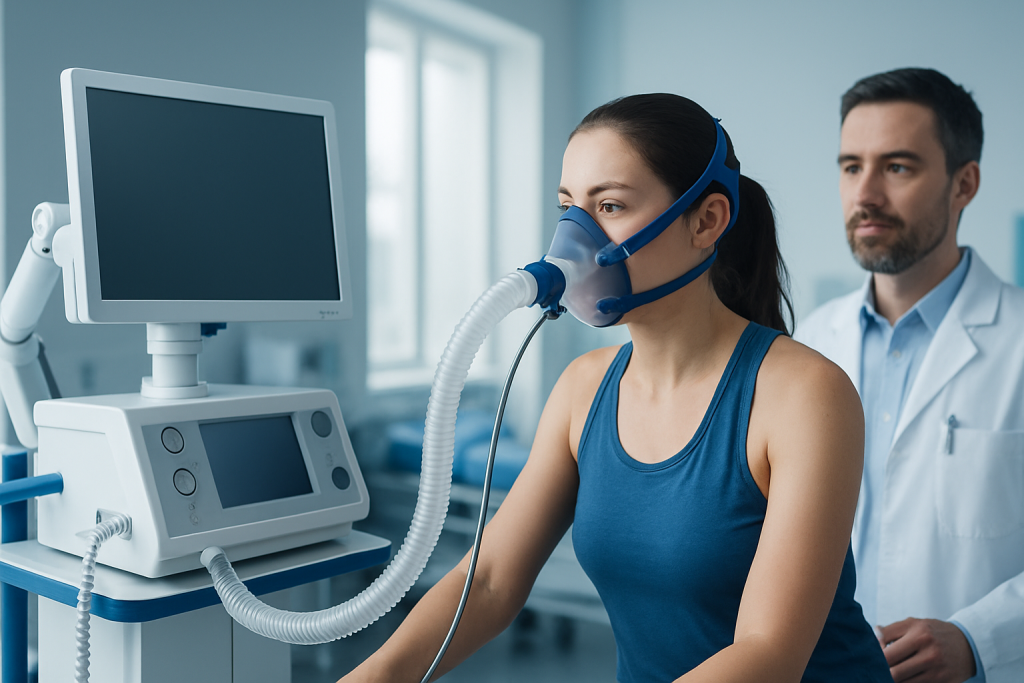
Research suggests that fasted cardio can increase fat use during the exercise session itself, especially at lower to moderate intensities. But this does not reliably translate into greater long-term fat loss compared with similar exercise done after eating. When total calories, protein intake, training quality, sleep, and consistency are considered, the overall difference is usually small or absent.
Performance is also important. Some people can comfortably complete an easy walk or gentle cycling session before breakfast. Others notice reduced energy, slower pace, or difficulty sustaining moderate or higher-intensity exercise. If exercise quality drops, any theoretical advantage of exercising fasted may be outweighed by a less effective workout.
For athletes or people training hard, fed exercise may better support power, endurance, and recovery. For people focused on general health, the best plan is usually the one they can follow consistently and safely. A regular exercise habit almost always matters more than whether the session happens before or after a meal.
It can also help to separate body fat loss from body weight changes. Weight is influenced by hydration, glycogen stores, hormones, and meal timing. Sustainable fat loss usually depends on an overall pattern of physical activity, nutrition, and realistic habits rather than a single timing strategy such as fasted cardio.
Possible benefits, limitations, and who may prefer it

Some people prefer fasted cardio because it feels convenient. Exercising early may reduce scheduling conflicts later in the day, and some individuals dislike working out with food in the stomach. A light morning session may also help establish routine and improve adherence to regular physical activity.
There are limitations too. Hunger, shakiness, headache, irritability, lightheadedness, or early fatigue can occur, especially in hot weather, after poor sleep, or with longer or harder workouts. People who already struggle to eat enough, recover well, or maintain stable energy may find that fasted training makes them feel worse rather than better.
Fasted cardio is often better tolerated when the activity is light to moderate and relatively short. Examples may include brisk walking, gentle cycling, or an easy elliptical session. High-intensity intervals, heavy resistance exercise, long endurance sessions, or sports training often feel more manageable with fuel beforehand.
It is also worth remembering that appetite responses differ. Some people feel less hungry after morning exercise, while others feel very hungry later and may overcompensate. That is one reason fasted cardio should be viewed as a personal strategy, not a universal rule.
Risks, side effects, and people who should be cautious
Fasted cardio is not suitable for everyone. It can increase the chance of dizziness, weakness, nausea, dehydration, or low blood sugar symptoms in some people. In rare cases, these symptoms can lead to falls or injuries, especially if exercise is intense or done in heat.
Extra caution is important for people with diabetes or prediabetes, particularly those using insulin or glucose-lowering medication. Fasting and exercise together can make blood sugar harder to predict. Anyone with known diabetes should ask their clinician how to monitor symptoms, meal timing, and medications around workouts.
People with heart disease, uncontrolled high blood pressure, a history of chest pain during activity, fainting, significant anemia, pregnancy, eating disorders, or chronic kidney disease should also seek personalized advice before trying fasted workouts. In some cases, an evaluation through cardiology care or endocrinology and metabolic disease care may be appropriate if symptoms or medical conditions affect exercise tolerance.
Children, older adults, and people recovering from illness may be more sensitive to dehydration and low energy availability. If an individual notices repeated headaches, poor recovery, irritability, menstrual changes, or declining exercise performance, it may be a sign that the overall routine needs adjustment.
How to do fasted cardio more safely
If a person wants to try fasted cardio, the safest approach is to begin conservatively. Starting with light or moderate activity for a short duration is often more comfortable than attempting an intense workout. Drinking water beforehand and choosing a cool, safe environment can reduce the risk of dehydration or feeling unwell.
Listening to symptoms matters. If a person feels shaky, dizzy, unusually short of breath, confused, or weak, they should stop the session and take appropriate food or fluids if needed. Exercise should not continue through warning signs. People who repeatedly feel unwell while training fasted may do better with a small snack before activity.
Practical steps may include:
- Choose lower-intensity sessions at first, such as brisk walking.
- Keep the duration modest until the body’s response is clear.
- Drink water before and after exercise.
- Eat a balanced meal with protein and carbohydrates after the session.
- Avoid trying fasted cardio when sick, sleep-deprived, or in very hot conditions.
For people aiming to improve overall fitness or body composition, exercise planning should include resistance training, adequate protein intake, and recovery. If weight management is a concern, structured support from nutrition and diet care can help build a safe and sustainable plan.
How to decide whether it is right for a person’s goals
The most useful question is not whether fasted cardio is trendy, but whether it supports a person’s health goals without causing side effects. Someone who enjoys a short morning walk before breakfast and feels well may continue that habit. Someone who becomes faint, cannot train effectively, or finds hunger difficult to manage may be better off eating first.
Goals also matter. For general cardiovascular health, the timing of meals is less important than meeting recommended activity levels over time. For improving speed, intensity, or sports performance, eating before exercise may be more helpful. For body fat reduction, the overall pattern of nutrition and physical activity usually has a larger effect than fasted versus fed cardio alone.
People with obesity, insulin resistance, thyroid disorders, or symptoms suggestive of metabolic problems may benefit from a broader medical and lifestyle assessment instead of focusing only on workout timing. If there are concerns about metabolism, weight changes, or fatigue, clinicians may consider related conditions such as obesity as part of a complete evaluation.
Near the end of care planning, some patients may wish to discuss exercise, nutrition, and related conditions with a multidisciplinary team. Acibadem International’s specialists in JCI-accredited hospitals diagnose and treat metabolic, endocrine, and cardiovascular conditions for international patients when individualized assessment is needed.
When to seek medical care
A person should seek medical advice before trying fasted cardio if they have diabetes, heart disease, kidney disease, pregnancy, a history of fainting, an eating disorder, or if they take medications that affect blood sugar or blood pressure. Guidance is also sensible if they are new to exercise and have chronic symptoms such as unexplained fatigue or shortness of breath.
Medical attention is important if symptoms occur during exercise, especially chest pain, severe shortness of breath, fainting, confusion, palpitations, or signs of low blood sugar that do not improve quickly. Persistent dizziness, repeated vomiting, or dehydration also deserve prompt assessment.
If symptoms are less urgent but ongoing, such as poor exercise tolerance, repeated headaches, marked weakness, or difficulty managing weight and energy, a clinician can help identify contributing factors. This may include reviewing nutrition, sleep, medications, cardiovascular health, hormone issues, and safe exercise planning.
Frequently asked questions
Is fasted cardio better for fat loss?
Not necessarily. Fasted cardio may increase fat use during the workout, but current evidence does not clearly show better long-term fat loss compared with similar exercise done after eating. Overall diet, activity level, sleep, and consistency usually matter more.
Can a person do fasted cardio every day?
Some healthy adults may tolerate light fasted exercise regularly, such as a short walk before breakfast. However, daily fasted training is not required for health or weight loss, and repeated fatigue or dizziness is a sign to reassess the routine. Rest, recovery, and adequate nutrition remain important.
What type of exercise is safest when fasting?
Light to moderate aerobic activity is usually the most comfortable starting point. Walking, easy cycling, or gentle cardio machine sessions are often better tolerated than intense intervals or long endurance workouts. The best choice depends on fitness level, symptoms, and medical history.
Should someone eat after fasted cardio?
Yes, eating afterward is generally a good idea, especially if the session is longer or more demanding. A balanced meal or snack with protein, carbohydrates, and fluids can support recovery and help restore energy. People with blood sugar concerns should follow their clinician’s advice.
Who should avoid fasted cardio?
People with diabetes using glucose-lowering medicines, a history of fainting, eating disorders, pregnancy, significant heart disease, or recurrent exercise-related symptoms should be cautious and seek medical advice first. It may also be unsuitable for anyone who becomes shaky, dizzy, or unable to exercise safely without eating.
Does fasted cardio raise the risk of muscle loss?
Muscle loss is more strongly linked to inadequate overall protein intake, insufficient resistance training, and prolonged calorie restriction than to one fasted workout. Still, frequent hard training without enough fuel or recovery may not support muscle maintenance well. A balanced training and nutrition plan is important.
References
- American College of Sports Medicine
- Centers for Disease Control and Prevention
- National Institutes of Health
- Academy of Nutrition and Dietetics
- American Diabetes Association
This article is for general information only and is not a substitute for professional medical advice. Please consult a qualified doctor about your individual situation.
Explore treatments in Turkey — costs, top hospitals & a free quote
JCI-accredited · board-certified surgeons · reply within 24h
Add us as a Preferred Source to see more of our trusted health content across Google Search, AI Overviews and Discover.
Check your numbers in seconds
BMI, calories, due date, blood pressure and 30+ more clinical calculators — free, instant, doctor-reviewed ranges.

More from the Health Library

Ozone therapy: A Complete Medical Guide for Patients

Linea Nigra: An Evidence-Based Guide for Patients

Velopharyngeal Insufficiency: What Patients Need to Know

Vyleesi: An Evidence-Based Guide for Patients

Menarche: A Complete Medical Overview