Bone Spurs: Common Causes, Symptoms, and When Treatment Is Needed

Bone spurs, also called osteophytes, often develop because of joint wear, arthritis, or repeated stress. Many bone spurs do not cause symptoms and are found only on imaging tests.
Key Takeaways
- Bone spurs, also called osteophytes, often develop because of joint wear, arthritis, or repeated stress.
- Many bone spurs do not cause symptoms and are found only on imaging tests.
- When symptoms occur, they may include pain, stiffness, reduced movement, or nerve-related symptoms such as tingling or weakness.
- Treatment depends on the location and severity of symptoms and may include rest, physical therapy, medicines, supportive footwear, or surgery in selected cases.
- A medical review is important if pain is persistent, movement is limited, or there are signs of nerve compression.
Bone spurs are small, smooth bony growths that usually develop near joints as part of aging or joint wear. Many cause no symptoms, but some can lead to pain, stiffness, or nerve irritation and may need treatment when they interfere with daily life.
Overview
Bone spurs, also called osteophytes, are extra areas of bone that form along the edges of bones, most often near joints. They are usually the body’s response to long-term stress, friction, or changes in the joint. Although the word “spur” may sound sharp, these growths are often smooth and may not be noticed at all.
Bone spurs can develop in many parts of the body, including the spine, shoulders, hips, knees, hands, and heels. They are especially common in places where cartilage has worn down or where tendons and ligaments pull repeatedly on bone. In many people, they are a sign of joint aging rather than a dangerous condition.
Not every bone spur causes a problem. Some are found by chance during an X-ray or scan done for another reason. Treatment is usually only needed when a bone spur causes pain, limits movement, rubs on nearby tissues, or presses on a nerve.
Symptoms of Bone Spurs
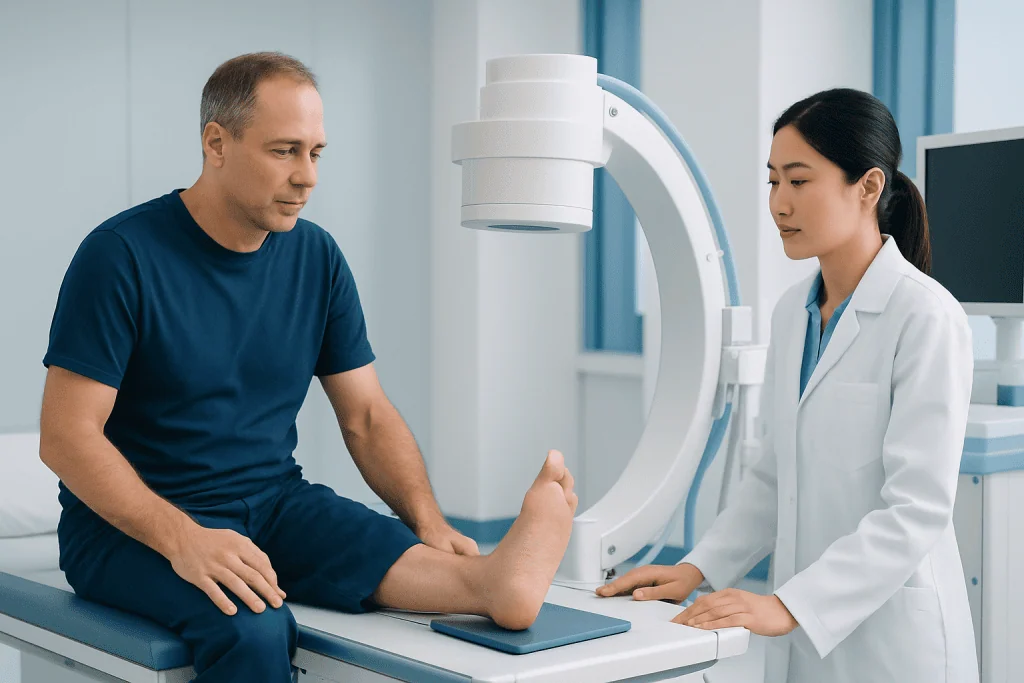
Many bone spurs cause no symptoms. When symptoms do happen, they depend on where the bone spur is located and whether it irritates nearby structures such as cartilage, tendons, ligaments, or nerves. For example, a bone spur in the knee may make bending or straightening the leg uncomfortable, while one in the spine may lead to nerve-related symptoms.
Common symptoms can include localized pain, stiffness, a reduced range of motion, or a feeling that a joint catches during movement. In the heel, a spur may be linked with pain when standing or walking, especially if there is also irritation of the surrounding soft tissues. In the shoulder, movement overhead may become painful if the spur contributes to tendon rubbing.
If a bone spur compresses a nerve, symptoms may extend beyond the joint itself. This can include tingling, numbness, burning pain, or weakness in an arm or leg. These symptoms should be assessed by a doctor, because nerve compression may also happen with other conditions.
- Pain near a joint or tendon attachment
- Joint stiffness, especially after rest
- Reduced flexibility or range of motion
- Swelling or tenderness from nearby tissue irritation
- Tingling, numbness, or weakness when nerves are affected
Causes and Risk Factors

The most common cause of bone spurs is joint wear over time. As cartilage becomes thinner, the body may respond by laying down extra bone around the joint edges in an attempt to stabilize the area. This is why bone spurs are often seen with osteoarthritis.
Repeated stress on a bone can also play a role. This may happen from certain sports, physical work, long-term poor joint alignment, or changes in walking pattern. In the heel, for instance, ongoing strain on the plantar fascia or Achilles tendon can contribute to spur formation. Extra body weight can increase the load on weight-bearing joints and may raise the risk of symptoms.
Age is an important risk factor, but younger adults can also develop bone spurs if they have previous injuries, inflammatory joint disease, or repetitive overuse. Spinal bone spurs may form as part of age-related changes in the discs and joints of the neck or lower back. In some cases, the real source of symptoms may be the underlying condition rather than the spur alone.
Other risk factors include:
- Osteoarthritis and other forms of joint degeneration
- Previous joint injury or surgery
- Repetitive motion or overuse
- Obesity or increased joint loading
- Poor posture or abnormal joint mechanics
- Certain inflammatory conditions affecting joints or tendons
How Bone Spurs Are Diagnosed
Diagnosis usually begins with a medical history and physical examination. A doctor will ask where the pain is, when it started, what movements make it worse, and whether there are symptoms such as numbness or weakness. During the examination, the joint’s movement, tenderness, strength, and alignment are assessed.
Imaging tests help confirm the diagnosis. A plain X-ray is often the first test because it can show bony overgrowth clearly. However, the size of a spur on an X-ray does not always match the severity of symptoms. Some large bone spurs cause no pain, while smaller ones can be bothersome if they affect a tendon or nerve.
Additional tests may be useful when soft tissues or nerves are involved. Ultrasound can sometimes help assess tendons, while MRI may be recommended to look at cartilage, discs, ligaments, and nerve compression, especially in the spine or shoulder. If the symptoms suggest another cause, the doctor may evaluate for conditions such as tendon inflammation, herniated disc, or joint instability.
Treatment Options
Treatment depends on the location of the bone spur, the severity of symptoms, and the underlying cause. If a bone spur is not causing problems, no treatment may be needed. When symptoms are mild, doctors often start with conservative measures such as activity modification, rest, ice, and pain-relieving or anti-inflammatory medicines when appropriate for the individual.
Physical therapy is often helpful. Guided exercises can improve flexibility, strengthen the muscles that support the joint, and reduce pressure on irritated tissues. Supportive footwear, shoe inserts, or padding may help for heel spurs. In some situations, a doctor may recommend targeted treatments such as physical therapy and rehabilitation to improve function and reduce pain without surgery.
If symptoms are related to the spine, treatment may focus on relieving nerve irritation and improving posture and movement patterns. Depending on the diagnosis, specialists may evaluate whether options such as spine surgery are necessary, although surgery is generally considered only after non-surgical care has not provided enough relief. For joint-related symptoms, orthopedic assessment may be useful, especially if there is significant arthritis or mechanical limitation.
Surgery may be considered when a bone spur persistently causes severe pain, repeated tissue irritation, or nerve compression, or when it clearly limits movement and daily activities. The procedure depends on the area involved and may include removing the spur while also treating the underlying joint problem. In selected cases, doctors may discuss broader orthopedic care, including knee replacement if advanced joint damage is present rather than focusing on the spur alone.
Prevention and Self-care
It is not always possible to prevent bone spurs, especially when they are related to normal aging. However, healthy joint habits can reduce strain and may lower the chance of symptoms. Maintaining a healthy weight, staying active, and keeping the muscles around joints strong can all support better joint function.
Low-impact exercise such as walking, swimming, or cycling may help keep joints mobile without excessive stress. Stretching and strengthening exercises can improve alignment and reduce abnormal pressure on certain areas. People who spend long hours standing, walking, or repeating the same motions may benefit from ergonomic changes, supportive shoes, or regular rest breaks.
Self-care is most helpful when it addresses the underlying cause. For example, heel pain may improve with better footwear and calf stretching, while neck or back symptoms may improve with posture correction and guided exercise. If pain continues despite self-care, a medical assessment is the safest next step to confirm the cause and choose the most suitable treatment.
When to See a Doctor
A doctor should be consulted if joint or heel pain lasts more than a few weeks, keeps returning, or begins to affect walking, sleep, work, or usual daily activities. Medical advice is also important if a joint becomes increasingly stiff or movement becomes limited. Early evaluation can help identify whether symptoms are due to a bone spur, arthritis, tendon irritation, or another issue.
Urgent medical attention is needed if there is significant weakness, loss of coordination, numbness that is spreading, or severe pain after an injury. These symptoms may suggest nerve compression or another condition that needs prompt care. People with fever, unexplained swelling, redness, or sudden severe joint pain should also be checked, because these features may point to causes other than a simple bone spur.
For patients who need specialist evaluation, Acibadem International’s multidisciplinary teams in JCI-accredited hospitals diagnose and treat bone and joint conditions for international patients. A careful assessment helps determine whether symptoms can be managed conservatively or whether more advanced treatment is appropriate.
Frequently asked questions
Are bone spurs always painful?
No. Many bone spurs do not cause any symptoms and are only found during imaging tests done for another reason. Pain usually happens only when the spur irritates nearby tissue, limits joint movement, or presses on a nerve.
What causes bone spurs to form?
Bone spurs often form as a response to long-term joint stress, aging, or cartilage wear. They are commonly linked with osteoarthritis, repeated overuse, tendon strain, or changes in joint alignment.
Can bone spurs go away on their own?
Bone spurs usually do not disappear on their own once they have formed. However, symptoms may improve significantly with rest, physical therapy, better footwear, weight management, and treatment of the underlying joint problem.
Do all bone spurs need surgery?
No. Most bone spurs are treated without surgery, especially if symptoms are mild or occasional. Surgery is usually reserved for cases with persistent pain, major movement limitation, repeated tissue irritation, or nerve compression that does not improve with conservative care.
Are heel spurs the same as plantar fasciitis?
Not exactly. A heel spur is a bony growth, while plantar fasciitis is inflammation or irritation of the plantar fascia. The two can occur together, but some people have a heel spur without pain, and others have plantar fasciitis without a visible spur.
How are bone spurs diagnosed?
Doctors diagnose bone spurs using a combination of symptoms, physical examination, and imaging tests. X-rays often show the spur clearly, while MRI or ultrasound may be used if soft tissues or nerves also need evaluation.
References
- National Institute of Arthritis and Musculoskeletal and Skin Diseases
- American Academy of Orthopaedic Surgeons
- National Health Service
- Mayo Clinic
- Merck Manual Consumer Version
This article is for general information only and is not a substitute for professional medical advice. Please consult a qualified doctor about your individual situation.
Joint and spine care in Turkey — expert assessment & treatment
JCI-accredited · board-certified surgeons · reply within 24h
Add us as a Preferred Source to see more of our trusted health content across Google Search, AI Overviews and Discover.