Bone Spurs in Big Toe Surgery: Procedure, Recovery and Results

Big toe bone spurs commonly develop from osteoarthritis in the joint at the base of the toe. Cheilectomy is a joint-preserving operation that removes bone spurs and damaged tissue around the joint.
Key Takeaways
- Big toe bone spurs commonly develop from osteoarthritis in the joint at the base of the toe.
- Cheilectomy is a joint-preserving operation that removes bone spurs and damaged tissue around the joint.
- Many people begin protected walking soon after surgery, but recovery progresses over weeks and swelling may last for months.
- Surgery can relieve pain caused by the spur, but it cannot fully reverse underlying arthritis or guarantee that spurs will not return.
- The best procedure depends on arthritis severity, joint alignment, activity needs and overall health.
Bone spurs in big toe surgery usually involves removing excess bone around the first metatarsophalangeal joint to reduce pain and improve motion. It is most often considered for hallux rigidus, or arthritis-related stiffness of the big toe, when footwear changes, activity adjustments and other non-surgical treatments have not helped enough.
Overview: what does bone spur surgery on the big toe involve?
Bone spurs in big toe surgery is performed to remove extra bone that has formed around the joint at the base of the big toe. These bony outgrowths can make shoes uncomfortable, limit upward bending of the toe and cause pain during walking, running, squatting or climbing stairs. The most common reason is hallux rigidus, a form of osteoarthritis affecting the first metatarsophalangeal joint.
The usual operation is called a cheilectomy. During this joint-preserving procedure, the surgeon removes the spur, often from the top of the joint, and may smooth rough bone edges or remove damaged tissue that blocks movement. It is generally intended for mild to moderate arthritis, particularly when pain occurs at the end range of toe movement or from pressure of footwear.
More advanced joint arthritis may require a different approach, such as osteotomy to adjust bone alignment, joint fusion or, less commonly, joint replacement. A foot and ankle surgeon recommends treatment after considering symptoms, examination findings, imaging and the person’s daily activities and goals.
How it works and who may be a candidate
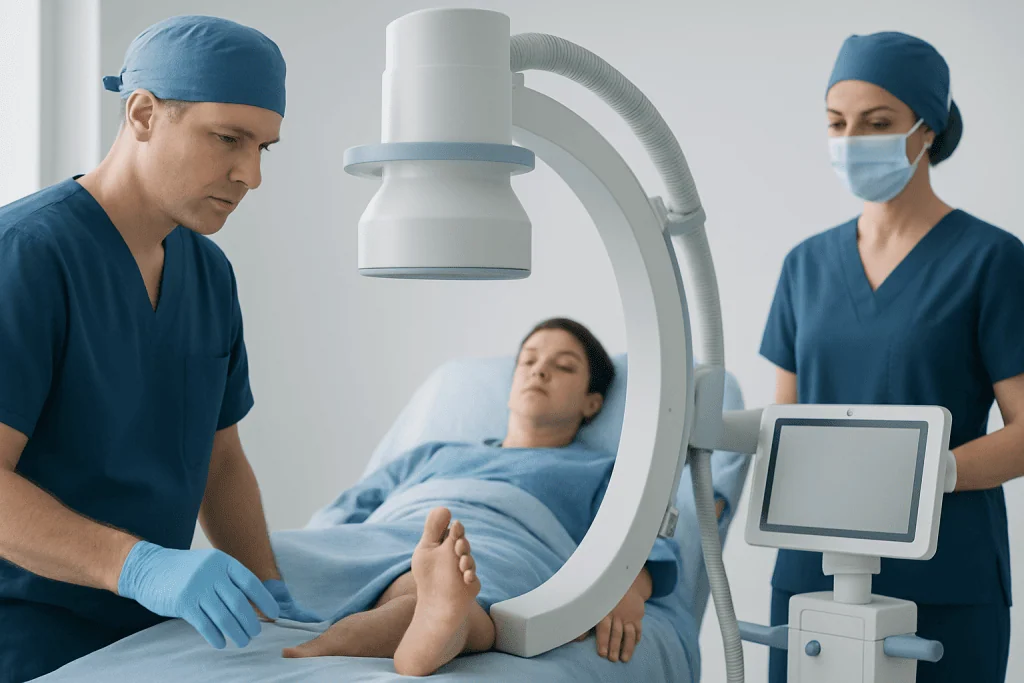
A cheilectomy creates more space around the big toe joint by taking away bone that catches against nearby structures or presses against a shoe. It may improve the toe’s available range of motion and reduce pain linked to the spur. However, the procedure does not restore cartilage that has been worn away by arthritis.
A person may be considered for surgery when pain and stiffness continue despite appropriate non-surgical care. This may include wearing shoes with a roomy toe box or stiff sole, modifying activities, using orthotic devices, taking suitable pain-relieving medicine on a clinician’s advice, and trying physical therapy or guided exercises. Persistent symptoms that interfere with work, walking, sleep or valued activities are important considerations.
Cheilectomy is often most suitable when there is still reasonable joint space and pain is mainly caused by impingement at the top of the joint. It may be less effective when arthritis is extensive, pain occurs throughout the full range of motion, or the joint is markedly deformed. In these situations, a surgeon may discuss other foot and ankle surgery options that better match the condition of the joint.
- Typical candidates have pain over the top of the big toe joint or pain when pushing off while walking.
- They may have a visible or palpable bump and reduced ability to bend the toe upward.
- They should be able to follow postoperative weight-bearing, wound-care and rehabilitation instructions.
Step by step: what happens during the procedure?
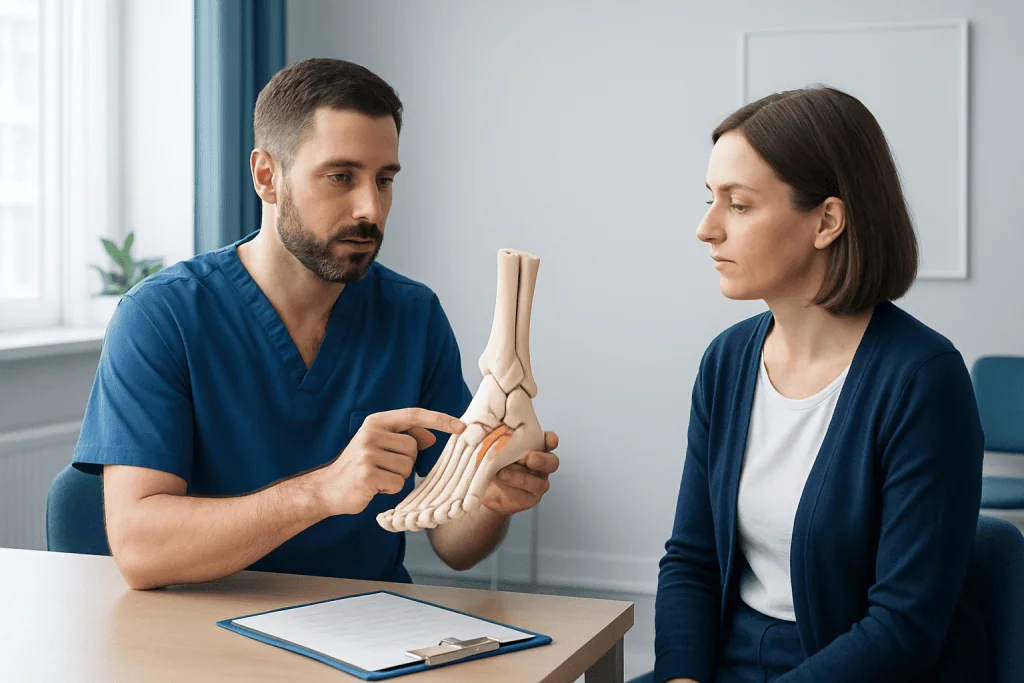
Before surgery, the surgeon reviews medical history, medicines, allergies and any conditions that may affect healing, such as diabetes, circulation problems or smoking. X-rays are usually taken while standing to show the size and location of spurs, joint narrowing and alignment. Additional imaging is not always needed but may be used in selected cases.
The procedure is commonly performed as day surgery under regional anesthesia with sedation or general anesthesia, depending on the person and surgical plan. After preparing the foot, the surgeon makes a small incision near the big toe joint. Bone spurs are removed with specialized instruments, and loose bone or cartilage fragments may also be cleared. The joint is assessed to ensure that movement is no longer blocked.
The incision is then closed and protected with a dressing. The foot may be placed in a postoperative shoe, boot or, occasionally, a splint. Surgical details vary: some procedures are performed through a standard open incision, while selected cases may be suitable for minimally invasive techniques. The approach should be chosen based on anatomy, arthritis severity and surgeon expertise rather than incision size alone.
How long does it take to recover from bone spur surgery on a big toe?
Recovery from bone spur surgery on a big toe is gradual. Initial wound healing commonly takes about two weeks, while comfort with everyday walking often improves over the following several weeks. Many people need approximately six to eight weeks before resuming more routine footwear and lower-impact activities, although recovery can take longer when arthritis is more advanced or additional procedures are performed.
Swelling is expected after forefoot surgery and can fluctuate throughout the day. It may remain noticeable for several months, especially after extended standing or walking. The toe can also stay stiff while tissues heal, so the surgical team may advise gentle range-of-motion exercises at an appropriate point in recovery.
Return to sports, running and impact exercise depends on healing, strength, swelling, footwear tolerance and the type of activity. Some people return sooner than others, and trying to advance too quickly can increase discomfort or delay recovery. Follow-up appointments allow the surgeon to check the incision, review symptoms and tailor activity guidance.
How long does it take to walk after bone spur surgery?
Many patients can walk carefully on the heel or in a protective postoperative shoe shortly after a straightforward cheilectomy, sometimes on the day of surgery. Whether immediate weight-bearing is appropriate depends on the exact procedure, the stability of the joint and the surgeon’s instructions. A person should not assume that another patient’s timeline applies to them.
During the first days, walking is usually limited to essential short distances, with the foot elevated regularly to reduce swelling. Crutches, a walker or a cane may be helpful for balance and to reduce pressure on the front of the foot. Driving should wait until a person can safely control the vehicle, is no longer using impairing pain medicine and has clearance from the treating team.
Walking distance is generally increased in stages. Transitioning from a surgical shoe to a wide, supportive regular shoe often occurs after the incision has healed and pain and swelling allow, commonly within several weeks. If fusion, osteotomy or another reconstructive procedure is needed instead of simple spur removal, non-weight-bearing or a longer protected period may be required.
How long after big toe surgery can I walk?
After a simple big toe cheilectomy, protected walking may begin immediately or within a few days, but normal walking mechanics return more slowly. Most people need to avoid forceful push-off through the big toe at first. The exact plan is individualized because the amount of bone removed, the state of the joint and any additional repair all affect safe weight-bearing.
A practical recovery goal is steady progress rather than a fixed date. Pain should gradually improve, but increased swelling or pain after activity can signal that the foot needs more rest and elevation. A postoperative shoe helps protect the toe while the incision and deeper tissues heal.
Patients should keep dressings dry as instructed, attend wound checks and report concerns promptly. A clinician may recommend exercises to reduce stiffness once it is safe, but forceful self-stretching early after surgery should be avoided. Following the surgical team’s instructions is the most reliable way to support healing.
Is toe bone spur surgery worth it? Benefits, limits and risks
Toe bone spur surgery can be worthwhile for people whose symptoms significantly affect daily life and who have not gained adequate relief from non-surgical measures. Potential benefits include less pain from shoe pressure or joint impingement, improved ability to wear footwear and greater comfort during walking. The decision is personal and should be based on realistic expectations, symptom severity and the condition of the joint.
A cheilectomy may not eliminate all pain because arthritis can remain inside the joint. Motion may improve but may not return to normal, and bone spurs or arthritis symptoms can recur over time. When joint damage is advanced, fusion may provide more predictable pain relief than spur removal alone, although it intentionally prevents movement at the fused joint.
As with any operation, risks include infection, bleeding, blood clots, delayed wound healing, nerve irritation or numbness, persistent swelling, stiffness, ongoing pain and the need for further treatment. Less common concerns include recurrence of bone spurs or progression of arthritis. Careful preoperative assessment and postoperative follow-up help identify and manage risks.
For international patients, Acibadem International’s multidisciplinary specialists and JCI-accredited hospitals provide assessment and treatment planning for foot and ankle conditions. A consultation with an orthopedic foot and ankle specialist can clarify whether surgery is likely to address the source of symptoms.
When to seek medical care
Medical assessment is appropriate when big toe pain, stiffness or a growing bump makes walking difficult, limits footwear choices or persists despite simple self-care. Early evaluation can distinguish a bone spur from other causes of forefoot pain, including bunions, tendon problems, gout, inflammatory arthritis, stress injury or nerve irritation.
Prompt medical advice is important for sudden severe pain, redness, warmth, marked swelling, fever, a wound or skin breakdown, or inability to bear weight. These symptoms may have causes other than a chronic bone spur and should not be managed by assuming surgery is needed.
After surgery, patients should contact their surgical team for increasing pain not relieved by prescribed measures, spreading redness, drainage, fever, persistent numbness, a cold or discolored toe, calf pain or shortness of breath. These symptoms require timely professional assessment.
Frequently asked questions
What causes bone spurs on the big toe?
Bone spurs on the big toe most often develop as part of osteoarthritis in the joint at the base of the toe. Repetitive stress, prior injury, joint shape, family tendency and altered foot mechanics may contribute. The body forms extra bone around a joint that is irritated or degenerating.
Is a cheilectomy the same as big toe joint replacement?
No. A cheilectomy removes bone spurs and other tissue that blocks movement while preserving the person’s own joint. Joint replacement replaces part or all of the joint and is considered in different clinical situations, usually based on arthritis severity and individual needs.
Will I need crutches after big toe bone spur surgery?
Some people use crutches, a cane or a walker for comfort and balance during the first days after surgery. Others can walk in a postoperative shoe with limited weight through the front of the foot. The need for an aid depends on the procedure and the surgeon’s weight-bearing plan.
Can a bone spur come back after surgery?
Yes, bone spurs can recur, particularly if arthritis continues to progress in the joint. Surgery can remove the current spur and improve symptoms, but it does not remove the underlying tendency toward joint degeneration. Regular follow-up and suitable footwear may help manage ongoing symptoms.
How painful is recovery after big toe bone spur surgery?
Discomfort is common in the first days and is usually managed with elevation, protected activity, ice when advised, and medicines recommended by the surgical team. Pain should generally lessen over time, although swelling and stiffness can persist longer. Severe or worsening pain should be reported to a clinician.
Can I wear normal shoes after a cheilectomy?
Most people transition back to a roomy, supportive regular shoe after the incision has healed and swelling has reduced enough, often over several weeks. Tight or narrow shoes may irritate the healing joint and should be avoided initially. The surgeon can advise when a specific type of shoe is appropriate.
References
- American Orthopaedic Foot & Ankle Society
- American Academy of Orthopaedic Surgeons
- National Institute of Arthritis and Musculoskeletal and Skin Diseases
- National Health Service
This article is for general information only and is not a substitute for professional medical advice. Please consult a qualified doctor about your individual situation.
Joint and spine care in Turkey — expert assessment & treatment
JCI-accredited · board-certified surgeons · reply within 24h
Add us as a Preferred Source to see more of our trusted health content across Google Search, AI Overviews and Discover.