

Botox for Tmj: A Complete Medical Overview

Botox for TMJ is mainly used to relax overactive jaw muscles, not to correct joint structure problems. It may help with jaw clenching, muscle pain, tension headaches, and teeth grinding in selected patients.
Key Takeaways
- Botox for TMJ is mainly used to relax overactive jaw muscles, not to correct joint structure problems.
- It may help with jaw clenching, muscle pain, tension headaches, and teeth grinding in selected patients.
- A proper diagnosis is important because TMJ symptoms can come from muscles, the joint itself, dental bite issues, or other conditions.
- First-line care often includes self-care, stress reduction, oral appliances, physical therapy, and other non-surgical options.
- Results are temporary, so repeat treatment may be needed if Botox is effective and appropriate.
- Patients should seek medical review if jaw pain is persistent, worsening, or associated with locking, swelling, or difficulty opening the mouth.
Botox for TMJ can help some people by relaxing overactive jaw muscles and reducing pain, clenching, and tension-related symptoms. It is usually considered when muscle-driven symptoms persist despite more conservative care, and it should be guided by a qualified clinician after the cause of TMJ symptoms is assessed.
Overview: what Botox for TMJ means
Botox for TMJ refers to the use of botulinum toxin injections to reduce symptoms linked to temporomandibular disorders, often called TMD or TMJ disorders. In practice, these injections are usually placed into overactive chewing muscles, such as the masseter or temporalis, to decrease excessive contraction. This can ease muscle-related jaw pain, clenching, and pressure in some patients.
It is important to note that TMJ symptoms do not come from one single problem. Some people have pain mainly from tight jaw muscles, while others have inflammation within the joint, disc displacement, arthritis, bite-related strain, or a combination of factors. Because of this, Botox is not a universal solution. It may be helpful in carefully selected cases, especially when muscle overactivity is a major driver of symptoms.
Botox does not permanently cure TMJ disorders. Instead, it offers temporary symptom relief by weakening targeted muscles for a limited period. For many patients, it is considered only after a clinical evaluation and after more conservative options have been tried or when those options have not provided enough benefit.
Symptoms and who may benefit most
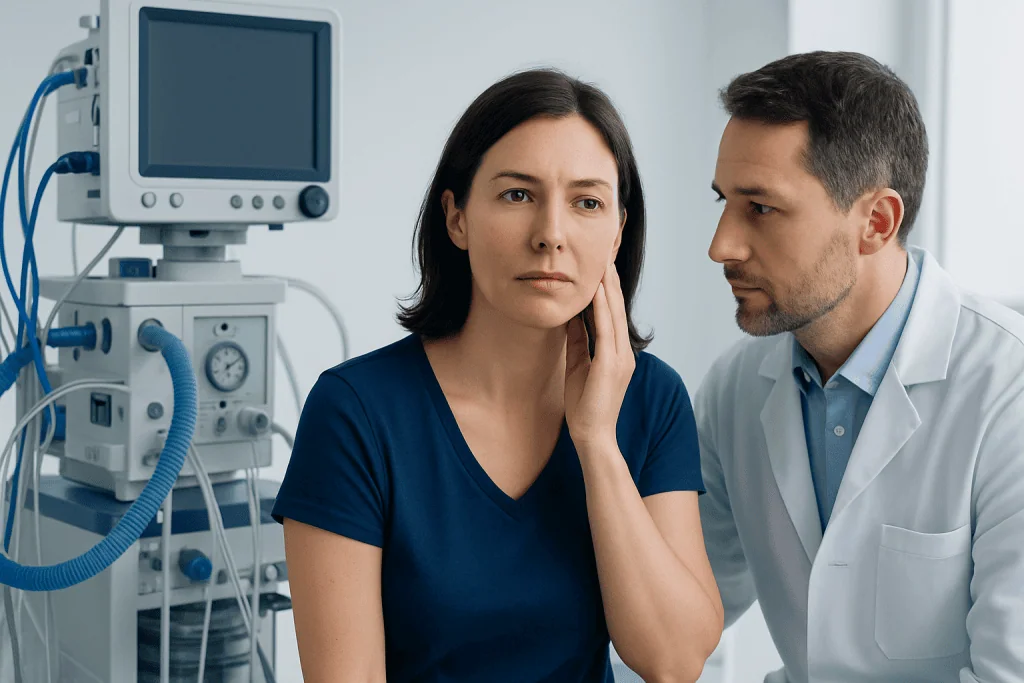
People who ask about Botox for TMJ often report symptoms that suggest muscular tension around the jaw. These may include jaw aching, tightness when chewing, morning jaw soreness, frequent clenching, facial fatigue, and headaches linked to tension in the temples. Some also notice teeth grinding during sleep or wake up with pressure around the jawline.
Botox may be most relevant when symptoms appear to be driven by overuse of the jaw muscles rather than by a structural joint problem alone. For example, it may be considered in patients with chronic clenching, bruxism-related muscle discomfort, or enlarged masseter muscles from long-term overactivity. In these settings, relaxing the muscles can sometimes reduce pain and improve day-to-day comfort.
However, symptoms such as jaw locking, significant clicking, sudden changes in bite, ear-related symptoms, or limited mouth opening may point to broader TMJ dysfunction that needs a fuller evaluation. Helpful background information on TMJ disorder can clarify why treatment needs to match the underlying cause rather than the symptom alone.
- Jaw pain or tenderness
- Clenching or grinding of teeth
- Tension headaches or temple pain
- Facial muscle fatigue when chewing
- Pressure or tightness around the jaw joint
- Morning soreness related to overnight bruxism
How Botox works for TMJ

Botulinum toxin works by temporarily reducing the release of chemical signals that tell muscles to contract. When injected into overactive jaw muscles, it lowers the force of contraction for a period of time. This can reduce muscle strain, decrease repetitive clenching, and lessen pain generated by muscle tension.
The treatment is aimed at muscles rather than the temporomandibular joint itself. This distinction matters. If a patient’s main problem is inflammation inside the joint, cartilage changes, arthritis, or a displaced disc, Botox may not address the root cause. A clinician may still consider it as part of a broader plan, but it is usually most effective when muscular overactivity is a clear part of the picture.
Because the effect is temporary, symptom relief usually develops gradually and wears off over time. The response also varies from person to person. Some patients notice meaningful improvement in pain and jaw tension, while others have a smaller benefit or need other treatments to address the condition more completely.
Causes, risk factors, and why diagnosis matters
TMJ symptoms can develop for many reasons. Common contributors include chronic teeth grinding, stress-related clenching, trauma to the jaw, misaligned bite forces, arthritis, connective tissue strain, and postural habits that overload the jaw and neck muscles. Anxiety, poor sleep, and daytime jaw tightening can also make symptoms more persistent.
Because the causes are varied, an accurate diagnosis is one of the most important steps before considering Botox. A clinician will usually ask when the pain occurs, whether there is clicking or locking, whether symptoms are worse in the morning, and whether headaches, neck pain, or dental wear are present. They may examine the jaw joints, range of motion, chewing muscles, and the teeth for signs of grinding.
Some people who think they need Botox may actually benefit more from oral splints, dental review, physical therapy, stress management, or treatment for another condition affecting the face or jaw. In selected cases, imaging or referral may be needed, especially if the diagnosis is uncertain or if symptoms suggest joint damage rather than muscle overactivity alone.
Diagnosis and treatment planning
Evaluation for Botox for TMJ usually begins with a medical and dental history, physical examination, and review of current symptoms. The doctor may feel the masseter and temporalis muscles for tenderness, assess how widely the mouth opens, listen for clicks or grinding in the joint, and ask about habits such as gum chewing, nail biting, or nighttime teeth grinding.
Imaging is not required for every patient, but it may be recommended if there is trauma, locking, marked asymmetry, persistent limitation of movement, or concern about structural disease in the joint. The goal is to distinguish muscle pain from internal joint problems and to identify whether Botox is likely to help. If symptoms overlap with dental or maxillofacial problems, a team approach may be useful.
Treatment planning often combines several measures rather than relying on injections alone. Depending on the findings, the care plan may include physical therapy and rehabilitation, a dental appliance, behavior-based strategies to reduce clenching, and targeted pain management. In some cases, patients with related facial or jaw concerns may also need review by specialists in oral and dental health.
Benefits, limitations, and possible side effects
The main potential benefit of Botox for TMJ is relief of muscle-related symptoms. Patients may notice less jaw tightness, less painful clenching, fewer tension-type headaches, and reduced force of teeth grinding. Some also find chewing feels less tiring once excessive muscle activity decreases.
At the same time, Botox has limitations. It does not reverse arthritis, repair a damaged disc, or permanently stop bruxism. Because effects wear off, repeat injections may be needed if treatment is helpful. Response can also vary depending on the exact cause of symptoms, muscle anatomy, and whether contributing habits such as clenching continue.
Side effects are usually temporary but can include soreness at the injection site, mild bruising, transient weakness in the treated muscle, or a change in chewing strength. In some cases, facial asymmetry or an altered smile may occur if nearby muscles are affected. For this reason, treatment should be performed by an experienced clinician who understands facial anatomy and TMJ-related conditions.
If Botox is being considered as part of a broader pain plan, supportive services such as pain management may also be helpful for persistent or complex symptoms.
Other treatment options and self-care
Conservative care remains the foundation of treatment for many TMJ disorders. Simple measures can reduce strain on the jaw and may be enough for mild or intermittent symptoms. These include eating softer foods during flare-ups, avoiding wide yawning or prolonged chewing, applying warm compresses, improving sleep habits, and becoming aware of daytime clenching.
Stress reduction is also important because emotional stress can increase jaw tension without a person realizing it. Relaxation techniques, jaw posture awareness, and behavioral strategies may help reduce unconscious clenching. Some patients benefit from mouthguards or splints prescribed by dental professionals, particularly when teeth grinding is part of the problem.
Physical therapy can help improve muscle balance, posture, and jaw movement patterns. A clinician may also recommend anti-inflammatory approaches or other non-surgical care depending on the diagnosis. In a smaller group of patients with severe structural disease, more specialized treatment may be needed, but many cases improve without surgery.
- Use a soft diet during painful flare-ups
- Avoid chewing gum and very hard foods
- Practice keeping the jaw relaxed with teeth slightly apart
- Apply gentle heat if recommended by a clinician
- Address sleep quality and stress triggers
- Follow prescribed exercises or splint use consistently
When to seek medical care
Medical or dental assessment is a good idea if jaw pain lasts more than a few weeks, keeps returning, or begins to interfere with eating, speaking, or sleep. Patients should also seek review if they have repeated headaches with jaw tension, obvious teeth grinding, or facial pain that is not improving with self-care.
Prompt evaluation is especially important when there is jaw locking, sudden limitation in mouth opening, swelling, fever, recent trauma, numbness, or a major change in bite. These features may suggest a condition that needs treatment beyond muscle relaxation alone. A clinician can help determine whether Botox is appropriate or whether another diagnosis is more likely.
For international patients, Acibadem International’s multidisciplinary specialists in JCI-accredited hospitals assess and treat TMJ-related conditions using individualized plans that may include dental, rehabilitation, and pain-focused care when appropriate.
Frequently asked questions
Does Botox cure TMJ disorder?
Botox does not cure all forms of TMJ disorder. It may temporarily relieve symptoms when overactive jaw muscles are a major cause of pain, clenching, or tension. Structural joint problems often need other treatments as well.
Who is a good candidate for Botox for TMJ?
A good candidate is usually someone whose symptoms appear to come mainly from muscle overactivity, such as jaw clenching, bruxism, or masseter-related pain. A clinical evaluation is important first, because not every type of TMJ problem responds well to Botox.
How long does Botox for TMJ last?
The effect is temporary and gradually wears off over time. The exact duration varies between individuals, depending on the muscles treated, symptom pattern, and personal response. If it helps, repeat treatment may be discussed with the clinician.
Can Botox help with teeth grinding?
Botox may reduce the force of grinding or clenching by weakening overactive jaw muscles. However, it may not fully stop the habit itself, especially if stress, sleep issues, or dental factors are contributing. Many patients still need a broader treatment plan.
Are there risks or side effects?
Possible side effects include temporary soreness, bruising, chewing weakness, or unwanted effects on nearby facial muscles. Most side effects are short-lived, but proper injection technique is important. Treatment should be guided by a qualified clinician familiar with facial anatomy.
Is Botox the first treatment doctors usually recommend for TMJ?
Usually not. Many clinicians begin with conservative care such as self-care measures, stress reduction, oral appliances, physical therapy, and treatment of contributing habits. Botox is often considered when muscle-related symptoms persist or when a patient has not improved enough with these steps.
This article is for general information only and is not a substitute for professional medical advice. Please consult a qualified doctor about your individual situation.
Explore treatments in Turkey — costs, top hospitals & a free quote
JCI-accredited · board-certified surgeons · reply within 24h
Add us as a Preferred Source to see more of our trusted health content across Google Search, AI Overviews and Discover.

More from the Health Library
Ileostomy — Explained by Medical Evidence, Not Myths

New Epipen: An Evidence-Based Guide for Patients

Enema Bag: What Patients Need to Know

Coconut Oil: An Evidence-Based Guide for Patients

Halloumi — Explained by Medical Evidence, Not Myths

Blood clot in brain symptoms: A Complete Medical Guide for Patients
Aesthetic Plastic & Reconstructive Surgery Specialists at Acibadem

Assoc. Prof. Dr. Mehmet Sağır
Aesthetic Plastic & Reconstructive Surgery
Dr. Mehmet Severcan
Aesthetic Plastic & Reconstructive Surgery
Prof. Dr. Mehmet Veli Karaaltın
Aesthetic Plastic & Reconstructive Surgery
Dr. Mithat Ulay
Aesthetic Plastic & Reconstructive Surgery