Brachytherapy: A Complete Medical Overview
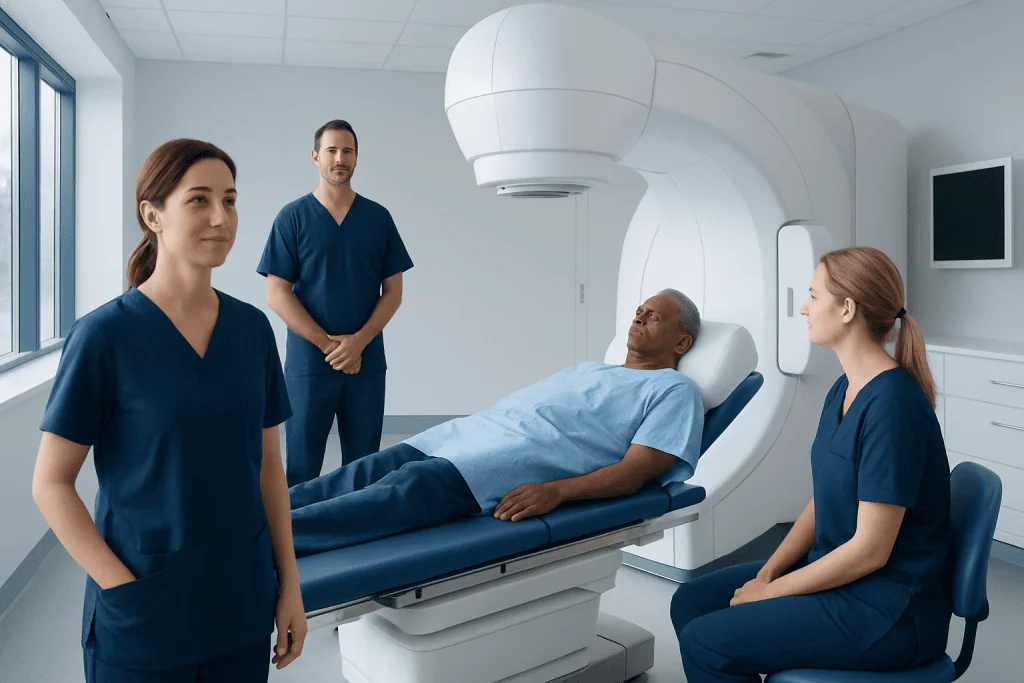
Brachytherapy delivers radiation from inside the body, close to the tumor. It may be used alone or combined with external radiation, surgery, chemotherapy, or hormone therapy.
Key Takeaways
- Brachytherapy delivers radiation from inside the body, close to the tumor.
- It may be used alone or combined with external radiation, surgery, chemotherapy, or hormone therapy.
- Common cancer types treated with brachytherapy include prostate, cervical, uterine, breast, and some head and neck cancers.
- Treatment may be temporary or permanent, depending on the cancer type and care plan.
- Side effects vary by treatment area and are often localized rather than widespread.
- An oncology team decides whether brachytherapy is suitable based on tumor type, size, location, and overall health.
Brachytherapy is a form of internal radiation therapy that places a radioactive source inside or next to a tumor. It is used for selected cancers to deliver a focused dose of radiation while reducing exposure to surrounding healthy tissue.
Overview
Brachytherapy is a radiation treatment that places radioactive material inside the body, either within the tumor or very close to it. Because the radiation source is positioned directly at the treatment site, doctors can deliver a high dose to the cancer while helping spare nearby healthy tissues. For many patients, this makes brachytherapy a precise and effective option within a broader cancer care plan.
Unlike external beam radiation, which sends radiation from a machine outside the body, brachytherapy works from the inside. It may be used on its own or together with surgery, chemotherapy, hormone therapy, or external radiation therapy, depending on the type and stage of cancer. The exact approach is personalized after careful imaging and treatment planning.
Brachytherapy is most commonly used for cancers such as prostate, cervix, uterus, breast, and certain head and neck tumors. In some situations, it is used with medical oncology care as part of a coordinated cancer program. The goal may be to cure the cancer, reduce the risk of recurrence, or relieve symptoms in selected advanced cases.
How brachytherapy works and its main types
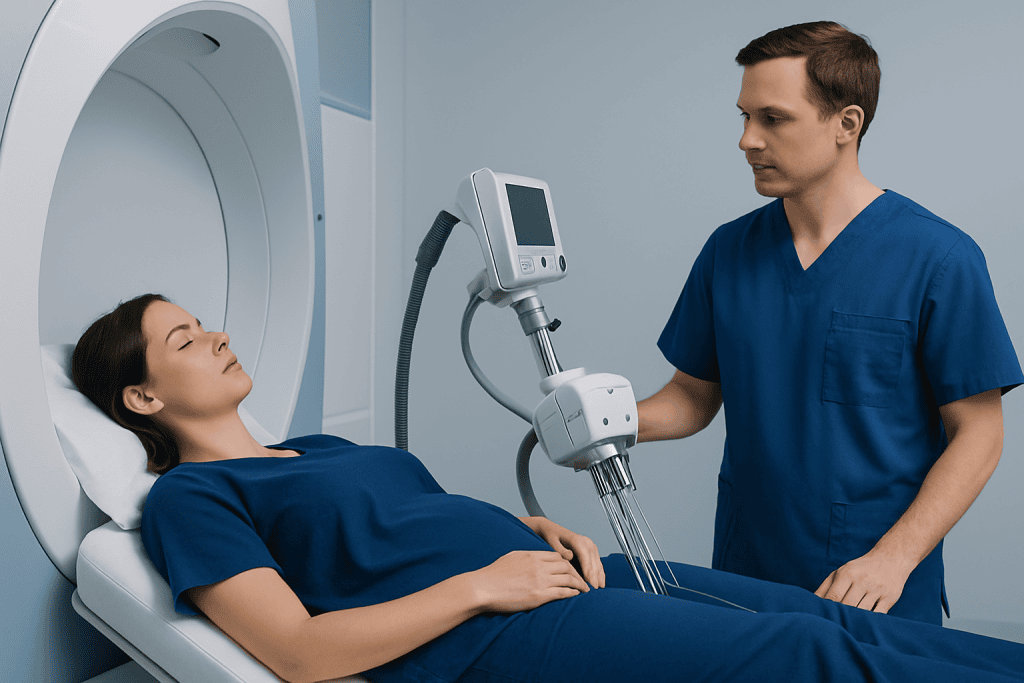
The treatment works by placing sealed radioactive sources through applicators, catheters, needles, seeds, or other devices positioned in or near the cancer. These sources give off radiation over a planned period of time. The dose falls off quickly as the distance from the source increases, which is one of the reasons brachytherapy can protect surrounding structures better than some other approaches.
Doctors generally describe brachytherapy by how long the source stays in place and how fast the dose is delivered. Temporary brachytherapy places the source for minutes to days and then removes it. Permanent brachytherapy leaves tiny radioactive seeds in place, where they gradually lose activity over time.
The main dose-rate categories include:
- High-dose-rate (HDR) brachytherapy: a strong source is placed temporarily for a short session, often repeated over several visits.
- Low-dose-rate (LDR) brachytherapy: radiation is delivered more slowly over hours, days, or through permanent seed implants.
- Pulsed-dose-rate (PDR) brachytherapy: radiation is given in scheduled pulses to mimic low-dose treatment in certain specialist settings.
Brachytherapy can also be described by where it is placed. Intracavitary brachytherapy puts the source into a natural body cavity, such as the uterus or vagina. Interstitial brachytherapy places the source directly into tissue, such as the prostate or breast area. Surface or intraluminal techniques may be used in selected tumors affecting the skin or hollow organs.
When brachytherapy is used

Brachytherapy is not a single treatment for every cancer. It is most useful when the tumor is well-defined and can be reached safely with an internal applicator or implant. The best candidates are identified by a radiation oncologist, often working closely with surgeons, medical oncologists, radiologists, and organ-specific specialists.
One of the best-known uses is prostate cancer, where brachytherapy may be offered alone for selected early tumors or combined with external radiation for higher-risk disease. It is also widely used in gynecologic cancers, especially cervical and some uterine cancers, where intracavitary treatment is often an important part of curative care. In breast cancer, it may sometimes be used to treat only the area around the tumor bed after surgery in carefully chosen patients.
Other possible uses include certain head and neck cancers, skin cancers, bile duct tumors, eye tumors, and some recurrent cancers in previously treated areas. For patients with cervical cancer or other pelvic cancers, brachytherapy can be a key component of local control. Not every patient will be eligible, and treatment recommendations depend on the exact tumor features, anatomy, and prior therapies.
In some cases, brachytherapy is used after surgery to lower the chance of recurrence. In others, it may be given before or instead of surgery, or as a boost after external radiation. The decision is highly individualized and is usually based on pathology results, imaging findings, and the goals of treatment.
Planning, preparation, and diagnosis
Before brachytherapy begins, the cancer team confirms the diagnosis and maps the treatment area carefully. This often involves a physical examination, biopsy results, and imaging such as ultrasound, CT, MRI, or PET/CT when appropriate. These steps help define the tumor’s size, location, and relationship to nearby organs.
Treatment planning is detailed and usually happens over more than one appointment. During a planning session, the doctor may place a temporary applicator or use imaging to determine the safest path and the correct radiation dose. Computer-based planning software then calculates how long the radioactive source should stay in each position to treat the tumor accurately.
Preparation depends on the treatment area. Some patients are asked not to eat or drink for a number of hours before a procedure, especially if sedation or anesthesia is planned. Blood tests, medication review, and instructions about blood thinners may also be needed. The care team explains what to expect, how long the procedure takes, and whether the patient will go home the same day or stay overnight.
Patients often find it helpful to ask practical questions in advance, such as whether they will need someone to drive them home, when they can return to work, and what short-term restrictions may apply. At experienced centers, planning and delivery are often coordinated through radiation oncology teams using image guidance to improve accuracy and comfort.
What happens during treatment
The exact procedure depends on the cancer being treated. In many forms of brachytherapy, the doctor first places applicators, catheters, needles, or seeds into the target area. This may be done in an operating room, procedure suite, or radiation department using local anesthesia, sedation, or general anesthesia, depending on the situation.
For temporary brachytherapy, the applicators remain in place while a machine sends the radioactive source into them for a carefully timed treatment. The source is removed when the session ends. Some patients have a single treatment, while others have several sessions over days or weeks. For permanent seed implants, tiny seeds are placed into the tissue and left there; they slowly lose their radioactivity over time.
During treatment, the team monitors positioning closely with imaging and computer planning. The procedure itself is usually painless once anesthesia or sedation is working, but patients may notice pressure, temporary soreness, or discomfort afterward. If treatment involves the pelvis, urinary or bowel symptoms can occur for a short time as tissues react to radiation.
Some brachytherapy treatments are outpatient procedures, while others require a short hospital stay. If a temporary radioactive source remains in place for a period of time, special room and visitor instructions may apply. The team will explain any precautions clearly and tell the patient when normal contact with family members can resume.
Benefits, risks, and possible side effects
The main advantage of brachytherapy is precision. Because radiation is delivered very close to the tumor, doctors can often treat the cancer intensively while limiting exposure to nearby healthy tissues. This may shorten overall treatment time for some cancers and can sometimes reduce certain side effects compared with broader radiation fields.
Still, brachytherapy is a medical procedure and carries risks. Short-term effects often depend on the treatment area and may include bruising, swelling, fatigue, irritation, discomfort, bleeding, urinary symptoms, bowel changes, or vaginal irritation in pelvic treatments. These effects are often manageable and improve with time, although each patient’s experience is different.
Longer-term side effects are less common but can occur. Depending on the body site, they may include scarring, changes in bladder or bowel habits, narrowing or dryness in treated tissues, erectile dysfunction, fertility effects, or delayed healing. There is also a small risk of infection or injury related to placing the applicators or implants. The oncology team discusses these possibilities before treatment and weighs them against the expected benefits.
Patients should report new or worsening symptoms promptly, especially fever, heavy bleeding, severe pain, difficulty urinating, or signs of infection. Close follow-up after treatment is important so the team can monitor recovery and assess how well the cancer has responded.
Recovery, self-care, and follow-up
Recovery after brachytherapy varies with the type of treatment and the part of the body treated. Many patients return to light daily activities within a short time, while others need several days to recover from anesthesia or local soreness. It is common to feel tired for a period after treatment, especially if brachytherapy is combined with other cancer therapies.
General self-care measures can support recovery:
- Rest as needed, but keep gentle daily movement if the care team allows it.
- Drink enough fluids unless another medical condition limits this.
- Take prescribed medicines as directed for pain, bladder symptoms, or nausea.
- Avoid heavy lifting or strenuous activity if advised after an implant procedure.
- Follow site-specific instructions for skin care, hygiene, sexual activity, or use of tampons.
Some permanent seed implants involve temporary precautions, such as avoiding prolonged close contact with pregnant people or small children for a short period. This does not apply to all forms of brachytherapy, so patients should follow the instructions given for their specific treatment. Follow-up visits usually include symptom review, physical examination, and imaging or lab tests when needed.
Ongoing follow-up is a key part of cancer care because it helps detect side effects early and monitor for recurrence. In international centers such as Acibadem International, multidisciplinary specialists in JCI-accredited hospitals diagnose and treat cancers with individualized radiation strategies, including brachytherapy when appropriate.
When to seek medical care
Patients should contact their doctor if they develop symptoms that are new, persistent, or more severe than expected after brachytherapy. This includes fever, chills, increasing redness or drainage at a procedure site, worsening pelvic or urinary pain, trouble passing urine, heavy bleeding, or severe constipation or diarrhea. Early review can help manage side effects before they become more uncomfortable.
Urgent medical attention is important for chest pain, shortness of breath, confusion, fainting, severe weakness, or uncontrolled bleeding. Patients should also seek prompt advice if they have significant nausea or vomiting, cannot keep fluids down, or notice a sudden change in bowel or bladder function. Any concern about an implant, applicator site, or post-procedure recovery is a good reason to call the care team.
Outside the recovery period, a person should arrange a medical evaluation if they have symptoms that could suggest cancer, such as unexplained bleeding, a persistent lump, unexplained weight loss, or ongoing pain. Brachytherapy is only one possible treatment, and the first step is always an accurate diagnosis and a specialist assessment. A qualified doctor can explain whether internal radiation therapy is appropriate and what alternatives may also be considered.
Frequently asked questions
Is brachytherapy the same as regular radiation therapy?
Brachytherapy is a type of radiation therapy, but it is different from external beam radiation. Instead of delivering radiation from outside the body, it places the radiation source inside or very close to the tumor. This allows treatment to be highly targeted.
How long does brachytherapy treatment take?
The timing depends on the cancer type and whether the treatment is temporary or permanent. Some sessions take only minutes once the applicator is in place, while others involve several treatments over days or weeks. The doctor explains the exact schedule during planning.
Will the patient be radioactive after brachytherapy?
That depends on the technique used. With temporary brachytherapy, the radioactive source is removed after treatment, so the patient is usually not radioactive afterward. With permanent seed implants, a small amount of radiation remains for a period of time, and the team may give short-term safety instructions.
Is brachytherapy painful?
The procedure is usually done with anesthesia, sedation, or pain control to reduce discomfort. Patients may still feel pressure or temporary soreness afterward, depending on where the treatment was placed. Most side effects can be managed with supportive care and follow-up.
What cancers are commonly treated with brachytherapy?
Brachytherapy is commonly used for prostate, cervical, uterine, and some breast cancers. It may also be used for selected head and neck, skin, eye, and other tumors. Whether it is suitable depends on the tumor’s location, size, and treatment goals.
Can brachytherapy be combined with other cancer treatments?
Yes. Brachytherapy is often combined with external radiation, surgery, chemotherapy, or hormone therapy when this offers the best chance of control. Combined treatment is planned carefully to balance effectiveness with side effects.
This article is for general information only and is not a substitute for professional medical advice. Please consult a qualified doctor about your individual situation.
Oncology care in Turkey — second opinion and treatment plan
JCI-accredited · board-certified surgeons · reply within 24h
Add us as a Preferred Source to see more of our trusted health content across Google Search, AI Overviews and Discover.

More from the Health Library

Bones of the Cranium: What Patients Need to Know

Brown Rice Constipation: What Patients Need to Know

Heart Enzymes Rising: An Evidence-Based Guide for Patients
Foley Balloon: An Evidence-Based Guide for Patients

Urine Smells Like Ammonia: A Complete Medical Overview