Bradypnea: A Complete Medical Overview

Bradypnea is abnormally slow breathing and is different from shortness of breath or shallow breathing. Some cases are benign, but persistent or sudden slow breathing can signal a serious medical problem.
Key Takeaways
- Bradypnea is abnormally slow breathing and is different from shortness of breath or shallow breathing.
- Some cases are benign, but persistent or sudden slow breathing can signal a serious medical problem.
- Common causes include sedating medicines, sleep-related breathing disorders, brain or nerve problems, and metabolic disturbances.
- Diagnosis focuses on the breathing rate, oxygen levels, medical history, medications, and the underlying cause.
- Treatment aims to correct the reason for slow breathing and support safe oxygen and carbon dioxide levels.
- Emergency care is needed if slow breathing occurs with confusion, blue lips, fainting, or difficult awakening.
Bradypnea means breathing more slowly than expected for age and situation. It can occur normally during deep sleep or relaxation, but it may also reflect medication effects, neurological disease, metabolic problems, or other conditions that need medical attention.
Overview
Bradypnea is the medical term for breathing that is slower than normal. In adults at rest, a typical breathing rate is usually about 12 to 20 breaths per minute, so a rate below this range may be described as bradypnea depending on the person’s age, overall health, sleep state, and clinical context. On its own, a slow rate does not always mean disease, but it deserves attention when it is unexpected, persistent, or accompanied by other symptoms.
Normal breathing changes throughout the day. It commonly slows during sleep, meditation, or deep relaxation, and well-trained athletes may also have a lower resting respiratory rate. Bradypnea becomes more medically important when slow breathing is not appropriate for the situation or when it reduces the body’s ability to exchange oxygen and carbon dioxide effectively.
Because breathing is controlled by the brain, nerves, chest muscles, and lungs working together, many different conditions can contribute to bradypnea. The key question is not only whether breathing is slow, but whether it is safe and whether the person is getting enough oxygen while clearing carbon dioxide properly.
For patients and families, it can help to think of bradypnea as a sign rather than a diagnosis. A healthcare professional looks beyond the breathing rate itself to identify what is causing it and whether urgent treatment is needed.
What Bradypnea Feels Like and How It Differs From Other Breathing Problems
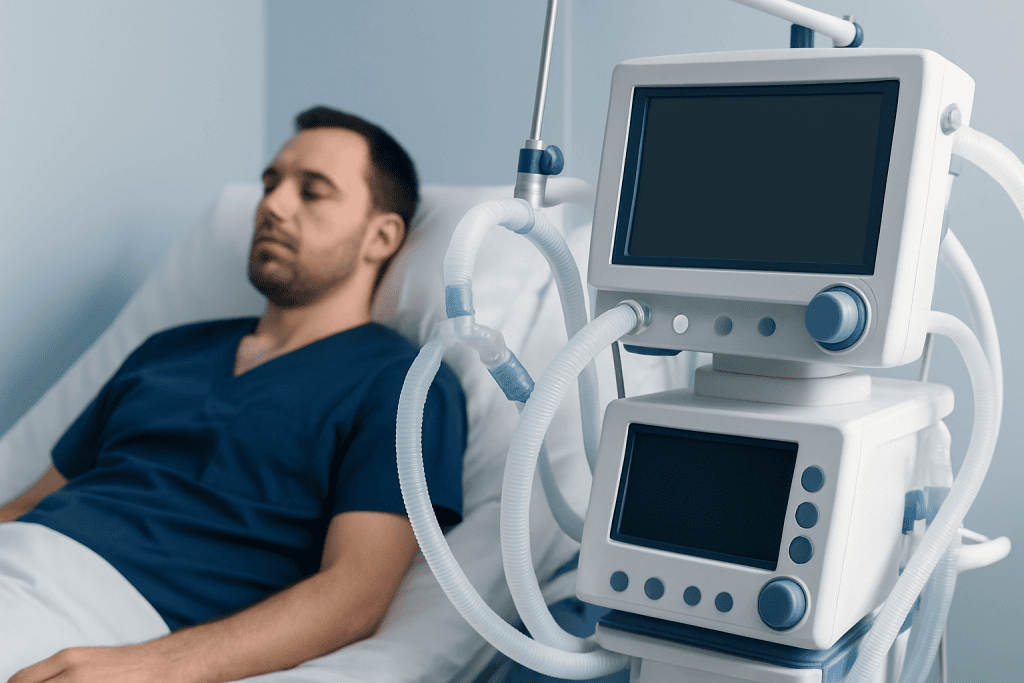
Some people with bradypnea notice no symptoms at all, especially if the slowing is mild or occurs during sleep. Others may feel unusually sleepy, tired, mentally foggy, dizzy, or weak. If slow breathing leads to low oxygen levels or a buildup of carbon dioxide, symptoms can become more noticeable and may include headache, confusion, poor concentration, bluish lips, or difficulty staying awake.
Bradypnea is not the same as dyspnea, which means the feeling of breathlessness or air hunger. A person can be short of breath without breathing slowly, and a person can have bradypnea without feeling obviously short of breath. It is also different from shallow breathing, where breaths are small or not deep enough, although the two can occur together.
Clinicians also distinguish bradypnea from apnea, which is a temporary pause in breathing. In sleep disorders such as sleep apnea, periods of reduced or paused breathing may alternate with slow or irregular breathing patterns. This is one reason the medical context matters when a breathing change is noticed.
Possible symptoms and warning signs include:
- Unusual drowsiness or trouble waking up
- Headache, especially on waking
- Confusion, slowed thinking, or poor coordination
- Dizziness or fainting
- Bluish lips or fingertips
- Slow, shallow, or irregular breathing noticed by others
Common Causes and Risk Factors

Bradypnea can develop when the brain’s breathing centers are suppressed, when nerve or muscle signals are impaired, or when the body’s metabolic state alters the drive to breathe. One of the most important and common causes is the effect of sedating substances. Opioid pain medicines, some anti-anxiety medications, sleeping pills, alcohol, and combinations of these can slow breathing significantly. In severe cases, this may cause respiratory depression, which is a medical emergency.
Neurological conditions are another major group of causes. Head injury, stroke, pressure on the brain, seizures, or diseases affecting the brainstem can interfere with breathing control. Certain nerve and muscle disorders may also weaken the mechanics of breathing. Depending on the broader clinical picture, doctors may evaluate related neurological problems such as epilepsy when episodes of altered breathing occur around seizure activity.
Sleep-related breathing disorders can contribute as well. Obstructive or central sleep apnea may lead to repeated changes in breathing rhythm overnight, resulting in unrestful sleep, morning headache, and daytime fatigue. People with obesity, chronic sedative use, heart failure, or certain neurological conditions may be at higher risk of sleep-related abnormal breathing.
Metabolic and systemic illnesses can also reduce breathing drive. Examples include severe hypothyroidism, low body temperature, electrolyte disturbances, and advanced illness affecting multiple organ systems. Risk factors that make medical evaluation more important include recent medication changes, substance use, known neurological disease, sleep disorder symptoms, older age, and any new change in alertness or oxygen levels.
How Doctors Diagnose Bradypnea
Diagnosis starts with careful observation and context. A healthcare professional measures the respiratory rate, checks oxygen saturation, and looks at the pattern of breathing rather than relying on a single number alone. They also assess alertness, speech, skin color, pulse, blood pressure, and temperature to understand whether the slow breathing is affecting the whole body.
Medical history is especially important. Doctors ask when the problem began, whether it happens during sleep or daytime, what medicines or substances are being used, and whether there are symptoms such as confusion, fainting, snoring, witnessed pauses in breathing, chest pain, or recent injury. Medication review is critical because prescribed and nonprescribed substances can both contribute.
Tests depend on the suspected cause. Common evaluations may include blood tests, arterial or venous blood gas testing to assess oxygen and carbon dioxide, toxicology screening, and imaging when a brain or chest problem is suspected. If a structural lung issue needs to be assessed, clinicians may consider chest X-ray or other imaging as appropriate.
When the concern is mainly overnight breathing changes, a sleep evaluation may be recommended. In selected patients, brain imaging, heart studies, or more specialized neurological assessment may be needed. The main goal is to identify whether bradypnea is a normal variation, a medication effect, or a sign of an underlying disorder that requires treatment.
Treatment Options
Treatment for bradypnea depends on the cause and the severity. If a person has dangerously slow breathing, reduced consciousness, or low oxygen levels, treatment starts with emergency support. This may include monitoring, oxygen, helping the person maintain an open airway, and sometimes assisted ventilation. In urgent situations, clinicians focus first on restoring safe breathing and then on identifying the reason it slowed.
When medicines are responsible, management may involve stopping, reducing, or changing the medication under medical supervision. If opioid-related respiratory depression is suspected, emergency teams may use reversal treatment where appropriate. It is important that patients do not stop prescribed medicines on their own without professional guidance unless they are directed to do so in an emergency setting.
If an underlying disorder is found, treatment is directed at that condition. Sleep-related problems may be managed with lifestyle measures, sleep testing, and supportive therapies such as sleep study testing to guide care. In selected neurological or respiratory cases, doctors may recommend further support through pulmonary, sleep, or critical care services.
For some patients, hospital evaluation is needed, especially when bradypnea appears suddenly or occurs with injury, overdose, confusion, or other unstable symptoms. Acibadem International’s multidisciplinary specialists and JCI-accredited hospitals evaluate breathing problems for international patients, including diagnostic imaging, sleep assessment, and emergency care when needed.
Prevention and Self-Care
Prevention begins with understanding personal risk factors. Patients should take sedating medicines exactly as prescribed and avoid combining them with alcohol or other sedatives unless a doctor specifically advises that it is safe. This is particularly important for opioids, sleeping pills, and anti-anxiety medications, which can have additive effects on breathing.
Healthy sleep habits and evaluation of snoring or witnessed breathing pauses can also help. People who wake with headaches, feel very sleepy during the day, or have been told they stop breathing during sleep should discuss these symptoms with a clinician. Identifying sleep apnea early may reduce the risk of ongoing nighttime breathing problems.
General wellness supports safer breathing too. Managing chronic medical conditions, avoiding recreational drug use, and following medical advice after head injury or neurological illness are practical steps. Families and caregivers should know the warning signs of dangerous slow breathing, especially if a loved one uses opioid pain medicine or has a condition affecting the brain or nerves.
Home monitoring should not replace medical assessment, but noticing patterns can be useful. If slow breathing is repeatedly observed, especially with sleepiness, confusion, or color changes, the safest next step is professional evaluation rather than self-treatment.
When to Seek Medical Care
Medical care should be sought promptly if bradypnea is new, unexplained, or recurring. A routine appointment may be appropriate for mild symptoms such as daytime fatigue, snoring, or a gradually noticed slow breathing pattern, especially if the person is otherwise stable. A clinician can determine whether the finding is normal for that individual or whether further testing is needed.
Urgent or emergency care is needed if slow breathing happens with trouble waking up, confusion, bluish lips, chest pain, severe weakness, fainting, suspected overdose, or recent head injury. These features can suggest that the brain, heart, lungs, or the body’s oxygen balance is being affected. Children, older adults, and anyone with serious medical conditions should be assessed with particular care.
It is also wise to seek advice after any medication change if breathing seems slower than usual. This applies to prescription pain relievers, sedatives, and substances used for sleep or anxiety. If a person becomes less responsive or their breathing is very slow or irregular, emergency services should be contacted immediately.
Early assessment often makes treatment simpler and safer. Even when the cause turns out to be benign, checking new breathing changes with a qualified doctor can help prevent complications and provide reassurance.
Frequently asked questions
What does bradypnea mean?
Bradypnea means breathing more slowly than normal for a person’s age and situation. In adults at rest, it generally refers to a respiratory rate below the usual range, though context such as sleep or athletic conditioning matters.
Is bradypnea always dangerous?
No. Slow breathing can be normal during sleep, deep relaxation, or in some very fit individuals. It becomes more concerning when it is sudden, persistent, medication-related, or accompanied by symptoms like confusion, blue lips, or difficulty waking.
Can medications cause bradypnea?
Yes. Opioids, sedatives, sleeping pills, anti-anxiety medicines, alcohol, and combinations of these can suppress the drive to breathe. Anyone who seems unusually sleepy or breathes slowly after taking these substances should be evaluated urgently.
How is bradypnea diagnosed?
Doctors diagnose bradypnea by measuring the breathing rate and assessing the overall pattern, oxygen levels, and mental status. They also review medications, medical history, and may order blood tests, imaging, or sleep studies depending on the suspected cause.
What is the treatment for bradypnea?
Treatment depends on the cause. It may involve adjusting medications, treating a sleep disorder, managing a neurological or metabolic problem, or providing emergency breathing support if the person is unstable.
When should someone seek emergency care for slow breathing?
Emergency care is needed if slow breathing occurs with fainting, confusion, severe drowsiness, blue lips, chest pain, suspected overdose, or recent head injury. These signs can indicate that the body is not getting enough oxygen or is retaining too much carbon dioxide.
This article is for general information only and is not a substitute for professional medical advice. Please consult a qualified doctor about your individual situation.
Explore treatments in Turkey — costs, top hospitals & a free quote
JCI-accredited · board-certified surgeons · reply within 24h
Add us as a Preferred Source to see more of our trusted health content across Google Search, AI Overviews and Discover.

More from the Health Library

Dry Scalp — Explained by Medical Evidence, Not Myths

Blue Light Glasses: What Patients Need to Know

Fetal Pole: An Evidence-Based Guide for Patients

Fast Time for a Mile: What Patients Need to Know

Aromatase Inhibitors — Explained by Medical Evidence, Not Myths