Brain Fog After Migraine: Why It Happens and When to Seek Specialist Advice

Brain fog after migraine often happens during the postdrome, or “migraine hangover,” phase. Symptoms may include poor concentration, slowed thinking, forgetfulness, fatigue, and sensitivity to light or sound.
Key Takeaways
- Brain fog after migraine often happens during the postdrome, or “migraine hangover,” phase.
- Symptoms may include poor concentration, slowed thinking, forgetfulness, fatigue, and sensitivity to light or sound.
- Most episodes improve with rest, hydration, sleep, and good migraine management.
- New, severe, or long-lasting cognitive symptoms need medical evaluation to rule out other causes.
- Specialist advice can help if migraines are frequent, disabling, or changing in pattern.
Brain fog after migraine is a common part of the recovery phase for many people. It can cause temporary trouble with concentration, memory, mental clarity, and energy, but persistent or unusual symptoms should be assessed by a qualified doctor.
Overview
Brain fog after migraine describes a period of reduced mental clarity that can happen before, during, or especially after a migraine attack. Many people say they feel “spaced out,” mentally slow, distracted, or unusually tired. This phase is often part of the postdrome, sometimes called the migraine hangover, and it may continue even after the head pain improves.
Migraine is more than a headache. It is a neurological condition that can affect thinking, mood, energy, vision, and sensitivity to sound, light, or smells. For some people, brain fog is one of the most disruptive parts of the experience because it can interfere with work, study, driving, conversations, and daily routines.
In most cases, brain fog after migraine is temporary and improves as the brain recovers from the attack. Still, it is important not to assume every episode of confusion or poor concentration is due to migraine. If symptoms are new, severe, prolonged, or different from a person’s usual pattern, a doctor may recommend evaluation to rule out other neurological or medical causes.
Symptoms of Brain Fog After Migraine
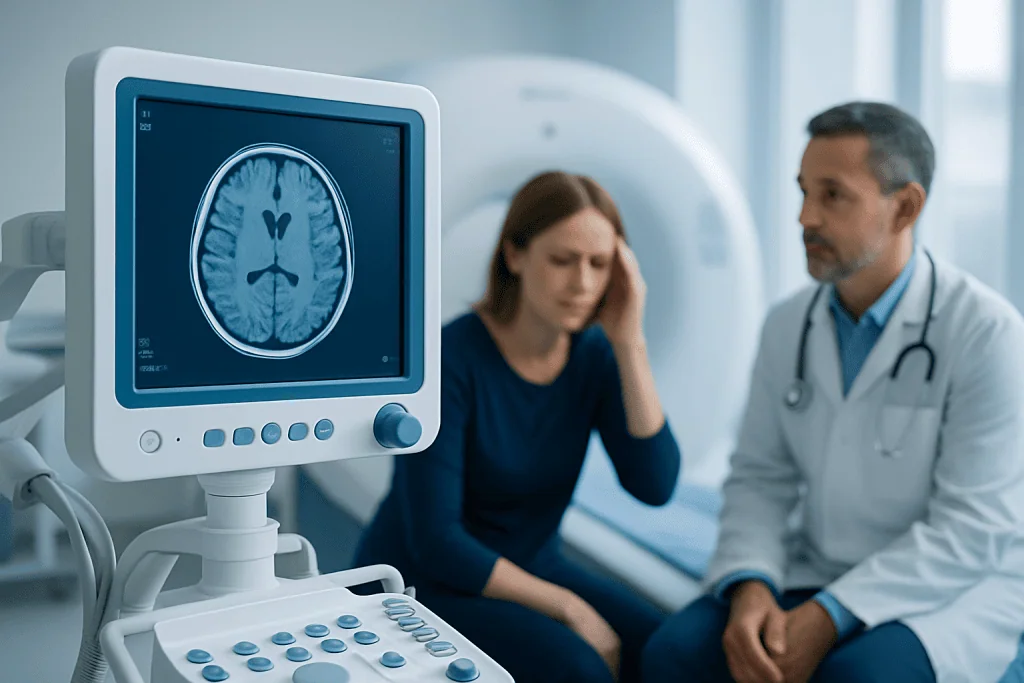
The symptoms of brain fog after migraine can vary from person to person. Some people notice only mild forgetfulness, while others feel significantly slowed down for hours or even a day or two after an attack. The symptoms often improve gradually rather than disappearing all at once.
Common features may include:
- Difficulty concentrating or staying focused
- Slower thinking or delayed responses
- Forgetfulness or trouble finding words
- Mental fatigue or low energy
- Feeling detached, foggy, or not fully alert
- Reduced motivation or irritability
- Persistent sensitivity to light, sound, or motion
Brain fog can appear alongside other post-migraine symptoms such as tiredness, neck discomfort, nausea, dizziness, or mood changes. In some people, similar cognitive symptoms may also occur during the early warning stage of migraine or as part of aura. Because symptoms can overlap with other neurological conditions, a careful history is important when episodes become more frequent or unusual.
Why It Happens: Causes and Risk Factors

The exact reason brain fog after migraine happens is not fully understood, but specialists believe it reflects temporary changes in how the brain functions during and after a migraine attack. Migraine can influence networks involved in attention, memory, sensory processing, and energy regulation. After the main phase of the attack, the brain may need time to return to its usual balance.
Several factors may contribute. Poor sleep, dehydration, stress, skipping meals, hormonal shifts, and sensory overload can all increase the burden on the nervous system during a migraine. The medications used during an attack may also leave some people feeling sleepy or mentally slowed, especially if they are already fatigued.
Brain fog may be more noticeable in people who have frequent migraines, prolonged attacks, aura, or significant postdrome symptoms. It can also feel worse when there are coexisting conditions such as anxiety, depression, insomnia, concussion history, chronic pain, or medication overuse headache. Sometimes people who have migraine may also have dizziness, balance symptoms, or visual sensitivity that adds to the sense of mental cloudiness.
It is also important to remember that not all concentration problems after a headache are caused by migraine alone. Lack of sleep, anemia, thyroid disorders, infection, medication side effects, and other neurological conditions can produce similar symptoms. That is why persistent or changing symptoms deserve medical review rather than self-diagnosis.
How Doctors Evaluate It
Diagnosis begins with a detailed discussion of the person’s migraine history and the timing of the brain fog. A doctor will usually ask when symptoms start, how long they last, whether they happen with every attack, and whether there are warning signs such as weakness, fainting, fever, speech trouble, or new visual changes. This timeline helps distinguish typical postdrome symptoms from other conditions.
A neurological examination may be done to check strength, sensation, coordination, balance, reflexes, vision, and language. In many people with a stable history of migraine and a normal examination, no advanced testing is needed. However, if symptoms are new, prolonged, or concerning, doctors may recommend further assessment.
Depending on the situation, evaluation may include blood tests or an MRI scan to look for other causes of cognitive symptoms or headache changes. In selected cases, doctors may also assess sleep problems, mood symptoms, medication side effects, or other headache disorders such as tension headache. When language issues, numbness, or one-sided weakness are prominent, urgent evaluation is especially important because these symptoms can overlap with stroke or other serious neurological events.
Treatment Options and Recovery
There is no single treatment aimed only at brain fog after migraine, so care usually focuses on treating the migraine attack effectively and reducing the likelihood of future episodes. A doctor may review acute migraine medicines, how early they are taken, how often they are used, and whether preventive treatment is appropriate. Better overall migraine control often leads to less severe postdrome symptoms.
Recovery strategies are supportive and practical. Many people benefit from resting in a calm environment, drinking fluids, eating a light meal if tolerated, and allowing time for sleep. During recovery, it can help to reduce demanding tasks, bright screens, loud settings, and multitasking until mental clarity improves.
If attacks are frequent or disabling, a specialist may suggest a broader migraine management plan, which can include lifestyle measures, preventive medication, and evaluation in a dedicated neurology consultation. In some cases, if headache patterns are complex or symptoms overlap with other causes of chronic head pain, a structured review of headache treatment options can be helpful. Treatment should always be individualized, especially when there are other medical conditions, pregnancy, or regular use of multiple medicines.
Prevention and Self-care
Although not every migraine can be prevented, regular habits can reduce attacks and may make post-migraine brain fog less intense. Many people find that the brain recovers better when hydration, meals, sleep, and stress are more consistent. Identifying personal triggers can also help lower the risk of severe episodes.
Useful self-care measures may include:
- Keeping a migraine diary to track headaches, symptoms, food, sleep, and menstrual patterns
- Staying hydrated throughout the day
- Eating regular meals and avoiding prolonged fasting
- Maintaining a consistent sleep schedule
- Taking prescribed migraine medicine as directed
- Limiting excess caffeine and alcohol if they trigger symptoms
- Taking short breaks from screens and bright environments during recovery
Gentle pacing is often better than trying to push through severe brain fog. Planning lighter activities on a recovery day, using reminders or notes, and postponing high-stakes decisions can reduce frustration. If symptoms are happening often, it may help to discuss workplace or school strategies with a clinician.
Near the end of the care pathway, some people benefit from specialist support in centers experienced in neurological conditions. Acibadem International’s multidisciplinary specialists and JCI-accredited hospitals diagnose and treat migraine-related conditions for international patients when more detailed evaluation is needed.
When to Seek Specialist Advice
Specialist advice is sensible when brain fog after migraine is frequent, lasts longer than usual, affects safety, or significantly disrupts daily life. It is also worth seeking medical review if migraine attacks are becoming more common, more painful, or less responsive to the usual treatment. A neurologist or headache specialist can help confirm whether symptoms fit a migraine pattern and whether preventive therapy is needed.
Urgent medical care is important if symptoms include sudden severe headache, fainting, seizure, new weakness, facial drooping, persistent speech difficulty, confusion that is severe or worsening, or vision loss. These symptoms are not typical to ignore, even in someone with known migraine, because other serious conditions can look similar.
A person should also speak with a doctor if brain fog appears for the first time after age 50, follows a head injury, occurs with fever or neck stiffness, or lasts much longer than the usual post-migraine period. Early assessment helps rule out other causes and gives the best chance of finding an effective management plan.
Frequently asked questions
How long does brain fog after migraine usually last?
For many people, brain fog lasts a few hours to a day after the headache phase ends. In some cases, it can continue a bit longer, especially after a severe attack. If it lasts much longer than a person’s usual pattern, medical advice is recommended.
Is brain fog after migraine normal?
Yes, it is a common symptom for many people with migraine and is often part of the postdrome phase. Even so, “common” does not mean it should be ignored if it becomes severe, persistent, or different from previous attacks. A doctor can help confirm that symptoms fit a migraine pattern.
Can migraine cause trouble with memory and concentration?
Yes, migraine can temporarily affect attention, word-finding, mental speed, and short-term memory. These changes are usually reversible and improve as the attack resolves. Ongoing or progressive memory problems need separate medical evaluation.
What helps relieve brain fog after migraine?
Rest, hydration, sleep, a quiet environment, and appropriate migraine treatment often help. Reducing screen time and avoiding demanding tasks during recovery may also be useful. If symptoms are frequent, a doctor may review migraine prevention options.
When is brain fog after migraine a warning sign?
It is a warning sign when it is sudden, severe, unusual, or accompanied by weakness, speech problems, fainting, seizure, or major vision changes. Symptoms that do not improve as expected also deserve prompt assessment. These features may point to something other than a typical migraine recovery phase.
Should someone see a neurologist for brain fog after migraine?
Seeing a neurologist is reasonable if migraines are frequent, disabling, changing in pattern, or causing prolonged cognitive symptoms. A specialist can help rule out other causes and create a more targeted treatment plan. This is especially helpful when standard measures are no longer working well.
References
- World Health Organization
- International Headache Society
- National Institute of Neurological Disorders and Stroke
- American Migraine Foundation
This article is for general information only and is not a substitute for professional medical advice. Please consult a qualified doctor about your individual situation.
Migraine in Turkey — costs, top hospitals & a free quote
JCI-accredited · board-certified surgeons · reply within 24h
Add us as a Preferred Source to see more of our trusted health content across Google Search, AI Overviews and Discover.

More from the Health Library



Related Specialists

Dr. Ali Şenol Çelebi
Radiology
Dr. Cevat Rifat Cündübey
Gynecology & Obstetrics
Prof. Dr. Mehmet Ali Vardar
Gynecology & Obstetrics
Fzt. Serkan Başkurt
Physical Medicine & Rehabilitation