Brain Infections: Early Warning Signs That Need Urgent Neurology Care

Brain infections may involve the brain tissue, the membranes around the brain and spinal cord, or nearby areas that spread infection. Common urgent warning signs include fever, severe headache, neck stiffness, confusion, seizures, drowsiness, and weakness.
Key Takeaways
- Brain infections may involve the brain tissue, the membranes around the brain and spinal cord, or nearby areas that spread infection.
- Common urgent warning signs include fever, severe headache, neck stiffness, confusion, seizures, drowsiness, and weakness.
- Causes include viruses, bacteria, fungi, parasites, and infections spreading from the ear, sinuses, bloodstream, or after surgery or injury.
- Diagnosis often involves neurological examination, blood tests, brain imaging, and sometimes lumbar puncture.
- Treatment depends on the cause and may include antiviral, antibiotic, or antifungal medicines along with hospital monitoring and supportive care.
- Anyone with sudden neurological symptoms, reduced alertness, or seizures should seek emergency evaluation right away.
Brain infections are serious conditions that affect the brain, its lining, or nearby structures and often require urgent medical care. Early recognition of warning signs such as fever, severe headache, confusion, seizures, or new neurological symptoms can help speed diagnosis and treatment.
Overview
Brain infections are infections that affect the brain itself, the protective membranes around the brain and spinal cord, or nearby spaces where infection can develop. Doctors may use terms such as encephalitis for infection or inflammation of the brain, meningitis for infection of the membranes, or brain abscess for a localized pocket of infection. Although these conditions are not all the same, they can share similar early symptoms and all deserve prompt medical attention.
These illnesses can develop quickly over hours or days, or more gradually in some cases. A person may begin with what seems like a flu-like illness and then develop more concerning symptoms such as worsening headache, confusion, unusual behavior, difficulty speaking, weakness, or seizures. Because the brain controls thinking, movement, sensation, and vital functions, infection in this area can become serious if treatment is delayed.
Many brain infections are treatable, especially when they are recognized early. Emergency assessment helps doctors identify the cause, begin the right medicines, and watch closely for complications such as swelling, increased pressure in the skull, dehydration, or breathing problems. For patients and families, knowing the warning signs can make it easier to seek care without delay.
Early Warning Signs and Symptoms
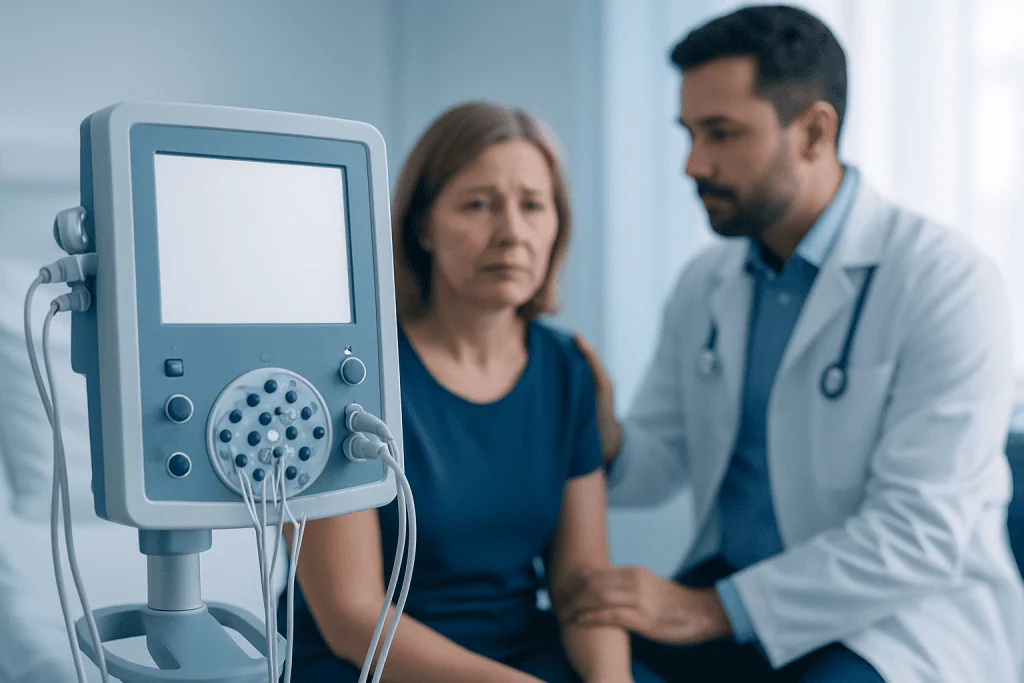
The symptoms of brain infections can vary depending on the cause, the patient’s age, and which part of the nervous system is affected. In many adults, the most important early warning signs include fever, a severe or unusual headache, neck stiffness, nausea or vomiting, sensitivity to light, confusion, and increasing drowsiness. Some people may seem unusually irritable, disoriented, or slow to respond.
Neurological symptoms are especially important because they suggest the brain is directly affected. These may include seizures, fainting, trouble speaking, weakness in an arm or leg, difficulty walking, loss of balance, double vision, new numbness, or changes in personality and behavior. In encephalitis, memory problems, agitation, hallucinations, or reduced awareness can also occur.
Children, older adults, and people with weakened immune systems may not show the classic symptom pattern. Babies may have poor feeding, vomiting, unusual sleepiness, a weak cry, irritability, or a bulging soft spot on the head. Older adults may present mainly with confusion, lethargy, or a sudden decline in function rather than obvious fever or neck stiffness.
Any combination of fever and new neurological symptoms should be treated as urgent. Severe symptoms such as seizures, difficulty waking up, rapid worsening headache, weakness on one side, or loss of consciousness are medical emergencies and should prompt immediate emergency care.
Causes and Risk Factors
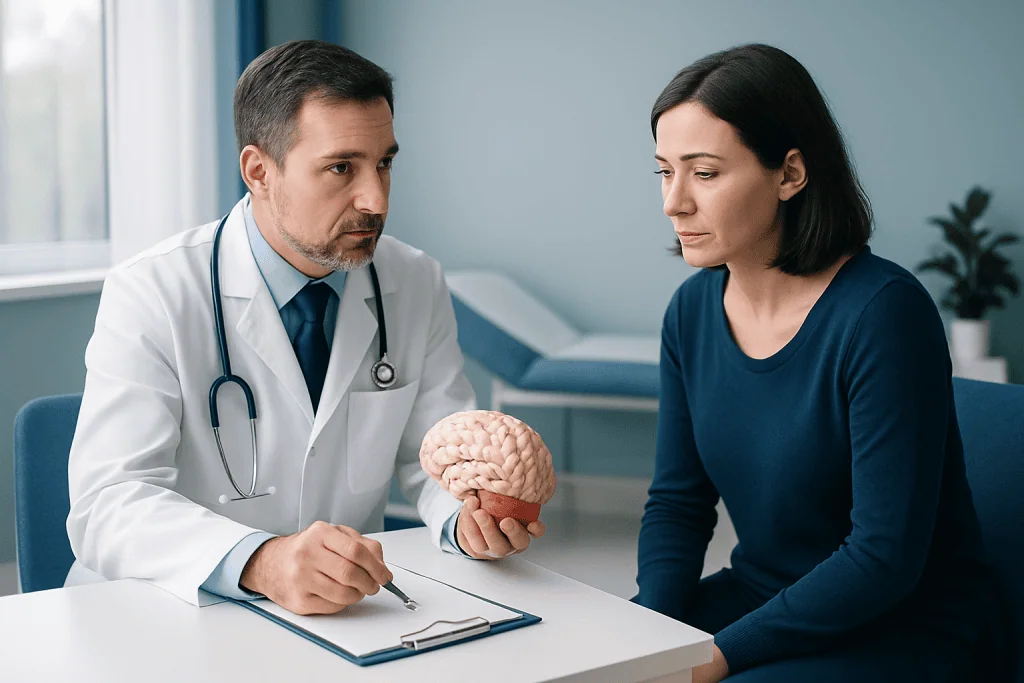
Brain infections can be caused by several types of germs. Viruses are a common cause of encephalitis, while bacteria are a well-known cause of meningitis and brain abscess. Fungi and parasites are less common but can affect people with certain health conditions or exposures. Sometimes the problem begins as an infection elsewhere in the body and then spreads to the brain or its lining through the bloodstream or from nearby structures.
Infections of the ear, mastoid bone, teeth, or sinuses can occasionally spread inward. Head trauma, skull fractures, neurosurgery, and implanted medical devices can also raise the risk because they may allow germs to enter spaces that are normally protected. A brain abscess may develop after such spread and can cause headache, fever, and focal neurological symptoms. Related conditions may include brain abscess or severe meningitis, both of which require specialist care.
Certain people are at higher risk of serious infection. This includes infants, older adults, people with diabetes, cancer, HIV, chronic kidney or liver disease, and those taking medicines that suppress the immune system. Recent travel, insect bites, animal exposure, unpasteurized foods, or exposure to tuberculosis may also help doctors identify possible causes.
Not every person with these risk factors will develop a brain infection, and some affected patients were previously healthy. However, risk factors help guide the urgent tests and treatments that may be needed while the healthcare team works to confirm the diagnosis.
How Brain Infections Are Diagnosed
Doctors diagnose brain infections by combining the patient’s symptoms, medical history, physical examination, and targeted tests. The neurological exam is especially important because it helps identify changes in alertness, memory, speech, strength, coordination, and reflexes. Doctors also look for signs of meningitis such as neck stiffness and assess for skin rashes, ear or sinus infection, or other clues to the source of infection.
Blood tests may check inflammation, infection markers, organ function, and sometimes the presence of specific viruses or bacteria. Brain imaging is often needed, especially when patients have seizures, focal weakness, reduced consciousness, or signs of increased pressure. A CT scan may be used quickly in emergency settings, while MRI scanning can show inflammation, swelling, or abscesses in greater detail.
A lumbar puncture, also called a spinal tap, is one of the key tests for suspected meningitis or encephalitis when it is safe to perform. This test examines cerebrospinal fluid for white blood cells, protein, glucose, and signs of bacteria or viruses. In some cases, doctors may also use electroencephalography (EEG) to look for seizure activity or brain-wave changes that support the diagnosis of encephalitis.
Because treatment should not be delayed in a serious suspected infection, doctors may begin medicines before every test result is available. This is a standard safety-first approach intended to protect the brain while the exact cause is being confirmed.
Treatment Options and Hospital Care
Treatment depends on the most likely cause and how unwell the patient is. Many people with suspected brain infections need hospital care, and some require intensive monitoring. If bacterial meningitis or brain abscess is possible, doctors usually start antibiotics quickly. If viral encephalitis is suspected, antiviral treatment may also be started early, especially when herpes viruses are a concern.
Supportive care is just as important as infection-specific treatment. This may include fluids, oxygen, fever control, pain relief, treatment of nausea, and close observation of blood pressure, breathing, and consciousness. If seizures occur, anti-seizure medicines may be needed. When there is swelling or pressure inside the skull, doctors may use additional therapies and frequent neurological reassessment.
Some patients need procedures as well as medicines. A collection of infected fluid may require drainage, and severe complications may call for neurosurgical involvement. Depending on the findings, care may include advanced imaging, infectious disease input, and consultation with neurosurgery teams when a structural complication is suspected.
Recovery can take time, even after the infection is under control. Some patients improve quickly, while others need rehabilitation for weakness, speech difficulties, memory problems, or fatigue. Follow-up is important because doctors may monitor hearing, cognition, seizure risk, or mood changes after the acute illness has passed.
Prevention and Self-Care
Not all brain infections can be prevented, but some practical steps can lower risk. Staying up to date with recommended vaccinations is one of the most effective measures, especially vaccines that protect against infections known to cause meningitis or encephalitis. Good hand hygiene, safe food practices, and avoiding close contact with people who have certain contagious infections can also help.
Prompt treatment of ear infections, sinus infections, dental infections, and skin infections may reduce the chance of spread in some situations. People with chronic illnesses or weakened immune systems should discuss infection prevention with their doctor, particularly before travel or when using immunosuppressive medicines. In areas where insect-borne infections occur, mosquito and tick bite prevention is also important.
At home, self-care is not a substitute for medical assessment when brain infection is possible. Rest, fluids, and fever management may support general comfort, but they should not delay emergency care for severe headache, confusion, neck stiffness, new weakness, seizures, or reduced alertness. If a person seems increasingly difficult to wake, family members should seek emergency help immediately.
After hospital treatment, recovery often improves with good hydration, balanced nutrition, sleep, and follow-up appointments. Patients should return to normal activity only as advised by their medical team, especially if they have had seizures, ongoing fatigue, or concentration problems.
When to Seek Urgent Neurology Care
Urgent neurology or emergency evaluation is needed when symptoms suggest the brain or nervous system may be involved. Important red flags include fever with severe headache, neck stiffness, confusion, new unusual behavior, seizures, weakness, trouble speaking, loss of balance, or a sudden decline in alertness. These symptoms should not be ignored, even if they began with what seemed like a routine viral illness.
Emergency care is especially important for infants, pregnant patients, older adults, and people with weakened immune systems because they may become seriously unwell more quickly or show subtler symptoms at first. Anyone with a recent head injury, neurosurgery, or known infection elsewhere in the body who develops neurological symptoms also needs prompt assessment.
Families often notice the change before the patient does. If a loved one seems markedly confused, unusually sleepy, difficult to wake, or has a seizure, it is safest to call emergency services rather than wait for symptoms to pass. Early treatment can reduce the risk of complications and improve the chance of recovery.
For international patients who need coordinated assessment, Acibadem International’s multidisciplinary specialists and JCI-accredited hospitals diagnose and treat complex neurological infections using neurology, infectious diseases, imaging, and critical care expertise. This may include advanced evaluation with brain MRI when clinically appropriate.
Frequently asked questions
What are the first signs of a brain infection?
Early signs can include fever, a severe or unusual headache, neck stiffness, nausea, and sensitivity to light. As the brain becomes affected, confusion, drowsiness, seizures, weakness, or changes in behavior may appear and need urgent medical care.
Is a brain infection the same as meningitis?
Not exactly. Meningitis is an infection of the membranes around the brain and spinal cord, while encephalitis affects the brain tissue itself, and a brain abscess is a localized collection of infection. These conditions can overlap and may cause similar symptoms.
Can brain infections be treated successfully?
Many brain infections can be treated, especially when diagnosis and treatment happen early. The exact treatment depends on whether the cause is viral, bacterial, fungal, or another organism, and some patients may also need hospital monitoring or procedures.
When should someone go to the emergency department?
Emergency care is needed for fever with severe headache, neck stiffness, confusion, seizures, fainting, new weakness, trouble speaking, or difficulty waking up. It is also important to seek urgent help if symptoms are rapidly worsening or affecting breathing or consciousness.
How do doctors test for a brain infection?
Doctors usually combine a neurological examination with blood tests, brain imaging, and sometimes a lumbar puncture to examine cerebrospinal fluid. Additional tests may be used to look for seizures or identify the specific germ causing the infection.
Can children have different symptoms from adults?
Yes. Babies and young children may show poor feeding, vomiting, irritability, unusual sleepiness, or a weak cry rather than clearly describing headache or neck stiffness. Because symptoms can be less specific, prompt pediatric assessment is important when there is concern.
References
- World Health Organization
- Centers for Disease Control and Prevention
- National Institute of Neurological Disorders and Stroke
- NHS
- Meningitis Research Foundation
This article is for general information only and is not a substitute for professional medical advice. Please consult a qualified doctor about your individual situation.
Joint and spine care in Turkey — expert assessment & treatment
JCI-accredited · board-certified surgeons · reply within 24h
Add us as a Preferred Source to see more of our trusted health content across Google Search, AI Overviews and Discover.