Brain Infections in Children: Warning Signs That Need Urgent Neurology Care

Brain infections in children need urgent medical assessment, especially when fever is combined with neurological symptoms. Common warning signs include severe headache, vomiting, neck stiffness, confusion, seizures, unusual drowsiness, and sensitivity to light.
Key Takeaways
- Brain infections in children need urgent medical assessment, especially when fever is combined with neurological symptoms.
- Common warning signs include severe headache, vomiting, neck stiffness, confusion, seizures, unusual drowsiness, and sensitivity to light.
- Meningitis and encephalitis are different conditions, but both can become serious quickly in children.
- Diagnosis often includes a physical exam, blood tests, brain imaging, and sometimes a lumbar puncture.
- Vaccination, good hygiene, and prompt care for concerning symptoms can help reduce risk.
Brain infections in children are medical emergencies that can affect the tissues around the brain, the brain itself, or the spinal cord. Early recognition of warning signs such as severe headache, fever, vomiting, seizures, confusion, or unusual sleepiness can help a child receive prompt treatment and reduce the risk of complications.
Overview
Brain infections in children are uncommon but potentially serious illnesses that need prompt medical attention. They may involve the protective layers around the brain and spinal cord, called the meninges, or the brain tissue itself. The most well-known examples are meningitis and encephalitis.
These infections can be caused by viruses, bacteria, and less commonly fungi or parasites. In some children, symptoms begin gradually, but in others they can worsen within hours. Because early signs may look similar to common childhood illnesses, parents and caregivers should pay close attention when fever is paired with severe headache, repeated vomiting, unusual behavior, or seizures.
Urgent neurology care may be needed when an infection affects the brain, nervous system, or mental status. Fast evaluation helps doctors identify the cause, start treatment quickly, and monitor for complications such as swelling in the brain, dehydration, or ongoing seizures.
Symptoms and Warning Signs
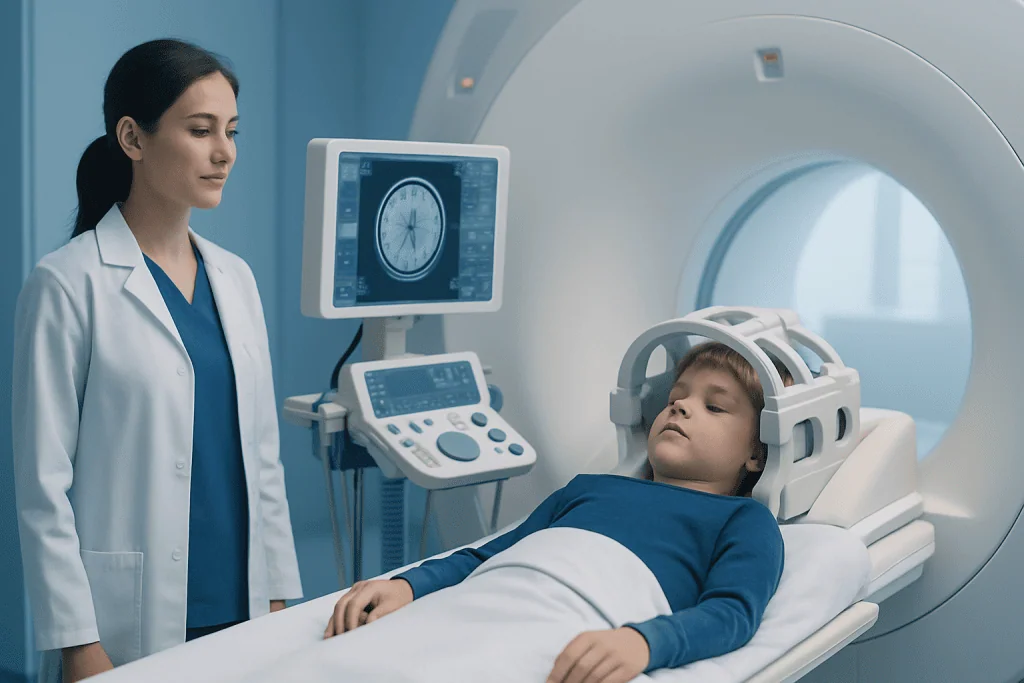
The symptoms of brain infections in children vary by age, cause, and which part of the nervous system is affected. Older children may complain of a severe headache, neck pain, light sensitivity, or feeling confused. They may seem unusually sleepy, irritable, weak, or difficult to wake.
Infants and very young children may show less specific signs. They may feed poorly, cry in an unusual high-pitched way, seem floppy or unusually stiff, vomit repeatedly, or have a bulging soft spot on the head. In babies, the symptoms can sometimes be subtle at first, which is why changes in alertness or feeding deserve careful attention.
Warning signs that need urgent medical care include:
- Fever with severe headache
- Repeated vomiting
- Neck stiffness or pain when bending the neck
- Confusion, disorientation, or unusual behavior
- Seizures
- Severe sleepiness or difficulty waking the child
- Weakness, trouble walking, or loss of balance
- Sensitivity to light
- A new rash, especially with fever
If a child has trouble breathing, loses consciousness, has a seizure lasting several minutes, or cannot be woken normally, emergency care is needed right away. It is safer to have a child checked urgently than to wait and see if symptoms improve on their own.
Causes and Risk Factors
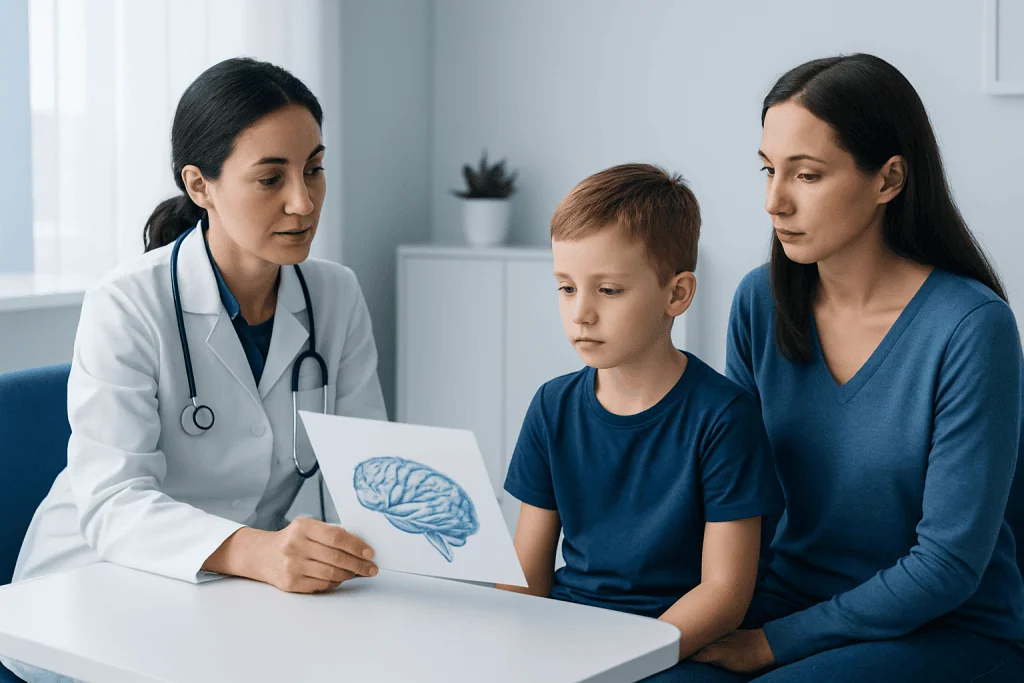
Brain infections in children can be caused by different germs. Viral infections are often more common and may follow or accompany another illness, such as a respiratory infection. Bacterial infections are generally less common but can become serious more quickly and usually require urgent antibiotic treatment. In some cases, the source may be difficult to identify immediately.
Meningitis refers to infection or inflammation of the membranes around the brain and spinal cord, while encephalitis affects the brain tissue itself. Some children may have features of both. A child might also develop neurological symptoms after infections affecting nearby structures, such as the ear or sinuses, although this is less common. Families may hear doctors discuss related conditions such as meningitis or encephalitis depending on the findings.
Certain factors can increase risk, including very young age, incomplete vaccination, a weakened immune system, recent serious infection, or close contact with someone who has a contagious illness. However, brain infections can also occur in otherwise healthy children, so the absence of risk factors does not rule them out.
How Doctors Diagnose Brain Infections
Diagnosis starts with a detailed medical history and physical examination. Doctors ask about when symptoms started, whether the child had a recent illness, whether there has been exposure to infections, and whether there are signs such as rash, seizures, or changes in behavior. The examination includes checking alertness, neck stiffness, movement, balance, and other neurological functions.
Blood tests are often used to look for signs of infection and inflammation. Depending on the child’s symptoms, doctors may recommend brain imaging such as MRI or CT scanning to look for swelling, bleeding, abscess, or other causes of neurological symptoms. Imaging can be especially important if there are focal neurological signs, severe altered consciousness, or concern about pressure inside the skull.
A lumbar puncture, sometimes called a spinal tap, may be needed to examine cerebrospinal fluid. This test helps doctors identify whether meningitis or another infection is present and whether the cause may be bacterial or viral. The medical team will decide on the safest timing for this test based on the child’s condition.
Because children can become unwell quickly, treatment may begin before all test results are available. This is common in emergency care and helps avoid delays when doctors suspect a serious infection.
Treatment Options and Urgent Neurology Care
Treatment depends on the likely cause, the child’s age, and how sick the child appears. Many children with suspected brain infection need hospital care for close monitoring, fluids, and medicines. If doctors suspect a bacterial infection, antibiotics are usually started promptly. If a viral cause such as herpes virus is a concern, antiviral treatment may also be used.
Supportive care is also very important. This may include treatment for fever, help with hydration, oxygen if needed, and medicines to control seizures. Children with significant drowsiness, repeated seizures, or signs of brain swelling may need care in a high-dependency or intensive care setting.
Neurology input is valuable when a child has seizures, persistent confusion, weakness, movement problems, or other signs that the brain or nervous system is affected. Some children may need EEG if there is concern about seizures or altered brain activity. In selected cases, specialists from pediatrics, infectious diseases, neurology, neuroradiology, and intensive care work together to guide treatment.
Near the end of evaluation and treatment, families may also benefit from discussion about recovery, rehabilitation, and follow-up. Acibadem International’s multidisciplinary specialists in JCI-accredited hospitals diagnose and treat neurological infections and related complications for international patients when advanced pediatric and neurology care is needed.
Recovery, Possible Complications, and Follow-Up
Many children recover well, especially when treatment begins early. Recovery time depends on the type of infection, how severe it was, and whether complications developed. Some children improve within days, while others need weeks or longer to regain strength, concentration, or normal activity levels.
Possible complications can include ongoing headaches, hearing problems, learning or memory difficulties, weakness, balance problems, or seizures. These are not expected in every child, but follow-up is important so that any concerns are recognized early and managed appropriately. Doctors may recommend hearing tests, neurological review, or developmental monitoring after recovery.
Families should also know that tiredness, mood changes, and reduced appetite can continue for a period after discharge. Gentle return to school and activities may be advised, based on the child’s energy level and the medical team’s guidance. Clear follow-up plans help families feel more confident during recovery.
Prevention and When to See a Doctor
Vaccination is one of the most effective ways to reduce the risk of certain serious infections that can affect the brain and nervous system. Routine childhood vaccines help protect against several germs linked to meningitis or encephalitis. Good hand hygiene, avoiding close contact with people who are clearly unwell, and prompt treatment of significant infections also support prevention.
Parents and caregivers should contact a doctor urgently if a child has fever with severe headache, repeated vomiting, confusion, neck stiffness, seizure, or unusual drowsiness. A baby who is feeding poorly, difficult to wake, persistently irritable, or has a bulging fontanelle should also be assessed promptly. It is especially important not to dismiss symptoms that seem out of proportion to a usual cold or flu.
Emergency care is needed if a child becomes difficult to wake, has breathing problems, develops a seizure, shows weakness in an arm or leg, or has a rapidly spreading rash with fever. Quick assessment can make a major difference. When in doubt, seeking urgent medical advice is the safest step.
Frequently asked questions
What is the difference between meningitis and encephalitis in children?
Meningitis is inflammation or infection of the membranes surrounding the brain and spinal cord. Encephalitis affects the brain tissue itself. Both can cause fever and neurological symptoms, and both need prompt medical assessment.
Can a brain infection in a child start like a common viral illness?
Yes. Early symptoms may resemble flu or another routine childhood infection, especially at the beginning. Parents should be more concerned when fever is joined by severe headache, repeated vomiting, confusion, seizure, or unusual sleepiness.
Do all children with suspected brain infection need to go to the hospital?
Many children with suspected brain infection do need urgent hospital evaluation because symptoms can worsen quickly. Hospital care allows doctors to examine the child, perform tests, and start treatment without delay. The exact level of care depends on the child's age, symptoms, and overall condition.
Is a seizure always a sign of a brain infection?
No. Seizures in children can happen for several reasons, including fever, epilepsy, head injury, or metabolic problems. However, a seizure with fever, headache, vomiting, confusion, or neck stiffness is a strong reason to seek urgent medical attention.
How is a lumbar puncture used in diagnosis?
A lumbar puncture collects cerebrospinal fluid, which surrounds the brain and spinal cord. Testing this fluid can help doctors identify infection and better understand whether the cause is more likely bacterial, viral, or another process. The medical team decides when it is safe and appropriate to perform the test.
Can children recover fully from brain infections?
Many children do recover fully, especially when diagnosis and treatment happen early. Recovery depends on the cause, severity, and whether complications occurred. Follow-up is important to check hearing, learning, behavior, and neurological function when needed.
References
- World Health Organization
- Centers for Disease Control and Prevention
- National Institute of Neurological Disorders and Stroke
- American Academy of Pediatrics
- NHS
This article is for general information only and is not a substitute for professional medical advice. Please consult a qualified doctor about your individual situation.
Joint and spine care in Turkey — expert assessment & treatment
JCI-accredited · board-certified surgeons · reply within 24h
Add us as a Preferred Source to see more of our trusted health content across Google Search, AI Overviews and Discover.

Pediatrics
Complete healthcare for infants, children and adolescents across all sub-specialties.
232 specialists in this unit