Brain Metastases: Symptoms, MRI Findings, and Treatment Decisions

Brain metastases are secondary brain tumors, most often linked to cancers such as lung, breast, melanoma, kidney, and colorectal cancer. Symptoms may include headache, seizures, weakness, speech or vision changes, memory problems, balance difficulty, or personality changes.
Key Takeaways
- Brain metastases are secondary brain tumors, most often linked to cancers such as lung, breast, melanoma, kidney, and colorectal cancer.
- Symptoms may include headache, seizures, weakness, speech or vision changes, memory problems, balance difficulty, or personality changes.
- Contrast-enhanced MRI is the preferred imaging test because it shows the number, size, location, swelling, and pattern of brain lesions in detail.
- Treatment decisions depend on the primary cancer type, genetic markers, number and location of lesions, symptoms, prior treatments, and the patient’s overall health.
- Options may include surgery, stereotactic radiosurgery, whole-brain radiotherapy, systemic cancer medicines, symptom-relieving medicines, rehabilitation, and supportive care.
Brain metastases occur when cancer cells from another part of the body spread to the brain. Symptoms, MRI findings, and treatment choices vary widely, so care is individualized by a multidisciplinary cancer and neuroscience team.
Overview
Brain metastases are tumors that develop when cancer cells travel from a cancer elsewhere in the body to the brain. They are different from primary brain tumors, which begin in brain tissue. Because they reflect spread from another cancer, diagnosis and treatment planning consider both the brain lesions and the behavior of the original cancer.
Several cancers can spread to the brain, including lung cancer, breast cancer, melanoma, kidney cancer, and colorectal cancer. Some people are diagnosed with brain metastases during follow-up for a known cancer, while others first develop neurological symptoms that lead to imaging and further testing. The clinical picture can range from a single small lesion found on a scan to multiple lesions causing symptoms.
Modern treatment is increasingly individualized. A team may include medical oncologists, radiation oncologists, neurosurgeons, neurologists, neuroradiologists, rehabilitation specialists, oncology nurses, and palliative care professionals. The goal is to control disease in the brain, preserve neurological function, reduce symptoms, and align treatment with the patient’s overall cancer plan and personal preferences.
Common Symptoms of Brain Metastases
Symptoms depend on where the metastasis is located, how large it is, whether there is swelling around it, and how quickly changes develop. Some brain metastases are found before symptoms appear, especially in cancers where brain imaging is part of assessment or follow-up. When symptoms occur, they may develop gradually or appear more suddenly.
Possible symptoms include:
- Headache, especially if new, persistent, or different from previous headaches
- Seizures, including a first seizure in adulthood
- Weakness, numbness, or coordination problems on one side of the body
- Speech, understanding, vision, or hearing changes
- Balance problems, dizziness, or difficulty walking
- Memory, concentration, mood, or personality changes
- Nausea, vomiting, or drowsiness related to increased pressure or swelling
Symptoms can also be caused by other conditions, including stroke, infection, medication effects, metabolic problems, or complications of cancer treatment. For that reason, new neurological symptoms should be assessed promptly by a qualified doctor, especially in a person with current or previous cancer.
Causes and Risk Factors

Brain metastases form when cancer cells detach from the original tumor, enter the bloodstream or lymphatic system, and reach the brain. To grow there, the cells must cross protective barriers, adapt to the brain environment, and develop their own blood supply. This process is complex and influenced by the biology of the original cancer.
The risk of brain metastases is not the same for all cancers. Lung cancer is a common source because it is relatively frequent and can spread to the brain. Breast cancer, melanoma, kidney cancer, and some gastrointestinal cancers can also metastasize to the brain. Certain tumor subtypes and molecular features may make brain involvement more likely, and advances in systemic treatment mean that some people live long enough for brain metastases to become clinically relevant during the course of illness.
Risk is also shaped by the stage of the cancer, previous sites of spread, response to treatment, and the cancer’s genetic or receptor profile. Having these risk factors does not mean brain metastases will occur. Likewise, brain metastases can occasionally appear even when systemic disease seems otherwise controlled, which is why new neurological symptoms are taken seriously.
MRI Findings and Diagnostic Tests
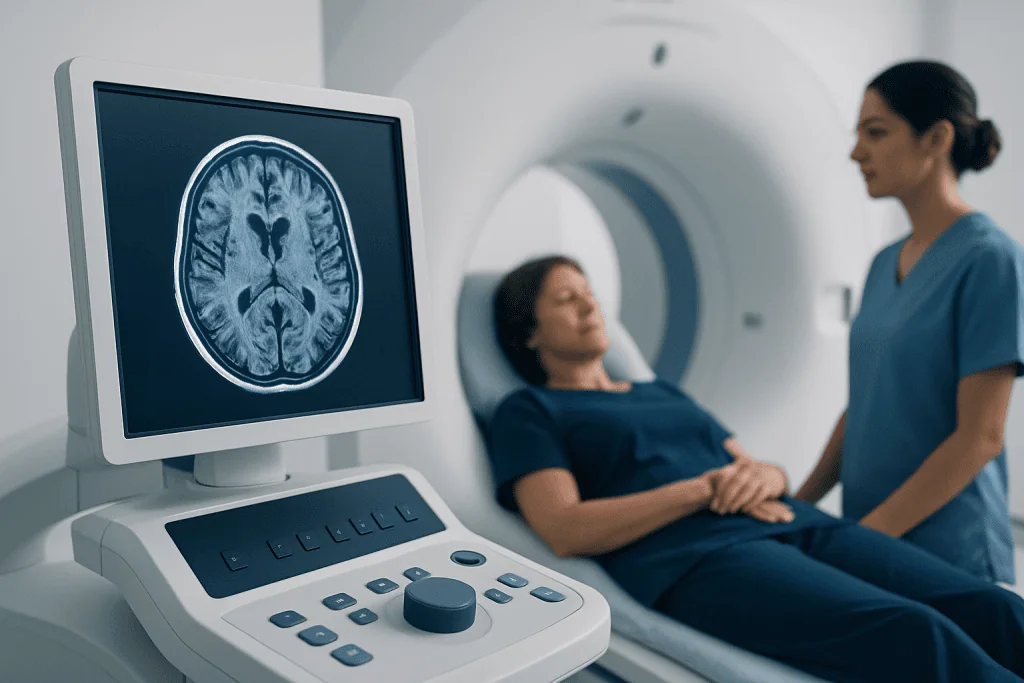
Magnetic resonance imaging, or MRI, with contrast is generally the preferred test for evaluating suspected brain metastases. It provides detailed images of the brain and can show the number, size, location, and appearance of lesions. MRI also helps doctors assess swelling around tumors, pressure effects, bleeding, and whether lesions are near critical areas such as the motor cortex, speech areas, brainstem, or optic pathways.
Typical MRI findings may include one or more rounded lesions that enhance after contrast, often located at the junction between gray and white matter where blood flow patterns can trap circulating tumor cells. Many metastases have surrounding edema, which appears as a bright signal on certain MRI sequences and may contribute to symptoms. Some metastases show ring enhancement, central necrosis, cystic change, or bleeding, depending on the tumor type.
Not every enhancing brain lesion is a metastasis. The radiology team considers alternatives such as primary brain tumors, abscess, demyelinating disease, radiation injury, stroke-related changes, or treatment-related inflammation. Additional MRI techniques, such as diffusion imaging, susceptibility imaging, perfusion imaging, or spectroscopy, may help clarify the diagnosis in selected cases.
Other tests may include CT of the chest, abdomen, and pelvis; PET-CT; blood tests; or biopsy when the diagnosis is uncertain or when tumor tissue is needed for molecular testing. If there are symptoms suggesting spread to the lining of the brain and spinal cord, doctors may evaluate for leptomeningeal disease using MRI of the brain and spine and, in selected cases, cerebrospinal fluid analysis.
How Treatment Decisions Are Made
Treatment decisions for brain metastases are highly individualized. Doctors consider the type of primary cancer, molecular markers, number of brain lesions, size, location, symptoms, amount of swelling, previous brain treatments, cancer activity elsewhere in the body, and the patient’s general health and goals. A single small metastasis may be managed differently from multiple lesions or a lesion causing pressure in a critical area.
Key questions often include whether rapid symptom relief is needed, whether the lesion can be safely removed surgically, whether focused radiation is suitable, and whether systemic medicines are likely to work in the brain. Some modern targeted therapies and immunotherapies can have activity against brain metastases in specific cancer subtypes, but suitability depends on the tumor’s biology and the overall treatment plan.
The multidisciplinary tumor board approach is valuable because it brings together imaging interpretation, surgical feasibility, radiation planning, and systemic therapy options. Patients and families should feel able to ask about the goal of each treatment, expected benefits, possible side effects, alternatives, and how treatment may affect daily life, driving, work, rehabilitation, and follow-up imaging.
Treatment Options
Surgery may be recommended when there is a single or limited number of accessible brain metastases, especially if a lesion is large, causing pressure, producing symptoms, or if tissue is needed to confirm the diagnosis. Surgery can quickly reduce mass effect and provide tissue for pathology and molecular testing. It is usually followed by additional treatment, such as focused radiation to the surgical cavity, depending on the case.
Stereotactic radiosurgery, often abbreviated as SRS, delivers a high dose of precisely targeted radiation to one or more lesions while limiting exposure to surrounding brain tissue. It is commonly used for small to moderate-sized metastases and may be appropriate even when there are several lesions, depending on total tumor volume and location. Whole-brain radiotherapy treats the entire brain and may be considered when disease is more widespread, when there is leptomeningeal involvement, or when focused treatment is not suitable.
Systemic therapy treats cancer throughout the body and may include chemotherapy, targeted therapy, hormonal therapy, immunotherapy, or combinations, depending on the cancer type. In some cancers with specific genetic changes, targeted medicines can be an important part of brain metastasis care. The blood-brain barrier and prior treatments are considered when selecting medicines.
Supportive treatments are also central. Corticosteroids may reduce swelling and improve symptoms in selected patients. Anti-seizure medicines are used when seizures occur or when a doctor determines they are needed. Rehabilitation, physiotherapy, occupational therapy, speech therapy, pain control, psychological support, and palliative care can help maintain function and quality of life throughout treatment.
Follow-Up, Self-Care, and Support
Follow-up usually includes neurological assessment and repeat MRI at intervals determined by the care team. Imaging helps determine whether treated lesions are shrinking, stable, or growing and whether new lesions have appeared. Sometimes it can be difficult to distinguish tumor progression from treatment-related changes such as radiation necrosis, and additional imaging or careful observation may be needed.
Self-care does not replace medical treatment, but it can support recovery and day-to-day function. Patients are encouraged to take medicines exactly as prescribed, report new symptoms early, keep follow-up appointments, and ask about restrictions on driving, operating machinery, flying, or returning to work. Balanced nutrition, gentle activity as tolerated, sleep support, and fall-prevention measures at home may also help.
Emotional and practical support are important for patients and caregivers. Cognitive changes, fatigue, uncertainty, and treatment decisions can be challenging, even when symptoms are well controlled. Social workers, psychologists, rehabilitation teams, cancer nurses, and patient navigators can help with planning, coping strategies, and communication between specialists.
When to See a Doctor
A person with current or previous cancer should contact a doctor promptly if they develop new or worsening headaches, seizures, weakness, numbness, confusion, speech problems, vision changes, balance difficulties, or unexplained personality or memory changes. Urgent medical evaluation is especially important for a first seizure, sudden weakness, severe drowsiness, or rapidly worsening symptoms.
People already being treated for brain metastases should report side effects from medicines, new neurological symptoms, increasing headaches, falls, fever, or changes after radiation or surgery. Early assessment allows the care team to adjust medications, arrange imaging, manage swelling or seizures, and decide whether treatment needs to change.
International patients may benefit from coordinated review by oncology, neurosurgery, radiation oncology, neuroradiology, and rehabilitation specialists. Acibadem International’s multidisciplinary specialists and JCI-accredited hospitals diagnose and treat brain metastases for international patients, with care plans tailored to the individual medical situation.
Frequently asked questions
Are brain metastases the same as brain cancer?
Brain metastases are tumors in the brain that started from cancer elsewhere in the body. For example, lung cancer that spreads to the brain is still considered metastatic lung cancer, not primary brain cancer. This distinction matters because treatment is based on both the brain findings and the biology of the original cancer.
Can brain metastases be found before symptoms appear?
Yes. Some brain metastases are detected on MRI or CT scans before they cause symptoms, especially in people with cancers that have a higher tendency to spread to the brain. Early detection may expand treatment options, but screening practices vary by cancer type and individual risk.
Why is MRI usually preferred over CT for brain metastases?
MRI with contrast provides more detailed images of brain tissue than CT and can detect smaller lesions, swelling, bleeding, and involvement near important brain structures. CT is still useful in emergencies, when MRI is not available, or when a person cannot safely have MRI. The doctor chooses imaging based on the clinical situation.
Does every patient with brain metastases need surgery?
No. Surgery is most useful in selected situations, such as a large accessible lesion causing pressure, a single dominant metastasis, or when tissue is needed for diagnosis. Many patients are treated with stereotactic radiosurgery, whole-brain radiotherapy, systemic therapy, medicines to control symptoms, or a combination of approaches.
What is stereotactic radiosurgery?
Stereotactic radiosurgery is a focused form of radiation therapy that delivers a precise high dose to a brain metastasis. Despite the word surgery, it does not involve an incision. It is often used for limited brain metastases when the size, location, and overall treatment plan make it suitable.
Can medicines treat brain metastases?
In some cancers, systemic medicines such as targeted therapies, immunotherapies, hormonal therapies, or chemotherapy may help control brain metastases. Effectiveness depends on the cancer type, tumor markers, previous treatments, and whether the medicine can act within the brain environment. A medical oncologist can explain which options are appropriate.
What should patients ask their care team after diagnosis?
Helpful questions include how many brain lesions are present, where they are located, whether swelling is causing symptoms, and what treatment options are recommended. Patients may also ask about expected benefits, side effects, follow-up MRI timing, driving or work restrictions, seizure precautions, rehabilitation, and support services.
References
- National Cancer Institute
- American Society of Clinical Oncology
- European Society for Medical Oncology
- National Comprehensive Cancer Network
- World Health Organization
This article is for general information only and is not a substitute for professional medical advice. Please consult a qualified doctor about your individual situation.
Oncology care in Turkey — second opinion and treatment plan
JCI-accredited · board-certified surgeons · reply within 24h
Add us as a Preferred Source to see more of our trusted health content across Google Search, AI Overviews and Discover.

More from the Health Library



Related Specialists

Prof. Dr. Barış Kocaoğlu
Orthopedic Surgery & Traumatology
Dr. Mustafa Ertuğrul Mercan
Cardiology
Dr. Rehile Zengin
Infectious Diseases & Clinical Microbiology
Prof. Dr. Taner Güneş
Orthopedic Surgery & Traumatology