Brain Metastases Treatment: How It Works, Results and What to Expect

Brain metastases are cancer cells that have spread to the brain from a cancer that started elsewhere in the body. Treatment selection depends on the number, size and location of tumors, the primary cancer, symptoms and overall health.
Key Takeaways
- Brain metastases are cancer cells that have spread to the brain from a cancer that started elsewhere in the body.
- Treatment selection depends on the number, size and location of tumors, the primary cancer, symptoms and overall health.
- Stereotactic radiosurgery can precisely treat selected brain metastases without an incision, while surgery may be appropriate for certain larger or symptomatic tumors.
- Systemic cancer medicines, including targeted therapy or immunotherapy, may be used when the primary cancer type is likely to respond.
- Outcomes vary widely; prompt assessment of new neurological symptoms can help patients receive appropriate care and support.
Brain metastases treatment aims to control tumors in the brain, relieve symptoms and preserve day-to-day function while also addressing the original cancer. A personalized plan may combine focused radiation, surgery, medication and supportive care, guided by a multidisciplinary cancer team.
Overview: How Brain Metastases Treatment Works
Brain metastases treatment uses one or more approaches to control cancer deposits that have spread to the brain from another part of the body. The main goals are to reduce or prevent neurological symptoms, protect independence and quality of life, control visible brain tumors and manage cancer throughout the body. The plan is individualized rather than based on one treatment pathway for everyone.
Common primary cancers that can spread to the brain include lung cancer, breast cancer, melanoma, kidney cancer and colorectal cancer. Brain metastases are different from primary brain tumors, which begin in brain tissue. Knowing the original cancer and its molecular features helps the team select treatments that may be effective both inside and outside the brain.
Care commonly involves medical oncology, radiation oncology, neurosurgery, neuroradiology, neurology, pathology, rehabilitation and supportive-care professionals. The team considers imaging findings, symptoms, prior treatments, the extent of cancer elsewhere and the person’s preferences before recommending a plan.
Symptoms and When to Seek Medical Care
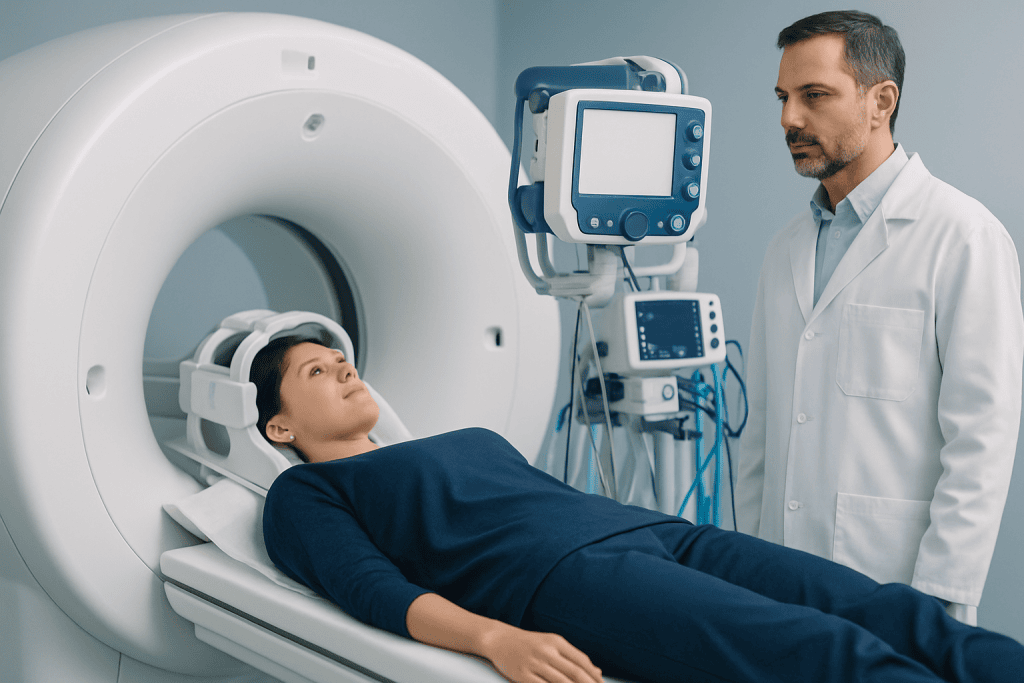
Brain metastases may cause no symptoms when they are small, but symptoms can develop as a tumor affects surrounding brain tissue or causes swelling. Possible symptoms include a new or changing headache, nausea or vomiting, weakness or numbness on one side, balance difficulties, changes in speech or vision, confusion, personality changes or seizures. These symptoms can also have causes unrelated to cancer, but they should be assessed promptly in a person with a current or previous cancer diagnosis.
When to seek medical care: A person should contact their cancer team urgently for new neurological symptoms, especially a new severe headache, a seizure, worsening weakness, difficulty speaking, sudden confusion or a major change in balance. Emergency assessment is important for sudden severe symptoms, loss of consciousness or a seizure that does not stop quickly. Early evaluation can identify treatable swelling, bleeding or pressure in the brain.
Some people are diagnosed during planned follow-up imaging before symptoms occur. Brain MRI is usually the most detailed test for evaluating suspected metastases and helps clinicians map their location, size and number.
Diagnosis, Candidacy and Treatment Planning

Diagnosis usually starts with a neurological review and contrast-enhanced MRI of the brain. CT scanning may be used in urgent situations or when MRI is not suitable. The oncology team also reviews scans of the rest of the body, pathology from the original cancer and, when available, biomarker or genetic testing results. A biopsy is not always required if the imaging pattern and known cancer make the diagnosis clear, but it may be considered when the diagnosis is uncertain.
Candidacy for a particular treatment depends on several practical and clinical factors. These include the number of metastases, their total volume, size, location near important brain structures, whether a lesion is causing pressure or bleeding, the person’s functional ability and control of cancer elsewhere. Previous radiation to the brain and the expected response of the primary cancer to systemic therapy are also important.
For example, surgery may be considered for an accessible larger tumor causing pressure or for a lesion that needs tissue confirmation. Focused radiation may be suitable for a limited number of small-to-medium metastases, and in selected situations for multiple lesions. Whole-brain radiation may be considered when there are many metastases or when focused treatment is not practical. These decisions are best made through a multidisciplinary discussion.
Treatment Options and the Procedure Journey
Treatment can include corticosteroid medicines to reduce swelling around a tumor, anti-seizure medication for people who have had seizures, and symptom-focused care. These medicines can be important early steps, but they do not usually replace tumor-directed treatment. The underlying cancer may also be treated with chemotherapy, immunotherapy, targeted therapy or hormone therapy, depending on its type and molecular profile.
Stereotactic radiosurgery is a highly focused form of radiation, despite the word “surgery.” It delivers precisely planned radiation to one or more lesions without an incision. During stereotactic radiosurgery, the patient first has detailed planning imaging. A custom mask or head frame helps keep the head still, and computer planning shapes multiple radiation beams around the target while limiting exposure to surrounding tissue. Treatment is often completed in one session, although several sessions may be recommended for larger lesions or sensitive locations.
Neurosurgery involves removing a metastasis through an operation. It may provide rapid relief when a tumor is causing substantial pressure and can also provide tissue for diagnosis. The procedure is performed under general anesthesia. After surgery, focused radiation to the surgical cavity is often considered to lower the chance of tumor regrowth in that area.
Whole-brain radiation therapy treats the entire brain and may be appropriate in particular clinical settings. Because it can affect memory and thinking in some people, clinicians consider approaches such as hippocampal avoidance and protective medication when suitable. The potential benefits and trade-offs should be discussed carefully before treatment begins.
Benefits, Risks and Recovery Timeline
Potential benefits of treatment include shrinking or stabilizing metastases, reducing brain swelling, easing symptoms and lowering the chance of neurological problems from tumor growth. Some treatments can work quickly for pressure-related symptoms, while the full effect of radiation may develop over weeks to months. Follow-up MRI scans are typically used to assess the response and identify any new lesions.
Recovery varies by treatment. After stereotactic radiosurgery, many people return home the same day and may resume lighter activities within a day or two, depending on fatigue and symptoms. Temporary headache, tiredness, nausea or increased swelling can occur. Clinicians may prescribe short-term corticosteroids when swelling is likely or symptoms develop.
Recovery from craniotomy takes longer and depends on the tumor location, neurological function before surgery and any complications. A hospital stay may be needed, followed by several weeks of gradual recovery and, when appropriate, physiotherapy, occupational therapy or speech and language therapy. Radiation therapy can cause fatigue and scalp irritation, while longer-term effects may include radiation-related tissue changes or cognitive effects.
All treatments have possible risks. Surgery carries risks such as bleeding, infection, seizures and changes in neurological function. Focused radiation can cause swelling, seizures, radiation necrosis and rarely injury to nearby structures. The team weighs these risks against the likely effects of untreated or progressing tumors and monitors patients closely after therapy.
What Is the Average Life Expectancy for a Patient With Brain Metastases?
There is no single average life expectancy that accurately predicts an individual person’s outlook with brain metastases. Survival can range widely because it is influenced by the original cancer type, whether the cancer has effective targeted or immune-based treatment options, the number and volume of brain metastases, cancer control elsewhere in the body, overall health and response to treatment.
Modern treatments have improved outcomes for some people, particularly when the primary cancer has therapies that work well and brain lesions can be treated with surgery or focused radiation. However, brain metastases still indicate that cancer has spread beyond its original site and require ongoing specialist care. The treating oncologist can provide the most meaningful, updated outlook using the person’s own test results and treatment response.
It can be helpful to ask the care team about the goals of treatment, what changes might be expected over time and what support is available. Palliative care can be introduced alongside active cancer treatment to help manage symptoms, emotional concerns and practical needs; it is not limited to end-of-life care.
Can You Recover From Brain Metastases?
Some people achieve a strong response to treatment, with treated brain metastases shrinking, becoming inactive on imaging or remaining stable for a long period. Symptoms caused by swelling or pressure may improve after medicines, surgery or radiation. However, the term “recovery” can mean different things, and complete cure is not always possible because metastases represent cancer that has spread from another site.
Long-term control is more likely for some people than others, depending on the biology of the primary cancer and the availability of effective local and systemic treatments. New brain metastases can develop later even after successful treatment of earlier lesions, which is why scheduled monitoring is important. Treatment plans can be adjusted as circumstances change.
Rehabilitation and symptom support can be an important part of recovery. Physiotherapy, occupational therapy, speech and language therapy, cognitive support and psychological care may help a person regain or maintain function after a tumor, treatment or both.
How Quickly Do Brain Metastases Grow? Is Metastatic Brain Cancer Terminal?
How quickly do brain metastases grow? Growth speed is variable and cannot be predicted from symptoms alone. Some lesions may change over weeks, while others remain stable for longer periods. Growth depends largely on the primary cancer’s biology, the effectiveness of systemic treatment and the local brain environment. Follow-up MRI at intervals chosen by the clinical team is the reliable way to monitor change.
Is metastatic brain cancer terminal? Brain metastases are a serious sign of advanced cancer, but they do not automatically mean that death is imminent or that treatment has no purpose. Many people receive active treatment to control brain disease and symptoms, sometimes alongside therapies for cancer elsewhere. Prognosis remains individualized, and honest discussions with the oncology team can clarify likely goals and options.
Acibadem International’s multidisciplinary specialists and JCI-accredited hospitals diagnose and treat brain metastases for international patients, coordinating radiation, neurosurgical and medical oncology care when appropriate. A person considering treatment should bring prior imaging, pathology reports and details of previous cancer therapy to the consultation.
Frequently asked questions
What is the most common treatment for brain metastases?
There is no single treatment that is best for every person. Focused radiation, especially stereotactic radiosurgery, is commonly used for suitable lesions, while surgery, whole-brain radiation and systemic cancer medicines may also be appropriate. The choice depends on the tumors and the primary cancer.
Can brain metastases be treated without surgery?
Yes. Many brain metastases are treated without an operation using focused radiation, whole-brain radiation when indicated, systemic cancer therapy and medicines to manage swelling or seizures. Surgery is usually considered when a tumor is large, accessible, causing pressure or needs tissue diagnosis.
How long does stereotactic radiosurgery take for brain metastases?
The planning process includes imaging and treatment design, which may take place on the same day or across separate visits. The radiation delivery itself often takes minutes to about an hour, depending on the technique and number of targets. The treatment team explains the expected schedule in advance.
Will brain metastases cause seizures?
Brain metastases can cause seizures, but not everyone develops them. Risk can depend on the location of the lesion and associated swelling. People who experience a first seizure should receive urgent medical assessment, and anti-seizure medication may be prescribed when clinically indicated.
What follow-up is needed after treatment for brain metastases?
Follow-up usually includes neurological review and brain MRI at intervals chosen by the oncology team. Imaging helps assess treatment response, monitor for swelling or radiation effects and identify new metastases early. Follow-up also includes monitoring the original cancer and overall wellbeing.
Can immunotherapy treat brain metastases?
Immunotherapy may help control brain metastases from certain cancers, particularly when the tumor type is known to respond to immune-based treatments. Its role depends on the primary cancer, biomarker findings, symptoms and whether urgent local treatment is needed. It is often used as part of a broader treatment plan.
References
- National Cancer Institute
- American Cancer Society
- European Society for Medical Oncology
- American Society for Radiation Oncology
- National Institute for Health and Care Excellence
This article is for general information only and is not a substitute for professional medical advice. Please consult a qualified doctor about your individual situation.
Oncology care in Turkey — second opinion and treatment plan
JCI-accredited · board-certified surgeons · reply within 24h
Add us as a Preferred Source to see more of our trusted health content across Google Search, AI Overviews and Discover.