Brain Physiology and Seizures: How Abnormal Electrical Activity Starts

Seizures happen when electrical activity in the brain becomes sudden, excessive, or disorganized. Symptoms depend on which part of the brain is involved and whether the abnormal activity spreads.
Key Takeaways
- Seizures happen when electrical activity in the brain becomes sudden, excessive, or disorganized.
- Symptoms depend on which part of the brain is involved and whether the abnormal activity spreads.
- A person can have a seizure without having epilepsy; causes may include fever, low blood sugar, head injury, infection, or stroke.
- Diagnosis often includes a medical history, neurological examination, EEG, and brain imaging.
- Treatment may involve anti-seizure medicines, treating the underlying cause, lifestyle measures, or selected procedures for difficult cases.
Brain physiology and seizures are closely connected because seizures begin when groups of nerve cells fire in an unusually synchronized way. Understanding how normal brain signaling works can help explain why seizures happen, what symptoms they cause, and how doctors diagnose and treat them.
Overview: How Brain Physiology Relates to Seizures
The brain works through networks of nerve cells called neurons. These cells communicate using tiny electrical signals and chemical messengers. Under normal conditions, this signaling is carefully balanced. Some brain cells stimulate activity, while others calm it down. This balance allows the brain to support movement, memory, speech, sensation, emotions, and awareness in an organized way.
A seizure begins when this balance is disrupted and a group of neurons starts firing abnormally. The electrical activity may become excessive, overly synchronized, or spread in a way that the brain cannot regulate. When that happens, the affected brain region may temporarily stop functioning normally, leading to changes in behavior, movement, sensation, awareness, or consciousness.
Seizures are not all the same. Some involve obvious shaking, but others may cause blank staring, unusual sensations, confusion, sudden loss of awareness, or brief involuntary movements. The exact symptoms depend on where the abnormal electrical activity starts and how far it travels through the brain.
It is also important to distinguish between a seizure and epilepsy. A seizure is a single event. Epilepsy is a tendency to have repeated unprovoked seizures. Many different medical conditions can trigger a seizure once, so evaluation by a qualified doctor is important to identify the cause.
What Happens During Abnormal Electrical Activity
In healthy brain physiology, neurons pass signals in a controlled pattern. Each neuron receives incoming messages, processes them, and decides whether to send a signal onward. This process depends on ion channels, cell membranes, and neurotransmitters such as glutamate, which tends to excite neurons, and gamma-aminobutyric acid (GABA), which tends to inhibit them.
When a seizure starts, this normal regulation is interrupted. Too much excitation, too little inhibition, or both may allow neurons to fire repeatedly and together. This creates a burst of abnormal electrical activity. In some cases, the activity stays in one limited brain area. In others, it spreads to nearby networks or both sides of the brain, producing wider symptoms.
The effects can be very different from one person to another. If the abnormal activity begins in the motor cortex, it may cause jerking or stiffness. If it starts in sensory areas, a person may notice tingling, visual changes, unusual smells, or altered hearing. If it involves deeper or more widespread networks, awareness and memory may be affected.
Doctors often describe seizures by how they begin. Focal seizures start in one part of the brain. Generalized seizures involve both sides of the brain from the outset. This distinction helps guide testing and treatment, and it can also help explain a person’s symptoms more clearly.
Symptoms and Types of Seizures

Seizure symptoms can range from subtle to dramatic. Some people remain fully aware during a seizure, while others become confused or lose consciousness. A seizure may last only a few seconds or continue for several minutes. Afterward, a person may feel tired, have a headache, or need time to regain normal thinking and speech.
Focal seizures can cause symptoms related to one brain region. A person may experience a sudden wave of fear, a strange taste, repetitive hand movements, lip smacking, staring, or a sensation that something feels familiar or unreal. These symptoms can sometimes act as a warning sign that a larger seizure is about to occur.
Generalized seizures involve larger brain networks. Tonic-clonic seizures may cause body stiffening, rhythmic jerking, and loss of consciousness. Absence seizures often appear as a brief pause in awareness, especially in children. Other seizure types can cause sudden muscle jerks, loss of muscle tone, or brief stiffening.
- Changes in awareness or responsiveness
- Jerking, stiffness, or twitching
- Staring spells
- Unusual sensations, smells, or visual changes
- Confusion after the event
- Loss of bladder control or tongue biting in some cases
Not every episode of fainting, shaking, or unresponsiveness is a seizure. Conditions such as syncope, migraine, sleep disorders, movement disorders, or certain psychological conditions can sometimes look similar. That is why careful medical assessment is important.
Causes and Risk Factors
Seizures can develop for many reasons. Sometimes they are provoked by a temporary problem, such as high fever in children, low blood sugar, alcohol withdrawal, certain medications, or severe sleep deprivation. In other cases, they are related to a structural, metabolic, genetic, immune, infectious, or unknown cause.
Conditions that can affect brain tissue may increase seizure risk. Examples include head injury, stroke, brain tumors, developmental brain differences, and scarring from past infections or trauma. Infections involving the brain, such as meningitis or encephalitis, may also trigger seizures. In some people, inherited factors make the brain more likely to generate abnormal electrical activity.
A person may also have seizures as part of a chronic seizure disorder such as epilepsy. However, having one seizure does not automatically mean a person has epilepsy. Doctors look at the circumstances, possible triggers, examination findings, and test results before making that diagnosis.
Risk factors can include:
- Previous brain injury or stroke
- Family history of seizures or epilepsy
- Brain infection or inflammation
- Developmental or genetic neurological conditions
- Substance misuse or withdrawal
- Sleep deprivation and severe metabolic imbalance
How Doctors Diagnose Seizures
Diagnosis begins with a detailed description of what happened before, during, and after the episode. Because a person may not remember the event clearly, information from a family member or witness can be very helpful. Doctors usually ask about triggers, previous episodes, medications, recent illness, sleep patterns, and any history of head trauma or neurological disease.
A neurological examination helps assess strength, sensation, coordination, reflexes, speech, and mental status. Blood tests may be used to look for infection, electrolyte imbalance, glucose problems, or other medical causes. If a first seizure has occurred, doctors often recommend brain imaging to check for structural problems.
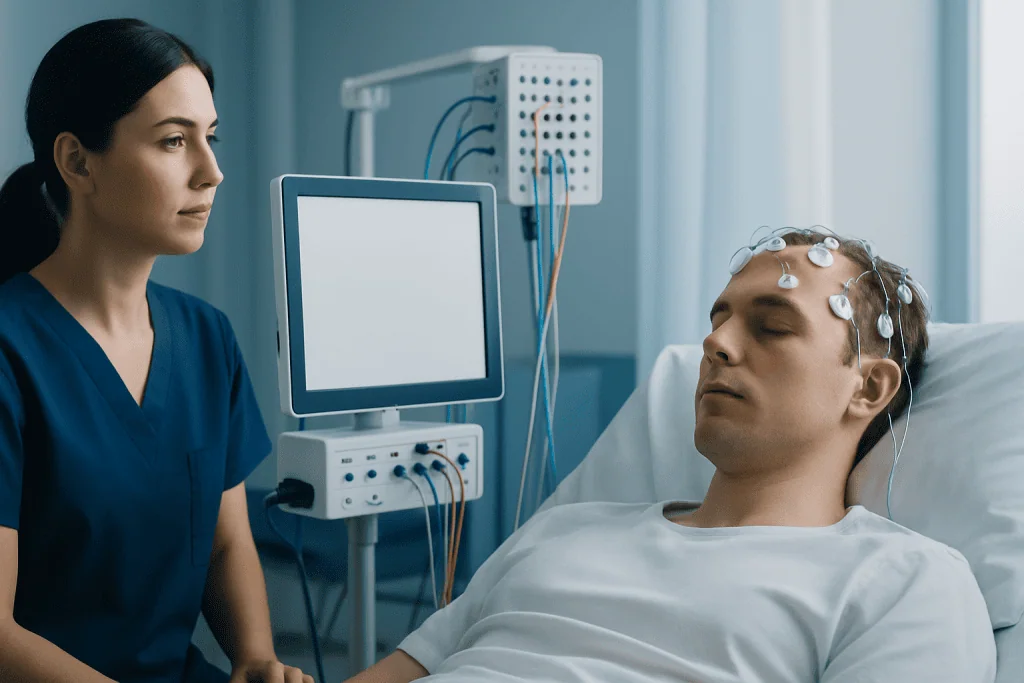
An electroencephalogram, or EEG, records the brain’s electrical activity and can show patterns that support a seizure diagnosis. Imaging studies such as MRI scanning may help detect scars, tumors, developmental differences, or other abnormalities. In emergency settings, CT scanning may be used quickly to identify bleeding or major structural problems.
Some people need more specialized assessment, especially if seizures continue despite treatment or the diagnosis is uncertain. Longer-term video EEG monitoring can compare symptoms with recorded brain activity. At centers with advanced neurological services, tools such as EEG evaluation help classify seizure type and plan the most appropriate care.
Treatment Options and Long-Term Management
Treatment depends on the cause, seizure type, age, general health, and whether the event was provoked or unprovoked. If a seizure happened because of a temporary problem such as low blood sugar or infection, treating that underlying cause is the first priority. If a person has epilepsy or is at high risk of further seizures, anti-seizure medicines are commonly used to reduce recurrence.
Medication selection is individualized. Doctors consider seizure pattern, possible side effects, interactions with other medicines, pregnancy planning, and other medical conditions. Many people achieve good seizure control with the first or second medication, but regular follow-up is important to monitor response and adjust treatment safely.
When seizures do not respond well to medicine, further evaluation may be needed. Some patients may benefit from epilepsy surgery, neurostimulation, or dietary therapies under specialist supervision. The best option depends on where seizures start, whether the source can be clearly identified, and how seizures affect daily life.
For international patients needing advanced evaluation, Acibadem International’s multidisciplinary specialists and JCI-accredited hospitals diagnose and treat seizure disorders using coordinated neurology, neurophysiology, and imaging services. Ongoing care usually also includes education about safety, medication adherence, and reducing seizure triggers.
Prevention, Self-Care, and Safety
Not all seizures can be prevented, but some steps can reduce risk or help limit recurrence. Taking prescribed medication regularly is one of the most important measures for people with epilepsy. Missing doses can make seizures more likely. Good sleep habits, stress management, regular meals, and avoiding alcohol or substances that may lower seizure threshold can also help.
Self-care includes learning individual triggers when possible. Some people notice that seizures are more likely after poor sleep, illness, flashing lights, emotional stress, or missed medication. Keeping a seizure diary can help track patterns and support discussions with a doctor.
Safety planning is also important. A person with ongoing seizures may need guidance about bathing, swimming, heights, cooking, driving, and operating machinery. Family members and coworkers can benefit from knowing basic seizure first aid, such as protecting the person from injury, turning them on their side if possible, and avoiding placing anything in the mouth.
If a person is known to have epilepsy, follow-up care may include review for related conditions, such as mood changes, sleep problems, or memory concerns. In some cases, seizures may be linked with broader neurological conditions, and doctors may assess for issues such as brain tumors or other structural causes when symptoms suggest it.
When to See a Doctor
Any first seizure should be evaluated by a doctor. Medical attention is also important if seizures change in pattern, become more frequent, happen during pregnancy, or occur after a head injury. Even if the person seems well afterward, finding the reason for the event can help guide treatment and reduce future risk.
Emergency care is needed if a seizure lasts longer than several minutes, if repeated seizures happen without recovery in between, or if the person has trouble breathing, serious injury, or prolonged confusion. A seizure in water or one associated with fever and severe illness may also need urgent assessment.
Children, older adults, and people with other neurological or medical conditions may need prompt specialist review because the causes can be different and sometimes more complex. New weakness, severe headache, fever, persistent altered awareness, or difficulty speaking after a seizure should always be taken seriously.
Early diagnosis can make a meaningful difference. Understanding brain physiology and seizures helps patients and families recognize symptoms sooner, seek appropriate care, and participate confidently in long-term management decisions with their medical team.
Frequently asked questions
What is the difference between a seizure and epilepsy?
A seizure is a single episode of abnormal electrical activity in the brain. Epilepsy is a condition in which a person has an ongoing tendency to have repeated unprovoked seizures. A doctor makes the diagnosis based on history, examination, and test results.
Can someone have a seizure without shaking?
Yes. Not all seizures cause full-body convulsions. Some seizures may cause staring, confusion, unusual sensations, lip smacking, or brief loss of awareness without obvious shaking.
What usually triggers abnormal electrical activity in the brain?
Triggers vary from person to person and may include sleep deprivation, fever, infection, low blood sugar, alcohol withdrawal, head injury, or missed anti-seizure medicine. In other cases, seizures are related to epilepsy, a structural brain problem, or a genetic tendency.
How do doctors confirm that an episode was a seizure?
Doctors use the person's history, witness descriptions, and a neurological examination to guide diagnosis. Tests may include blood work, EEG, and brain imaging such as MRI or CT. Sometimes longer video EEG monitoring is needed if the diagnosis is unclear.
Are seizures treatable?
Yes, many seizures can be managed effectively. Treatment may involve correcting the underlying cause, using anti-seizure medications, and reducing known triggers. Some people with difficult-to-control seizures may need specialized procedures or surgery.
What should someone do during a seizure?
The main goals are to keep the person safe and allow the seizure to pass. Move harmful objects away, place the person on their side if possible, and do not put anything in their mouth. Emergency help is needed if the seizure is prolonged, repeats without recovery, or causes injury or breathing problems.
References
- World Health Organization
- International League Against Epilepsy
- National Institute of Neurological Disorders and Stroke
- Epilepsy Foundation
- Mayo Clinic
This article is for general information only and is not a substitute for professional medical advice. Please consult a qualified doctor about your individual situation.
Explore treatments in Turkey — costs, top hospitals & a free quote
JCI-accredited · board-certified surgeons · reply within 24h
Add us as a Preferred Source to see more of our trusted health content across Google Search, AI Overviews and Discover.