Brain Tumor or Functional Disorder? When Neuropsychiatry Helps Clarify Symptoms

A brain tumor and a functional disorder can sometimes cause similar symptoms, including weakness, sensory changes, seizures, concentration problems, and mood changes. Neuropsychiatry looks at both brain health and mental health to understand symptoms in a comprehensive way.
Key Takeaways
- A brain tumor and a functional disorder can sometimes cause similar symptoms, including weakness, sensory changes, seizures, concentration problems, and mood changes.
- Neuropsychiatry looks at both brain health and mental health to understand symptoms in a comprehensive way.
- Diagnosis usually combines medical history, neurological examination, mental state assessment, and tests such as MRI or EEG when needed.
- Functional symptoms are real and treatable, even when scans do not show a tumor or other structural lesion.
- Urgent medical review is important for new seizures, progressive weakness, severe headaches with neurological changes, or sudden confusion.
Symptoms such as headaches, weakness, memory changes, or seizures can raise concern about a brain tumor, but similar problems may also happen in functional neurological and neuropsychiatric conditions. Neuropsychiatry helps distinguish between structural brain disease and disorders of brain function so patients can receive the right treatment and support.
Overview: why the distinction can be difficult
When a person develops headaches, memory problems, dizziness, unusual movements, weakness, or changes in mood and behavior, it is natural to worry about a serious brain condition. In some cases, these symptoms are caused by a structural problem such as a brain tumor. In others, they may reflect a functional neurological or neuropsychiatric disorder, where the brain’s networks are not working normally even though standard scans may not show a mass or lesion.
This overlap can be confusing for patients and families. Functional disorders are not imagined, exaggerated, or “all in the head.” They are genuine medical conditions that affect how the brain sends and receives signals. Because structural and functional conditions can look similar at first, careful assessment is important rather than relying on assumptions.
Neuropsychiatry is the specialty that helps bridge neurology and mental health. It considers how brain function, emotion, cognition, behavior, stress, and physical illness interact. In situations where symptoms could point to a tumor, a functional neurological disorder, seizures, medication effects, or another neurological illness, neuropsychiatry can help organize the full picture and guide next steps.
Symptoms that may overlap
Both brain tumors and functional disorders can affect movement, sensation, thinking, and emotional wellbeing. Depending on the area involved, a brain tumor may cause headaches, seizures, weakness on one side, speech problems, balance difficulty, visual changes, or personality changes. Some of these symptoms are also seen in functional neurological disorder and other neuropsychiatric conditions.
Functional symptoms may include limb weakness, tremor, non-epileptic seizure-like episodes, numbness, gait changes, brain fog, fatigue, and concentration problems. They can appear suddenly or fluctuate over time. In some people, symptoms worsen with stress, pain, exhaustion, or illness, but they are not simply voluntary responses.
Common overlapping features include:
- Headaches or a feeling of pressure in the head
- Seizure-like episodes or blackouts
- Weakness, heaviness, or altered sensation in a limb
- Problems with speech, memory, or attention
- Mood changes, anxiety, irritability, or apathy
- Dizziness, imbalance, or visual complaints
The presence of mood symptoms does not rule out a neurological disease, and the presence of a neurological symptom does not automatically mean a tumor. That is why the pattern, timing, and associated findings matter so much.
Brain tumor or functional disorder: important differences

A brain tumor is a structural condition. It involves an abnormal growth of cells within the brain or nearby tissues. Symptoms often depend on the tumor’s size, location, growth rate, and whether it increases pressure inside the skull. Some tumors cause steadily progressive symptoms, while others are found unexpectedly during imaging for another reason.
A functional neurological disorder is different. The issue is with the functioning of brain networks rather than a space-occupying growth. Examination may show internal inconsistency in symptoms, such as weakness that appears in one task but improves during another, or tremor that changes with distraction. These are positive clinical signs doctors use to support the diagnosis; it is not simply a diagnosis made after “everything is normal.”
Neuropsychiatric assessment is also valuable because other conditions may mimic either pattern. Examples include migraine, medication side effects, sleep disorders, depression, anxiety disorders, autoimmune conditions, epilepsy, and stroke. Some patients have more than one issue at the same time, such as a neurological illness together with a functional symptom disorder. A careful clinician keeps this possibility in mind.
In practice, the distinction is made by looking at the whole clinical story: whether symptoms are progressive or fluctuating, whether examination findings match known brain anatomy, whether seizures are epileptic or non-epileptic, and whether brain imaging or other tests show a structural explanation.
How neuropsychiatry evaluates symptoms
Assessment usually begins with a detailed history. The doctor asks when symptoms started, how they have changed, what makes them better or worse, and whether there are associated symptoms such as headache, vomiting, fainting, sleep problems, panic, trauma, infection, or medication changes. Cognitive and emotional symptoms are explored along with physical symptoms because both can offer important clues.
A neurological examination looks at strength, sensation, reflexes, eye movements, coordination, walking, speech, and higher brain functions. A neuropsychiatric evaluation also includes attention, memory, language, mood, perception, and behavior. This combined approach helps identify whether symptoms fit a clear structural pattern, a functional pattern, or another medical explanation.
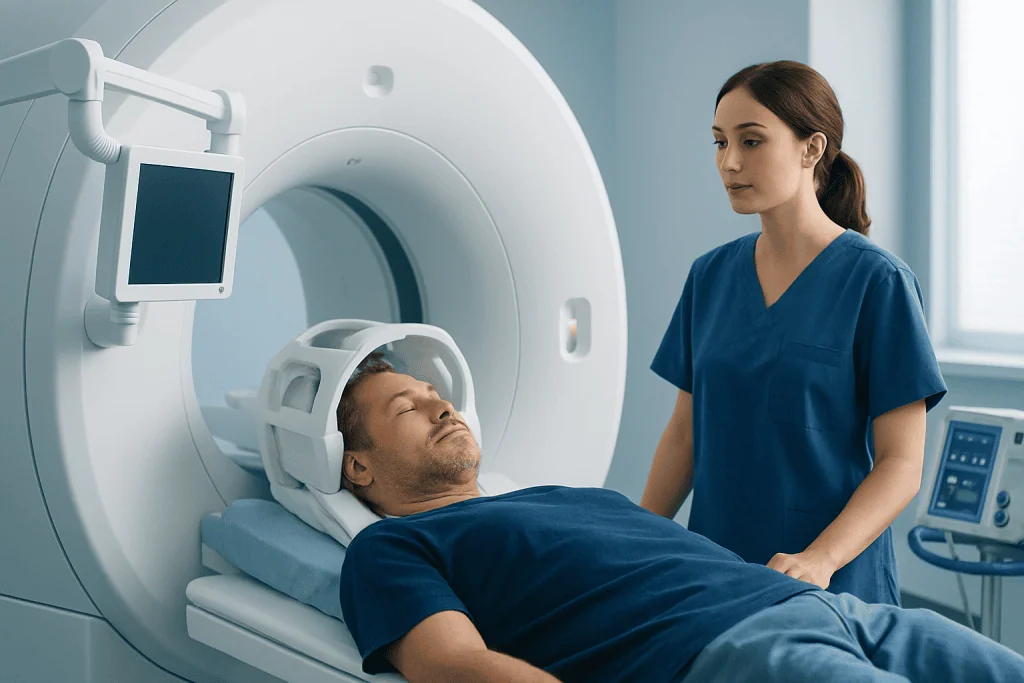
Tests may be recommended to rule out urgent or treatable causes. These can include MRI scanning to look for a tumor or other structural abnormality, blood tests to check for metabolic or inflammatory causes, and EEG testing when seizures or blackout episodes are part of the picture. In selected cases, neuropsychological testing, lumbar puncture, or additional specialist reviews may be helpful.
Importantly, neuropsychiatry does not replace neurology or neurosurgery when a structural disease is suspected. Instead, it works alongside them to ensure symptoms are interpreted accurately and that the emotional and cognitive effects of neurological illness are not overlooked.
Treatment options after the cause is clarified
Treatment depends on the diagnosis. If a brain tumor is found, care may involve neurosurgery, oncology, radiation therapy, anti-seizure treatment, steroids, rehabilitation, or a combination of approaches. Some patients need urgent treatment, while others are monitored first depending on the type and location of the lesion. Support for mood, sleep, cognition, and quality of life remains important throughout treatment.
If symptoms are due to a functional neurological disorder, treatment focuses on restoring function and reducing symptom triggers. This often includes clear explanation of the diagnosis, physiotherapy tailored to functional symptoms, psychological therapy when appropriate, management of sleep and stress, and treatment of related problems such as pain, migraine, anxiety, or depression. For seizure-like episodes without epilepsy, care may involve education and specialist seizure care if episodes need further distinction from epileptic seizures.
Some people benefit from speech and language therapy, occupational therapy, or cognitive rehabilitation, especially if attention, fatigue, communication, or daily activities are affected. When headaches are prominent, treatment of migraine or other primary headache disorders may also help. If imaging or symptoms suggest a structural concern, referral for brain tumor treatment may be necessary.
In complex cases, multidisciplinary care often works best. Near the end of the diagnostic pathway, some international patients choose centers such as Acibadem International, where multidisciplinary specialists in neurology, neuropsychiatry, imaging, and neurosurgery work within JCI-accredited hospitals to evaluate and treat these conditions.
Self-care and living with uncertainty during evaluation
Waiting for answers can be stressful, especially when symptoms are disruptive or frightening. During evaluation, it can help to keep a symptom diary noting timing, triggers, duration, and associated features such as headache, sleep loss, stress, menstrual cycle, or missed meals. Video recordings of episodes, if safe and appropriate, may also help clinicians understand events more accurately.
General self-care supports brain health regardless of the final diagnosis. This includes regular sleep, hydration, balanced meals, moderate activity as tolerated, limiting alcohol, and taking prescribed medicines as directed. People should avoid driving or operating dangerous machinery if they are having unexplained blackouts, seizure-like episodes, or sudden loss of awareness until they have medical advice.
Emotional support matters too. Uncertainty may cause fear, low mood, or catastrophic thinking. Talking with family, a trusted doctor, or a mental health professional can help patients cope without assuming the worst. If symptoms are diagnosed as functional, reassurance should not mean dismissal; recovery is often better when the diagnosis is explained clearly and treatment starts early.
When to seek urgent medical attention
Some symptoms need prompt medical evaluation because they may signal a tumor, stroke, infection, bleeding, or another urgent neurological problem. A person should seek urgent care for a first seizure, sudden confusion, fainting with injury, severe or rapidly worsening headache, or new weakness, numbness, or trouble speaking.
Other warning signs include persistent vomiting, drowsiness, major personality change, vision loss, loss of balance with falls, or headaches that are worse in the morning or with coughing and straining. In children, warning signs can also include developmental regression, increasing head size, or unexplained vomiting and lethargy.
Even when symptoms later turn out to be functional, it is appropriate to have new or significant neurological changes assessed. Early review can both rule out dangerous conditions and help patients reach the right specialist sooner. If a person is already under care, they should tell their doctor about any clear change in pattern, severity, or frequency of symptoms.
Frequently asked questions
Can a functional disorder look like a brain tumor?
Yes. Symptoms such as weakness, seizures, headaches, speech difficulty, and changes in concentration can occur in both conditions. The difference is clarified through medical history, examination, and tests such as brain imaging when needed.
If MRI is normal, does that mean the symptoms are not real?
No. Functional neurological symptoms are real and can be disabling even when MRI does not show a structural abnormality. A normal scan helps rule out certain causes, but it does not mean a person is imagining their symptoms.
What does a neuropsychiatrist do in this situation?
A neuropsychiatrist assesses how brain function, behavior, mood, cognition, and physical symptoms interact. They help distinguish structural neurological disease from functional and psychiatric causes, and they coordinate appropriate treatment or referral.
Are seizure-like episodes always caused by epilepsy or a brain tumor?
No. Some seizure-like episodes are epileptic, but others are non-epileptic and can occur in functional neurological disorder. Because the causes differ, specialist evaluation is important so treatment matches the diagnosis.
Can someone have both a neurological disease and a functional disorder?
Yes. A person can have a structural neurological condition, such as migraine, epilepsy, or another brain disorder, along with functional symptoms. That is one reason a thorough and balanced assessment is so important.
When should a person worry about a possible brain tumor?
Any new, persistent, or progressive neurological symptom should be discussed with a doctor. Urgent assessment is especially important for first seizures, progressive weakness, severe headaches with vomiting, major behavior change, or sudden trouble speaking, seeing, or walking.
References
- World Health Organization
- National Institute of Neurological Disorders and Stroke
- National Institute of Mental Health
- American Psychiatric Association
- National Health Service
This article is for general information only and is not a substitute for professional medical advice. Please consult a qualified doctor about your individual situation.
Neuropsychiatry in Turkey — costs, top hospitals & a free quote
JCI-accredited · board-certified surgeons · reply within 24h
Add us as a Preferred Source to see more of our trusted health content across Google Search, AI Overviews and Discover.