Brain Vessel Coiling: What to Expect From Endovascular Aneurysm Treatment
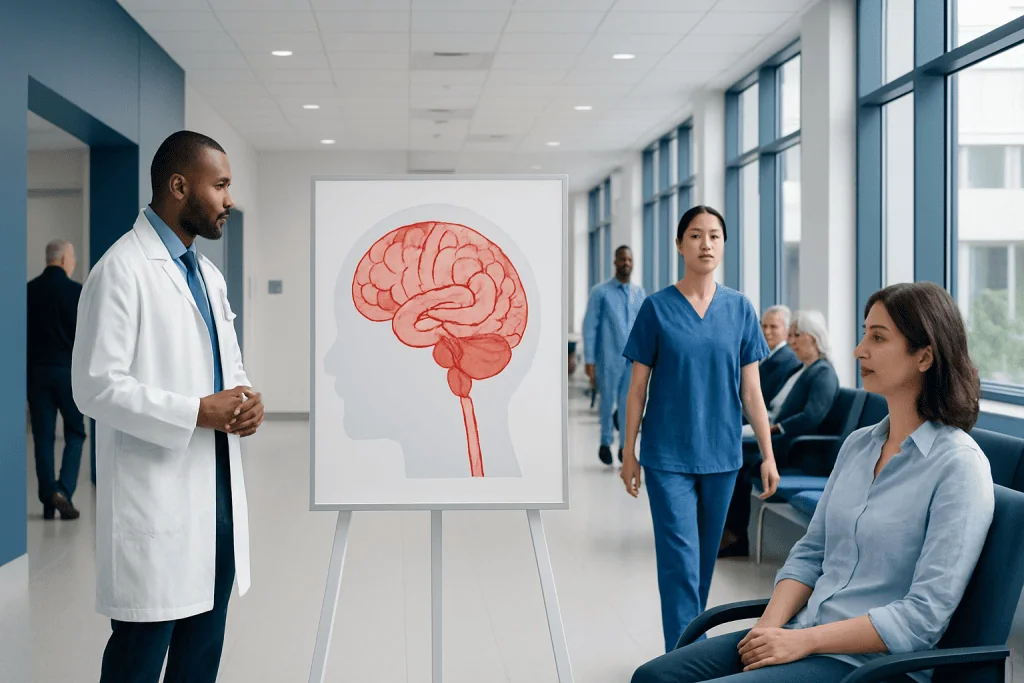
Brain vessel coiling treats some brain aneurysms through a catheter inserted into an artery, usually in the wrist or groin. The goal is to fill the aneurysm so blood no longer flows into it, lowering the risk of rupture or rebleeding.
Key Takeaways
- Brain vessel coiling treats some brain aneurysms through a catheter inserted into an artery, usually in the wrist or groin.
- The goal is to fill the aneurysm so blood no longer flows into it, lowering the risk of rupture or rebleeding.
- Not every aneurysm is suitable for coiling; shape, size, location, and overall health help guide treatment choice.
- Recovery is often quicker than with open brain surgery, but follow-up imaging is important to check long-term results.
- Urgent medical attention is needed for sudden severe headache, fainting, new weakness, or other signs of possible brain bleeding.
Brain vessel coiling is a minimally invasive procedure used to treat certain brain aneurysms from inside the blood vessel. It can help prevent bleeding or reduce the chance of rebleeding, often with a shorter recovery than open surgery.
Overview of Brain Vessel Coiling
Brain vessel coiling, also called endovascular aneurysm treatment or coil embolization, is a procedure used to treat certain aneurysms in the brain. A brain aneurysm is a weak, bulging area in a blood vessel wall. If it ruptures, it can cause bleeding around the brain, which is a medical emergency. In other cases, an aneurysm is found before it bleeds and may be treated to reduce future risk.
During coiling, a specialist guides a thin tube called a catheter through the blood vessels to the aneurysm. Tiny soft metal coils are then placed inside the aneurysm. These coils help the blood clot within the bulge, which reduces blood flow into it and helps separate it from the normal circulation.
Because the treatment is performed from inside the blood vessel, it does not require opening the skull. This is why it is considered minimally invasive. For many people, this means a shorter hospital stay and recovery compared with open surgical repair, although the best option depends on the aneurysm and the person’s overall condition.
Who May Need Endovascular Aneurysm Treatment
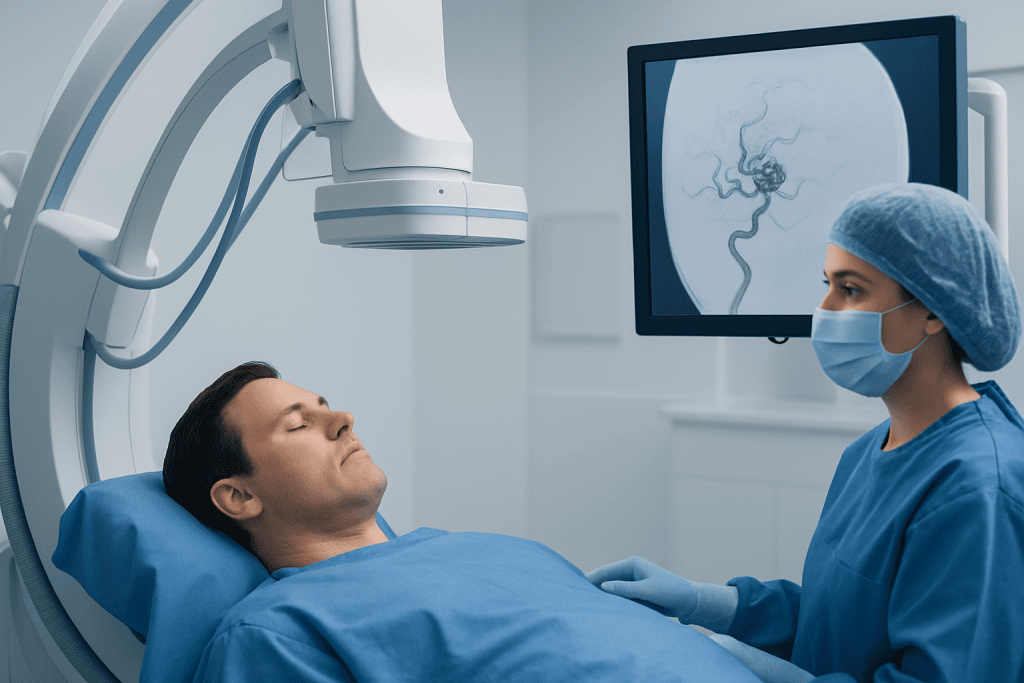
Brain vessel coiling may be recommended for people with an unruptured aneurysm that carries a meaningful risk of bleeding, or for those with a ruptured aneurysm that needs urgent treatment. The decision is individualized. Doctors look at the aneurysm’s size, shape, neck width, location, whether it has changed over time, and whether it has already caused bleeding.
Some aneurysms are discovered after symptoms such as headache, double vision, eye pain, or pressure on nearby nerves. Others are found incidentally on scans done for another reason. Small aneurysms may sometimes be monitored rather than treated right away, especially if the estimated risk of rupture is low.
In many cases, coiling is considered alongside other options such as surgical clipping or other catheter-based techniques. A team that may include interventional neuroradiologists, neurosurgeons, and neurologists helps determine whether brain aneurysm treatment with coiling is the most appropriate approach.
What Happens Before and During the Procedure

Before the procedure, the care team reviews the person’s medical history, medications, allergies, and imaging results. Blood tests and scans such as CT angiography, MR angiography, or catheter angiography may be needed to map the aneurysm in detail. The team also explains the expected benefits, possible risks, and whether additional devices such as stents or balloons may be helpful.
Brain vessel coiling is usually performed in a specialized angiography suite. The patient is commonly given general anesthesia so they remain still and comfortable. A catheter is inserted into an artery, often in the groin or wrist, and carefully guided through the body’s blood vessels up to the arteries in the brain under live X-ray imaging.
Once the catheter reaches the aneurysm, the specialist places tiny coils inside it. In some aneurysms, a balloon or stent is used to help keep the coils in position, especially when the aneurysm has a wide neck. In selected situations, other techniques such as flow diverter treatment or stent-assisted coiling may be considered if they better match the aneurysm’s structure.
After the aneurysm is secured, the catheter is removed and pressure or a closure device is used at the insertion site. The patient is then observed closely in a recovery area or intensive care setting, especially if the aneurysm had ruptured before treatment.
Benefits, Risks, and Possible Complications
The main benefit of brain vessel coiling is that it can reduce the risk of aneurysm bleeding or rebleeding without open brain surgery. For many suitable aneurysms, it offers an effective, less invasive way to treat the weakened vessel. Hospital stays may be shorter, and recovery can be faster than after surgical clipping.
At the same time, coiling is still a serious medical procedure and has potential risks. These may include bleeding, damage to the blood vessel, stroke, coil movement, incomplete closure of the aneurysm, or recurrence over time. Risks can differ depending on whether the aneurysm has already ruptured, the aneurysm’s anatomy, and the person’s age and general health.
Some people need medicines that reduce blood clotting, particularly when a stent is used. These medicines can increase bleeding risk in other situations, so they must be managed carefully. The treating team balances these factors to choose the safest and most effective option.
It is also important to know that some aneurysms can reopen slightly after coiling. This does not always cause symptoms, but it is one reason follow-up scans are essential. If needed, additional endovascular treatment may be recommended later.
Recovery and Follow-Up After Coiling
Recovery after brain vessel coiling varies from person to person. Someone treated for an unruptured aneurysm may go home within a short time if there are no complications. In contrast, a person treated after a rupture often needs a longer hospital stay because the bleeding itself can affect the brain and body in many ways.
It is common to have some tiredness, mild headache, or soreness where the catheter entered the artery. The medical team gives instructions about activity, bathing, lifting, driving, and returning to work. These recommendations depend on the person’s recovery and on whether there were any neurological symptoms before or after treatment.
Follow-up imaging is an important part of care. The doctor may recommend catheter angiography, MR angiography, or CT angiography at intervals to check whether the aneurysm remains closed and whether more treatment is needed. This follow-up helps detect recurrence early, even when the person feels well.
For patients needing ongoing care, treatment may be coordinated with specialists in interventional neuroradiology. Near the end of the care pathway, some international patients may also seek assessment at Acibadem International, where multidisciplinary specialists in JCI-accredited hospitals evaluate and treat complex neurovascular conditions.
How Doctors Choose Between Coiling and Other Treatments
Not all brain aneurysms are treated the same way. Some are better suited to coiling, while others may be treated more effectively with surgical clipping or newer endovascular methods. The aneurysm’s size, neck shape, location in the brain, and whether branches arise from it all influence this decision.
For example, a narrow-necked aneurysm may be well suited to standard coiling, while a wide-necked aneurysm may require support with a stent or balloon. In some cases, doctors consider aneurysm clipping if open surgery offers a more durable result for that specific anatomy. The person’s age, other medical conditions, and ability to take blood-thinning medication also matter.
When an aneurysm has ruptured, timing becomes especially important. The team aims to secure the aneurysm promptly to reduce the risk of another bleed. Even then, the treatment plan must take into account brain swelling, blood vessel spasm, and the patient’s overall stability.
Prevention, Self-Care, and When to See a Doctor
There is no guaranteed way to prevent every brain aneurysm, but lowering vascular risk factors can support overall blood vessel health. This includes controlling high blood pressure, avoiding smoking, limiting excess alcohol, staying physically active, and following treatment plans for conditions such as diabetes or high cholesterol. Family history can also matter, so some people may need medical advice about screening.
After treatment, self-care focuses on recovery and long-term follow-up. Taking prescribed medicines exactly as directed is very important, especially if a stent was used. Patients should attend all imaging appointments and tell their doctor about new headaches, vision changes, weakness, numbness, speech changes, or any other neurological symptoms.
Immediate medical attention is needed for symptoms that may suggest a ruptured aneurysm or stroke. These include a sudden severe headache unlike usual headaches, fainting, seizure, confusion, weakness on one side, difficulty speaking, or sudden vision loss. Prompt evaluation can be lifesaving.
- Seek urgent care for sudden severe headache or new neurological symptoms.
- Do not stop antiplatelet or other prescribed medicines without medical advice.
- Keep scheduled follow-up scans even if there are no symptoms.
- Discuss screening with a doctor if there is a strong family history of aneurysm.
Frequently asked questions
Is brain vessel coiling the same as open brain surgery?
No. Brain vessel coiling is a minimally invasive treatment performed through a catheter inside the blood vessels, while open surgery involves accessing the aneurysm through the skull. Both can be effective, but the best choice depends on the aneurysm and the patient’s situation.
How long does it take to recover from brain aneurysm coiling?
Recovery time varies. People treated for an unruptured aneurysm may recover relatively quickly, while those treated after a rupture often need much longer because the bleeding itself can cause additional problems. The treating team gives personalized guidance based on the hospital course and follow-up scans.
Can an aneurysm come back after coiling?
Yes, in some cases an aneurysm can reopen or continue to fill slightly over time. This is why follow-up imaging is a routine part of care after coiling. If necessary, doctors may recommend additional treatment.
Will I be awake during the coiling procedure?
Many coiling procedures are performed under general anesthesia, so the patient is asleep and comfortable. In some situations, other forms of sedation may be used depending on the medical plan. The anesthesia team explains what is most appropriate before the procedure.
What are the warning signs of a ruptured brain aneurysm?
A ruptured aneurysm often causes a sudden, very severe headache that may be described as the worst headache of a person’s life. It can also cause nausea, vomiting, neck stiffness, fainting, confusion, seizures, or weakness. These symptoms need emergency medical attention right away.
Is coiling a permanent cure?
Coiling can be a highly effective treatment, but it is not always permanent in every case. Some aneurysms remain fully sealed long term, while others require monitoring or retreatment. Regular follow-up helps confirm the durability of the result.
References
- American Heart Association
- National Institute of Neurological Disorders and Stroke
- Society of NeuroInterventional Surgery
- NHS
- Mayo Clinic
This article is for general information only and is not a substitute for professional medical advice. Please consult a qualified doctor about your individual situation.
Explore treatments in Turkey — costs, top hospitals & a free quote
JCI-accredited · board-certified surgeons · reply within 24h
Add us as a Preferred Source to see more of our trusted health content across Google Search, AI Overviews and Discover.

Neurosurgery
Surgical treatment of the brain, spine and nervous system, including minimally invasive and functional procedures.
70 specialists in this unit