

Brazilian Butt Lift Surgery: Procedure, Recovery and Results

A BBL uses fat removed by liposuction rather than implants to add volume and contour to the buttocks. Good candidates are generally in stable health, have enough donor fat and can maintain a stable weight after surgery.
Key Takeaways
- A BBL uses fat removed by liposuction rather than implants to add volume and contour to the buttocks.
- Good candidates are generally in stable health, have enough donor fat and can maintain a stable weight after surgery.
- Results develop gradually because swelling settles and some transferred fat is naturally reabsorbed during early healing.
- Avoiding prolonged pressure on the buttocks and following the surgeon’s aftercare plan are important during recovery.
- Although many people are satisfied with their contour, BBL surgery has significant safety considerations and should be performed by appropriately qualified surgeons.
Brazilian butt lift surgery, also called a BBL or gluteal fat grafting, transfers fat from areas such as the abdomen or thighs to enhance buttock shape and projection. It requires careful surgical planning, a safety-focused technique and a recovery period that protects the transferred fat while the body heals.
Brazilian Butt Lift Surgery: How It Works
Brazilian butt lift surgery is an elective body-contouring procedure that removes fat from one area of the body and transfers it to the buttocks. It may improve buttock projection and shape while also contouring donor areas, such as the abdomen, waist, back or thighs. It is not a weight-loss procedure, and it cannot guarantee a particular final size or shape.
During a BBL, the surgeon collects fat through liposuction, prepares it using a sterile technique and injects selected fat cells into the buttocks. The transferred cells need to establish a new blood supply in their new location. Some of the transferred fat is naturally reabsorbed during healing, which is why the early postoperative appearance is not the final result.
A BBL differs from buttock implants because it uses the patient’s own tissue. It is also different from routine liposuction because it combines donor-area contouring with fat transfer. Safety-focused planning is essential, particularly because injecting fat too deeply can lead to serious complications.
Candidacy and Pre-Surgery Assessment
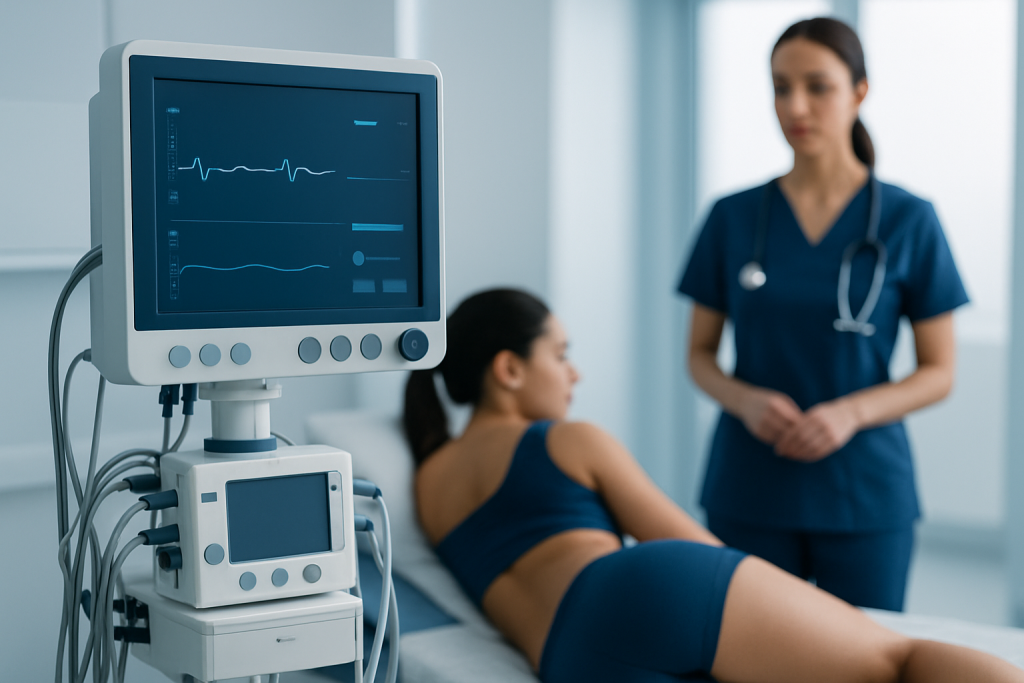
A suitable candidate for Brazilian butt lift surgery is usually an adult in generally good health who has enough fat in donor areas for transfer and a realistic understanding of the expected outcome. Stable body weight is important because significant weight gain or loss can change both the donor areas and the buttocks after surgery.
At a consultation, the surgeon reviews medical history, previous operations, medications, allergies, nicotine use and any conditions that may affect anesthesia, wound healing or blood-clot risk. The physical examination considers skin quality, body proportions, available donor fat and the patient’s individual goals. The discussion should include what degree of change is achievable safely rather than relying on edited images or a specific requested volume.
People with uncontrolled health conditions, active infections, significant bleeding or clotting concerns, or ongoing nicotine use may need treatment or lifestyle changes before surgery. A surgeon may also advise delaying the procedure when a person expects a major weight change or pregnancy in the near future. In some cases, another approach or no surgery may be the safest recommendation.
Step-by-Step Brazilian Butt Lift Procedure
The procedure begins with preoperative markings while the patient is standing, so the surgeon can plan donor-area liposuction and the intended buttock contour. It is commonly performed under anesthesia in an appropriately equipped surgical facility. The exact duration depends on the areas being treated, the amount of liposuction required and the complexity of the planned contouring.
- Fat is removed through small incisions using liposuction.
- The collected fat is prepared for transfer using the surgical team’s sterile process.
- The surgeon injects small amounts of fat through carefully placed entry points to build shape and projection gradually.
- The donor-area incisions are closed or dressed, and compression garments may be fitted as advised.
Current safety principles prioritize placing fat in the layer above the gluteal fascia rather than injecting it into the gluteal muscle. Many professional safety guidelines also support real-time ultrasound to help the surgeon monitor the cannula during fat injection. Patients can ask their surgeon about the injection plane, ultrasound use, anesthesia arrangements and the facility’s emergency protocols before deciding whether to proceed.
After surgery, patients are monitored until they are ready to leave the facility or stay overnight, depending on their treatment plan and clinical needs. They receive individualized guidance on medications, wound care, compression garments, sitting restrictions, activity and follow-up appointments. A responsible surgical plan includes accessible postoperative support as well as the procedure itself.
Recovery Timeline and Everyday Self-Care
During the first several days, soreness in the liposuction areas, swelling, bruising, drainage from small incision sites and temporary numbness can occur. Prescribed pain relief and careful wound care can support comfort during this phase. Short, gentle walks are usually encouraged as soon as the surgical team advises, because movement supports circulation and reduces the risks associated with prolonged immobility.
For the first weeks, patients are commonly asked to avoid prolonged direct pressure on the buttocks so the transferred fat can settle. The exact duration and method vary by surgeon and procedure, but may involve sleeping on the side or stomach and using a specifically recommended support when sitting is necessary. Compression garments are often used for liposuction areas, but they should be worn exactly as fitted and instructed so they do not place unwanted pressure on the healing buttocks.
How to poop after BBL surgery?
Patients should not delay bowel movements after surgery, but they should follow their surgeon’s guidance about minimizing direct pressure on the buttocks during bathroom use. Temporary constipation is common after anesthesia, reduced activity and opioid pain medicines, so hydration, fibre-rich foods and gentle walking may help. A stool softener may be appropriate if the surgical team recommends it; straining, using enemas or trying awkward positions without medical advice should be avoided.
Many people can return to light daily tasks within one to two weeks if their comfort and work requirements allow, although sitting restrictions may make this impractical for some roles. More vigorous exercise, heavy lifting and lower-body training are usually delayed until the surgeon confirms that healing is progressing well, often over several weeks. Swelling improves gradually, and the body contour usually becomes clearer over the following three to six months.
Benefits, Risks and Long-Term Results
A potential benefit of a BBL is that it combines buttock enhancement with contouring in donor areas. Because it uses a person’s own fat, the result may feel more natural than an implant for some patients. However, results vary with anatomy, skin elasticity, healing, fat survival, weight stability and adherence to recovery instructions.
What is the downside of a BBL?
The main downside is that BBL surgery has important risks in addition to the normal recovery demands of liposuction and anesthesia. Possible complications include infection, bleeding, fluid collections, uneven contour, changes in sensation, visible scars, persistent swelling, fat loss, asymmetry and the need for revision surgery. A particularly serious concern is fat embolism, which can occur when fat enters blood vessels; safety measures reduce this risk but cannot remove it completely.
Will my BBL get bigger after 3 months?
A BBL does not usually become progressively larger after three months solely because of the operation. At this point, swelling is continuing to settle and the surviving transferred fat is becoming more established, so the shape may look different from the early postoperative appearance. A later increase in size is more often related to weight gain, while weight loss can reduce the volume of transferred fat.
What happens 10 years after a BBL?
Fat cells that survive the healing period generally behave like other fat cells in the body over the long term. Ten years after a BBL, natural aging, changes in skin elasticity, pregnancy, hormonal changes and weight fluctuations may alter buttock shape and volume. Some people remain satisfied with their results for many years, while others may consider a revision after a new assessment of their health, anatomy and goals.
When to Seek Medical Care
After Brazilian butt lift surgery, urgent medical assessment is needed for sudden or worsening shortness of breath, chest pain, fainting, confusion, a racing heartbeat or coughing up blood. These symptoms can have several causes, but they should never be managed at home after surgery. Patients should contact local emergency services immediately and should not drive themselves.
The surgical team should be contacted promptly for fever or chills, rapidly increasing redness, warmth or swelling around an incision, pus-like drainage, worsening pain that is not relieved by the prescribed plan, persistent vomiting, inability to pass urine, or new one-sided calf pain or swelling. Early review can help identify and manage a problem before it becomes more difficult to treat.
Routine follow-up visits are also important, even when healing seems straightforward. People travelling for surgery should have a written postoperative plan, know how to access medical care locally and ask their surgeon when it is safe to take a long journey. The timing of travel and any clot-prevention measures should always be individualized.
Choosing a Surgical Team and Planning Safely
Patients should seek a plastic surgeon with recognized specialist qualifications in the country where the procedure will take place and experience in gluteal fat grafting. Surgery should be performed in an appropriately accredited or licensed facility with qualified anesthesia professionals, clear safety procedures and a plan for postoperative monitoring. It is reasonable to request information about the surgeon’s approach to fat injection safety and how complications are managed.
An informed consultation should include discussion of expected benefits, limitations, scars, recovery restrictions and the possibility that some transferred fat will not survive. Patients should feel able to ask questions, take time to consider their decision and decline pressure to choose a larger volume or combine procedures that do not feel appropriate. Maintaining a stable weight, avoiding nicotine as advised and arranging practical support at home can all contribute to safer recovery planning.
For international patients considering this procedure, Acibadem International’s multidisciplinary specialists and JCI-accredited hospitals can provide assessment, surgical care and follow-up planning. The treating surgeon remains the best source of individualized advice based on the patient’s health, goals and examination findings.
Frequently asked questions
What happens 10 years after a BBL?
The fat that survives the early healing phase usually remains living tissue and behaves like fat elsewhere in the body. Over 10 years, aging, skin changes, pregnancy and weight fluctuations can alter the shape and volume of the buttocks. A revision may be considered by some people, but it requires a new clinical assessment.
How to poop after BBL surgery?
Patients should use the bathroom when needed and follow their surgeon’s instructions for minimizing pressure on the buttocks. Hydration, fibre-rich foods, gentle walking and surgeon-approved constipation treatment can help reduce straining. Patients should contact their care team if constipation is severe or persistent.
Will my BBL get bigger after 3 months?
A BBL does not normally keep getting bigger after three months because of the fat transfer itself. The appearance may continue to refine as residual swelling settles and the surviving fat stabilizes. Noticeable enlargement later on is more commonly associated with overall weight gain.
What is the downside of a BBL?
A BBL involves recovery restrictions, including avoiding prolonged pressure on the buttocks, and results may be uneven or require revision. Like other operations, it can cause bleeding, infection, scarring and anesthesia-related complications. It also carries a specific risk of fat embolism, making qualified surgical care and safety-focused technique essential.
How long does it take to recover from Brazilian butt lift surgery?
Initial recovery often takes several weeks, while swelling and the final contour may continue to improve for three to six months. The return to work and exercise depends on the individual, the extent of liposuction and the surgeon’s sitting and activity restrictions. Follow-up appointments help confirm whether recovery is progressing as expected.
Who is a good candidate for a BBL?
Good candidates are generally healthy adults with sufficient donor fat, stable weight and realistic goals for body contouring. They should be willing to follow nicotine restrictions, aftercare guidance and limitations on sitting during recovery. A consultation with a qualified plastic surgeon is needed to determine whether the procedure is appropriate and safe for an individual.
References
- American Society of Plastic Surgeons
- The Aesthetic Society
- International Society of Aesthetic Plastic Surgery
- U.S. Food and Drug Administration
- Multi-Society Gluteal Fat Grafting Task Force
This article is for general information only and is not a substitute for professional medical advice. Please consult a qualified doctor about your individual situation.
Explore treatments in Turkey — costs, top hospitals & a free quote
JCI-accredited · board-certified surgeons · reply within 24h
Add us as a Preferred Source to see more of our trusted health content across Google Search, AI Overviews and Discover.

More from the Health Library


Related Specialists

Dr. Remzi Özgür Özay
Anesthesiology
Prof. Dr. Metin Çakmakçı
General Surgery
Fzt. Murat Elmas
Physical Medicine & Rehabilitation
Prof. Dr. Cem Demirel
Gynecology & Obstetrics