Breaking News Stress: How Constant News Exposure Can Affect Sleep and Anxiety
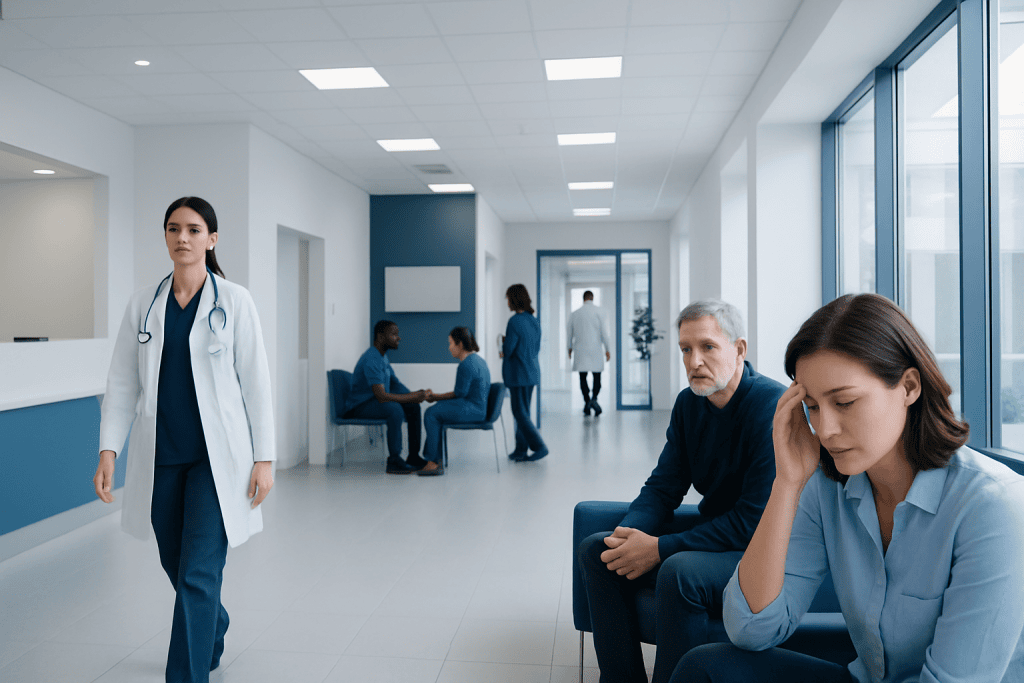
Frequent breaking news exposure can activate the body's stress response and make relaxation more difficult. News-related stress may contribute to racing thoughts, poor sleep quality, and daytime fatigue.
Key Takeaways
- Frequent breaking news exposure can activate the body's stress response and make relaxation more difficult.
- News-related stress may contribute to racing thoughts, poor sleep quality, and daytime fatigue.
- People with existing anxiety, sleep problems, or high-stress lives may be more sensitive to constant news updates.
- Simple habits such as limiting screen time, choosing reliable news sources, and setting boundaries can help reduce the impact.
- Persistent anxiety, insomnia, or worsening mental health symptoms should be discussed with a qualified healthcare professional.
Constant exposure to breaking news can keep the mind and body in a heightened state of alertness. Over time, this may make it harder to sleep, increase anxiety, and affect overall well-being.
Overview
Breaking news is designed to capture attention quickly. Alerts, headlines, live updates, and repeated coverage can make important events feel immediate and personal, even when they are happening far away. While staying informed can be useful, constant exposure may place the brain in a repeated cycle of vigilance.
This pattern is often called breaking news stress. It is not a formal medical diagnosis, but it describes a very real experience: feeling tense, preoccupied, or emotionally drained after consuming a large amount of distressing news. For some people, this can lead to difficulty switching off at night, increased worry, and poorer sleep.
The effect can be stronger during periods of uncertainty, crisis, conflict, natural disasters, or economic instability. Social media may amplify this by delivering a rapid stream of dramatic content, opinions, and notifications throughout the day. Understanding how this affects sleep and anxiety can help people respond in healthier ways.
How Constant News Exposure Affects the Mind and Body
When a person sees alarming or emotionally intense news, the body may respond as if it is facing a threat. Stress hormones can rise, the heart rate may increase, and attention may narrow. This response is useful in true danger, but repeated activation without a chance to recover can become exhausting.
The brain is especially sensitive to uncertainty. Incomplete information, conflicting reports, and constant updates can keep the mind searching for answers. This may lead to repeated checking of phones or television, difficulty concentrating, irritability, or a sense that it is unsafe to relax.
For some people, ongoing news exposure can contribute to symptoms associated with anxiety or emotional overload. It may also worsen existing stress-related conditions, including headaches, muscle tension, fatigue, and low mood. These effects do not mean a person is weak; they reflect a normal stress system being activated too often.
Children, teenagers, older adults, caregivers, and people who have lived through trauma may be particularly sensitive. Healthcare workers, journalists, emergency responders, and others whose jobs already involve high stress may also notice a stronger reaction to repeated negative news.
Symptoms to Notice
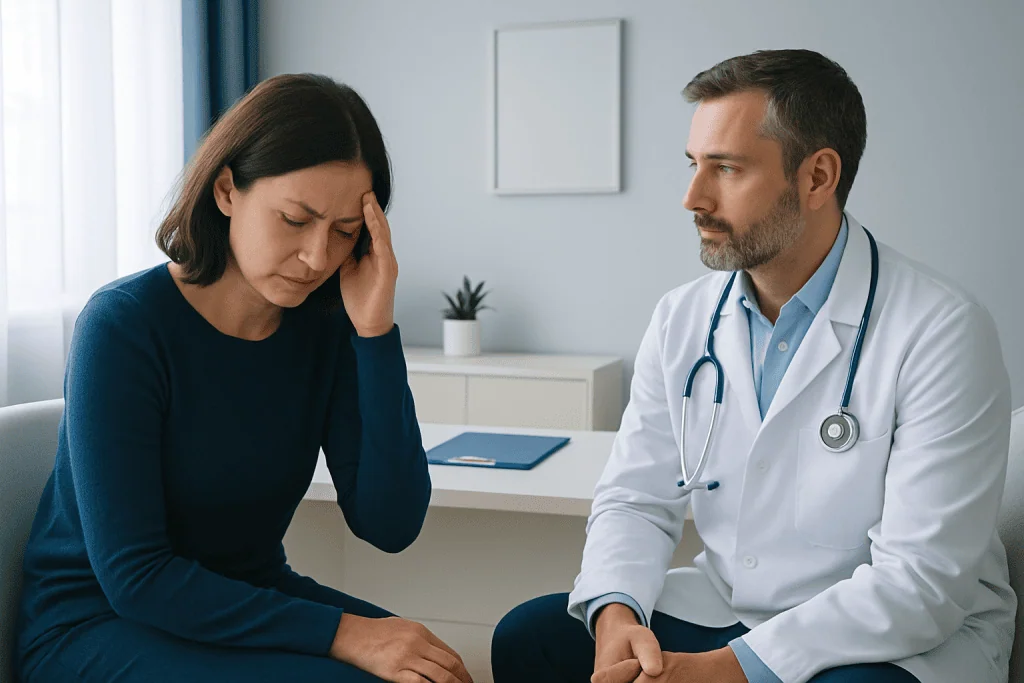
Breaking news stress can show up in emotional, physical, and behavioral ways. Some people feel restless or fearful, while others notice they become numb, distracted, or unusually tired. Symptoms may come and go depending on what is happening in the news and how often a person is exposed to it.
Common signs include trouble falling asleep, waking during the night to check updates, vivid dreams, or feeling unrefreshed in the morning. During the day, a person may find themselves doomscrolling, replaying headlines in their mind, or becoming more easily overwhelmed by ordinary tasks.
- Racing thoughts or constant worry
- Difficulty falling or staying asleep
- Feeling tense, on edge, or irritable
- Difficulty concentrating
- Fatigue, headaches, or muscle tightness
- Compulsive checking of alerts, feeds, or live coverage
- Feeling helpless, sad, or emotionally exhausted
If these symptoms are frequent, last for weeks, or interfere with work, relationships, or daily functioning, a healthcare professional may help determine whether stress, insomnia, or an anxiety-related condition is contributing. In some cases, evaluation for sleep disorders may also be appropriate.
Why Sleep Is Often Affected First
Sleep depends on a sense of safety and a gradual winding down of the nervous system. Breaking news can interrupt that process by keeping the brain alert. Late-night scrolling, bright screens, emotional stories, and notification sounds can all signal the mind to stay awake and keep monitoring for new information.
Stress and sleep affect each other closely. Poor sleep lowers emotional resilience, making a person more reactive the next day. In turn, feeling more anxious can make it even harder to sleep the following night. This cycle can build over time, especially when news consumption continues without boundaries.
Screen use also matters. Phones and tablets can delay sleep by exposing the eyes to light and the mind to stimulating content. Even if a person feels physically tired, mentally activating news stories may keep thoughts moving. For some, this creates a pattern of lying awake, checking updates again, and sleeping less overall.
People who already have insomnia, generalized worry, panic symptoms, depression, or shift-work schedules may be especially vulnerable. If sleep problems become persistent, a clinician may recommend assessment and support, sometimes including sleep evaluation when symptoms suggest an underlying sleep disorder.
Who Is at Greater Risk
Anyone can be affected by constant news exposure, but certain factors can increase vulnerability. A previous history of anxiety, depression, trauma, insomnia, or chronic stress may make the stress response easier to trigger. Personality traits such as high sensitivity, perfectionism, or a strong need for certainty can also play a role.
The way news is consumed matters as well. Continuous scrolling, relying on push alerts, checking multiple sources repeatedly, or consuming sensational content may intensify distress. Social media can increase the effect by mixing facts, rumors, personal reactions, and graphic images into one fast-moving feed.
Life circumstances also influence risk. People facing health concerns, financial pressure, caregiving responsibilities, or major life changes may have fewer emotional reserves. During difficult periods, even moderate news exposure can feel overwhelming because the mind is already carrying a heavy load.
It can help to remember that being informed does not require constant monitoring. For many people, a smaller amount of reliable information is enough to stay updated without overloading the nervous system.
Ways to Reduce Breaking News Stress
Small, consistent changes can make a meaningful difference. The goal is not to ignore important events, but to consume information in a way that protects mental and physical health. Many people benefit from setting limits around when, where, and how they follow the news.
- Check news at planned times rather than continuously throughout the day.
- Turn off nonessential alerts and avoid keeping live coverage on in the background.
- Choose a few reliable sources instead of scrolling through many feeds.
- Avoid distressing news close to bedtime, especially in the last hour before sleep.
- Balance difficult news with calming activities such as reading, stretching, walking, or speaking with a trusted person.
- Notice when information stops being useful and starts increasing distress.
Healthy sleep habits are especially important. A regular sleep schedule, a dark and quiet bedroom, reduced evening screen time, and a simple wind-down routine can support recovery. Relaxation practices such as slow breathing, mindfulness, gentle movement, or journaling may also help calm the body after an upsetting news cycle.
If anxiety remains significant, professional support may be helpful. A doctor or mental health professional can assess symptoms and discuss options such as stress management strategies, counseling, or psychiatric support when appropriate. Near the end of the care journey, some people also benefit from coordinated evaluation at centers such as Acibadem International, where multidisciplinary specialists in JCI-accredited hospitals care for international patients.
When to Seek Professional Help
It is a good idea to seek medical advice if news-related stress leads to ongoing insomnia, panic symptoms, worsening anxiety, low mood, or difficulty functioning at home or work. Professional assessment is also important if a person feels unable to control compulsive news checking, uses alcohol or other substances to cope, or notices symptoms are worsening over time.
Urgent help is needed if someone experiences thoughts of self-harm, hopelessness that feels unbearable, severe panic, or an inability to care for basic needs. In these situations, immediate support from local emergency services or a qualified mental health crisis resource is important.
A healthcare professional may ask about sleep, stress, mental health history, physical symptoms, medication use, and daily routines. In some cases, treatment may involve counseling, lifestyle changes, support for insomnia, or evaluation of related conditions such as depression if symptoms suggest it.
Early support can prevent a short-term stress response from becoming a more persistent sleep or anxiety problem. Reaching out for help is a practical and positive step, not a sign of failure.
Frequently asked questions
Can watching too much news really cause anxiety?
Constant exposure to distressing or uncertain news can increase stress and trigger anxiety symptoms in some people. It may not cause an anxiety disorder on its own, but it can worsen worry, tension, and emotional overload, especially in people who are already vulnerable.
Why does breaking news make it harder to sleep?
Breaking news keeps the brain alert and focused on possible threats, which can interfere with the normal process of winding down. Screens, notifications, and emotionally intense stories close to bedtime can make it harder to fall asleep and stay asleep.
How much news is too much?
There is no single number that fits everyone. News intake may be too much if it leaves a person feeling overwhelmed, interrupts sleep, fuels compulsive checking, or affects daily functioning. Planned, limited check-ins with reliable sources are often easier on mental health than constant monitoring.
Is doomscrolling bad for mental health?
Doomscrolling can keep the stress response active by exposing a person to a rapid stream of alarming information without a break. Over time, this may increase worry, irritability, helplessness, and difficulty sleeping.
What can help reduce news-related stress at night?
Helpful steps include turning off alerts, avoiding news in the hour before bed, keeping screens out of the bedroom if possible, and following a calming bedtime routine. Breathing exercises, gentle stretching, reading something neutral, or listening to relaxing audio may also help.
When should someone talk to a doctor about news anxiety?
A doctor should be consulted if anxiety, poor sleep, panic symptoms, low mood, or compulsive news checking persist for weeks or interfere with work, relationships, or daily life. Immediate help is important if there are thoughts of self-harm, severe distress, or inability to cope safely.
References
- World Health Organization
- American Psychiatric Association
- National Institute of Mental Health
- Centers for Disease Control and Prevention
- American Academy of Sleep Medicine
This article is for general information only and is not a substitute for professional medical advice. Please consult a qualified doctor about your individual situation.
Explore treatments in Turkey — costs, top hospitals & a free quote
JCI-accredited · board-certified surgeons · reply within 24h
Add us as a Preferred Source to see more of our trusted health content across Google Search, AI Overviews and Discover.
Check your numbers in seconds
BMI, calories, due date, blood pressure and 30+ more clinical calculators — free, instant, doctor-reviewed ranges.