Breast lift in Turkey: Hospitals, Safety & What to Expect

A breast lift, also called mastopexy, reshapes and raises the breasts by removing excess skin and repositioning breast tissue and the nipple. The procedure does not substantially increase breast size; implants or fat transfer may be considered separately when volume restoration is desired.
Key Takeaways
- A breast lift, also called mastopexy, reshapes and raises the breasts by removing excess skin and repositioning breast tissue and the nipple.
- The procedure does not substantially increase breast size; implants or fat transfer may be considered separately when volume restoration is desired.
- A thorough consultation should review medical history, breast examination findings, expectations, travel plans and the ability to attend follow-up care.
- Recovery usually involves temporary swelling, bruising and activity limits, with scars continuing to mature over many months.
- All surgery has risks, including bleeding, infection, scarring, changes in nipple sensation and the possibility of revision surgery.
- Patients travelling for care should allow adequate time in the country for pre-operative assessment, early recovery and surgeon-approved post-operative review.
A breast lift in Turkey may be an appropriate option for adults seeking to improve breast position and shape after ageing, pregnancy, weight changes or natural loss of skin elasticity. Safety depends less on location alone and more on surgeon qualifications, hospital standards, informed consent, appropriate candidacy and a well-planned recovery period.
Overview: Is a Breast Lift in Turkey a Safe Option?
A breast lift in Turkey can be a safe and effective procedure when it is performed by a suitably qualified plastic surgeon in a properly equipped, accredited hospital and when the patient is an appropriate candidate. A safe experience also requires clear communication, a detailed pre-operative assessment, reliable anaesthesia services, written aftercare guidance and enough time for post-operative review before travel.
A breast lift, medically known as mastopexy, is designed to improve breast position and contour. The surgeon removes excess skin, reshapes the breast tissue and repositions the nipple-areola complex when needed. It is commonly considered when the breasts have become lower on the chest, flatter in the upper pole or less symmetrical over time.
The operation is individualized. It may be performed on its own or combined with breast reduction, implants or, in selected cases, fat transfer. For a fuller overview of surgical approaches, expectations and consultation planning, see breast lift treatment information.
How a Breast Lift Works and What It Can Achieve
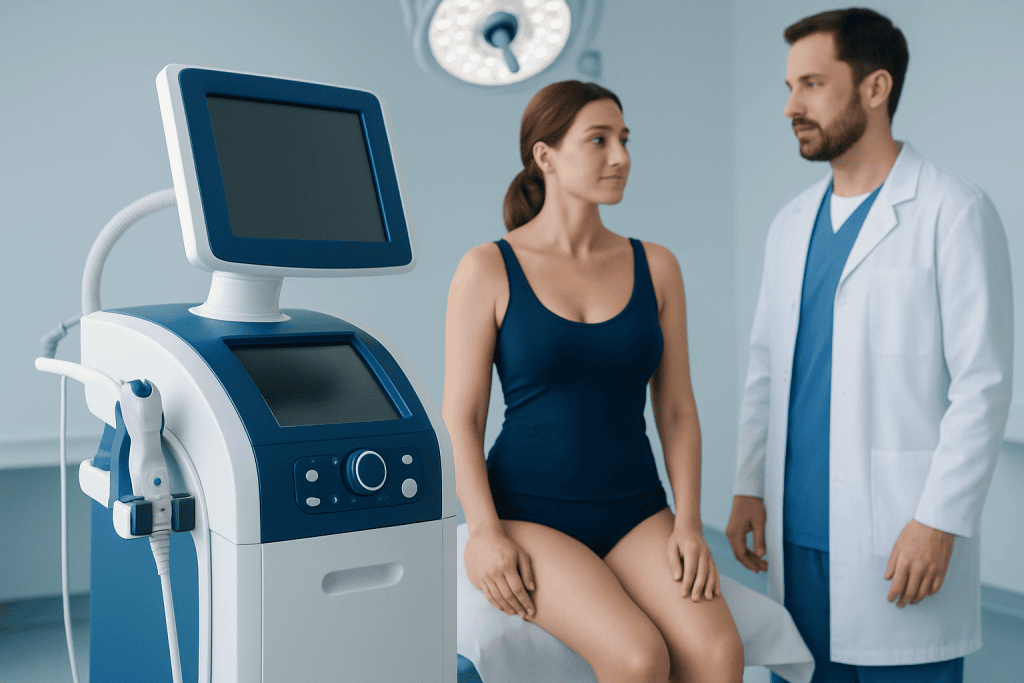
Breast shape is influenced by breast tissue, skin elasticity, the supporting ligaments and changes in body weight and hormones. Pregnancy, breastfeeding, ageing, significant weight changes and genetics can all contribute to breast ptosis, the medical term for breast drooping. A lift addresses the skin envelope and breast shape; it cannot stop future changes caused by ageing, pregnancy or weight fluctuation.
During mastopexy, the surgeon uses carefully planned incisions to remove loosened skin and reshape the underlying tissue. The nipple is moved to a more central, forward-facing position while remaining attached to its blood supply and nerves whenever possible. The areola may also be reduced if it has stretched over time.
A lift can create a firmer, more elevated breast contour and improve nipple position. It does not, however, reliably add significant volume or fullness at the upper breast. If volume loss is a major concern, the surgeon may discuss whether an augmentation or another approach is appropriate, based on anatomy, health and personal goals.
- Common goals include improved breast position, shape and symmetry.
- Incision patterns vary according to the degree of skin excess and the planned reshaping.
- Results are long-lasting for many people, but the breasts naturally continue to change over time.
Who May Be a Candidate for Breast Lift Surgery?

Good candidates are generally adults who are in stable health, understand the likely benefits and limitations of surgery, and have realistic expectations about scars and recovery. A consultation should include a review of current medications, allergies, previous operations, smoking or nicotine use, medical conditions and family history relevant to breast health.
Stable body weight is helpful because substantial weight loss or gain after surgery can affect the breast shape. People considering pregnancy may wish to discuss timing carefully, as a future pregnancy can change the results. Breastfeeding may still be possible after some lift techniques, but it cannot be guaranteed because milk ducts and nerves can be affected by surgery.
Surgeons also consider breast screening needs. Depending on age, symptoms, family history and local guidance, breast imaging may be advised before surgery. A breast lift is cosmetic surgery and is not a treatment for a breast lump, unexplained nipple discharge or other potentially concerning breast symptoms.
Nicotine products can reduce blood flow and raise the risk of wound-healing problems. Patients are usually asked to stop smoking, vaping and using nicotine-containing products for a period specified by their surgical team before and after the procedure.
The Procedure: From Consultation to Surgery Day
Planning commonly begins with a remote review for international patients, followed by an in-person assessment before surgery. The surgeon evaluates breast shape, skin quality, nipple position and asymmetry, discusses incision options, reviews health information and explains what outcome is realistic. Patients should feel able to ask who will provide the anaesthesia, where the procedure will take place and how follow-up will be arranged.
On the day of surgery, mastopexy is usually performed under general anaesthesia. The surgical team marks the planned incision lines, monitors the patient throughout the operation and reshapes the breast through the chosen incision pattern. Incisions may be around the areola only, around the areola with a vertical line to the breast crease, or include an incision along the breast crease when more extensive reshaping is needed.
After tissue reshaping and nipple repositioning, the incisions are closed with sutures and covered with dressings. A supportive surgical bra may be recommended. Some patients return to their accommodation on the same day, while others may need an overnight stay depending on the procedure, anaesthesia assessment and individual recovery.
Patients travelling internationally should plan their itinerary around medical needs rather than sightseeing. Accommodation close to the hospital, a responsible adult for early support when recommended, accessible transport and the ability to remain locally for post-operative checks are practical parts of safe planning.
Recovery Timeline and Travel Planning
Recovery varies by the extent of surgery and the individual. In the first days, swelling, bruising, tightness and mild to moderate discomfort are common. The surgical team provides tailored instructions for pain relief, showering, wound care, sleeping position, compression garments, prescribed medicines and warning signs that require prompt contact.
Many people can manage gentle walking soon after surgery, which may support circulation, but lifting, vigorous exercise, reaching overhead and strenuous household tasks are restricted initially. Desk-based work may be possible after a period determined by the surgeon, while physically demanding work and exercise usually require more recovery time. Driving should wait until the patient is comfortable, no longer taking sedating medication and can safely perform an emergency stop.
Swelling improves gradually over the following weeks, while the breast shape continues to settle over several months. Incisions heal in stages, and scars are permanent but often fade and soften over time. Following scar-care advice, protecting scars from sunlight and attending reviews can support healing.
International patients should not plan to fly immediately after surgery. The surgeon should decide when travel is appropriate based on the operation, recovery progress and individual risk factors, including the risk of blood clots. Before leaving Turkey, patients should receive clear documentation and a plan for contacting the surgical team and a local clinician if concerns arise after returning home.
Benefits, Risks and How to Assess Hospital Safety
Potential benefits of breast lift surgery include a more elevated breast position, improved contour, better nipple alignment and improved comfort in clothing or bras. Some people also report greater confidence in their appearance. Results should be viewed as an improvement rather than perfection, as pre-existing asymmetry and natural ageing may remain or continue.
Like all operations, mastopexy carries risks. These include bleeding, fluid collection, infection, delayed wound healing, noticeable or widened scars, changes in breast or nipple sensation, asymmetry, breast shape changes, anaesthesia-related complications and the need for further surgery. Rarely, reduced blood supply can affect the nipple or skin. The individual risk profile should be discussed directly with the surgeon.
For those considering a breast lift in Turkey, useful safety questions include whether the hospital is appropriately accredited, whether the surgeon is trained and experienced in plastic surgery, what emergency services are available, and how infection prevention, anaesthesia and post-operative care are managed. JCI accreditation is one internationally recognized hospital quality and safety framework, although accreditation alone does not replace individualized clinical assessment or informed consent.
Acibadem International’s multidisciplinary specialists and JCI-accredited hospitals diagnose and treat international patients, with care planning that can include pre-operative assessment and post-operative follow-up arrangements. Patients should independently review their options and choose a team with whom they can communicate clearly and confidently.
When to Seek Medical Care
Patients should contact their surgical team promptly if they develop increasing rather than improving pain, rapidly expanding swelling, persistent bleeding, fever, worsening redness, pus-like drainage, a wound opening, new shortness of breath, chest pain or one-sided leg pain or swelling. These symptoms do not always indicate a serious problem, but they require timely medical assessment.
Urgent emergency care is needed for severe breathing difficulty, chest pain, fainting, sudden confusion, uncontrolled bleeding or signs of a serious allergic reaction. People who have returned home after surgery should seek local emergency assistance when necessary and inform their operating team as soon as possible.
Before surgery, medical advice is important for any new breast lump, skin dimpling, persistent breast pain, bloody or spontaneous nipple discharge, or a new change in the nipple. These symptoms need clinical evaluation and should not be assumed to be related to cosmetic breast changes.
Frequently asked questions
How long does a breast lift in Turkey take?
The operation time depends on the amount of lifting and reshaping required and whether another procedure is performed at the same time. The surgical team can provide an individualized estimate after an examination and discussion of the planned technique. Time is also needed for pre-operative assessment, anaesthesia preparation and recovery monitoring.
Will a breast lift make the breasts larger?
A breast lift changes breast position and shape but does not substantially increase breast volume. If restoring lost volume is an important goal, a surgeon may discuss implants or other options. The safest approach depends on breast anatomy, skin quality, health and personal preferences.
How visible are breast lift scars?
Breast lift surgery requires incisions, so scars should be expected. Their position and length depend on the technique needed for the degree of lift. Scars usually mature gradually over many months, and the surgeon can explain scar-care measures and factors that may affect healing.
How long should an international patient stay in Turkey after a breast lift?
The required stay varies according to the surgery performed, the patient’s recovery and the surgeon’s follow-up protocol. Patients should remain long enough for essential post-operative examinations and only travel after their surgeon confirms that it is appropriate. Travel plans should remain flexible in case recovery needs more time.
Can a person breastfeed after a breast lift?
Breastfeeding may still be possible after a breast lift, particularly when techniques preserve important ducts and nerves. However, surgery can affect milk production or delivery, so it cannot be guaranteed. Anyone planning future pregnancy or breastfeeding should discuss this during the consultation.
What should patients check before choosing a hospital for breast lift surgery?
Patients should confirm the surgeon’s qualifications, the hospital’s standards and accreditation, anaesthesia arrangements, emergency support and post-operative follow-up plan. They should also receive clear information about expected results, scars, recovery restrictions, risks and who to contact after discharge. A careful consultation and transparent communication are important parts of informed decision-making.
References
- American Society of Plastic Surgeons
- International Society of Aesthetic Plastic Surgery
- U.S. Food and Drug Administration
- Joint Commission International
- National Health Service
This article is for general information only and is not a substitute for professional medical advice. Please consult a qualified doctor about your individual situation.
Explore treatments in Turkey — costs, top hospitals & a free quote
JCI-accredited · board-certified surgeons · reply within 24h
Add us as a Preferred Source to see more of our trusted health content across Google Search, AI Overviews and Discover.

Plastic, Reconstructive & Aesthetic Surgery
Reconstructive and aesthetic procedures for the face and body, performed by experienced surgeons.
35 specialists in this unit