Breasts Sore After Period: What Is Normal, What Is Not, and When to Seek Care

Breast soreness after a period is often caused by normal hormonal changes and may settle on its own. Pain in both breasts that comes and goes is more often benign than pain that is new, localized, or persistent.
Key Takeaways
- Breast soreness after a period is often caused by normal hormonal changes and may settle on its own.
- Pain in both breasts that comes and goes is more often benign than pain that is new, localized, or persistent.
- A supportive bra, symptom tracking, and review of medications, caffeine, and lifestyle factors may help identify triggers.
- Medical evaluation is important if breast pain occurs with a lump, nipple discharge, skin changes, fever, or swelling.
- Breast pain alone does not usually mean cancer, but new breast symptoms should not be ignored.
Boobs sore after period are often related to normal hormone fluctuations and are commonly not a sign of serious disease. However, pain that is persistent, one-sided, linked to a lump, or accompanied by skin or nipple changes should be medically assessed.
Overview: Is It Normal for Boobs to Be Sore After a Period?
Boobs sore after period can be normal, especially when the body is still responding to hormone changes that happen across the menstrual cycle. Some people notice breast tenderness before a period, while others feel it during or just after bleeding ends. In many cases, this pattern reflects normal sensitivity of breast tissue to estrogen and progesterone.
Breast pain is very common and is often described as heaviness, tenderness, burning, aching, or swelling. It may affect one or both breasts, and it can sometimes extend into the armpit. If the soreness is mild, affects both sides, and improves over time, it is usually not a sign of a serious problem.
That said, not all breast pain follows the same pattern. Pain that is clearly unrelated to the cycle, focused in one spot, or associated with a lump or skin change deserves more attention. Understanding whether the pain is cyclical or non-cyclical is one of the most useful first steps.
What Breast Soreness Feels Like and What Patterns Matter
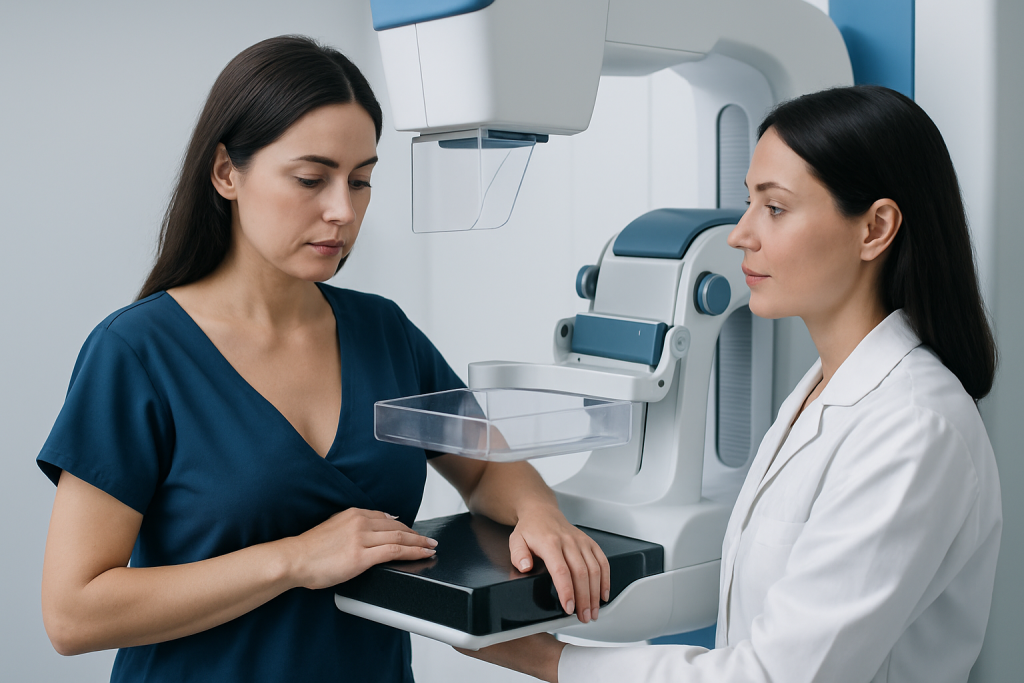
People use many different words for breast pain. Some feel diffuse tenderness or fullness in both breasts, while others notice a sharper discomfort in one small area. The timing, location, and associated symptoms can help clarify whether the cause is likely hormonal, muscular, inflammatory, or related to a breast condition.
Cyclical breast pain usually follows the menstrual cycle. It often affects both breasts, may feel worse in the upper outer areas, and can come with temporary lumpiness or swelling. Although it often peaks before a period, some people continue to feel soreness after the period ends because hormone levels do not shift in exactly the same way every cycle.
Non-cyclical pain does not have a clear monthly pattern. It may be constant or intermittent and can affect one breast more than the other. Sometimes what feels like breast pain actually comes from the chest wall, shoulder, neck, or rib muscles, particularly after exercise, lifting, poor posture, or coughing.
- More often benign: soreness in both breasts, linked to the cycle, improving over days
- Needs assessment sooner: one-sided pain in the same spot, a new lump, nipple discharge, fever, or redness
- Possible non-breast source: pain worse with movement, pressing on the chest wall, or recent strain
Common Causes of Boobs Sore After Period
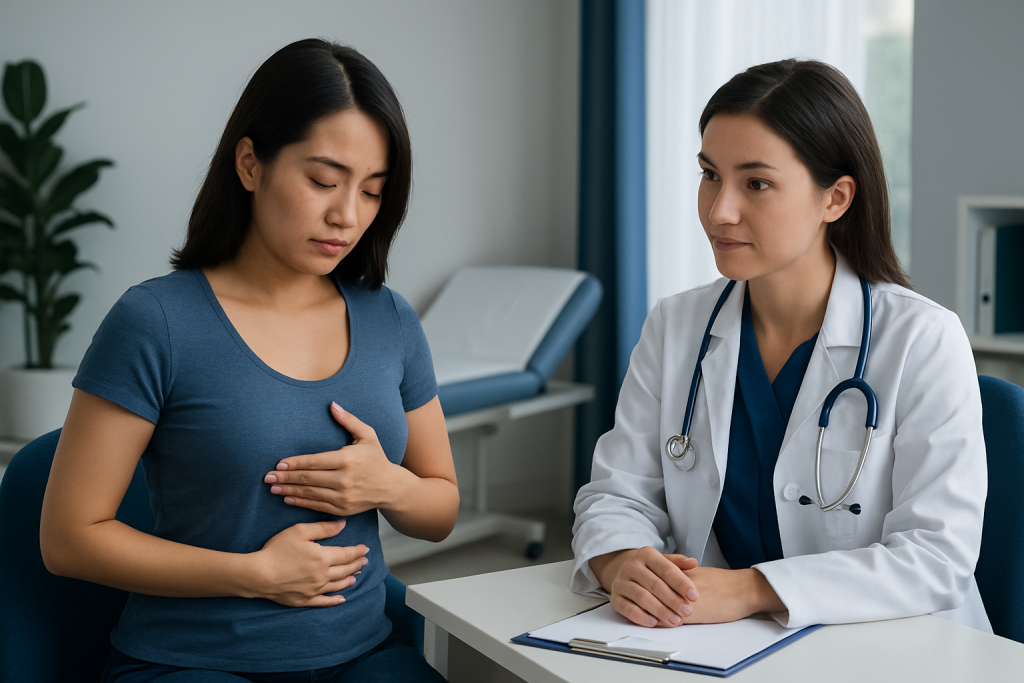
The most common cause is hormonal fluctuation. Breast tissue is sensitive to changing levels of estrogen and progesterone, and some people are more sensitive than others. Ovulation timing, irregular cycles, perimenopause, and stress can all shift hormonal patterns, making soreness last longer than expected.
Benign breast changes can also contribute. Fibrocystic breast changes may cause lumpiness, tenderness, or a feeling of fullness, especially around the menstrual cycle. These changes are not cancer and are common in reproductive years, but they can make post-period soreness more noticeable. In some cases, a doctor may evaluate for breast cancer if there are other concerning symptoms, although pain alone is not a typical first sign.
Pregnancy can cause breast soreness even before a missed period is recognized, so it may be relevant if cycles are not predictable. Certain medications, including some hormonal contraceptives, fertility treatments, antidepressants, or hormone therapy, may also increase breast tenderness. Caffeine, smoking, and fluid retention are sometimes reported as contributors, although the effect varies between individuals.
Less commonly, infection, inflammation, trauma, cysts, or chest wall pain may be responsible. Mastitis is more common during breastfeeding but can occur outside of it. A breast cyst can feel tender and distinct, and if symptoms are significant, imaging such as breast ultrasound may help clarify the cause.
What Is Usually Normal, and What Is Not
Breast soreness is more likely to be normal when it is mild to moderate, happens around the menstrual cycle, involves both breasts, and settles without progressive worsening. Temporary heaviness, diffuse tenderness, and swelling that improve over several days are commonly benign. Many people also notice that symptoms vary from month to month.
It is less typical when pain is new, persistent, and clearly isolated to one spot. Pain that wakes a person from sleep, steadily gets worse, or is associated with visible breast changes should not be dismissed. While benign causes are still more common, these symptoms need a proper breast exam and sometimes imaging.
Specific warning features include a new lump, nipple discharge that is bloody or spontaneous, skin dimpling, nipple inversion that is newly developed, warmth and redness, or swelling in the armpit. If breast pain occurs along with these findings, further evaluation may include a clinic breast examination and mammography depending on age, risk factors, and the doctor’s assessment.
How Doctors Evaluate Breast Pain
Evaluation starts with a careful history. A doctor will usually ask when the pain began, whether it changes with the cycle, whether it affects one or both breasts, and whether there are other symptoms such as a lump, discharge, or fever. Medication use, hormone therapy, recent pregnancy, family history, and breast injury can also be relevant.
A clinical breast examination helps identify focal tenderness, skin changes, signs of infection, or a definite mass. If the pain appears to come from the chest wall rather than breast tissue, the exam may show tenderness over muscles or ribs. This distinction matters because management can be different.
Imaging is not always needed for generalized cyclical pain with a normal exam, but it may be recommended if symptoms are focal, persistent, or associated with abnormal findings. Depending on age and presentation, doctors may use breast ultrasound or mammography, and in selected cases further assessment in a breast clinic may be appropriate. The goal is to confirm a benign cause when possible and to make sure important conditions are not missed.
Relief, Treatment, and Self-Care
Treatment depends on the cause. If the pain appears cyclical and the breast exam is normal, reassurance and symptom monitoring may be all that is needed. Many episodes improve with time, especially when a trigger such as hormonal change or strain becomes clear. Keeping a symptom diary can help show whether the pain tracks with the menstrual cycle.
Practical measures may provide relief. A well-fitted supportive bra can reduce movement-related discomfort. Some people find benefit from warm or cool compresses, gentle activity modification, or simple pain relief recommended by their doctor. If a medication seems to be contributing, the prescribing clinician may review alternatives, but medicines should not be stopped without medical advice.
When a specific condition is found, treatment is directed to that cause. For example, infection may require medical treatment, a symptomatic cyst may need further evaluation, and persistent focal symptoms may need specialist review. Near the end of the care pathway, some patients choose centers such as Acibadem International, where multidisciplinary specialists in JCI-accredited hospitals evaluate and treat breast symptoms for international patients.
When to Seek Medical Care
Most breast soreness after a period is not urgent, but some situations should be checked promptly. Medical care is important if there is a new breast lump, persistent pain in one area, nipple discharge, skin dimpling, redness, warmth, fever, or swelling under the arm. These symptoms do not always mean a serious illness, but they should be assessed rather than watched for too long.
It is also sensible to seek care if breast pain is recurrent and interfering with sleep, exercise, or daily life, even when the exam seems normal. People with a personal history of breast disease, a strong family history, or new symptoms after menopause should not delay evaluation. If pregnancy is possible, testing may also be relevant because early pregnancy can cause breast tenderness.
For urgent symptoms such as rapidly worsening redness, fever, severe swelling, or intense pain, prompt medical review is appropriate. A clinician can decide whether the cause is breast-related, hormonal, infectious, or musculoskeletal and suggest the right next steps. Early assessment usually brings reassurance as well as appropriate treatment when needed.
Frequently asked questions
Is it normal for boobs to be sore after a period?
Yes, it can be normal. Hormone levels do not change in exactly the same way each cycle, so some people feel breast tenderness during or just after a period rather than before it.
Does breast pain after a period mean cancer?
Usually, no. Breast pain by itself is more often linked to hormone changes, benign breast conditions, or even chest wall strain, but pain with a lump, nipple changes, or skin changes should be checked.
Why do both breasts feel tender some months but not others?
Monthly variation is common because cycles can change with stress, sleep, age, ovulation timing, contraception, and perimenopause. Some months breast tissue is simply more sensitive to normal hormone shifts.
Can pregnancy cause breast soreness that seems like period-related pain?
Yes. Early pregnancy often causes breast fullness, tingling, or tenderness, and it can be mistaken for menstrual-cycle breast pain at first. If there is any chance of pregnancy, testing may help clarify the reason.
What helps relieve breast soreness after a period?
A supportive bra, warm or cool compresses, and tracking symptoms across the cycle may help. If pain is bothersome, a doctor can advise on safe pain relief and whether any medication or hormonal factor may be contributing.
When should breast pain be evaluated by a doctor?
A doctor should evaluate pain that is new, persistent, one-sided, or linked to a lump, nipple discharge, redness, fever, or skin changes. Medical review is also a good idea if the pain disrupts daily activities or continues for several cycles.
References
- American College of Obstetricians and Gynecologists
- American Cancer Society
- National Health Service
- Mayo Clinic
- National Institute for Health and Care Excellence
This article is for general information only and is not a substitute for professional medical advice. Please consult a qualified doctor about your individual situation.
Explore treatments in Turkey — costs, top hospitals & a free quote
JCI-accredited · board-certified surgeons · reply within 24h
Add us as a Preferred Source to see more of our trusted health content across Google Search, AI Overviews and Discover.
Check your numbers in seconds
BMI, calories, due date, blood pressure and 30+ more clinical calculators — free, instant, doctor-reviewed ranges.