Broken Back — Explained by Medical Evidence, Not Myths

Broken back is a common way to describe a spinal fracture, but the severity can vary widely. Symptoms may include sudden back pain, tenderness, reduced movement, numbness, weakness, or trouble walking.
Key Takeaways
- Broken back is a common way to describe a spinal fracture, but the severity can vary widely.
- Symptoms may include sudden back pain, tenderness, reduced movement, numbness, weakness, or trouble walking.
- Diagnosis usually relies on physical examination and imaging such as X-ray, CT, or MRI.
- Treatment depends on whether the fracture is stable or unstable and whether nerves or the spinal cord are affected.
- Falls, car accidents, sports injuries, and osteoporosis are common causes and risk factors.
- Urgent medical care is important after major trauma or if neurological symptoms appear.
A broken back usually means one or more fractured vertebrae in the spine, not always a completely severed spinal cord. Some spinal fractures are stable and heal with bracing and rest, while others are unstable and need urgent specialist care to protect the spinal cord and support recovery.
What a broken back really means
A broken back is the everyday term for a fracture in one or more bones of the spine, called vertebrae. It does not automatically mean paralysis or a spinal cord injury, although some fractures can be serious enough to threaten the spinal cord or nearby nerves. The key medical question is whether the fracture is stable, meaning the spine remains aligned, or unstable, meaning the bones may move and cause further harm.
The spine is divided into the cervical, thoracic, lumbar, sacral, and coccygeal regions. A fracture can happen in any part, but the thoracic and lumbar areas are common sites after falls and car accidents. Doctors may also describe the fracture by pattern, such as compression, burst, flexion-distraction, or fracture-dislocation, because this helps guide treatment.
Another important distinction is between a traumatic spinal fracture and a fragility fracture. Traumatic fractures usually follow a significant injury, while fragility fractures can occur in weakened bone, especially in people with osteoporosis. In these cases, a person may develop pain even after a minor strain, twist, or low-impact fall.
Because the term broken back can sound frightening, it helps to know that many spinal fractures are treatable and some heal without surgery. What matters most is early evaluation, proper imaging, and a treatment plan based on the exact type of fracture and whether the nervous system is involved.
Symptoms and warning signs
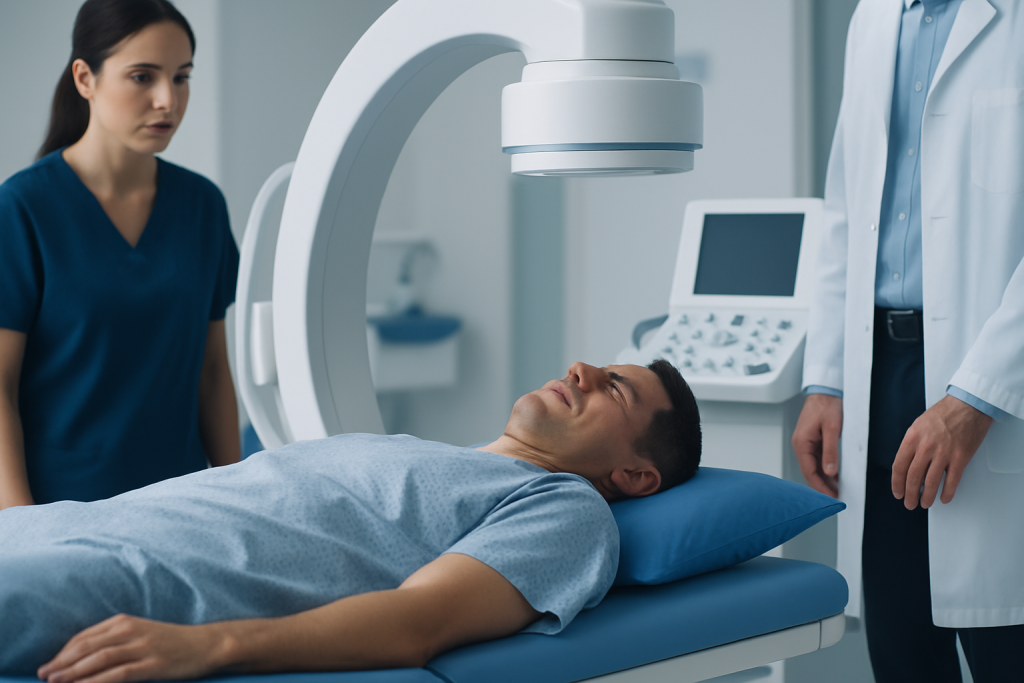
The most common symptom of a broken back is sudden back pain after an injury. The pain may be sharp or deep, and it often gets worse with movement, standing, walking, coughing, or trying to twist. Many people also notice tenderness over the injured area and muscle spasm around the spine.
Not all symptoms are limited to pain. If the fracture affects the spinal canal, spinal cord, or nerve roots, there may be numbness, tingling, weakness, poor balance, or difficulty walking. Some people describe a feeling that the legs are heavy or not responding normally. In severe cases, there may be loss of bladder or bowel control, which needs immediate medical attention.
Older adults with osteoporosis may have a different presentation. A vertebral compression fracture can sometimes begin with pain after a minor movement rather than a major accident. Over time, repeated fractures may lead to height loss, a stooped posture, and chronic discomfort.
- Sudden back pain after trauma
- Pain that worsens with movement
- Tenderness or swelling over the spine
- Numbness, tingling, or weakness in the arms or legs
- Difficulty standing or walking
- Changes in bladder or bowel control
Causes, fracture types, and risk factors
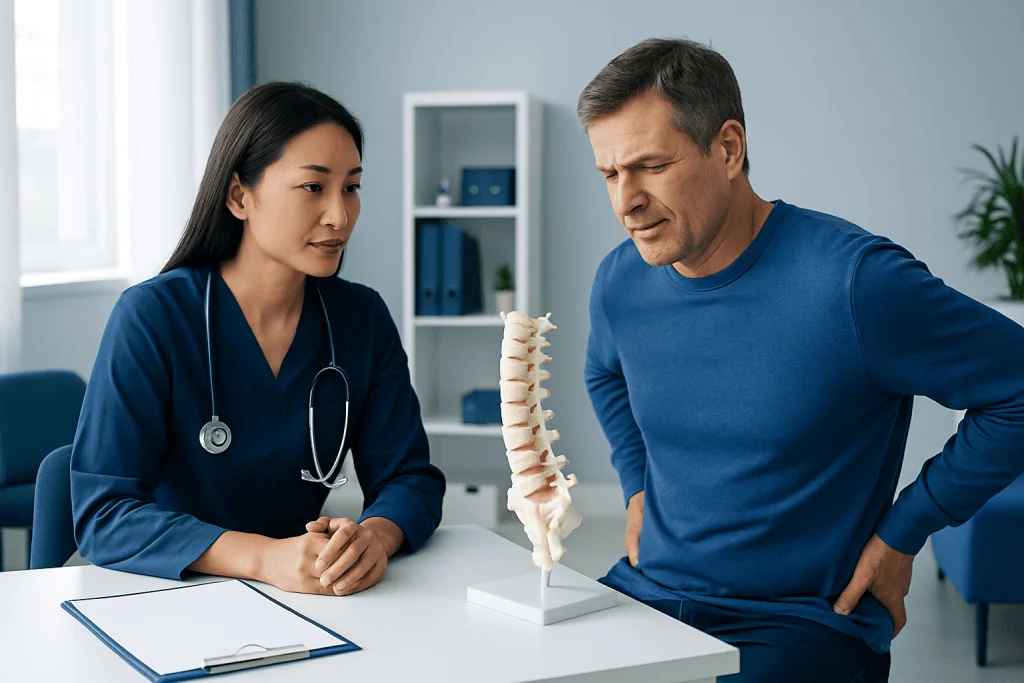
High-energy trauma is a leading cause of spinal fractures. Road traffic collisions, falls from height, sports injuries, and direct blows can place sudden force on the vertebrae. Depending on how that force is applied, the bone may compress, shatter, pull apart, or shift out of alignment.
Compression fractures involve collapse of the front part of a vertebra and are common in osteoporosis. Burst fractures are more severe because the vertebra breaks in multiple directions and fragments can narrow the spinal canal. Flexion-distraction injuries happen when the spine is pulled apart, often in high-impact crashes, and fracture-dislocations combine broken bone with misalignment, making them especially unstable.
Risk factors are not limited to trauma. Conditions that weaken bone can make a fracture more likely, including osteoporosis, older age, long-term corticosteroid use, some cancers, and low bone density from other causes. People with known osteoporosis may develop vertebral fractures even after minimal stress.
Doctors also consider whether another medical condition has contributed to the fracture. In some cases, an underlying infection or tumor can weaken a vertebra. This is why the cause of the injury matters, not just the pain itself.
How doctors diagnose a broken back
Diagnosis starts with a careful history and physical examination. The doctor asks how the injury happened, where the pain is located, whether symptoms started immediately, and whether there are signs of nerve involvement. After trauma, clinicians are especially cautious because moving a person with an unstable fracture can worsen the injury.
The examination checks spinal tenderness, alignment, strength, sensation, reflexes, and walking ability when safe. If a spinal fracture is suspected after a significant accident, emergency teams usually stabilize the spine first and avoid unnecessary motion until imaging is completed.
Imaging confirms the diagnosis and shows the fracture pattern. X-rays can identify many fractures, but CT scans often provide better detail about bone injury, alignment, and stability. MRI is particularly useful when there are neurological symptoms, concern about ligament damage, or a need to assess the spinal cord, discs, and soft tissues. If nerve or cord compression is suspected, evaluation may involve specialists in neurosurgery or spine care.
In older adults or people with low-impact fractures, doctors may also look for osteoporosis or another bone-weakening condition. This can involve bone density testing and blood tests, especially when the fracture seems disproportionate to the injury.
Treatment options and what recovery may involve
Treatment depends on the type of fracture, the stability of the spine, pain severity, and whether nerves are affected. Stable fractures without neurological damage are often treated without surgery. This usually includes pain control, activity modification, a brace when appropriate, and a structured rehabilitation plan to help restore safe movement.
Unstable fractures or injuries causing spinal cord or nerve compression may need surgery. The goals are to protect neurological function, realign the spine, and stabilize it with suitable techniques. Depending on the injury, surgery may involve decompression and fixation, sometimes as part of specialized spine surgery. In selected cases involving severe nerve-related symptoms, related assessment may also overlap with orthopedics and traumatology expertise.
Rehabilitation is an important part of recovery whether or not surgery is needed. Physical therapy can help improve posture, mobility, strength, and confidence with daily activities. Recovery time varies widely. A simple compression fracture may improve over weeks to months, while complex traumatic injuries can require a longer period of healing and rehabilitation.
Doctors also treat the cause when possible. If osteoporosis contributed to the fracture, bone health management becomes part of long-term care. For some people with collapse-type vertebral fractures linked to low bone density, the main focus is pain control, gradual movement, and preventing future fractures rather than immediate surgery.
Prevention, self-care, and living well after a spinal fracture
Not every broken back can be prevented, but risk can often be reduced. Seat belt use, fall prevention, safe sports techniques, and workplace safety measures all help lower the chance of major spine injuries. For older adults, home safety changes such as better lighting, handrails, and removing trip hazards can be very helpful.
Bone health matters just as much as accident prevention. Adequate calcium and vitamin D intake, weight-bearing exercise when suitable, and medical assessment for bone loss can reduce the risk of vertebral fractures. People at risk of fragility fractures may need evaluation and treatment for osteoporosis to protect the spine over time.
After a spinal fracture, self-care should follow medical advice rather than internet myths. Strict bed rest for long periods is usually not the goal, because gentle, guided movement is often important for recovery. It is also wise to avoid heavy lifting, twisting, or returning to sport too early. A doctor or physical therapist can advise when activities can safely resume.
If symptoms persist, worsen, or new weakness develops, reevaluation is important. In complex cases, multidisciplinary teams can help coordinate imaging, medical treatment, rehabilitation, and surgery if needed. Acibadem International’s multidisciplinary specialists in JCI-accredited hospitals diagnose and treat spinal fractures for international patients, including related care in physical therapy and rehabilitation when appropriate.
When to seek medical care
Medical care is needed urgently after a major fall, car accident, sports collision, or any injury that causes severe back pain and limited movement. A person with a possible spinal fracture should avoid unnecessary twisting or bending until assessed, especially if there is neck or back pain after trauma.
Immediate medical attention is especially important if there is numbness, tingling, weakness, difficulty walking, loss of bladder or bowel control, or increasing pain. These symptoms can suggest injury to the spinal cord or nerves. Emergency services are the safest choice when the person cannot move safely or has symptoms after significant trauma.
People with osteoporosis or older age should also seek evaluation for new back pain after even a minor fall or strain, because vertebral fractures may be overlooked. Early diagnosis can help relieve pain, guide safe activity, and prevent complications from untreated fractures.
Frequently asked questions
Does a broken back always mean paralysis?
No. Broken back usually means a fracture in the spine, and many spinal fractures do not damage the spinal cord. Paralysis becomes a concern mainly when the fracture is unstable or causes spinal cord injury.
Can someone walk with a broken back?
Sometimes, yes. Some stable fractures still allow a person to stand or walk, although movement is usually painful. However, walking does not rule out a serious injury, so medical assessment is still important after trauma or sudden severe back pain.
How long does a broken back take to heal?
Healing time depends on the type of fracture, the person's overall health, and whether surgery is needed. Some stable fractures improve over several weeks, while more complex injuries may require months of recovery and rehabilitation.
What is the difference between a broken back and a slipped disc?
A broken back is a fracture of the vertebrae, which are the bones of the spine. A slipped disc usually refers to a disc problem between the vertebrae, such as a herniated disc, and it is a different condition even though both can cause back pain and nerve symptoms.
Do all spinal fractures need surgery?
No. Many stable fractures are treated without surgery using pain management, bracing when needed, and rehabilitation. Surgery is generally considered when the spine is unstable, alignment is poor, or the spinal cord or nerves are compressed.
Is a compression fracture the same as a broken back?
A compression fracture is one type of broken back. It happens when a vertebra collapses, often because of osteoporosis or a fall. Some compression fractures are mild, while others can cause significant pain and reduced mobility.
References
- World Health Organization
- National Institute of Arthritis and Musculoskeletal and Skin Diseases
- American Academy of Orthopaedic Surgeons
- National Institute of Neurological Disorders and Stroke
- AO Spine
This article is for general information only and is not a substitute for professional medical advice. Please consult a qualified doctor about your individual situation.
Joint and spine care in Turkey — expert assessment & treatment
JCI-accredited · board-certified surgeons · reply within 24h
Add us as a Preferred Source to see more of our trusted health content across Google Search, AI Overviews and Discover.