Bronchiectasis: Chronic Phlegm, Recurrent Infections, and Airway Clearance

Bronchiectasis commonly causes a daily productive cough, thick phlegm, breathlessness and repeated chest infections. High-resolution chest CT is usually the key test used to confirm the diagnosis and assess the extent of airway changes.
Key Takeaways
- Bronchiectasis commonly causes a daily productive cough, thick phlegm, breathlessness and repeated chest infections.
- High-resolution chest CT is usually the key test used to confirm the diagnosis and assess the extent of airway changes.
- Treatment focuses on airway clearance, prompt management of infections, vaccinations and addressing any underlying cause.
- Physiotherapy techniques, hydration, exercise and avoiding smoke can help mucus move out of the lungs more effectively.
- People should seek medical care if symptoms worsen, sputum changes, fever develops, or coughing blood occurs.
Bronchiectasis is a long-term lung condition in which damaged airways become widened and less able to clear mucus. With the right diagnosis, airway clearance plan and infection management, many people can reduce flare-ups and maintain daily activities.
Overview
Bronchiectasis is a chronic lung condition in which the breathing tubes, called bronchi, become abnormally widened and damaged. These enlarged airways do not clear mucus as efficiently as healthy airways. Mucus can then collect, allowing bacteria and other germs to grow more easily and increasing the risk of repeated chest infections.
The condition often develops gradually. Many people notice a long-lasting productive cough, frequent phlegm, tiredness, wheezing, or breathlessness before a diagnosis is made. Bronchiectasis can affect a small area of one lung or several areas in both lungs. Its severity varies widely from person to person.
Although airway changes are usually long-term, symptoms can often be managed well. A care plan may include airway clearance exercises, inhaled medicines for selected patients, antibiotics when infections occur, vaccination, pulmonary rehabilitation and treatment of related conditions. The goal is to reduce mucus build-up, prevent flare-ups and protect lung function over time.
Symptoms
The most typical symptom of bronchiectasis is a persistent cough that brings up phlegm or sputum. The amount of sputum may be small for some people and larger for others, especially in the morning or after lying down. Sputum may be clear, white, yellow, green or thicker during an infection.
Other symptoms can include shortness of breath, chest tightness, wheezing, tiredness and reduced exercise tolerance. Some people have repeated episodes of bronchitis or pneumonia. During a flare-up, also called an exacerbation, cough and sputum usually increase and the sputum may change color or smell. Fever, feeling generally unwell and worsening breathlessness can also occur.
Some people with bronchiectasis may cough up streaks of blood, known as hemoptysis, because inflamed airways can be fragile. Small streaks should still be discussed with a doctor, and larger amounts of blood require urgent medical assessment. Symptoms can overlap with asthma, chronic obstructive pulmonary disease, tuberculosis or other lung conditions, so medical evaluation is important.
Causes and Risk Factors

Bronchiectasis develops when the airway wall is injured and the normal mucus-clearing system is disrupted. This can start after a severe lung infection, repeated infections, inhalation of a foreign body, immune system problems, or long-standing inflammation. In some people, no single cause is identified even after careful testing.
Conditions linked with bronchiectasis include previous pneumonia or tuberculosis, whooping cough, severe childhood respiratory infections, chronic aspiration from reflux or swallowing difficulties, allergic bronchopulmonary aspergillosis, rheumatoid arthritis and inflammatory bowel disease. Genetic or inherited conditions, such as cystic fibrosis or primary ciliary dyskinesia, can also cause bronchiectasis by affecting mucus or cilia function.
Risk may be higher in people with frequent lung infections, immune deficiency, untreated airway obstruction, chronic sinus disease or exposure to tobacco smoke and air pollutants. Identifying a contributing cause matters because some causes have specific treatments. For example, immune deficiency may require specialist immunology care, while aspiration risk may need swallowing and reflux management.
Diagnosis
A doctor begins by asking about symptoms, infection history, sputum, smoking exposure, previous illnesses and family history. A physical examination may reveal crackles, wheezing or signs of other respiratory conditions. Because symptoms can be similar to other diseases, testing is usually needed to confirm bronchiectasis and look for causes.
The main diagnostic test is high-resolution computed tomography, often called HRCT, of the chest. This scan shows the shape and size of the airways and can identify airway widening, thickened airway walls and areas where mucus is retained. A chest X-ray may be used initially, but it is less sensitive and may not show early or localized bronchiectasis.
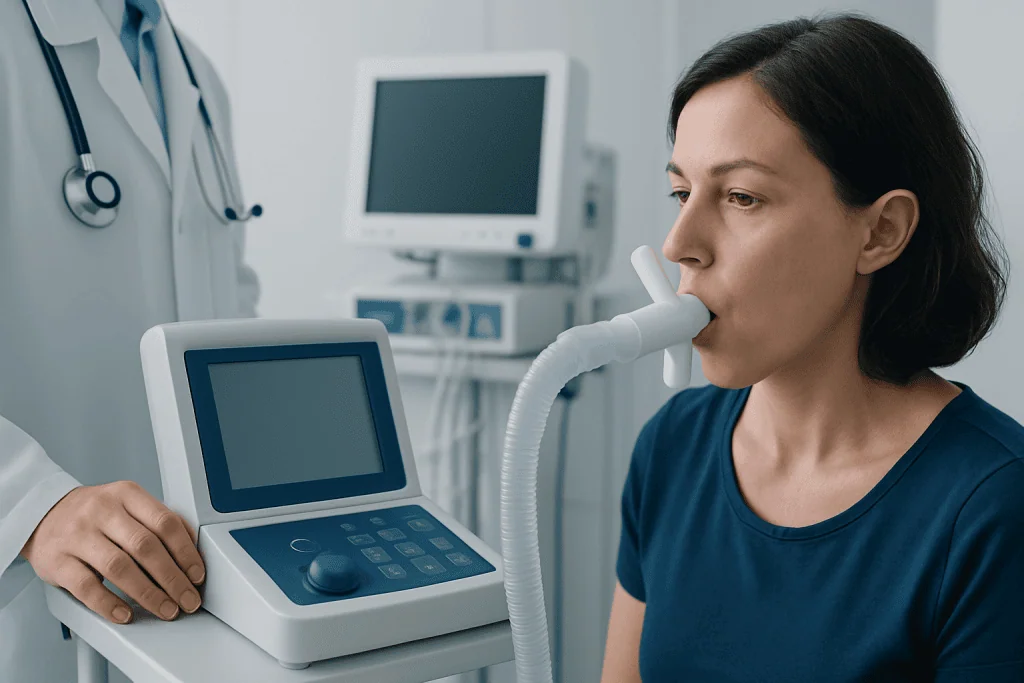
Additional tests may include sputum culture to identify bacteria or fungi, lung function testing to measure airflow, blood tests for immune function and inflammation, and tests for allergic or genetic conditions when appropriate. Some patients may need bronchoscopy if a blockage, foreign body or unusual infection is suspected. The diagnostic plan is individualized according to age, symptoms, scan findings and medical history.
Treatment Options
Treatment for bronchiectasis is usually long-term and tailored to the person’s symptoms, infection pattern and underlying cause. The foundation of care is airway clearance, which helps move mucus out of the lungs. A respiratory physiotherapist can teach techniques such as active cycle of breathing, huff coughing, postural drainage, oscillating positive expiratory pressure devices, or other methods suited to the individual.
Antibiotics are used when bacterial infections or flare-ups occur, ideally guided by sputum culture results when available. Some people with frequent exacerbations may be considered for longer-term preventive antibiotic strategies under specialist supervision. This decision depends on the type of bacteria present, infection frequency, side effects and the risk of antibiotic resistance.
Other treatments may include bronchodilator inhalers if there is wheeze, asthma or airflow obstruction; inhaled saline or other mucus-thinning approaches for selected patients; and anti-inflammatory or antifungal treatment when a specific condition such as allergic bronchopulmonary aspergillosis is present. Oxygen therapy is only needed for people with persistently low oxygen levels. Surgery is uncommon and may be considered only when disease is limited to one lung area and symptoms remain severe despite optimal medical treatment.
Prevention, Airway Clearance and Self-Care
Daily self-care can make a meaningful difference in bronchiectasis. Airway clearance is most effective when practiced regularly and adjusted during flare-ups. Many people benefit from doing techniques at a consistent time of day, increasing frequency when sputum becomes thicker, and learning how to cough effectively without exhausting themselves.
Helpful habits include drinking enough fluids unless a doctor has advised fluid restriction, staying physically active within personal limits, avoiding tobacco smoke, and reducing exposure to indoor and outdoor air pollution when possible. Regular exercise can support mucus movement, breathing efficiency and general fitness. Pulmonary rehabilitation may be recommended for people with breathlessness or reduced activity levels.
Vaccination is also important. Annual influenza vaccination, COVID-19 vaccination according to local guidance, and pneumococcal vaccination when recommended can reduce the risk of respiratory infections. Good hand hygiene, prompt attention to worsening symptoms and keeping follow-up appointments help prevent small changes from becoming more significant exacerbations.
Patients are often advised to have an action plan that explains what to do if cough, sputum, fever or breathlessness worsen. This may include when to contact the doctor, when to provide a sputum sample and when prescribed medicines should be started. Any plan should be created by a qualified healthcare professional and reviewed periodically.
When to See a Doctor
A person should seek medical evaluation for a cough with phlegm that lasts for several weeks, repeated chest infections, unexplained breathlessness, wheezing, fatigue or sputum that repeatedly changes color. Early assessment helps confirm whether bronchiectasis or another condition is present and allows treatment to begin before symptoms become more disruptive.
People already diagnosed with bronchiectasis should contact their healthcare team if they notice a clear increase in cough, sputum volume, sputum thickness, breathlessness, chest discomfort, fever or reduced ability to do usual activities. Medical advice is also important if antibiotics do not seem to help, if side effects occur, or if infections are becoming more frequent.
Urgent care is needed for significant coughing of blood, severe shortness of breath, bluish lips, confusion, severe chest pain, or a high fever with rapid worsening. Acibadem International’s multidisciplinary specialists and JCI-accredited hospitals can evaluate and treat bronchiectasis for international patients, including respiratory assessment, imaging, microbiology testing and individualized airway clearance planning.
Frequently asked questions
Is bronchiectasis the same as chronic bronchitis?
No. Both conditions can cause long-term cough and phlegm, but bronchiectasis involves permanent widening and damage of the airways seen on chest CT. Chronic bronchitis is usually defined by chronic mucus-producing cough and is often linked to smoking or chronic obstructive pulmonary disease.
Can bronchiectasis be cured?
The airway widening in bronchiectasis is usually long-term and may not be reversible. However, symptoms and flare-ups can often be reduced with airway clearance, infection treatment, vaccination and management of the underlying cause. Many people live active lives with a consistent care plan.
Why does bronchiectasis cause so much phlegm?
Damaged and widened airways have difficulty moving mucus upward and out of the lungs. When mucus stays in the airways, it can become thicker and may allow germs to grow, which increases inflammation and produces even more sputum. Airway clearance techniques help break this cycle.
Are antibiotics always needed for bronchiectasis?
Antibiotics are not always needed every day. They are commonly used during bacterial flare-ups and are sometimes used as a preventive strategy for people with frequent infections under specialist care. Sputum cultures help doctors choose the most appropriate antibiotic when possible.
Can exercise help bronchiectasis?
Yes, exercise can support breathing, fitness and mucus movement for many people with bronchiectasis. The best type and intensity depend on the person’s lung function, symptoms and overall health. A doctor or pulmonary rehabilitation team can provide safe guidance.
When is coughing blood a concern in bronchiectasis?
Even small streaks of blood should be reported to a healthcare professional, especially if they are new or recurrent. Larger amounts of blood, rapid bleeding, dizziness, chest pain or worsening breathlessness require urgent medical attention. The cause can often be assessed and treated, but prompt evaluation is important.
References
- European Respiratory Society
- British Thoracic Society
- American Thoracic Society
- World Health Organization
- National Heart, Lung, and Blood Institute
This article is for general information only and is not a substitute for professional medical advice. Please consult a qualified doctor about your individual situation.
Bronchiectasis in Turkey — costs, top hospitals & a free quote
JCI-accredited · board-certified surgeons · reply within 24h
Add us as a Preferred Source to see more of our trusted health content across Google Search, AI Overviews and Discover.