Bronchioles: What Patients Need to Know

Bronchioles are the smallest branching airways that lead to the lung air sacs. They help control airflow and are important for normal breathing and gas exchange.
Key Takeaways
- Bronchioles are the smallest branching airways that lead to the lung air sacs.
- They help control airflow and are important for normal breathing and gas exchange.
- Inflammation or narrowing of the bronchioles can occur in asthma, bronchiolitis, COPD, and other lung conditions.
- Symptoms related to bronchiole problems may include cough, wheezing, chest tightness, and shortness of breath.
- Doctors may use a medical history, physical examination, lung function tests, imaging, and oxygen checks to evaluate bronchiole-related symptoms.
- Avoiding smoke, staying up to date on vaccines, and seeking timely medical advice can help protect lung health.
Bronchioles are the tiny branches of the airways inside the lungs that move air toward the air sacs where oxygen enters the blood. When these small airways become inflamed, narrowed, or blocked, they can contribute to coughing, wheezing, breathlessness, and other breathing symptoms.
Overview: what bronchioles are and why they matter
Bronchioles are the small airways inside the lungs. After air enters through the nose or mouth and moves down the windpipe and larger bronchial tubes, it passes into these tiny branches before reaching the alveoli, the air sacs where oxygen and carbon dioxide are exchanged. In simple terms, bronchioles are the final pathways that guide air to the parts of the lung that do the most important work of breathing.
These small airways matter because even mild swelling, mucus, or tightening can make breathing feel more difficult. Unlike the larger airways, bronchioles are narrow and delicate, so small changes in their size can significantly affect airflow. This is one reason conditions such as asthma, bronchiolitis, and chronic obstructive pulmonary disease can cause noticeable symptoms.
Patients often hear more about the lungs as a whole than about the bronchioles specifically. Understanding bronchioles can help explain why some breathing problems cause wheezing, why inhaled medicines may be prescribed, and why smoking or infections can affect lung function. Looking at the small airways gives a clearer picture of how different respiratory symptoms begin.
How bronchioles work in everyday breathing
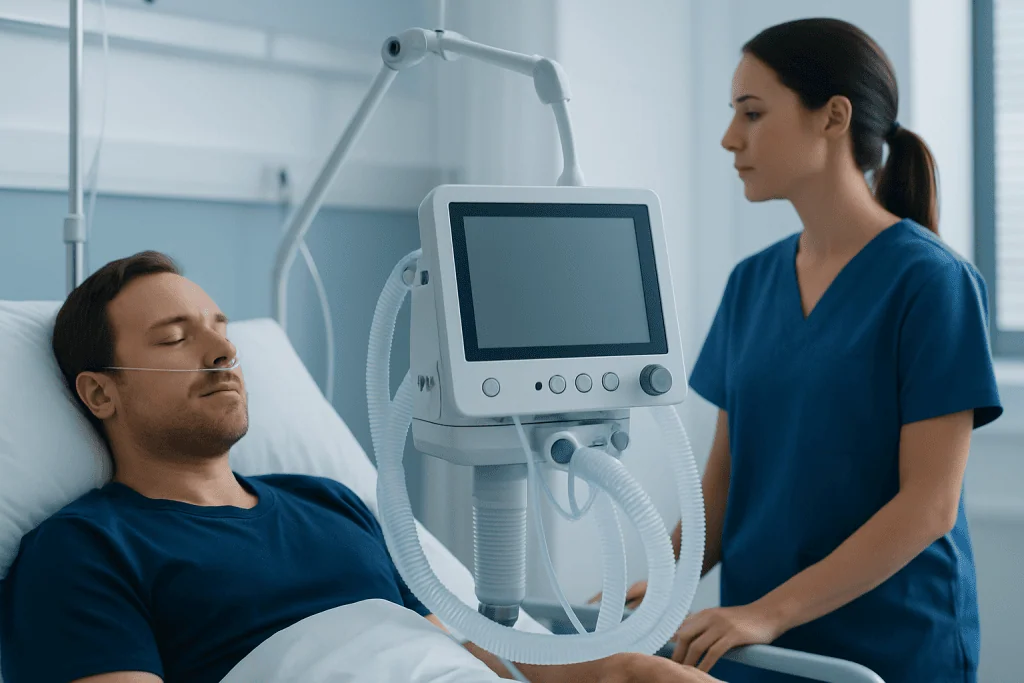
Bronchioles are part of a branching airway network. Each time a person inhales, air travels through progressively smaller passages until it reaches the terminal and respiratory bronchioles. From there, air moves into the alveoli. This close connection between bronchioles and alveoli is essential for efficient oxygen delivery to the body.
The walls of bronchioles contain smooth muscle. This muscle can tighten or relax to change the width of the airway. In a healthy lung, this helps regulate airflow. In some conditions, however, the smooth muscle tightens too much or the lining becomes inflamed, narrowing the airway and making it harder for air to move freely.
Bronchioles also help clear particles and germs. The respiratory system has protective mechanisms, including mucus and tiny hair-like structures in nearby airways, that trap and move unwanted material out of the lungs. When inflammation increases or mucus becomes thick, this clearance process becomes less effective, and symptoms such as cough or noisy breathing can develop.
What can affect the bronchioles
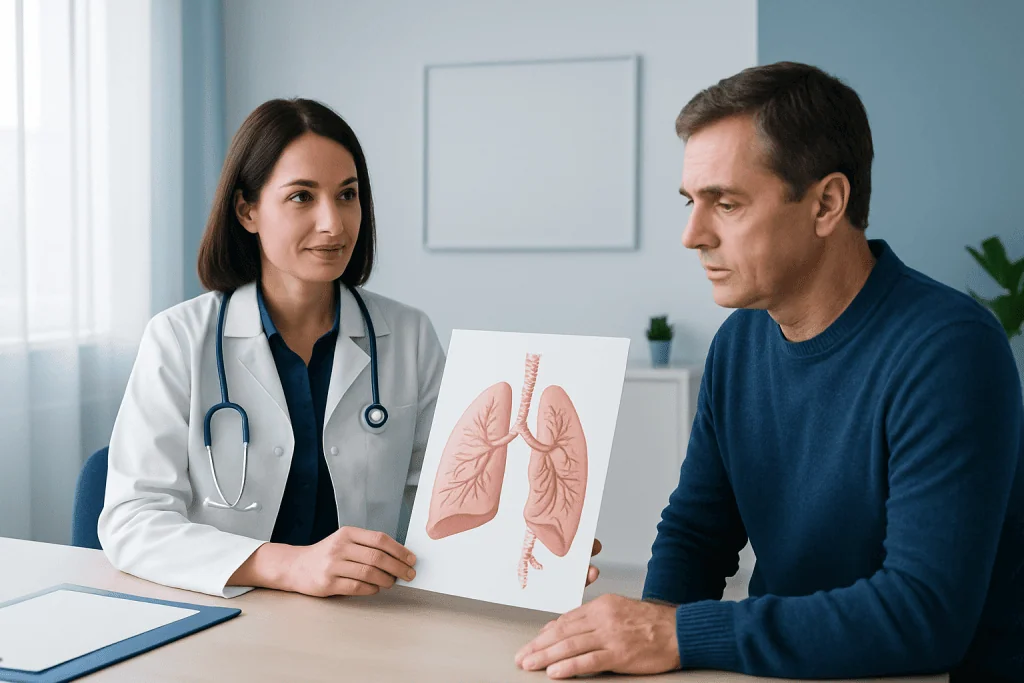
Several common respiratory conditions involve the bronchioles. In asthma, the small airways can become inflamed and overly sensitive, causing episodes of narrowing that lead to wheezing, cough, chest tightness, or breathlessness. Infections can also affect the bronchioles, especially in infants and young children, where bronchiolitis may cause rapid breathing, feeding difficulty, and wheezing.
In adults, bronchioles may be involved in chronic lung diseases such as COPD and other obstructive airway disorders. Long-term exposure to cigarette smoke, air pollution, dust, or workplace irritants may injure the lining of the small airways over time. This can contribute to inflammation, mucus buildup, and reduced airflow.
Less commonly, bronchioles may be affected by scarring or rare inflammatory conditions. Sometimes symptoms develop after a severe infection, inhalation injury, autoimmune disease, or certain medication effects. A doctor considers the full medical picture to understand whether symptoms are coming mainly from the bronchioles, the larger airways, the lung tissue itself, or another part of the respiratory system.
- Asthma and allergic airway inflammation
- Viral bronchiolitis, especially in young children
- Smoking-related airway damage
- Chronic obstructive lung disease
- Exposure to fumes, chemicals, or polluted air
Symptoms that may point to bronchiole problems
Bronchiole-related symptoms often reflect narrowed or irritated small airways. The most common include cough, wheezing, shortness of breath, chest tightness, and a feeling that air is not moving easily in or out. Some people notice symptoms mainly during exercise, during viral infections, at night, or after exposure to smoke, dust, or strong odors.
The pattern of symptoms can offer useful clues. Asthma-related bronchiole narrowing may come and go, while chronic lung disease may cause more persistent breathlessness. In infections, symptoms may begin with a cold and then progress to faster breathing, wheezing, or fatigue. Children may show signs such as poor feeding, irritability, or flaring of the nostrils.
Symptoms alone do not confirm which condition is present. Similar complaints can happen with pneumonia, allergies, heart disease, anxiety, or upper airway problems. For that reason, persistent or recurring breathing symptoms should be assessed by a qualified doctor, especially if they interfere with sleep, exercise, daily activities, or normal eating and drinking.
How doctors evaluate the bronchioles
Assessment usually begins with a medical history and physical examination. A doctor asks when symptoms started, whether they are triggered by exercise or infections, and whether there is a history of allergies, asthma, smoking, or occupational exposure. Listening to the chest may reveal wheezing or reduced airflow, but normal findings do not always rule out small-airway disease.
Lung function tests are often helpful, especially in older children and adults. Spirometry can show whether there is airflow obstruction and whether it improves after inhaled medication, which may support a diagnosis such as asthma. Depending on the situation, oxygen measurements, chest imaging, allergy evaluation, or blood tests may also be used.
In infants and very young children, diagnosis may rely more on symptoms and examination because formal breathing tests are harder to perform. Imaging or additional tests are used selectively when symptoms are severe, prolonged, or atypical. The goal is not only to identify whether the bronchioles are involved, but also to find the underlying cause and guide safe treatment.
Treatment options and supportive care
Treatment depends on the cause of the bronchiole problem. When inflammation and narrowing are related to asthma or reactive airways, doctors may recommend inhaled medicines to open the airways and reduce inflammation. Patients with ongoing symptoms may benefit from specialist evaluation and structured follow-up, including asthma treatment when appropriate.
If symptoms are related to infection, care may include rest, hydration, fever management, and monitoring of breathing. Viral bronchiolitis is commonly managed with supportive care rather than antibiotics, because antibiotics do not treat viral infections. In more severe cases, oxygen or hospital observation may be needed, especially in infants, older adults, or people with underlying lung disease.
For chronic lung conditions, treatment often includes avoiding triggers, using prescribed inhalers correctly, and following a long-term management plan. Patients with airflow limitation related to chronic obstructive pulmonary disease may need pulmonary rehabilitation, vaccinations, and regular review of symptoms. In some cases, doctors may recommend bronchoscopy or further testing if there is concern about blockage, unusual inflammation, or another diagnosis.
At centers such as Acibadem International, multidisciplinary specialists in JCI-accredited hospitals evaluate respiratory symptoms and provide treatment planning for international patients when bronchiole-related conditions need further assessment.
Protecting bronchiole health: prevention and self-care
Many everyday steps can support the health of the bronchioles. Avoiding tobacco smoke is one of the most important. This includes both smoking and regular secondhand smoke exposure. For people who work around dust, fumes, or chemicals, proper protective equipment and ventilation can reduce airway irritation.
Vaccination can also help lower the risk of respiratory infections that affect the small airways. Seasonal influenza vaccination and other recommended vaccines may be especially important for young children, older adults, and people with chronic medical conditions. Hand hygiene, avoiding close contact with sick individuals when possible, and managing allergies can also reduce flare-ups.
For people who already have an airway condition, self-care includes taking prescribed medicines as directed, learning correct inhaler technique, and recognizing early warning signs of worsening symptoms. Regular medical follow-up helps ensure treatment remains appropriate over time. Exercise, sleep, hydration, and good overall health habits can support lung function, though any exercise plan should fit the person’s medical condition.
- Do not smoke, and avoid secondhand smoke
- Limit exposure to air pollution and respiratory irritants
- Stay up to date on recommended vaccines
- Use inhalers correctly if they are prescribed
- Seek review if symptoms become more frequent or severe
When to seek medical care
Medical advice is important if cough, wheezing, or shortness of breath lasts more than a few days, keeps returning, or affects sleep, work, exercise, or daily activities. Parents should seek care for children who are breathing faster than usual, feeding poorly, seem unusually tired, or are struggling to breathe comfortably.
Urgent medical attention is needed if breathing becomes difficult, lips or face look bluish, a child has pauses in breathing, or a person cannot speak full sentences because of breathlessness. High fever, chest pain, confusion, or signs of dehydration also deserve prompt assessment. These symptoms do not always mean a serious illness, but they should not be ignored.
People with known asthma, COPD, or other lung disease should follow their action plan if one has been provided and contact a doctor if symptoms are not improving. Early evaluation can help reduce complications and support safer, more effective treatment.
Frequently asked questions
What are bronchioles?
Bronchioles are the smallest branches of the airways inside the lungs. They carry air from the larger bronchial tubes toward the alveoli, where oxygen enters the bloodstream and carbon dioxide leaves the body.
What is the difference between bronchi and bronchioles?
Bronchi are the larger air passages that branch off from the windpipe into each lung. Bronchioles are the much smaller branches that come after the bronchi and lead directly toward the air sacs. Because they are so small, bronchioles can be affected quickly by swelling or mucus.
Can bronchioles cause wheezing?
Yes. Wheezing often happens when bronchioles become narrowed by inflammation, muscle tightening, or mucus. This is common in asthma, viral bronchiolitis, and some chronic lung conditions.
Do bronchiole problems always mean asthma?
No. Asthma is one common cause of small-airway narrowing, but infections, COPD, smoke exposure, and other lung conditions can also affect the bronchioles. A doctor uses symptoms, examination, and tests to find the actual cause.
How are bronchiole conditions diagnosed?
Diagnosis usually starts with a symptom review and physical examination. Depending on age and the clinical situation, doctors may use lung function tests, oxygen checks, chest imaging, or other tests to understand whether the small airways are involved.
Can bronchiole inflammation get better?
Often, yes. Many causes of bronchiole inflammation improve with the right treatment, avoiding triggers, and time. Recovery depends on the underlying condition, how severe it is, and whether there is any chronic lung damage.
This article is for general information only and is not a substitute for professional medical advice. Please consult a qualified doctor about your individual situation.
Explore treatments in Turkey — costs, top hospitals & a free quote
JCI-accredited · board-certified surgeons · reply within 24h
Add us as a Preferred Source to see more of our trusted health content across Google Search, AI Overviews and Discover.

More from the Health Library

Rooibos Tea: A Complete Medical Overview

Soybeans — Explained by Medical Evidence, Not Myths

Mouth Roof Yellow: A Complete Medical Overview

Tenormin: What Patients Need to Know

Glass Eye — Explained by Medical Evidence, Not Myths