Bronchoalveolar Lavage: An Evidence-Based Guide for Patients
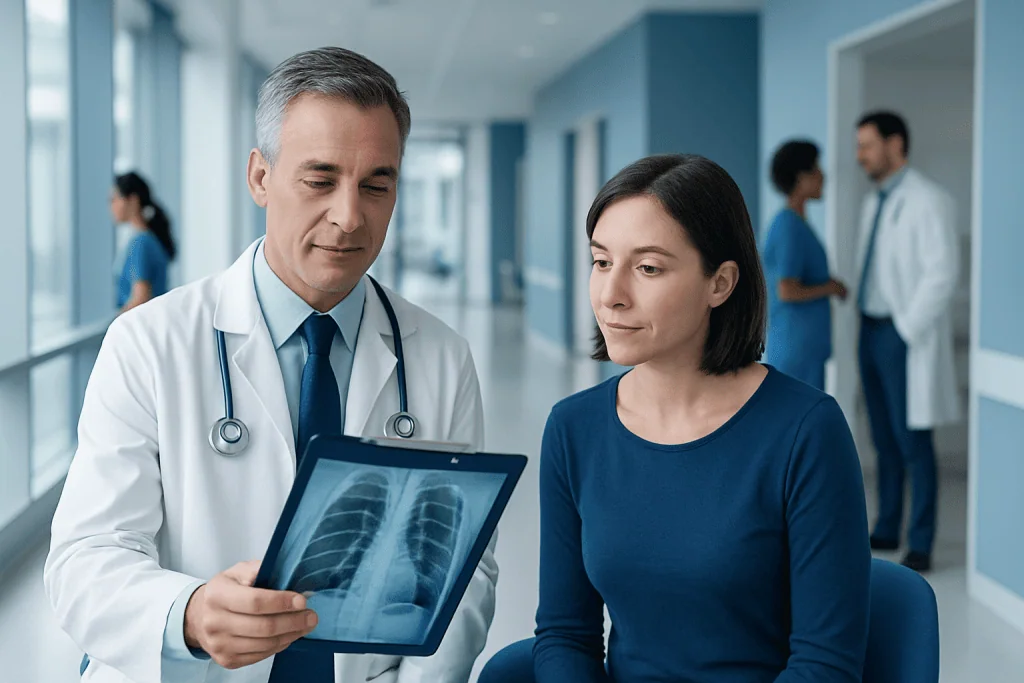
Bronchoalveolar lavage is a lung sampling test done through a bronchoscope, not a surgery. It can help identify infection, inflammatory lung disease, bleeding, and some cancer-related findings.
Key Takeaways
- Bronchoalveolar lavage is a lung sampling test done through a bronchoscope, not a surgery.
- It can help identify infection, inflammatory lung disease, bleeding, and some cancer-related findings.
- Most people tolerate the procedure well with local numbing medicine and sometimes light sedation.
- Mild sore throat, cough, or tiredness afterward are common and usually short-lived.
- Results may include cell counts, cultures, and specialized lab tests, so timing can vary.
- Patients should seek medical advice promptly after the test if they develop worsening shortness of breath, chest pain, or significant bleeding.
Bronchoalveolar lavage is a diagnostic procedure performed during bronchoscopy to collect fluid and cells from deep inside the lungs. It helps doctors investigate infections, inflammation, bleeding, and some cancers when imaging or symptoms alone do not provide a clear answer.
What bronchoalveolar lavage is and why it is done
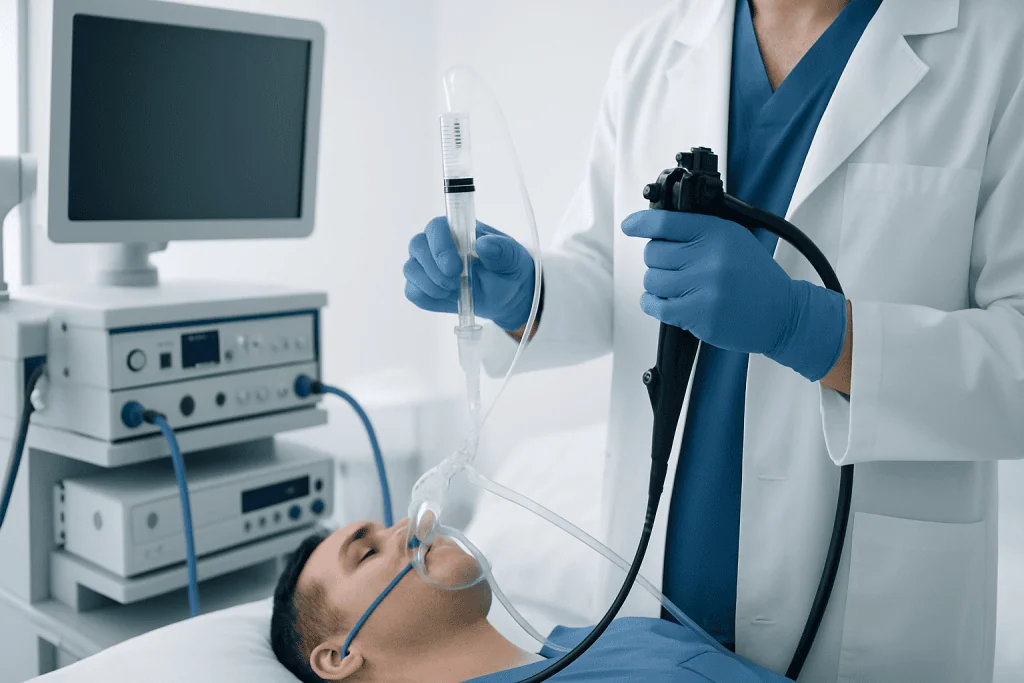
Bronchoalveolar lavage is a medical test used to examine what is happening in the small airways and air sacs of the lungs. During the procedure, a doctor passes a thin flexible camera called a bronchoscope into the airways, places it in a selected area of the lung, and gently rinses that area with sterile saline. The fluid is then suctioned back and sent to the laboratory for analysis.
In simple terms, bronchoalveolar lavage is a targeted “lung wash” that helps collect cells, germs, proteins, and other substances from deep inside the lungs. This can give more direct information than a chest X-ray or CT scan alone. It is especially useful when symptoms, scans, and routine sputum tests do not fully explain a person’s condition.
Doctors may recommend bronchoalveolar lavage to look for lung infection, inflammation, bleeding into the airways, or signs of certain cancers. It can also be used to evaluate abnormal lung shadows on imaging, ongoing cough, fever in people with weakened immunity, or suspected interstitial lung disease. In some cases, it is part of the work-up for conditions such as lung cancer or other diffuse lung disorders.
When a doctor may recommend bronchoalveolar lavage
This test is usually recommended when a sample from the lower lungs is needed to guide diagnosis or treatment. For example, a doctor may use it when there is concern for pneumonia that has not responded to treatment, a suspected fungal or unusual infection, or inflammation affecting both lungs. It can also help in people with unexplained breathlessness, persistent abnormal chest imaging, or coughing up blood.
Bronchoalveolar lavage is often considered in patients whose immune systems are weakened by illness or medication, because identifying the exact cause of a lung problem can be especially important in these situations. It may also support the diagnosis of occupational or environmental lung conditions, allergic reactions in the lungs, and some autoimmune diseases.
The procedure is commonly performed alongside bronchoscopy because the bronchoscope allows the doctor to directly view the airways and choose the most useful area to sample. Depending on the clinical question, the same session may also include additional tests such as brushings, biopsies, or ultrasound-guided assessment of nearby structures.
How the procedure is performed
Before the test, the care team reviews symptoms, medications, allergies, and medical history. Patients may be asked not to eat or drink for several hours beforehand, especially if sedation is planned. Blood-thinning medicines sometimes need special instructions, and the team may check oxygen levels, blood tests, or a recent chest scan to plan the procedure safely.
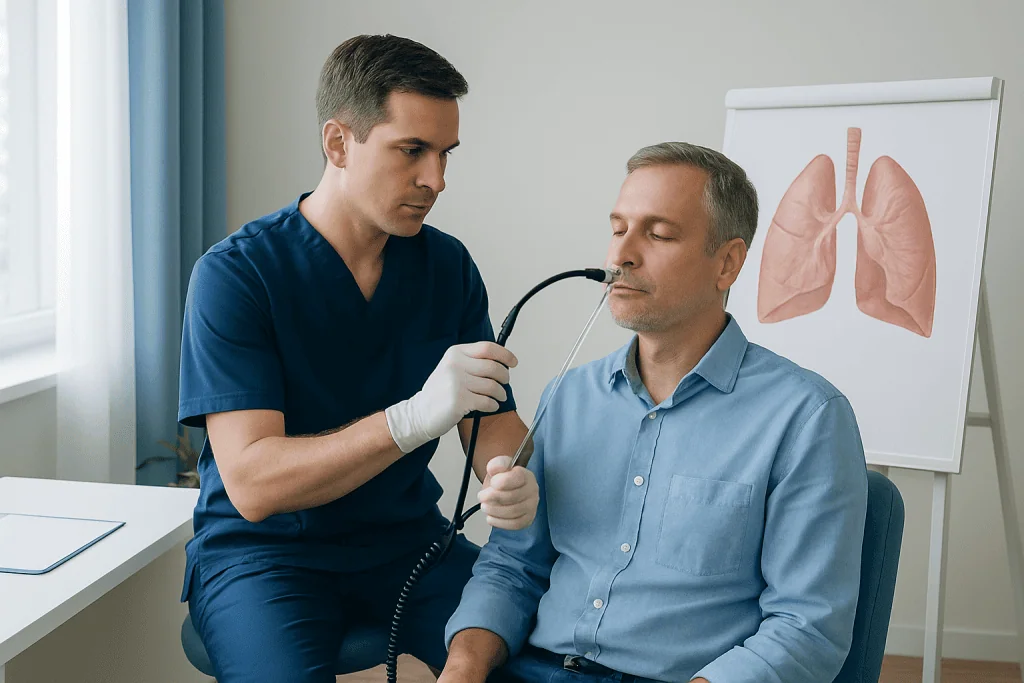
During bronchoalveolar lavage, local anesthetic is used to numb the nose, throat, or mouth, and some patients receive light sedation to help them relax. The bronchoscope is then passed through the nose or mouth into the lungs. Once it reaches the target area, the doctor instills small amounts of sterile saline and withdraws the fluid for laboratory testing. This rinse-and-collect step may be repeated several times to obtain an adequate sample.
The test itself is usually brief, but the full visit takes longer because of preparation and recovery time. Patients are monitored afterward until the numbing medicine wears off and they are ready to go home. Because sedation can affect alertness for several hours, many people are advised to arrange transportation and avoid driving, alcohol, or important decisions until fully recovered.
What the results can show
Bronchoalveolar lavage results can provide several types of information. The fluid may be examined under a microscope to look at the kinds of cells present, checked for blood, and tested for bacteria, viruses, fungi, or other organisms. In some cases, the laboratory also performs cytology to look for abnormal or cancerous cells, as well as specialized tests based on the suspected condition.
The meaning of the results depends on the person’s symptoms, scan findings, immune status, and other tests. For instance, some patterns suggest infection, while others point more toward inflammatory or immune-related disease. A finding of increased blood in the lavage fluid may support bleeding in the lungs, while certain cell profiles can help doctors narrow down causes of interstitial lung disease.
Not all results return on the same day. Preliminary findings may be available quickly, but cultures and specialized analyses can take several days or longer. Doctors usually interpret the report together with imaging such as chest X-ray or computed tomography (CT), physical examination, and other laboratory data rather than relying on bronchoalveolar lavage alone.
Benefits, limitations, and possible risks
One of the main benefits of bronchoalveolar lavage is that it samples the lower respiratory tract directly without the need for open surgery. This can improve diagnostic accuracy and help doctors choose more appropriate treatment, especially when broad symptoms such as cough, fever, or shortness of breath have many possible causes. It is also less invasive than some other lung sampling methods.
At the same time, bronchoalveolar lavage has limits. It may suggest a diagnosis rather than confirm it completely, and in some cases it cannot identify the exact cause of lung disease on its own. A normal result does not always rule out a problem, particularly if disease is patchy or located in areas that were not sampled. Some patients need additional testing such as biopsy, repeat imaging, or blood tests.
Most people have only minor temporary side effects, such as sore throat, mild cough, hoarseness, or fatigue. Small amounts of blood-tinged sputum can happen after bronchoscopy. Less common risks include low oxygen levels during the procedure, fever, infection, bronchospasm, irregular heart rhythm, or bleeding. Serious complications are uncommon, and the team monitors patients carefully to reduce risk.
Recovery and self-care after bronchoalveolar lavage
After the procedure, patients are usually observed until swallowing returns and breathing is stable. It is normal to feel sleepy if sedation was used. The throat may feel numb or scratchy for a short time, so eating and drinking are often delayed until the care team says it is safe. Soft foods and fluids may feel more comfortable at first.
Mild cough, a slight sore throat, or low-grade fatigue often improve within a day. Rest, hydration, and following the discharge instructions are usually enough. If prescribed medicines were paused before the test, patients should restart them only as advised by the doctor. The care team will also explain when to expect results and whether any follow-up appointment is needed.
Because the test is diagnostic rather than preventive, there is no specific way to “prevent” needing bronchoalveolar lavage. However, general lung self-care can reduce some respiratory risks. Avoiding smoking, limiting exposure to dust and fumes, keeping vaccinations up to date when appropriate, and seeking early evaluation for persistent respiratory symptoms can all support lung health.
When to seek medical care
Medical advice should be sought promptly if breathing symptoms are getting worse, if there is chest pain, or if coughing up blood is more than a small streak or does not settle. Fever, dizziness, severe throat pain, or trouble swallowing after the numbing medicine should also be reported. These symptoms do not always mean a serious complication, but they should be assessed by a qualified clinician.
People should also contact their doctor if they have persistent cough, unexplained shortness of breath, repeated chest infections, or abnormal lung imaging that has not yet been explained. Earlier evaluation can help determine whether tests such as bronchoalveolar lavage are appropriate and whether another condition needs attention, including inflammatory lung disease or pneumonia.
For patients who need specialist assessment, Acibadem International’s multidisciplinary teams in JCI-accredited hospitals evaluate and treat complex respiratory conditions for international patients. The best next step is an individualized medical review, since the usefulness of bronchoalveolar lavage depends on the person’s symptoms, scan findings, and overall health.
Frequently asked questions
Is bronchoalveolar lavage the same as bronchoscopy?
No. Bronchoscopy is the overall procedure that uses a thin flexible scope to look inside the airways, while bronchoalveolar lavage is one sampling technique performed during bronchoscopy. In lavage, sterile fluid is introduced into a small part of the lung and then collected for testing.
Is bronchoalveolar lavage painful?
Most patients do not describe it as painful, but it can feel unusual or uncomfortable. Local numbing medicine is used, and many people also receive light sedation to make the procedure easier to tolerate. Some coughing, throat irritation, or a feeling of pressure may occur during or shortly after the test.
How long does it take to get bronchoalveolar lavage results?
Some early information may be available within hours or by the next day, especially if the sample is examined quickly under a microscope. However, cultures for bacteria, fungi, or other organisms can take several days, and certain specialized tests may take longer. The timing depends on what the doctor is looking for.
What conditions can bronchoalveolar lavage help diagnose?
It can help investigate lung infections, inflammatory lung diseases, bleeding into the lungs, and some cancer-related findings. It is often used when imaging is abnormal but not specific enough to show the cause. Doctors interpret the results together with symptoms, scans, and other tests.
Can I eat after bronchoalveolar lavage?
Usually, patients need to wait until the numbness in the throat has worn off and swallowing is safe. The care team will tell the patient when it is okay to drink and eat. Starting with small sips of water and soft foods is often the most comfortable approach.
Are there risks after going home?
Mild sore throat, cough, or tiredness are common and often improve within a day. Patients should seek medical advice if they develop worsening shortness of breath, chest pain, fever, or significant bleeding. Following discharge instructions and having someone available after sedation can help make recovery smoother.
References
- American Thoracic Society
- European Respiratory Society
- National Heart, Lung, and Blood Institute
- Centers for Disease Control and Prevention
- Merck Manual Consumer Version
This article is for general information only and is not a substitute for professional medical advice. Please consult a qualified doctor about your individual situation.
Explore treatments in Turkey — costs, top hospitals & a free quote
JCI-accredited · board-certified surgeons · reply within 24h
Add us as a Preferred Source to see more of our trusted health content across Google Search, AI Overviews and Discover.

More from the Health Library

Bananas and Amlodipine: An Evidence-Based Guide for Patients
Neck and Nape: What Patients Need to Know
Malignant Hyperthermia — Explained by Medical Evidence, Not Myths

Ofloxacin: An Evidence-Based Guide for Patients
Silicon Dioxide — Explained by Medical Evidence, Not Myths