Bronchospasm: Symptoms, Causes, and Treatment — Complete Patient Guide

Bronchospasm happens when airway muscles tighten, making it harder for air to move in and out of the lungs. Typical symptoms include wheezing, chest tightness, coughing, and shortness of breath.
Key Takeaways
- Bronchospasm happens when airway muscles tighten, making it harder for air to move in and out of the lungs.
- Typical symptoms include wheezing, chest tightness, coughing, and shortness of breath.
- Common triggers include asthma, respiratory infections, allergens, smoke, cold air, and exercise.
- Diagnosis focuses on symptoms, triggers, lung function testing, and evaluation for related conditions such as asthma or COPD.
- Treatment may include quick-relief inhaled medicines, long-term control of airway inflammation, and avoiding known triggers.
- Urgent medical care is needed if breathing difficulty is severe, worsening, or not improving with prescribed rescue treatment.
Bronchospasm is the sudden narrowing of the airways when the muscles around the bronchial tubes tighten. It commonly causes wheezing, chest tightness, cough, and shortness of breath, and it is often linked to asthma, allergies, infections, exercise, or irritants.
Overview
Bronchospasm is a sudden tightening of the smooth muscles that surround the airways in the lungs. When these muscles contract, the airways become narrower, which limits airflow and can make breathing feel difficult or noisy. People often describe it as chest tightness, wheezing, or the feeling that they cannot get enough air.
Bronchospasm is not a disease by itself. Instead, it is a symptom or response that can happen in several conditions, especially asthma, allergies, respiratory infections, and chronic lung diseases. It may also occur after exercise, exposure to cold air, or contact with irritants such as smoke or strong fumes.
The severity can vary. Some episodes are brief and mild, while others can interfere significantly with breathing and require prompt medical attention. Because the same symptoms can occur in different conditions, proper medical assessment helps identify the cause and guide the most appropriate treatment.
How bronchospasm feels and what symptoms it can cause
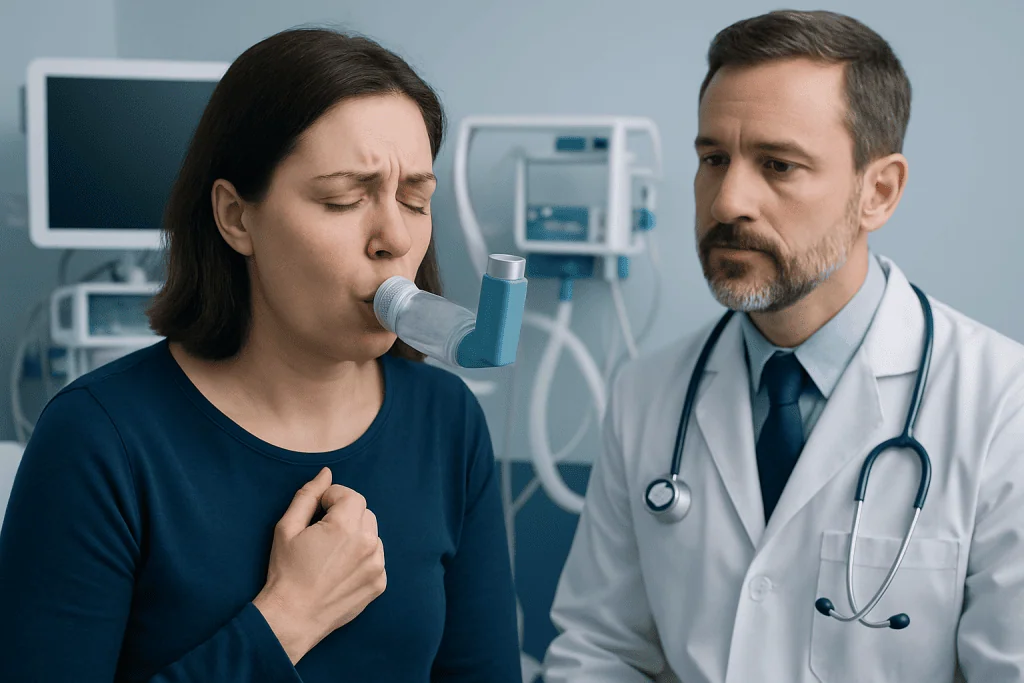
The most common symptom of bronchospasm is wheezing, a whistling sound that may be more noticeable when breathing out. Many people also develop shortness of breath, chest tightness, and coughing. The cough may be dry or may occur along with mucus if an infection or chronic airway inflammation is present.
Symptoms may begin suddenly or build gradually, depending on the trigger. For example, exercise-induced bronchospasm may start during physical activity or shortly afterward, while symptoms linked to viral infections or allergies may develop over hours to days. Some people notice symptoms mainly at night or early in the morning.
Bronchospasm can range from mild discomfort to a more serious breathing problem. Warning signs of a more severe episode include difficulty speaking full sentences, rapid breathing, visible effort to breathe, bluish lips or fingertips, or worsening symptoms despite using prescribed rescue medicine. These signs need urgent medical attention.
- Wheezing or noisy breathing
- Shortness of breath
- Chest tightness or pressure
- Cough, sometimes worse at night or with exercise
- Feeling tired or anxious during breathing difficulty
Common causes and risk factors

Bronchospasm most often occurs when the airways are unusually sensitive or inflamed. Asthma is one of the most common underlying causes. In asthma, the airways are prone to inflammation and tightening, so exposure to triggers can quickly lead to wheezing and breathlessness. Bronchospasm can also happen in COPD, where narrowed and inflamed airways make airflow more limited.
Respiratory infections are another frequent cause. Viral illnesses such as colds, flu, or bronchitis can irritate the airways and provoke spasms, especially in children, older adults, and people with chronic lung disease. Allergens such as pollen, dust mites, animal dander, and mold can trigger bronchospasm in people with allergic airway disease. Environmental irritants including tobacco smoke, air pollution, perfumes, cleaning chemicals, and workplace fumes may also provoke symptoms.
Some episodes are linked to exercise, especially in cold or dry air. This is often called exercise-induced bronchospasm and may happen even in people who do not have diagnosed asthma. Less commonly, certain medications, anesthesia-related airway irritation, acid reflux, or inhaled allergens in occupational settings may contribute. A personal or family history of allergies, asthma, eczema, smoking, or frequent respiratory infections can increase risk.
How doctors diagnose bronchospasm
Doctors diagnose bronchospasm by combining a careful history, physical examination, and, when appropriate, breathing tests. They usually ask when symptoms occur, what triggers them, whether symptoms happen with exercise or infections, and whether there is any history of asthma, allergies, smoking, or chronic lung disease. Listening to the lungs may reveal wheezing, though wheezing is not always present between episodes.
Lung function tests are often helpful. Spirometry can measure how much air a person can exhale and how quickly, helping identify airflow limitation and whether it improves after inhaled bronchodilator medicine. If exercise is suspected as a trigger, doctors may recommend exercise challenge testing or a monitored assessment before and after exertion. In some cases, peak flow monitoring at home can help track changes over time.
Additional tests depend on the situation. A chest X-ray may be used if infection, pneumonia, or another lung problem is suspected. Allergy testing may be helpful when symptoms appear related to specific exposures. Blood oxygen measurement may be used during more significant episodes. The goal is not only to confirm bronchospasm, but also to identify the underlying cause so treatment can address more than the immediate symptoms.
Treatment options and how they work
Treatment for bronchospasm depends on how severe the episode is and what is causing it. In many cases, quick-relief inhaled bronchodilator medicines are used to relax the airway muscles and open the breathing passages. These are often prescribed for sudden symptoms and may provide relief within minutes. When symptoms are frequent or linked to chronic airway inflammation, longer-term treatment may also be needed.
For people with asthma or ongoing airway inflammation, doctors may recommend preventive treatment to reduce swelling and sensitivity in the airways. This can include inhaled anti-inflammatory medicines and a personalized plan for recognizing and managing flare-ups. When clinically appropriate, care may involve asthma treatment or structured allergy treatment if allergic triggers are an important part of the problem.
If an infection is contributing, treatment focuses on the infection as well as symptom relief. If exercise triggers symptoms, a clinician may recommend a warm-up routine, trigger avoidance, and using prescribed inhaled medicine before activity. Oxygen, nebulized medicines, or hospital-based care may be needed for severe episodes. If an underlying chronic condition such as COPD treatment is relevant, long-term management can reduce future attacks and improve overall breathing control.
Prevention and self-care
Preventing bronchospasm often starts with understanding personal triggers. Keeping track of when symptoms happen can help identify patterns related to exercise, infections, allergens, weather, smoke, or workplace exposures. Once triggers are known, reducing contact with them can make a meaningful difference. For example, avoiding tobacco smoke, improving indoor air quality, and limiting exposure to strong odors or chemical fumes may help reduce episodes.
Following the treatment plan exactly as prescribed is also important. People who have rescue inhalers should know when and how to use them correctly. Those with asthma or another chronic airway condition may benefit from regular checkups to review symptoms, inhaler technique, and whether current treatment still fits their needs. Good inhaler technique matters because medicine works best when it reaches the airways effectively.
General health habits support the lungs as well. Staying physically active within medical advice, warming up before exercise, managing allergies, staying up to date with recommended vaccines, and seeking early care for respiratory infections may all help. If symptoms are persistent, recurring, or difficult to explain, a respiratory specialist may be advised. Acibadem International’s multidisciplinary specialists in JCI-accredited hospitals also diagnose and treat bronchospasm and related lung conditions for international patients.
When to seek medical care
Medical evaluation is important if bronchospasm happens for the first time, keeps coming back, or begins to interfere with sleep, exercise, work, or daily activities. Recurrent wheezing or shortness of breath can be a sign of asthma, COPD, allergy-related airway disease, or another condition that benefits from diagnosis and ongoing management. Early assessment can help prevent more serious flare-ups and improve quality of life.
Urgent care is needed if breathing is becoming rapidly worse, lips or fingertips look blue, the person is struggling to speak, or prescribed rescue medicine is not helping as expected. Severe chest tightness, confusion, drowsiness, or signs of low oxygen should be treated as emergencies. Children, older adults, and people with heart or lung disease may need prompt evaluation sooner because breathing problems can worsen more quickly in these groups.
Even when symptoms improve, a follow-up visit can be useful to review what may have triggered the episode and whether a long-term plan is needed. A clinician may check inhaler technique, evaluate for allergies or chronic airway disease, and discuss prevention steps tailored to the person’s lifestyle and health history.
Frequently asked questions
Is bronchospasm the same as asthma?
No. Bronchospasm is a narrowing of the airways caused by tightening of the airway muscles, while asthma is a chronic condition that often includes bronchospasm, inflammation, and airway sensitivity. Many people with bronchospasm have asthma, but bronchospasm can also happen with infections, allergies, exercise, or other lung conditions.
How long does bronchospasm last?
The duration can vary from minutes to hours, depending on the trigger, severity, and treatment. Mild episodes may improve quickly with rest or prescribed inhaled medicine, while symptoms linked to ongoing inflammation or infection may last longer. A doctor should evaluate repeated or prolonged symptoms.
Can exercise cause bronchospasm?
Yes. Exercise can trigger bronchospasm, especially in cold or dry air, and this is often called exercise-induced bronchospasm. It may happen in people with or without asthma, and a medical assessment can help confirm the diagnosis and guide prevention strategies.
What is the difference between bronchospasm and a panic attack?
Both can cause shortness of breath and chest discomfort, but bronchospasm usually involves airway narrowing and may cause wheezing or coughing. A panic attack may cause rapid breathing, chest tightness, and fear, but it does not usually produce wheezing from narrowed airways. Because symptoms can overlap, proper medical evaluation is important.
Can bronchospasm happen without wheezing?
Yes. Some people feel chest tightness, cough, or shortness of breath without obvious wheezing, especially early in an episode or between attacks. Doctors consider the full pattern of symptoms, triggers, and lung function tests when making a diagnosis.
When is bronchospasm an emergency?
It is an emergency when breathing difficulty is severe, quickly worsening, or not improving with prescribed rescue treatment. Warning signs include trouble speaking, blue lips, extreme chest tightness, confusion, or exhaustion from breathing. In these situations, urgent medical care should be sought immediately.
References
- World Health Organization
- National Heart, Lung, and Blood Institute
- American Lung Association
- Global Initiative for Asthma
- Centers for Disease Control and Prevention
This article is for general information only and is not a substitute for professional medical advice. Please consult a qualified doctor about your individual situation.
Explore treatments in Turkey — costs, top hospitals & a free quote
JCI-accredited · board-certified surgeons · reply within 24h
Add us as a Preferred Source to see more of our trusted health content across Google Search, AI Overviews and Discover.