Bun Surgery: Procedure, Recovery and Results

Bunion surgery aims to realign the big toe and reduce pain; it is not performed only to improve appearance. More than one operation may be suitable, from soft-tissue correction to bone cuts, fusion or joint procedures.
Key Takeaways
- Bunion surgery aims to realign the big toe and reduce pain; it is not performed only to improve appearance.
- More than one operation may be suitable, from soft-tissue correction to bone cuts, fusion or joint procedures.
- The first days and weeks require elevation, wound care and protected weight-bearing according to the surgeon’s instructions.
- Recovery is gradual, and swelling may continue for several months even after walking improves.
- Potential downsides include pain, stiffness, numbness, delayed healing, recurrence and the need for further surgery in some cases.
- A foot and ankle specialist can help determine whether surgery is appropriate after non-surgical treatment has been tried.
Bun surgery, more commonly called bunion surgery, is used to correct a painful bony bump and misalignment at the base of the big toe. The right procedure and recovery plan depend on the bunion’s severity, joint condition, overall health and daily activity needs.
Overview: what bun surgery can help with
Bun surgery is a commonly used informal term for bunion surgery. A bunion, medically called hallux valgus, is a bony prominence at the base of the big toe that develops as the first metatarsal bone shifts outward and the big toe angles toward the other toes. Surgery can reduce pain, improve toe alignment and make footwear and walking more comfortable when symptoms continue despite conservative care.
The operation is usually considered for pain and reduced function rather than for cosmetic reasons alone. A surgeon selects the procedure according to the deformity, joint damage, foot shape, flexibility of the toe and the person’s health and activity goals. People considering an operation can learn more about the underlying condition through hallux valgus.
Non-surgical measures are often tried first. These may include wider shoes, protective pads, activity adjustments, orthotic devices, exercises, ice for short-term symptom relief and appropriate pain medicines when recommended by a clinician. These approaches may ease symptoms but do not reverse the bone alignment.
Who may be a candidate for bunion surgery?
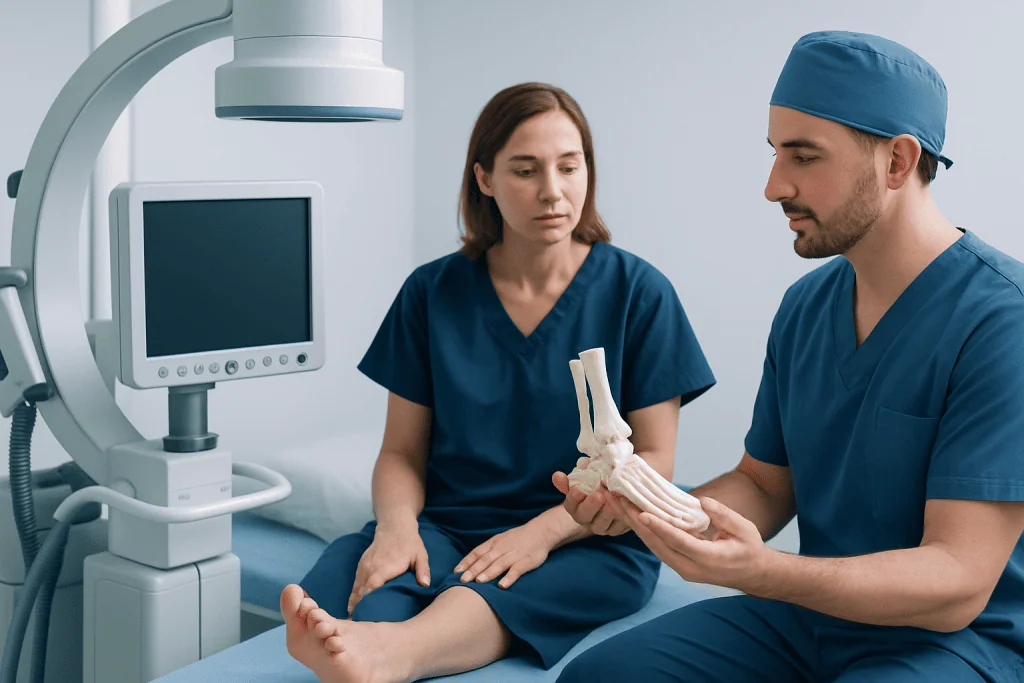
A person may be a candidate when bunion pain limits walking, work, exercise or daily activities and does not improve adequately with well-fitted footwear and other non-surgical measures. Repeated pressure sores, difficulty finding comfortable shoes, progressive deformity, crossover of the toes or arthritis-related joint pain may also be reasons for specialist assessment.
Suitability is individual. The surgeon will consider circulation, nerve function, skin condition, bone quality, diabetes, smoking status, inflammatory arthritis, medications and the ability to follow aftercare instructions. Smoking and poorly controlled diabetes, for example, can increase the risk of wound and bone-healing problems.
An operation may need to be postponed or reconsidered when there is an active foot infection, severely impaired circulation or a medical condition that makes anesthesia unsafe. Realistic expectations matter: surgery can improve symptoms and alignment, but the foot may not look exactly as it did before the bunion developed, and some residual stiffness or swelling can occur.
How bunion surgery works: planning and procedure steps

Before surgery, a foot and ankle surgeon reviews symptoms, examines the foot while standing and walking, and usually takes weight-bearing X-rays. These images show the degree of bone displacement, the position of the joint and whether arthritis or other deformities are present. In selected situations, further imaging or medical assessment may be needed.
Most procedures are performed as day surgery under regional anesthesia, general anesthesia, sedation, or a combination chosen with the anesthesia team. A small incision is made around the big-toe joint. The surgeon may release or tighten soft tissues, remove part of the bony prominence, and cut and reposition one or more bones. This bone-cutting procedure is called an osteotomy and is typically stabilized with screws or small plates.
For severe deformity, instability or arthritis, a surgeon may instead recommend fusion of a joint, especially the first tarsometatarsal joint or the big-toe joint. In some cases, minimally invasive techniques can be appropriate; these use smaller incisions but still require careful bone correction and fixation. The best technique is the one that reliably addresses the individual foot structure, not necessarily the one with the smallest incision.
At the end of surgery, the foot is dressed and placed in a protective shoe, boot or cast. The patient receives instructions about weight-bearing, keeping the dressing dry, medicines, follow-up visits and warning signs. Bunion surgery treatment planning should include a clear discussion of the proposed technique and recovery requirements.
Bunion surgery recovery timeline and self-care
Recovery varies with the type of operation and whether bones were cut or fused. During the first one to two weeks, the priorities are protecting the incision, controlling swelling and avoiding pressure on the surgical area. The foot is commonly kept elevated above heart level when resting, particularly during the first several days. A surgical shoe, boot, crutches or a knee scooter may be used as advised.
Some people are allowed to place weight through the heel in a special shoe soon after surgery, while others need to avoid weight-bearing for several weeks. It is important not to advance activity simply because pain is improving. The repaired bone and soft tissues need time to heal, and early overloading can affect alignment or fixation.
Follow-up appointments usually include wound checks, removal of stitches when appropriate and X-rays to monitor bone healing. Many people transition gradually to a roomy supportive shoe over several weeks, but returning to regular footwear, driving, work duties and exercise depends on the operated foot, job demands and clinician guidance. Swelling can remain noticeable for three to six months and occasionally longer.
Helpful self-care includes taking prescribed or recommended pain relief safely, avoiding tobacco, eating a balanced diet, attending follow-up visits and doing only the range-of-motion or rehabilitation exercises advised by the care team. Do not soak the incision, remove dressings early or resume high-impact exercise without approval.
What days are the worst after bunion surgery?
For many people, discomfort and swelling are most noticeable during the first two to three days after bunion surgery, once the effects of anesthesia or a nerve block begin to wear off. The first week can also be challenging because the foot needs frequent elevation and mobility is limited. Pain experiences vary, and prescribed aftercare can make this period more manageable.
Swelling often increases when the foot is kept down for too long, including during sitting, standing or walking. Elevation, rest and use of the protective device as instructed can help. It is normal for swelling to fluctuate for weeks, especially toward the end of the day, even after the initial surgical pain has improved.
Severe or worsening pain that does not respond to the agreed care plan, marked tightness in the dressing, new numbness, blue or pale toes, fever or drainage should be reported promptly to the surgical team. These symptoms need assessment rather than self-treatment.
Benefits, risks and realistic results
The main potential benefits of bunion surgery are less pain from the prominent joint, improved big-toe alignment, easier shoe fitting and better ability to walk or take part in daily activities. Results depend on accurate procedure selection, healing, rehabilitation, footwear choices and the presence of conditions such as arthritis or diabetes.
As with any operation, there are risks. These include infection, bleeding, blood clots, nerve irritation or numbness, delayed wound healing, persistent swelling, stiffness, painful scar tissue, failure of bone healing, changes in alignment, recurrence of the bunion and pain under the smaller toes. Hardware can occasionally become irritating or require removal after healing.
It is also possible to have ongoing discomfort despite technically successful alignment correction. A careful pre-operative discussion should cover the expected improvement, limitations, alternatives and the specific risks associated with the planned procedure. Surgery is generally most rewarding when the goal is symptom relief and function rather than a perfect cosmetic result.
What percentage of bunion surgeries are successful? Success cannot be represented by one reliable percentage because studies define success differently and include different procedures, bunion severities and follow-up periods. In general, modern bunion operations provide good pain relief and patient satisfaction for many appropriately selected patients, but no procedure can guarantee a particular result. A surgeon can explain expected outcomes for the specific operation being considered.
What is the downside of bunion surgery? The principal drawbacks are the recovery time, temporary limits on mobility, persistent swelling during healing and the possibility of complications or incomplete symptom relief. Some people also experience stiffness, altered sensation, recurrence or difficulty returning to certain shoe styles. These considerations should be balanced against the extent to which the bunion affects daily life.
Is bunion surgery considered a major surgery? Bunion surgery is often an outpatient procedure, but it is still a significant orthopedic operation because it may involve cutting, repositioning or fusing bone and requires a structured healing period. Its complexity ranges from relatively limited soft-tissue or bone correction to more extensive reconstruction. The surgeon can explain how major the planned operation is in the context of the individual foot.
When to seek medical care
A medical assessment is appropriate when a bump at the big-toe joint is painful, getting larger, causing corns or skin irritation, changing the way a person walks or making shoes difficult to wear. Early evaluation does not automatically mean surgery; it can help identify practical ways to reduce pressure and monitor progression.
Urgent medical advice is important for redness spreading around the foot, warmth with fever, an open sore, sudden severe pain, a cold or discolored toe, or new numbness. People with diabetes, reduced circulation or peripheral neuropathy should seek timely foot assessment for any blister, wound, skin color change or infection concern.
After surgery, patients should contact their care team about increasing redness, foul-smelling or persistent drainage, fever, calf pain or swelling, chest pain, shortness of breath, uncontrolled pain, or a dressing that feels excessively tight. These symptoms can have different causes and should be assessed promptly.
Acibadem International’s multidisciplinary specialists and JCI-accredited hospitals provide assessment and treatment for foot conditions for international patients, with care plans guided by the individual’s diagnosis and recovery needs.
Frequently asked questions
How long does it take to walk normally after bunion surgery?
The timing varies by procedure and the surgeon’s weight-bearing instructions. Some people begin protected walking soon after surgery, while others need several weeks without weight on the foot. A more natural walking pattern and comfortable regular shoes may take weeks to months as swelling settles and the bone heals.
Will a bunion come back after surgery?
A bunion can recur, although careful correction and appropriate aftercare reduce this risk. Recurrence may relate to the original foot shape, joint laxity, incomplete correction, footwear pressures or progression of the underlying condition. Follow-up care and suitable footwear are important after healing.
Do screws stay in after bunion surgery?
Screws, plates or other fixation devices are often left in place permanently after the bone has healed. They are usually not noticeable, but they may be removed if they cause persistent irritation or another problem. The need for removal is assessed individually by the surgeon.
Can both feet have bunion surgery at the same time?
Surgery on both feet at the same time is possible in selected circumstances, but it can make mobility, self-care and recovery more difficult. Many surgeons recommend treating one foot at a time so the other foot can help with walking. The safest approach depends on the procedure, home support and overall health.
When can someone drive after bunion surgery?
Driving should not resume until the person can safely control the vehicle, is no longer impaired by sedating pain medicine and has been cleared by the surgical team. Surgery on the right foot commonly delays driving longer because braking requires reliable strength and reaction time. Insurance and local driving rules may also apply.
What shoes are best after bunion surgery?
Immediately after surgery, the surgeon typically provides or recommends a protective surgical shoe, boot or cast. Later, a wide toe box, stable sole and adjustable fastening can reduce pressure while swelling improves. High-heeled, narrow or pointed shoes are usually avoided until the foot has fully recovered and the clinician says they are appropriate.
References
- American Academy of Orthopaedic Surgeons
- American Orthopaedic Foot & Ankle Society
- National Institute for Health and Care Excellence
- Mayo Clinic
This article is for general information only and is not a substitute for professional medical advice. Please consult a qualified doctor about your individual situation.
Joint and spine care in Turkey — expert assessment & treatment
JCI-accredited · board-certified surgeons · reply within 24h
Add us as a Preferred Source to see more of our trusted health content across Google Search, AI Overviews and Discover.

More from the Health Library



Related Specialists

Yağız Meteoğlu
Physical Medicine & Rehabilitation
Dr. Mehmet Can Şahin
Inpatient Clinic Physicians Clinical Service
Dr. Birgül Karakoç
Gynecology & Obstetrics
Prof. Dr. Ömer Öge
Urology