Burnt Toast Theory: A Complete Medical Overview

Burnt toast theory is a cultural or social media concept, not a medical diagnosis. Some people find it comforting because it supports meaning-making after everyday setbacks.
Key Takeaways
- Burnt toast theory is a cultural or social media concept, not a medical diagnosis.
- Some people find it comforting because it supports meaning-making after everyday setbacks.
- It may be harmless for many, but it should not replace medical advice, mental health care, or safety planning.
- If the idea becomes tied to persistent anxiety, compulsive thinking, or avoidance, professional support may help.
- A balanced approach is to use the concept for perspective while staying grounded in evidence and practical decisions.
Burnt toast theory is the idea that a small inconvenience, such as burning breakfast and leaving late, may prevent a worse outcome later. Medically, it is not a formal theory, diagnosis, or treatment, but it can overlap with common ways people make sense of stress, uncertainty, and disappointment.
Overview: what burnt toast theory means
Burnt toast theory is the belief that a minor inconvenience may happen for a reason, because it could indirectly protect a person from a worse event later. A typical example is burning toast, leaving home a few minutes late, and then wondering whether that delay helped avoid a traffic accident. The phrase has gained attention online as a way to explain frustrating moments in a calmer, more hopeful way.
From a medical perspective, burnt toast theory is not a recognized scientific theory, psychiatric condition, or treatment model. It does not appear in standard diagnostic manuals, and it is not used by clinicians as a formal framework for diagnosis. Instead, it is better understood as a form of meaning-making: a common human tendency to look for patterns, causes, and possible benefits when something unexpected happens.
This does not mean the idea is necessarily harmful. For many people, it may offer emotional relief during stressful moments and help reduce frustration about events they cannot control. At the same time, it is important to keep the concept in perspective. It should not be used to dismiss serious symptoms, delay an evaluation, or ignore emotional difficulties that may need professional care.
Why people are drawn to it

Humans naturally try to make sense of uncertainty. When plans change, appointments run late, or travel is disrupted, the mind often searches for a narrative that feels understandable and reassuring. Burnt toast theory can appeal because it turns an annoying event into a potentially meaningful one, which may soften disappointment and restore a sense of calm.
Psychology offers several ways to understand this response. One is cognitive reframing, which means looking at the same event from a less distressing angle. Another is the need for perceived control. Even when a person cannot control what happened, imagining that a setback may have served a protective purpose can feel emotionally stabilizing. This is especially common during stressful periods, grief, major life changes, or uncertainty about the future.
There is also a broader social context. Online content often rewards brief, memorable ideas that help people put emotions into words. Burnt toast theory fits this pattern well because it is simple, relatable, and easy to apply to daily life. Still, a useful coping idea on social media is not the same as medical guidance, and it is healthiest when combined with realistic thinking and sound self-care habits.
A medical and psychological perspective

Clinically, burnt toast theory is best viewed as a coping narrative rather than a health condition. Some people use it in a healthy way, similar to telling themselves, “This is disappointing, but perhaps it will lead somewhere better.” This kind of self-talk can reduce immediate stress and may support resilience when it does not become rigid or extreme.
However, healthcare professionals also consider whether a person is relying on the idea in a way that increases distress. For example, if someone feels compelled to interpret every event as a sign, repeatedly reviews ordinary situations for hidden meaning, or becomes more fearful and avoidant, the pattern may overlap with anxiety, excessive worry, or obsessive thinking. In those cases, the issue is not the phrase itself, but how strongly it shapes emotions and behavior.
It can help to distinguish burnt toast theory from mental health conditions. It is not the same as depression, panic disorder, or obsessive-compulsive disorder, although people living with those conditions may be more likely to seek certainty or reassurance through narratives about everyday events. If stress, low mood, or intrusive thoughts are persistent, an evaluation for concerns such as anxiety disorders may be more useful than focusing on the theory itself.
Potential benefits and limitations
In moderation, burnt toast theory may have some emotional benefits. It can encourage patience, reduce irritation, and help a person step back from a moment that feels unfair. For people who tend to be self-critical, it may also reduce the urge to blame themselves for every disruption. Used lightly, it can function as a reminder that not every inconvenience deserves intense emotional energy.
Its limits are equally important. There is no reliable way to prove that one small delay prevented a later problem, and assuming hidden reasons for events can lead to overinterpretation. This may become unhelpful if it stops someone from learning practical lessons, such as leaving earlier next time, improving sleep, or seeking help for chronic stress. It can also become a problem if it encourages passivity instead of active coping.
Another limitation is that the concept does not address the root cause of ongoing emotional symptoms. If someone is struggling with sleeplessness, panic, repeated worry, sadness, or trouble functioning, reassurance phrases alone are usually not enough. In such cases, evidence-based support, including lifestyle changes, counseling, or formal psychotherapy, may be more effective and more appropriate.
When it may signal a deeper concern
On its own, burnt toast theory does not indicate illness. The main question is whether a person is using the idea occasionally for perspective, or whether it has become part of a broader pattern of distress. Certain signs suggest that the underlying issue may be anxiety, stress overload, or another mental health concern rather than a harmless coping phrase.
Examples include constant rumination about everyday events, persistent fear that something bad will happen without warning, strong guilt over minor mistakes, or difficulty making routine decisions without searching for signs and hidden meanings. Some people may also begin avoiding travel, work, social plans, or responsibilities because they feel overly focused on possible negative outcomes.
- Frequent anxiety that interferes with work, school, or relationships
- Sleep problems linked to worry or mental overactivity
- Panic symptoms such as racing heart, dizziness, or shortness of breath during stress
- Intrusive thoughts or repetitive checking behaviors
- Low mood, loss of interest, or emotional exhaustion lasting more than two weeks
If these patterns are present, a clinician may recommend a mental health assessment. Depending on the symptoms, supportive options can include stress management strategies, psychiatric evaluation, counseling, or structured treatment for conditions such as depression.
Healthy ways to use the idea without relying on it
A balanced approach is to treat burnt toast theory as a gentle perspective tool, not as proof that events are preplanned or medically meaningful. A person might say, “This delay is frustrating, but I can still respond calmly and make the best next choice.” That keeps the focus on coping in the present rather than trying to decode every event.
Simple self-care strategies often work better than repeated analysis. Regular sleep, movement, hydration, social connection, and limiting overstimulating media can lower everyday stress and improve emotional flexibility. Mindfulness can also help by shifting attention from “Why did this happen?” to “What do I need right now?” For some people, structured meditation or breathing exercises may make this easier.
It is also helpful to stay grounded in practical decision-making. If a person misses a meeting because they overslept, the healthiest response may be to apologize, reschedule, and improve their routine, rather than search for a hidden reason. Meaning-making and responsibility can exist together. When used that way, the idea can be emotionally soothing without interfering with daily life or healthcare decisions.
When to seek medical care
Medical care may be appropriate if thoughts related to burnt toast theory come with significant anxiety, panic, insomnia, low mood, or functional impairment. A doctor or mental health professional can help determine whether symptoms are part of normal stress, a temporary adjustment reaction, or a condition that would benefit from treatment. Seeking support does not mean a person is overreacting; it is a practical step when distress becomes hard to manage alone.
Urgent help is important if there are thoughts of self-harm, hopelessness, inability to care for basic needs, severe panic, confusion, or sudden behavioral changes. New physical symptoms such as chest pain, fainting, severe shortness of breath, or neurological symptoms should also be assessed promptly rather than attributed to stress or fate. Everyday narratives should never delay emergency evaluation.
Care often begins with a primary care doctor, psychologist, or psychiatrist, depending on the main symptoms. Near the end of the care pathway, if coordinated specialist support is needed, Acibadem International’s multidisciplinary specialists and JCI-accredited hospitals diagnose and treat mental and physical health conditions for international patients. The most appropriate next step is always an evaluation based on a person’s actual symptoms, concerns, and medical history.
Frequently asked questions
Is burnt toast theory real?
Burnt toast theory is a real phrase used in popular culture, but it is not a medical or scientific theory. It describes a way of thinking about small setbacks, not a formal diagnosis or proven rule about cause and effect.
Is burnt toast theory related to anxiety?
It can be. Some people use the idea in a light, reassuring way, but others may turn to it more often when they feel anxious or uncertain. If worry, overthinking, or avoidance becomes persistent, an anxiety assessment may be helpful.
Can burnt toast theory be helpful for mental health?
For some people, it can provide temporary comfort and help reframe disappointment. It is most helpful when used gently and realistically, alongside healthy coping skills. It should not replace professional care for ongoing mental health symptoms.
Does believing in burnt toast theory mean someone has a mental illness?
No. Many people use comforting ideas or personal beliefs to handle stress, and that alone does not indicate a disorder. Concern usually depends on whether the belief causes distress, compulsive thinking, or problems in daily functioning.
How can someone stay grounded if they overthink signs and meanings?
Grounding strategies can include deep breathing, journaling, limiting repetitive checking, and focusing on practical next steps. Regular sleep, exercise, and speaking with a trusted professional can also reduce the urge to search for hidden meanings in ordinary events.
When should someone talk to a doctor about this?
A doctor or mental health professional should be consulted if the idea is tied to persistent anxiety, panic, insomnia, low mood, or trouble functioning at work, school, or home. Immediate help is important if there are thoughts of self-harm or severe physical symptoms such as chest pain or fainting.
This article is for general information only and is not a substitute for professional medical advice. Please consult a qualified doctor about your individual situation.
Explore treatments in Turkey — costs, top hospitals & a free quote
JCI-accredited · board-certified surgeons · reply within 24h
Add us as a Preferred Source to see more of our trusted health content across Google Search, AI Overviews and Discover.

More from the Health Library

Electrolyte Imbalances: A Complete Medical Overview

Spermicidal Lubricant: What Patients Need to Know

Fecal Incontinence — Explained by Medical Evidence, Not Myths

Country Ribs: An Evidence-Based Guide for Patients

Serous: What Patients Need to Know

Pilonidal Cyst: A Complete Medical Overview
Aesthetic Plastic & Reconstructive Surgery Specialists at Acibadem
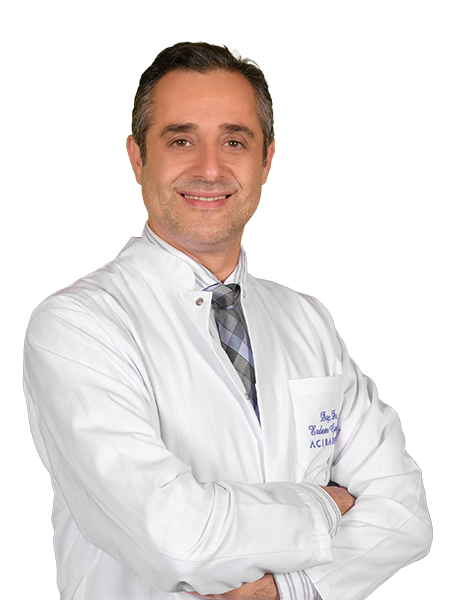
Assoc. Prof. Dr. Erdem Güven (m)
Aesthetic Plastic & Reconstructive Surgery
Prof. Dr. Ersin Ülkür
Aesthetic Plastic & Reconstructive Surgery
Prof. Dr. Hakan Ağır
Aesthetic Plastic & Reconstructive Surgery
Dr. İlke Karagöz
Aesthetic Plastic & Reconstructive Surgery