Fecal Incontinence — Explained by Medical Evidence, Not Myths

Fecal incontinence is the unintentional leakage of stool or inability to control bowel movements. Common causes include diarrhea, constipation with overflow, muscle or nerve injury, and pelvic floor weakness.
Key Takeaways
- Fecal incontinence is the unintentional leakage of stool or inability to control bowel movements.
- Common causes include diarrhea, constipation with overflow, muscle or nerve injury, and pelvic floor weakness.
- Diagnosis often starts with a detailed history, physical exam, and selected tests to find the specific cause.
- Treatment depends on the cause and may include diet changes, bowel training, pelvic floor exercises, medications, or procedures.
- Medical care is important if symptoms are new, frequent, worsening, or associated with pain, bleeding, or weight loss.
Fecal incontinence means passing stool unintentionally, from occasional leakage to a stronger loss of bowel control. It is a medical condition rather than a personal failing, and many people improve with careful evaluation, bowel habit changes, pelvic floor therapy, medicines, or procedures when needed.
What fecal incontinence means
Fecal incontinence is the unintentional leakage of stool. Some people notice minor staining in underwear, while others may have an urgent need to pass stool and cannot reach a toilet in time. The condition can happen occasionally or more often, and its severity varies from person to person.
Medical evidence shows that fecal incontinence is a symptom with many possible causes, not simply a problem of aging, poor hygiene, or lack of self-control. The bowel, rectum, anal sphincter muscles, pelvic floor, and nerves all need to work together for normal continence. A change in any part of this system can lead to leakage.
Although many people feel embarrassed and delay seeking help, effective treatment is available. The first step is identifying whether the main problem is loose stool, constipation, muscle weakness, nerve damage, rectal disease, or a combination of factors. Once the pattern is clear, care can be tailored to the individual.
Symptoms and how they may appear in daily life
The most obvious symptom is leakage of stool. This may happen without warning, after passing gas, during physical activity, or when there is a sudden urge to have a bowel movement. Some people leak only small amounts, while others lose a larger volume of stool.
Fecal incontinence may also involve difficulty delaying a bowel movement, needing to rush to the toilet, or not fully sensing that stool is in the rectum. Skin irritation around the anus, odor concerns, and anxiety about leaving home are common secondary effects. These practical and emotional effects matter because they can reduce quality of life even when leakage seems mild.
Patterns can give clues about the cause. Leakage of loose stool often points to diarrhea or inflammation. Leakage associated with hard stools may suggest constipation with overflow. In some cases, people with constipation may pass liquid stool around impacted stool, which can look like diarrhea but needs a different treatment approach.
- Staining or soiling of underwear
- Urgency or inability to hold stool
- Leakage during coughing, lifting, or exercise
- Reduced sensation of needing a bowel movement
- Anal discomfort, itching, or skin irritation
Causes and risk factors

Fecal incontinence has several well-recognized causes. Diarrhea is one of the most common because loose stool is harder to hold than well-formed stool. Chronic constipation can also contribute when retained stool stretches the rectum and reduces sensation, allowing softer stool to leak around it. Changes in bowel habits from infections, medications, or digestive conditions may trigger or worsen symptoms.
Muscle and pelvic floor problems are another major cause. Injury to the anal sphincter can happen after childbirth, anorectal surgery, or trauma. Pelvic floor weakness may reduce support for normal bowel control. Nerve damage can affect sensation and muscle coordination, particularly in people with diabetes, spinal disorders, stroke, or long-standing straining.
Some digestive diseases can directly affect continence. Inflammatory conditions, prior radiation therapy, rectal prolapse, hemorrhoids, or reduced rectal capacity after surgery may play a role. Conditions such as Crohn’s disease can contribute through diarrhea, urgency, and inflammation, while structural pelvic disorders may need a specialized evaluation.
Risk increases with older age, but fecal incontinence is not an inevitable part of aging. It is also more likely in people who have chronic diarrhea, neurologic disease, prior pelvic or anorectal procedures, or childbirth-related pelvic floor injury. More than one factor is often present at the same time, which is why a careful assessment is important.
How doctors diagnose the cause
Diagnosis begins with a conversation about symptoms, bowel habits, diet, medications, medical history, childbirth history, and any prior surgery. A doctor may ask when leakage occurs, whether there is urgency, what the stool consistency is like, and whether constipation or diarrhea is present. These details often point toward the most likely cause.
A physical examination usually includes checking the abdomen and anorectal area, along with an assessment of sphincter tone and pelvic floor function. Depending on the history, the doctor may also evaluate for hemorrhoids, fissures, prolapse, or stool retention. This can help distinguish structural problems from bowel habit issues.
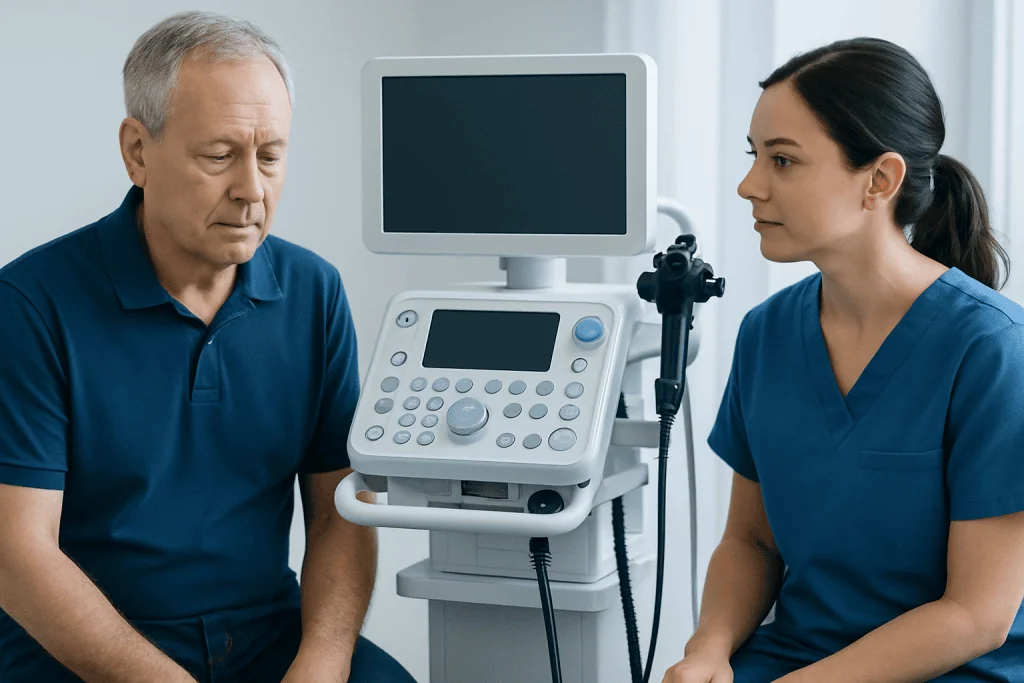
Further tests are selected based on the suspected cause rather than used routinely for everyone. These may include stool studies, blood tests, anorectal manometry, endoanal ultrasound, defecography, or imaging of the pelvic floor. If symptoms suggest inflammation, bleeding, or another bowel disorder, endoscopic evaluation such as colonoscopy may be recommended to look for a treatable digestive cause.
A bowel diary can also be useful. Recording stool frequency, consistency, urgency, diet, and leakage episodes over several days may reveal patterns that guide treatment. In many cases, diagnosis is less about one single test and more about putting together all of these findings to understand why control has been lost.
Treatment options based on the underlying problem
Treatment for fecal incontinence works best when it matches the cause. If loose stool is the main issue, care may focus on treating diarrhea, reviewing medications, and adjusting diet to improve stool consistency. If constipation with overflow is contributing, the priority is clearing stool retention and establishing more regular bowel emptying. Managing the stool pattern alone can significantly reduce leakage for many people.
Pelvic floor rehabilitation is often helpful, especially when muscle weakness or poor coordination is involved. This may include pelvic floor exercises, bowel training, and biofeedback therapy supervised by trained professionals. These approaches aim to strengthen muscles, improve sensation, and help the body respond better to rectal filling.
Some people benefit from medications that firm stool or reduce bowel urgency, while others may need treatment for inflammation, infection, or other digestive diseases. When a structural problem such as severe sphincter injury, prolapse, or persistent anorectal disease is found, procedural or surgical treatment may be considered. If there is concern about an underlying hemorrhoidal condition or related anorectal problem, addressing it can improve comfort and bowel control in selected cases.
Specialized procedures are reserved for people whose symptoms continue despite conservative care. Depending on the cause, options may include repair of a sphincter defect, neuromodulation, injectable therapies, or treatment of associated bowel disease. In centers with colorectal and pelvic floor expertise, evaluation may involve coordinated input from gastroenterology, colorectal surgery, physiotherapy, and imaging specialists. Acibadem International’s multidisciplinary specialists in JCI-accredited hospitals diagnose and treat fecal incontinence for international patients when advanced assessment is needed.
Self-care, daily management, and prevention
Self-care can improve symptoms and support medical treatment. A regular toilet routine, taking time for complete bowel emptying, and avoiding straining may help. Paying attention to foods and drinks that worsen diarrhea or urgency can also be useful. Some people find that caffeine, alcohol, very fatty meals, or highly spicy foods trigger symptoms, though triggers vary.
Fiber can help in two different ways depending on the bowel pattern: it may firm loose stool in some people and support regular emptying in others. Because responses differ, dietary changes should be made thoughtfully, and a clinician or dietitian can help choose the best plan. Good hydration remains important, especially if constipation is contributing.
Skin care matters because leakage can irritate the area around the anus. Gentle cleansing, careful drying, and use of barrier creams may reduce soreness. Absorbent pads or protective underwear can help people stay comfortable and confident while treatment is underway, but they should not replace medical evaluation when symptoms are persistent.
Prevention is not always possible, especially when neurologic disease or childbirth injury is involved, but bowel health habits can lower risk. Prompt treatment of chronic diarrhea, proper management of constipation, pelvic floor recovery after childbirth when recommended, and review of medications that affect bowel habits are practical steps that may reduce future problems.
When to seek medical care
Medical care is appropriate whenever fecal incontinence is new, recurrent, or interfering with daily life. Even mild leakage deserves attention if it keeps happening, because the cause may be treatable. Early assessment can also prevent skin problems, worsening constipation, and unnecessary distress.
Prompt evaluation is especially important if bowel leakage comes with rectal bleeding, significant abdominal pain, fever, unexplained weight loss, a major change in bowel habits, or symptoms that began after surgery, childbirth injury, or a neurologic event. A doctor should also be consulted if there is severe constipation, suspected impaction, or ongoing diarrhea that does not improve.
Emergency care may be needed for sudden severe weakness, loss of sensation in the groin area, inability to control both bladder and bowel, or intense back pain with neurologic symptoms, as these may suggest urgent nerve-related problems. For non-emergency cases, a primary care doctor, gastroenterologist, or colorectal specialist can guide the next steps, including tests such as a gastroenterology check-up when appropriate.
Frequently asked questions
Is fecal incontinence common?
Yes. Many adults experience some degree of bowel leakage, but it is often underreported because people feel embarrassed discussing it. It is a recognized medical condition, and treatment can often improve symptoms.
Can constipation cause fecal incontinence?
Yes. Severe constipation can stretch the rectum and allow softer stool to leak around retained stool, a pattern sometimes called overflow incontinence. This is why treatment depends on identifying whether the main problem is constipation, diarrhea, or both.
Does fecal incontinence always mean muscle damage?
No. Muscle injury is one possible cause, but leakage can also result from diarrhea, constipation, nerve problems, reduced rectal sensation, inflammation, or pelvic floor dysfunction. Many people have more than one contributing factor.
Can pelvic floor exercises help?
They can help some people, especially when weakness or poor coordination of the pelvic floor is involved. The best results are often seen when exercises are part of a structured plan that may include bowel training and biofeedback under professional guidance.
What kind of doctor treats fecal incontinence?
Initial evaluation may begin with a primary care doctor. Depending on the findings, care may involve a gastroenterologist, colorectal surgeon, pelvic floor physiotherapist, or other specialists with experience in bowel control disorders.
When should someone be worried about bowel leakage?
Medical review is important if leakage is frequent, worsening, or affecting daily activities. It should also be assessed promptly if it occurs with rectal bleeding, unexplained weight loss, severe pain, persistent diarrhea, or neurologic symptoms.
This article is for general information only and is not a substitute for professional medical advice. Please consult a qualified doctor about your individual situation.
Fecal Incontinence in Turkey — costs, top hospitals & a free quote
JCI-accredited · board-certified surgeons · reply within 24h
Add us as a Preferred Source to see more of our trusted health content across Google Search, AI Overviews and Discover.

General Surgery
Open, laparoscopic and robotic surgery for a broad range of abdominal and soft-tissue conditions.
119 specialists in this unitMore from the Health Library
Finger Splint: An Evidence-Based Guide for Patients
Spurling Test: What Patients Need to Know
Flashback: An Evidence-Based Guide for Patients
Spurling’s Test — Explained by Medical Evidence, Not Myths

Bacne Benzoyl Peroxide: What Patients Need to Know