Butt Crack: A Complete Medical Overview

The butt crack is normal anatomy, but the skin there is prone to moisture, friction, and irritation. Common concerns include rash, itching, pain, odor, cracking, infections, hemorrhoids, and pilonidal cysts.
Key Takeaways
- The butt crack is normal anatomy, but the skin there is prone to moisture, friction, and irritation.
- Common concerns include rash, itching, pain, odor, cracking, infections, hemorrhoids, and pilonidal cysts.
- Symptoms such as swelling, drainage, fever, severe pain, or a non-healing wound need medical assessment.
- Care usually focuses on keeping the area clean and dry, reducing friction, and treating the specific cause.
- A doctor may need to examine the skin and nearby anal area to distinguish between dermatologic, colorectal, and infectious causes.
The butt crack, medically called the gluteal cleft or intergluteal cleft, is a normal body feature. Most problems in this area are linked to friction, moisture, skin conditions, hemorrhoids, or pilonidal disease, and many improve with proper hygiene and medical evaluation when symptoms persist.
Overview: what the butt crack is and why problems happen there
The butt crack is the everyday term for the gluteal cleft, the groove between the buttocks. It is a normal part of anatomy. Questions about the butt crack usually relate not to the cleft itself, but to symptoms in the skin and tissues around it, such as itching, soreness, rash, swelling, odor, drainage, or a lump.
This area is especially vulnerable to irritation because it is warm, often moist, and exposed to friction from walking, exercise, tight clothing, and prolonged sitting. Sweat can collect there, and the skin folds can trap moisture, dead skin, and bacteria or fungi. For that reason, even mild changes in hygiene, climate, or activity can trigger symptoms.
Not every problem in the butt crack comes from the skin. Some symptoms begin near the anus or rectum, such as hemorrhoids or fissures, while others come from hair follicles and deeper tissue, such as a pilonidal cyst. A careful medical approach looks at the exact location, symptoms, and duration rather than treating all butt crack complaints as the same issue.
Common symptoms and what they may mean
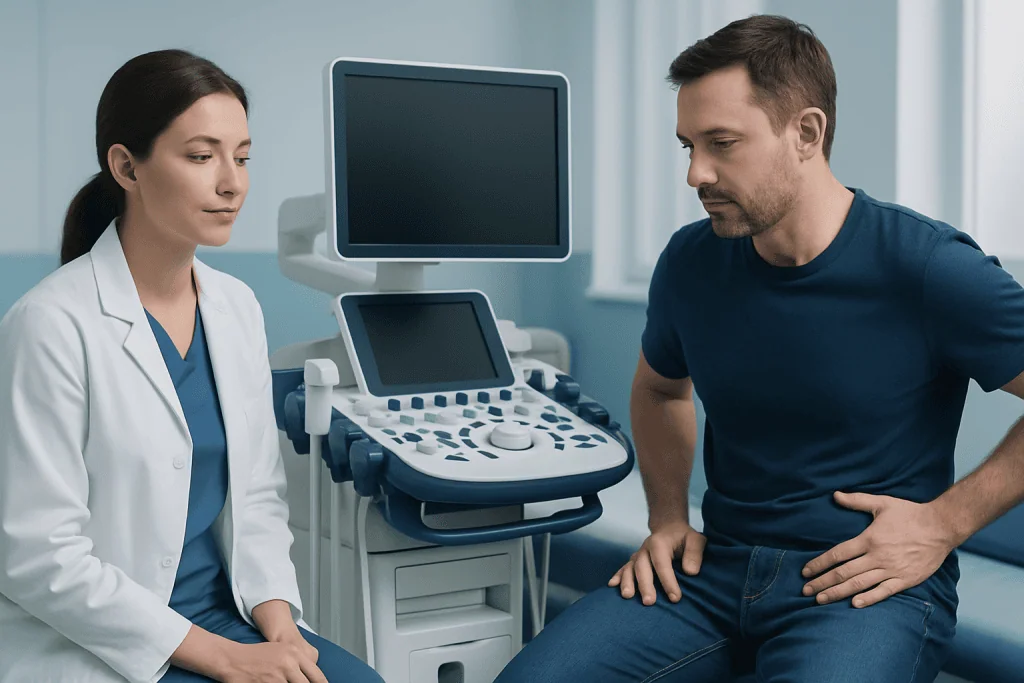
Symptoms in the butt crack can vary widely. Some people notice only mild itching or redness after sweating or exercise. Others may develop a painful bump, drainage, bleeding, or skin that cracks and stings. Symptoms may be constant or may flare during hot weather, long periods of sitting, or after bowel movements.
Skin irritation often causes redness, burning, itch, and tenderness. Fungal overgrowth may lead to a bright red or pink rash, sometimes with a defined edge. Eczema, psoriasis, or contact dermatitis from soaps, wipes, deodorizing sprays, or fabrics can also affect this area and may cause dry, inflamed, or scaly skin.
A painful lump near the top of the cleft may suggest a pilonidal cyst or abscess. This can become swollen, warm, and very tender and may drain pus or blood. Symptoms near the anal opening, including bleeding with bowel movements, pain during passing stool, or a protruding lump, may point more toward hemorrhoids or an anal fissure than a problem of the cleft itself.
- Itching or burning
- Redness or rash
- Cracked or sore skin
- Bad odor from trapped sweat or infection
- Painful swelling or lump
- Drainage of fluid, pus, or blood
- Bleeding associated with bowel movements
Causes and risk factors

The most common cause of butt crack discomfort is simple irritation from moisture and friction. Heat, exercise, obesity, prolonged sitting, tight clothing, and inadequate drying after bathing can all increase skin breakdown in the fold. This may lead to intertrigo, a type of inflammation in skin folds, and can allow yeast or bacteria to grow more easily.
Hair and skin debris can contribute to pilonidal disease, which often develops near the upper part of the cleft. In this condition, hair may become trapped under the skin and trigger inflammation or infection. Young adults, people with coarse body hair, and those who sit for long periods may be more prone to it. When infected, a pilonidal cyst can turn into an abscess that needs medical treatment.
Other causes include hemorrhoids, anal fissures, folliculitis, hidradenitis suppurativa, eczema, psoriasis, and allergic or irritant contact dermatitis. Less commonly, persistent sores or unusual skin changes can reflect more serious inflammatory or infectious disorders. A recurrent rash may also signal an underlying skin condition rather than hygiene alone.
Some risk factors make symptoms more likely or more persistent:
- Heavy sweating or hot, humid weather
- Long periods of sitting or cycling
- Tight or non-breathable clothing
- Obesity or deep skin folds
- Coarse hair in the area
- Recent use of fragranced soaps, wipes, or topical products
- Diabetes or a weakened immune system, which can increase infection risk
How doctors diagnose butt crack problems
Diagnosis usually begins with a medical history and physical examination. A doctor will ask where the symptom is located, how long it has been present, whether there is itching, bleeding, drainage, fever, bowel symptoms, or pain with sitting, and whether new products or activities could have triggered irritation. This information often helps narrow the cause quickly.
The exam focuses on the skin of the cleft, the surrounding buttocks, and sometimes the anal area. Although this can feel uncomfortable to discuss, it is a routine part of care and helps distinguish a skin rash from a pilonidal cyst, abscess, hemorrhoid, fissure, or other anorectal condition. When symptoms suggest a colorectal source, further assessment may be appropriate, sometimes including evaluation related to colorectal surgery if a structural or recurrent problem is found.
Most cases do not need extensive testing. However, a clinician may take a swab if infection is suspected, perform a skin scraping when a fungal rash is considered, or request blood tests if recurrent infection or poor wound healing raises concern about diabetes or another underlying condition. Imaging is not routine, but it may be used when a deep abscess or complex tract is suspected.
Treatment options depend on the cause
Treatment is most effective when it addresses the specific reason for symptoms. For simple irritation, care may focus on gentle cleansing, careful drying, reducing friction, and avoiding fragranced or harsh products. Doctors may recommend barrier creams or other topical treatments depending on whether the skin is inflamed, moist, or cracked.
If the cause is fungal or bacterial, targeted medication may be needed. Inflammatory skin conditions such as eczema or psoriasis often improve with prescribed creams and skin-care adjustments. When symptoms are linked to the anus or rectum, management may differ significantly from skin treatment alone. For example, hemorrhoids may need dietary changes, local treatment, or specialist care, while a fissure may need another approach.
Pilonidal disease is treated according to severity. A painful abscess may need drainage, while recurrent disease can require planned treatment by a surgeon. In selected cases, doctors may advise a procedure within general surgery services. Persistent or severe perianal disease may also need assessment by specialists familiar with proctology conditions.
People should avoid self-treating with multiple over-the-counter products at once, especially steroid creams, antifungal creams, antiseptics, and perfumed wipes used together. These can confuse the picture or worsen irritation. A clinician can help identify the cause and choose the safest option.
Prevention and self-care
Prevention centers on reducing moisture, friction, and irritation. Gentle daily washing with water and a mild cleanser is usually enough. The area should be dried carefully, including the skin fold, before getting dressed. Some people benefit from breathable cotton underwear and looser clothing, especially during exercise or hot weather.
After sweating, changing into dry clothing can help prevent rashes and chafing. People who are prone to pilonidal disease may be advised by their doctor about hair management and other practical steps to reduce recurrence. If bowel movements irritate the area, gentle wiping and avoiding strongly fragranced tissues or wet wipes may be helpful.
Self-care should stay simple and non-irritating:
- Keep the area clean and dry
- Choose breathable fabrics
- Shower and change clothes after heavy sweating
- Avoid scratching, which can damage skin and increase infection risk
- Avoid perfumed sprays, harsh soaps, and repeated product switching
- Seek medical advice for recurrent rash, swelling, or drainage
If symptoms do not improve, repeatedly come back, or are associated with pain, discharge, or bleeding, a medical review is more useful than trying stronger home remedies. This is especially important when an underlying condition such as infection, anal fissure, or pilonidal disease may be present.
When to seek medical care
Medical care is recommended when butt crack symptoms are severe, persistent, or clearly worsening. This includes intense pain, a rapidly enlarging lump, pus or blood drainage, fever, or trouble sitting or walking comfortably. These features can suggest an abscess or another condition that needs prompt treatment.
Care is also important if there is bleeding with bowel movements, a painful tear near the anus, recurrent rash that does not respond to simple measures, or a wound that does not heal. People with diabetes, immune system problems, or a history of recurrent skin infections should seek advice sooner because infections may progress more easily.
If specialist evaluation is needed, multidisciplinary teams can assess whether symptoms come from the skin, soft tissues, or anorectal region. Acibadem International’s multidisciplinary specialists and JCI-accredited hospitals diagnose and treat these conditions for international patients in a coordinated setting.
Frequently asked questions
Is the butt crack a medical problem by itself?
No. The butt crack, or gluteal cleft, is normal anatomy. Medical concerns usually relate to symptoms affecting the skin or nearby anal area, such as rash, itching, pain, a lump, or drainage.
Why does my butt crack itch?
Itching is commonly caused by sweat, friction, irritation from soaps or wipes, fungal overgrowth, or inflammatory skin conditions such as eczema. Sometimes itching can also come from hemorrhoids or small tears near the anus. A doctor can help if the problem keeps returning or is associated with bleeding or pain.
What does a painful lump in the butt crack mean?
A painful lump near the top of the cleft may be a pilonidal cyst or abscess. These can become swollen, warm, and tender and may drain fluid or pus. Because infection is possible, new or worsening painful lumps should be assessed by a clinician.
Can butt crack symptoms be caused by poor hygiene?
Not always. While trapped sweat and moisture can worsen symptoms, many conditions in this area are linked to friction, skin sensitivity, hair follicles, hemorrhoids, or underlying inflammatory skin disease. Over-cleaning with harsh products can also irritate the skin.
How can someone keep the butt crack healthy?
Gentle washing, careful drying, breathable underwear, and changing out of sweaty clothes can help. Avoiding fragranced wipes and harsh soaps is also useful. If symptoms recur often, medical advice may identify a specific cause that needs treatment.
When should someone worry about symptoms in the butt crack?
Medical attention is important for severe pain, fever, spreading redness, a growing lump, pus, persistent bleeding, or a wound that does not heal. Recurrent symptoms also deserve evaluation, especially in people with diabetes or reduced immunity.
This article is for general information only and is not a substitute for professional medical advice. Please consult a qualified doctor about your individual situation.
Explore treatments in Turkey — costs, top hospitals & a free quote
JCI-accredited · board-certified surgeons · reply within 24h
Add us as a Preferred Source to see more of our trusted health content across Google Search, AI Overviews and Discover.

More from the Health Library

Pitted Keratolysis: An Evidence-Based Guide for Patients

Ventricular Extrasystole Bigeminy: A Complete Medical Overview

Uric Acid Crystals in Urine: What Patients Need to Know

Sternberg Cell: An Evidence-Based Guide for Patients

Calculate Height in Cms — Explained by Medical Evidence, Not Myths