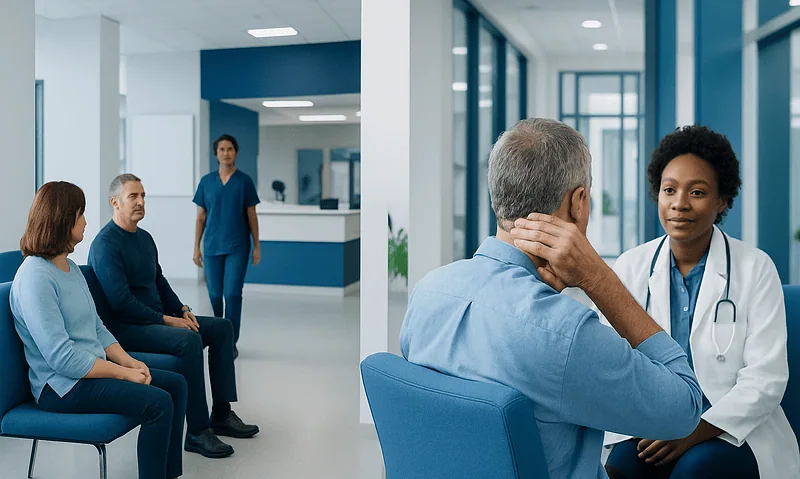
Butt Hole: What Patients Need to Know

The butt hole is the anus, a normal part of the digestive system with muscles and skin that help control bowel movements. Common symptoms include itching, pain, bleeding, burning, swelling, discharge, or a lump near the anus.
Key Takeaways
- The butt hole is the anus, a normal part of the digestive system with muscles and skin that help control bowel movements.
- Common symptoms include itching, pain, bleeding, burning, swelling, discharge, or a lump near the anus.
- Frequent causes include hemorrhoids, anal fissures, skin irritation, constipation, diarrhea, and infections.
- Persistent symptoms, heavy bleeding, fever, or severe pain need prompt medical assessment.
- Self-care such as gentle cleaning, fiber, fluids, and avoiding straining can help prevent many anal problems.
Butt hole is a common informal term for the anus, the body’s opening for passing stool. Most symptoms in this area are caused by manageable conditions, but pain, bleeding, lumps, or ongoing irritation should be checked by a doctor.
Overview: What the "butt hole" actually is
“Butt hole” is a nonmedical term that usually refers to the anus. The anus is the opening at the end of the digestive tract where stool leaves the body. It is surrounded by skin, sensitive nerve endings, and ring-shaped muscles called sphincters that help hold stool in and allow controlled bowel movements.
This area is small but important. Because it is exposed to friction, moisture, bacteria, and pressure during bowel movements, it can develop symptoms such as itching, soreness, swelling, or bleeding. These symptoms are common and often linked to treatable conditions rather than serious disease.
People may also use the term “butt hole” when they mean the anal area in general, including the skin around the anus and the lower rectum just inside it. Understanding the correct anatomy helps patients describe symptoms more clearly and seek the right care when needed.
How the anal area works
The anus is the final part of the gastrointestinal tract. Stool moves from the colon into the rectum, where it is stored until the body is ready for a bowel movement. The internal and external anal sphincters then relax in a coordinated way to allow stool to pass.
The lining just inside the anus differs from the skin on the outside, and this transition makes the area especially sensitive. Small blood vessels, glands, and folds of tissue support normal function, but they can also become irritated or swollen. This is one reason symptoms such as pain, itching, or minor bleeding can happen.
Healthy bowel habits help reduce strain on the anal area. Soft, formed stools are usually easiest to pass. Constipation, chronic diarrhea, prolonged sitting on the toilet, and repeated straining can all place extra stress on the anus and nearby tissues.
Common symptoms people notice
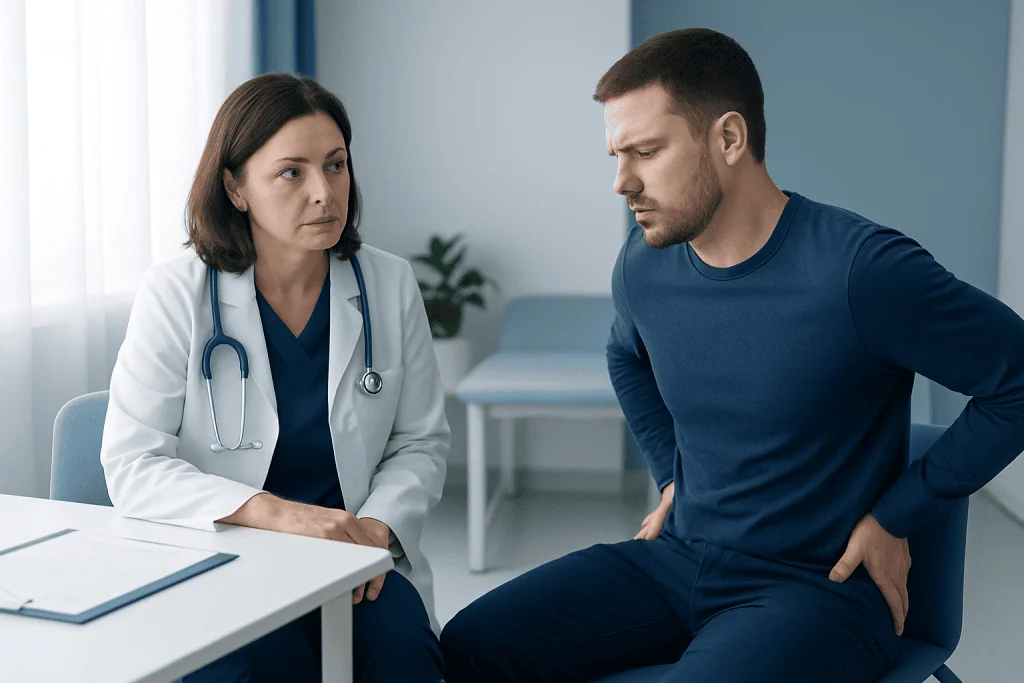
Symptoms affecting the butt hole can vary from mild irritation to significant discomfort. Some people notice symptoms only during bowel movements, while others feel them throughout the day. It is helpful to pay attention to what the symptom feels like, when it happens, and whether it is getting worse.
Common symptoms include:
- Itching around the anus
- Pain or burning during or after passing stool
- Bright red blood on toilet paper or in the toilet
- A lump, swelling, or skin tag near the anus
- Moisture, mucus, or discharge
- A feeling of incomplete emptying
- Tenderness when sitting
While these symptoms are often caused by hemorrhoids or small tears in the skin, they can also occur with infections, inflammatory bowel disease, skin conditions, or less commonly tumors of the anal or rectal area. That is why persistent or unexplained symptoms deserve medical attention rather than self-diagnosis alone.
Common causes of butt hole problems
One of the most common causes is hemorrhoids, which are swollen blood vessels in or around the anus. They can cause itching, pressure, pain, or bright red bleeding. Internal hemorrhoids may bleed without much pain, while external hemorrhoids may feel like a tender lump. Patients can learn more about hemorrhoids if symptoms match this pattern.
Another frequent cause is an anal fissure, which is a small tear in the lining of the anus. Fissures often cause sharp pain during bowel movements and a small amount of bleeding. They are commonly linked to constipation and passing hard stool. Gentle bowel habits can help, but ongoing symptoms may need examination and treatment.
Skin irritation is also common. This may happen from over-wiping, harsh soaps, sweat, tight clothing, scented products, diarrhea, or leakage of stool. In some people, fungal or bacterial infections, eczema, psoriasis, or allergic reactions can affect the skin around the anus and lead to redness and itching.
Less common but important causes include perianal abscesses, fistulas, rectal prolapse, sexually transmitted infections, inflammatory bowel diseases such as Crohn’s disease, and colorectal or anal cancers. A doctor may recommend further evaluation if symptoms are severe, do not improve, or are associated with weight loss, fever, or changes in bowel habits. Some patients with rectal bleeding may need a colonoscopy to examine the lower digestive tract more closely.
How doctors diagnose anal symptoms
Diagnosis starts with a careful history. A doctor will ask about pain, bleeding, itching, bowel habits, constipation, diarrhea, medications, and any personal or family history of digestive disease. Patients should mention how long symptoms have been present and whether they are worsening, recurring, or associated with fever, discharge, or abdominal symptoms.
A physical examination often includes inspection of the skin around the anus. In some cases, the doctor may gently feel the area or perform a digital rectal exam using a gloved, lubricated finger. This helps identify lumps, tenderness, fissures, masses, or muscle spasm. Although patients may feel embarrassed, these exams are routine and usually brief.
If more information is needed, the doctor may use an anoscope or sigmoidoscope to look inside the anal canal and rectum. Depending on age, symptoms, and risk factors, further tests may be advised to rule out bowel disease, infection, or growths. Imaging and laboratory tests are used selectively rather than for every patient. Evaluation may also include gastroenterology care when symptoms suggest a digestive cause beyond the anus itself.
Treatment options and symptom relief
Treatment depends on the cause. For mild hemorrhoids, irritation, or constipation-related symptoms, doctors often recommend increasing fiber intake, drinking enough water, avoiding straining, and limiting long periods on the toilet. Warm sitz baths can soothe discomfort, and a doctor may suggest short-term topical treatments when appropriate.
Anal fissures are often managed by making stool softer and easier to pass. This can include dietary changes and prescribed medicines that relax the anal muscles or reduce pain. If symptoms persist, a specialist may discuss procedural options. In selected cases of troublesome hemorrhoids or other structural problems, general surgery may be part of treatment planning.
If an infection or abscess is present, prompt medical treatment is important. Abscesses may need drainage, and some conditions such as fistulas require specialist management. Patients with chronic bowel inflammation may need treatment for the underlying disease as well as local symptom control.
When a skin disorder is causing anal itching or rash, treatment may focus on reducing moisture, avoiding irritants, and using prescribed creams only as directed. A correct diagnosis matters because overusing medicated products can sometimes make symptoms worse instead of better.
Prevention and self-care
Many anal symptoms can be reduced with simple daily habits. A diet that includes enough fiber from fruits, vegetables, legumes, and whole grains helps create softer stools. Good hydration and regular physical activity also support normal bowel function and may lower the risk of constipation.
It is best to avoid straining or delaying bowel movements for long periods. Spending too much time sitting on the toilet can increase pressure in the anal veins. Patients should go when they feel the urge and try not to force a bowel movement.
Gentle hygiene is important. Cleaning with water or soft unscented tissue is usually enough. Harsh soaps, vigorous scrubbing, fragranced wipes, and powders can irritate the skin. Wearing breathable underwear and keeping the area dry may also help reduce itching and discomfort.
For people with recurring symptoms, keeping track of triggers can be useful. Certain foods, diarrhea episodes, new skin products, and heavy straining may make symptoms flare. If symptoms continue despite self-care, specialist assessment is the safest next step.
When to seek medical care
Medical care is recommended if symptoms last more than a few days, keep coming back, or interfere with daily life. Ongoing pain, frequent itching, repeated bleeding, or a new lump should not be ignored. Even common conditions like hemorrhoids can resemble other problems, so proper diagnosis matters.
Urgent assessment is needed for heavy rectal bleeding, black or tar-like stools, severe pain, fever, pus, spreading redness, or inability to pass stool. These signs may suggest a more serious condition such as infection, abscess, significant bleeding, or disease higher in the digestive tract.
Any unexplained change in bowel habits, unintentional weight loss, or persistent rectal bleeding should be evaluated by a qualified doctor. Acibadem International’s multidisciplinary specialists in JCI-accredited hospitals diagnose and treat anal and digestive conditions for international patients, including conditions that may need colorectal surgery.
Frequently asked questions
Is the butt hole the same as the rectum?
Not exactly. The butt hole usually refers to the anus, which is the external opening where stool leaves the body. The rectum is the short section of bowel just above it that stores stool before a bowel movement.
Why does my butt hole itch?
Anal itching can happen because of moisture, irritation from wiping, hemorrhoids, diarrhea, mild leakage of stool, or skin conditions such as eczema. Sometimes infections also play a role. If itching is persistent or comes with rash, pain, or bleeding, a doctor should evaluate it.
Is bleeding from the butt hole always hemorrhoids?
No. Hemorrhoids are a common cause of bright red blood, but bleeding can also come from anal fissures, inflammation, infections, polyps, or other bowel conditions. Because the cause is not always obvious, repeated or unexplained bleeding should be medically assessed.
What does a lump near the butt hole mean?
A lump may be caused by an external hemorrhoid, skin tag, swollen gland, abscess, or another local condition. Some lumps are tender and sudden, while others are painless. Any new, painful, growing, or persistent lump should be checked by a doctor.
Can constipation hurt the butt hole?
Yes. Hard stools and straining can stretch and injure the anal area, causing pain, hemorrhoids, or small tears called fissures. Preventing constipation with fiber, fluids, and good bowel habits can reduce this risk.
When should someone worry about butt hole pain?
Pain that is severe, lasts more than a few days, or is linked to fever, swelling, discharge, or bleeding needs medical review. Sudden intense pain may occur with a thrombosed hemorrhoid, fissure, or infection. Prompt assessment helps identify the cause and guide treatment.
References
- National Institute of Diabetes and Digestive and Kidney Diseases
- American Society of Colon and Rectal Surgeons
- Mayo Clinic
- National Health Service
- Merck Manual Consumer Version
This article is for general information only and is not a substitute for professional medical advice. Please consult a qualified doctor about your individual situation.
Explore treatments in Turkey — costs, top hospitals & a free quote
JCI-accredited · board-certified surgeons · reply within 24h
Add us as a Preferred Source to see more of our trusted health content across Google Search, AI Overviews and Discover.

More from the Health Library

Jet Lag: A Complete Medical Overview

Coffee Enema: An Evidence-Based Guide for Patients

Clove Oil: A Complete Medical Overview
Ulcer Inside Vulva: A Complete Medical Overview

Kegel Exercises: A Complete Medical Overview