Ulcer Inside Vulva: A Complete Medical Overview
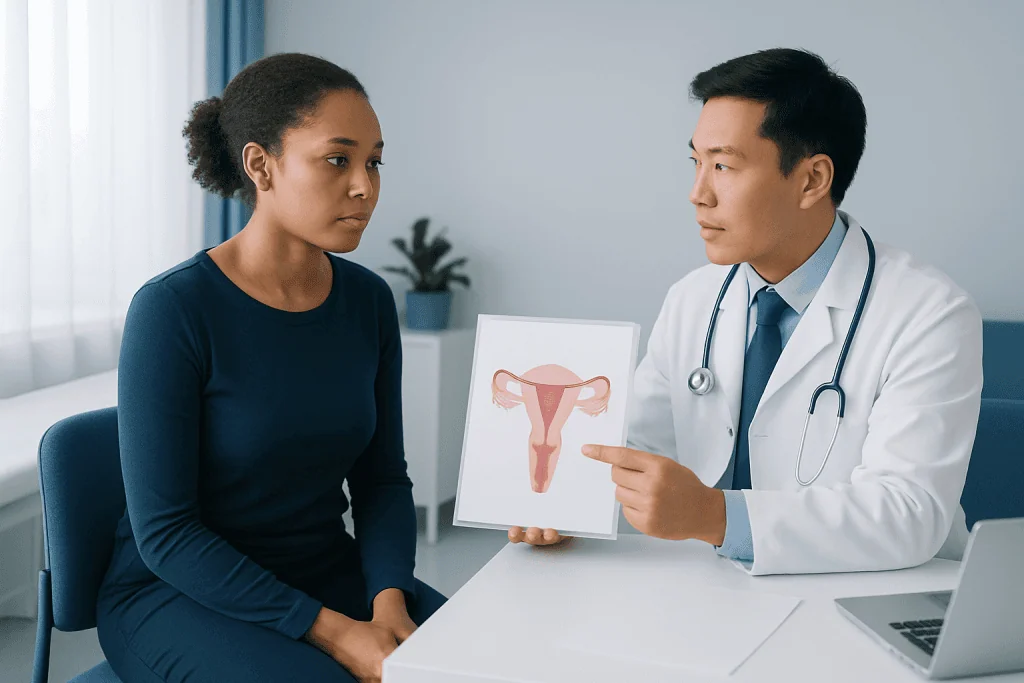
A vulvar ulcer is an open sore on the vulva, not usually inside the vaginal canal. Infections such as herpes and syphilis are possible causes, but non-infectious conditions can also cause ulcers.
Key Takeaways
- A vulvar ulcer is an open sore on the vulva, not usually inside the vaginal canal.
- Infections such as herpes and syphilis are possible causes, but non-infectious conditions can also cause ulcers.
- Appearance alone cannot reliably identify the cause; examination and targeted tests may be needed.
- Avoid sexual contact and irritating products until a clinician has assessed a new genital ulcer.
- Urgent care is appropriate for severe pain, fever, difficulty passing urine, pregnancy, or rapidly worsening symptoms.
An ulcer inside the vulva is a break or open sore on the external female genital skin, including the labia or area around the vaginal opening. It can have several causes, from infections and skin irritation to inflammatory conditions, so a medical assessment is important when the cause is uncertain or the sore does not heal.
What Does an Ulcer Inside the Vulva Mean?
An ulcer inside the vulva generally describes an open sore on the vulva: the external genital area that includes the labia, clitoris and skin around the vaginal entrance. Although people may say an ulcer is “inside the vagina,” many sores are actually located at or near the vaginal opening. A vulvar ulcer may be painful, tender, itchy, burning or painless, depending on its cause.
These sores develop when the surface layer of skin or mucous membrane is damaged. Some are linked to sexually transmitted infections (STIs), while others arise from skin conditions, immune-related inflammation, physical irritation or less common medical problems. A new sore should not be self-diagnosed based on photographs or symptoms alone, because different conditions can look similar.
Most vulvar ulcers have treatable causes. Prompt, respectful medical care can relieve symptoms, identify infections that need treatment and help exclude less common but important causes. A clinician may examine the area and recommend swabs, blood tests or other investigations based on the person’s symptoms and health history.
Symptoms That May Occur With a Vulvar Ulcer
A vulvar ulcer may appear as a shallow or deep break in the skin. It can be red, white, yellowish or gray at the base, and may have a raised, smooth or crusted edge. One ulcer or several small sores may occur. The size, location and level of discomfort can vary considerably.
Common accompanying symptoms include burning or stinging, pain with urination when urine touches the sore, discomfort during walking or sitting, itching, swelling, vaginal discharge or enlarged lymph nodes in the groin. Blisters that later break open may be seen with herpes infection. In contrast, some ulcers, including those caused by syphilis, may be painless at first.
Symptoms elsewhere in the body can provide useful clues. Fever, fatigue, mouth ulcers, eye irritation, rash, joint pain, abdominal symptoms or recurring sores should be reported to a clinician. These features do not establish a diagnosis on their own, but they can guide appropriate testing and referral.
- Note when the ulcer first appeared and whether it has changed.
- Tell the clinician about new sexual partners, recent illnesses, medication changes and use of new personal-care products.
- Seek care sooner if pain is making urination difficult or if symptoms are rapidly worsening.
Possible Causes and Risk Factors
Sexually transmitted infections are an important cause of genital ulcers. Genital herpes, caused by herpes simplex virus, commonly causes painful blisters or ulcers that can recur. Syphilis can cause a classically painless ulcer during its early stage. Other infections may be considered depending on travel history, immune status and local prevalence. Testing is the only reliable way to determine whether an STI is responsible.
Not all vulvar ulcers are sexually transmitted. Friction, scratching, shaving injuries, allergic or irritant reactions, and severe yeast or bacterial skin infections may damage the skin. Harsh soaps, scented wipes, douches, fragranced pads and tight clothing can worsen irritation in sensitive vulvar tissue, although they do not explain every ulcer.
Some ulcers are related to inflammatory or immune-mediated conditions. Examples include Behçet disease, lichen planus and, less often, inflammatory bowel disease such as Crohn’s disease. A painful vulvar ulcer may also occur after a viral illness in some adolescents and young adults without an STI being present. This is sometimes called a non-sexually acquired genital ulcer.
Rarely, a persistent vulvar sore can be associated with precancerous change or vulvar cancer, particularly when it does not heal, repeatedly bleeds, changes in appearance or occurs with a new lump, thickened skin or persistent itch. This does not mean that most ulcers are cancer, but it is a reason not to ignore a sore that lasts or returns.
How Doctors Diagnose a Vulvar Ulcer
Diagnosis begins with a sensitive discussion of symptoms, medical history and any possible exposures. The clinician may ask about the timing of the ulcer, pain, previous episodes, medications, recent infections, menstrual history and sexual health. These questions are routine and are intended to select the most useful tests, not to make assumptions.
A focused pelvic or vulvar examination helps identify the ulcer’s location and characteristics. With consent, a swab may be taken to test for herpes simplex virus or other infections. Blood tests may be recommended for syphilis, HIV and other conditions when clinically appropriate. Pregnancy testing may also be relevant for people of reproductive age before certain treatments are considered.
If the ulcer is persistent, unusual, recurrent or not explained by initial testing, the clinician may arrange referral to gynecology, dermatology or sexual health services. A small biopsy may occasionally be advised to examine tissue under a microscope and rule out inflammatory disease, precancerous changes or cancer. This procedure is not needed for every ulcer but can provide an important answer when a sore does not heal as expected.
Treatment Options and Symptom Relief
Treatment depends on the underlying cause. Antiviral medicines may be prescribed for genital herpes, while bacterial infections such as syphilis require appropriate antibiotics. If an STI is diagnosed, testing and treatment of sexual partner(s), as advised by the treating clinician or local public-health guidance, can help prevent reinfection and onward transmission.
For non-infectious ulcers, management may involve avoiding triggers, treating an underlying inflammatory condition or using prescribed topical medicines to reduce inflammation and discomfort. Complex or recurrent cases may require coordinated care from gynecology, dermatology, rheumatology, gastroenterology or sexual health specialists. Treatment should be individualized, especially during pregnancy or for people with immune suppression.
While awaiting assessment, gentle supportive care may help. Keeping the area clean with lukewarm water, patting rather than rubbing dry, wearing loose cotton underwear and avoiding fragranced products can reduce irritation. Cool compresses or a brief lukewarm sitz bath may soothe discomfort for some people. A clinician or pharmacist can advise on suitable pain relief and protective topical products.
It is best to avoid sexual contact, including oral sex, until the ulcer has been assessed and any infection has been treated or excluded. This protects sensitive tissue from further irritation and reduces the chance of transmitting an infection. Do not apply leftover antibiotics, steroid creams, antiseptics or home remedies to a genital ulcer unless a healthcare professional recommends them.
Prevention and Everyday Vulvar Care
Not every vulvar ulcer can be prevented, particularly those related to immune conditions or unexpected infections. However, safer-sex practices can lower the risk of some STIs. Condoms and dental dams reduce, but do not completely eliminate, transmission of infections that spread through skin-to-skin contact, including herpes. Regular STI testing may be appropriate for people with new or multiple partners.
Gentle vulvar care can help protect the skin barrier. The vulva does not need scented cleansers, douching or internal washing. Using plain water or a mild, fragrance-free cleanser externally, avoiding perfumed pads and wipes, and changing out of wet clothing promptly may reduce irritation. Breathable underwear and clothing that does not rub can also be helpful.
People with recurrent ulcers should keep a brief record of episodes, including possible triggers, associated symptoms and treatments used. This information may help a clinician distinguish recurrent herpes from inflammatory disease or other causes. Follow-up is important if symptoms recur frequently, do not improve with treatment or affect daily comfort and sexual wellbeing.
When to Seek Medical Care
A new ulcer inside the vulva should be assessed by a doctor, gynecologist or sexual health clinician, particularly if there has been a possible STI exposure, a new sexual partner or no clear explanation for the sore. Medical evaluation is also recommended for ulcers lasting more than a short period, recurring ulcers, sores that bleed, or any area that is changing in color, texture or size.
Urgent medical care is appropriate for severe pain, fever, marked swelling, spreading redness, inability to pass urine, dizziness, or a rapidly worsening rash or sore. Pregnant people and those with weakened immune systems should contact a healthcare professional promptly if they develop genital sores, since testing and treatment decisions may need to be made without delay.
For international patients, Acibadem International’s multidisciplinary specialists and JCI-accredited hospitals can assess vulvar symptoms and coordinate gynecologic, dermatologic and infectious-disease care when needed. A clinician can determine whether testing, treatment or specialist follow-up is appropriate based on the individual situation.
Frequently asked questions
Is an ulcer inside the vulva always a sexually transmitted infection?
No. Genital herpes and syphilis are possible causes, but ulcers can also result from irritation, skin conditions, immune-related inflammation or other infections. Testing and a clinical examination are needed to identify the cause accurately.
Can a vulvar ulcer go away on its own?
Some ulcers may heal without specific treatment, particularly when caused by minor injury or certain self-limited illnesses. However, a new genital ulcer should still be assessed, because infections and other conditions may need treatment or follow-up.
What does a herpes ulcer on the vulva look like?
Herpes may begin with clusters of small blisters that break to form painful shallow ulcers. However, its appearance varies, and other conditions can look similar. A swab from a fresh sore is commonly used to test for herpes.
Can shaving cause sores on the vulva?
Shaving can cause small cuts, ingrown hairs, follicle irritation and friction-related skin breakdown. It does not usually cause a true persistent ulcer, so a sore that is painful, recurrent or slow to heal should be checked by a healthcare professional.
Should someone have sex with a vulvar ulcer?
It is best to avoid vaginal, anal and oral sexual contact until the sore has been evaluated and healed, especially when an infection is possible. Sexual contact can worsen discomfort and may transmit an STI if one is present.
How long should a vulvar ulcer last before seeing a doctor?
A person should seek medical advice promptly for a new genital ulcer rather than waiting for it to resolve. Assessment is particularly important if the ulcer lasts more than a few days, is worsening, recurs, causes significant pain or is accompanied by fever or urinary problems.
This article is for general information only and is not a substitute for professional medical advice. Please consult a qualified doctor about your individual situation.
Persistent digestive symptoms? Get evaluated in Turkey
JCI-accredited · board-certified surgeons · reply within 24h
Add us as a Preferred Source to see more of our trusted health content across Google Search, AI Overviews and Discover.

More from the Health Library

Weight Loss Injections: What Patients Need to Know

Milk Thistle: A Complete Medical Overview

Spirometry: A Complete Medical Overview

Inner Child — Explained by Medical Evidence, Not Myths

Scratchy Throat — Explained by Medical Evidence, Not Myths