Butt Massage — Explained by Medical Evidence, Not Myths
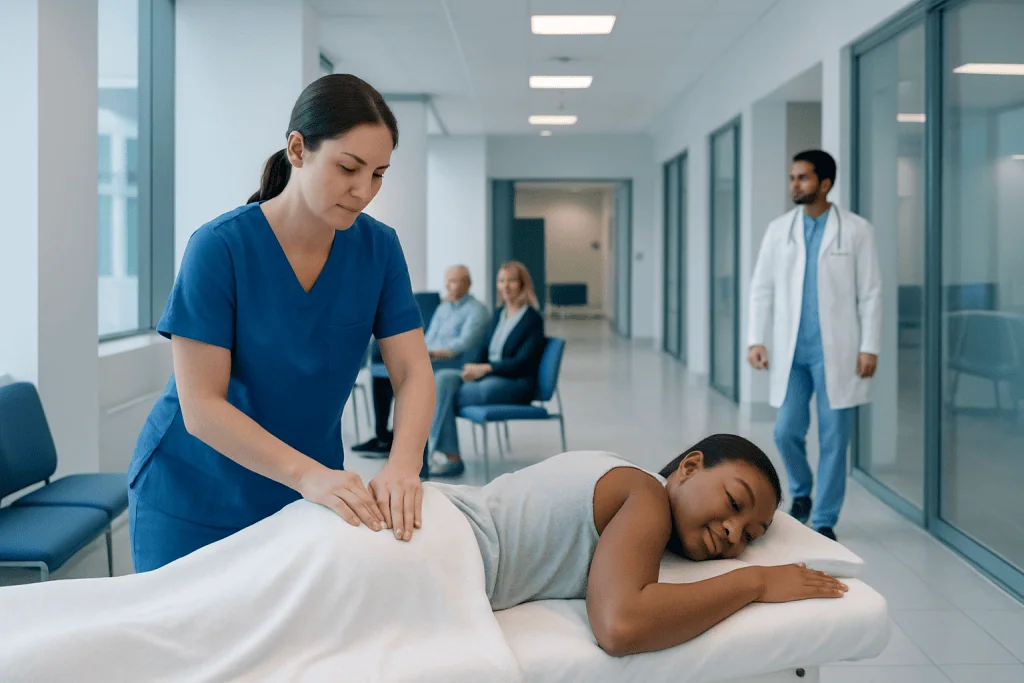
Butt massage mainly works by relaxing soft tissues and may provide short-term relief from muscle tightness and soreness. It is most helpful when symptoms come from overuse, tension, exercise-related discomfort, or myofascial trigger points.
Key Takeaways
- Butt massage mainly works by relaxing soft tissues and may provide short-term relief from muscle tightness and soreness.
- It is most helpful when symptoms come from overuse, tension, exercise-related discomfort, or myofascial trigger points.
- Massage is not appropriate for every cause of buttock pain, especially when there is severe pain, injury, infection, numbness, or weakness.
- Persistent or radiating pain may point to a medical condition such as sciatica, piriformis syndrome, or a spine problem that needs assessment.
- Safe technique, communication, and respect for personal comfort and boundaries are essential.
Butt massage can help relax the gluteal muscles, reduce everyday muscle tension, and temporarily ease soreness in some people. Medical evidence supports massage as a symptom-relief tool in selected situations, but it does not treat every cause of buttock pain and should not replace a proper medical evaluation when symptoms persist.
What butt massage actually does
Butt massage refers to manual treatment of the gluteal region, including the gluteus maximus, gluteus medius, gluteus minimus, and nearby soft tissues. In medical terms, massage is used to reduce muscle tension, improve comfort, and support relaxation. It may also help a person become more aware of tight areas that contribute to stiffness during sitting, walking, or exercise.
Evidence suggests that massage can provide short-term relief for some forms of musculoskeletal discomfort, especially when symptoms are related to muscle overuse or tension. The likely benefits come from several factors working together: gentle pressure on soft tissues, improved local circulation, reduced guarding of tight muscles, and a calming effect on the nervous system. This can make movement feel easier, even if the underlying issue is not fully resolved.
At the same time, butt massage is often surrounded by myths. It does not “detox” the body, remove fat from the area, permanently correct posture, or cure nerve problems on its own. A more accurate view is that it can be one useful part of a broader plan for comfort and recovery, especially when combined with movement, stretching, strengthening, or medical care when needed.
Who may benefit from butt massage
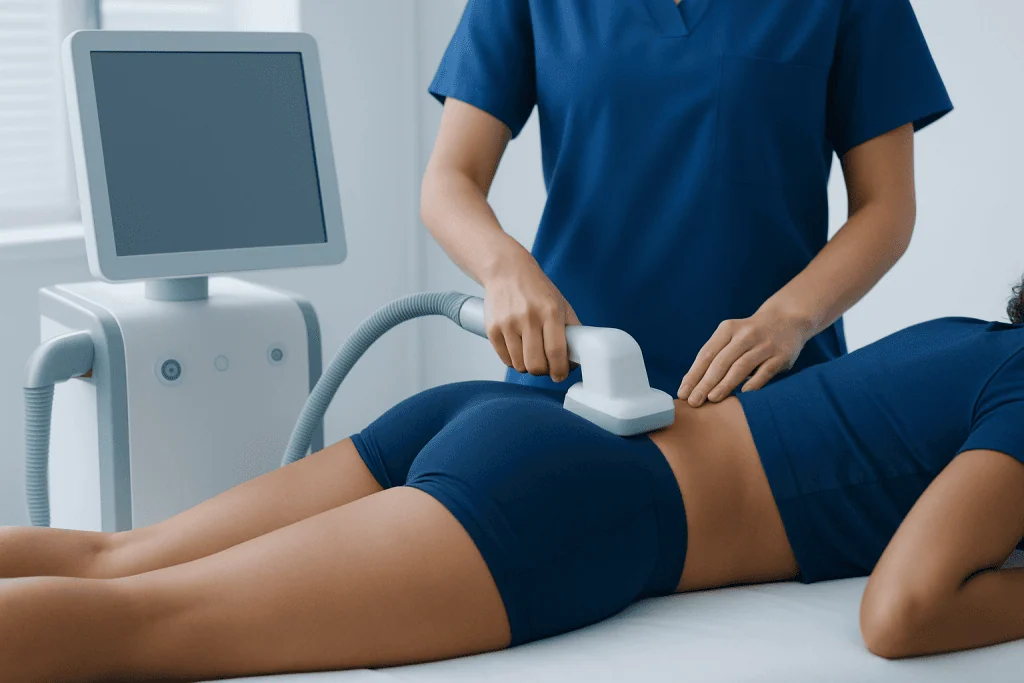
Some people notice improvement when buttock discomfort comes from prolonged sitting, exercise-related muscle soreness, repetitive strain, or myofascial trigger points in the gluteal muscles. Tightness in this region can also affect how the hips and lower back feel during daily activities. In these cases, massage may help reduce tenderness and improve short-term flexibility or ease of movement.
Butt massage may also be used as part of rehabilitation after a clinician has identified a muscular source of pain. For example, some patients with tight hip rotators or overworked gluteal muscles may benefit from a combination of hands-on therapy and guided exercise. When a physiotherapist or physician recommends it, massage can fit into a structured treatment plan rather than being used as a standalone fix.
People sometimes seek butt massage when they suspect conditions such as sciatica or piriformis syndrome. In these situations, massage may help relieve surrounding muscle tightness, but results vary because symptoms may involve irritated nerves, hip mechanics, or spinal structures. A clinical assessment helps determine whether massage is likely to help or whether another treatment approach is more appropriate.
What the evidence says — and what it does not
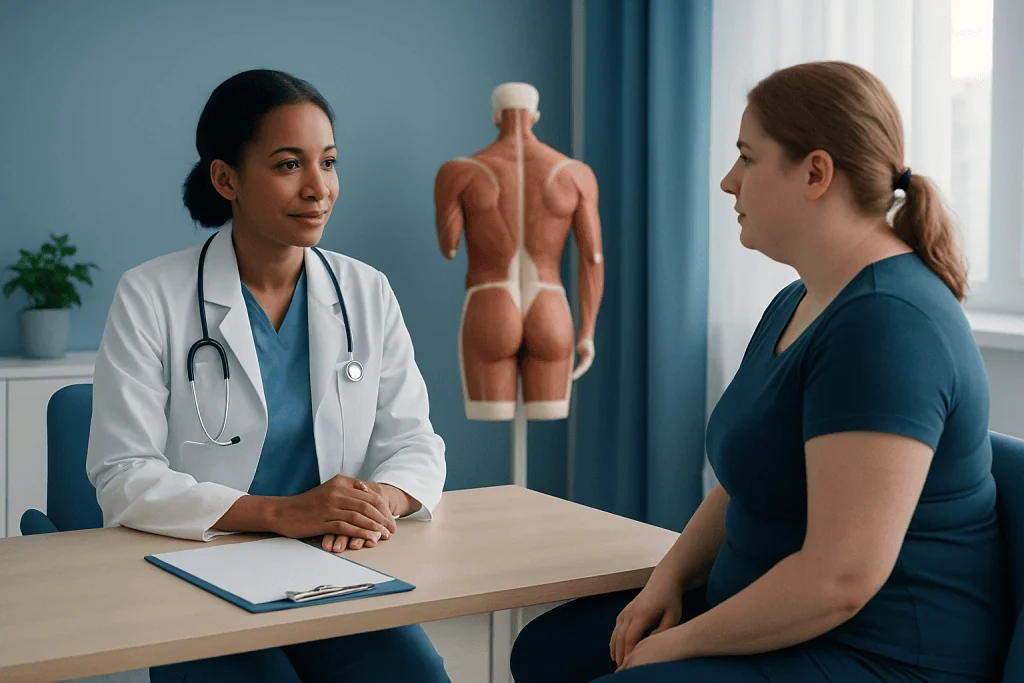
Medical evidence on massage is strongest for temporary relief of musculoskeletal pain, stress, and soft-tissue tension. Research supports massage as a complementary therapy for some people with low back pain, sports-related muscle tightness, and general muscle soreness. This means it may improve symptoms, comfort, or function for a period of time, but it is not considered a universal cure.
For buttock pain specifically, the effect depends on the cause. If the pain is mainly muscular, butt massage may reduce tenderness and improve comfort. If the pain is caused by a lumbar disc problem, significant nerve compression, inflammatory arthritis, fracture, or infection, massage alone is unlikely to solve the problem and could delay proper diagnosis if relied on too heavily.
It is also important to separate plausible effects from popular claims. There is no good evidence that butt massage reshapes body contours, breaks down cellulite in a meaningful long-term way, or “flushes toxins” from the tissues. A realistic expectation is short-term symptom management, not structural transformation. People tend to benefit most when massage is used alongside posture changes, gradual activity, and clinician-guided rehabilitation such as physical therapy and rehabilitation.
Common techniques and how to approach them safely
Techniques used in the gluteal area may include gentle kneading, broad pressure with the palm, sustained trigger-point pressure, myofascial release, or soft-tissue work around the hip rotators. The best approach depends on the person’s symptoms, pain tolerance, and medical history. Massage should feel tolerable and controlled rather than aggressively painful.
Clear communication matters because this is a sensitive anatomical area. Consent, privacy, draping, and professional boundaries are essential in any clinical or therapeutic setting. A licensed massage therapist, physiotherapist, or physician should explain what area will be treated and why, and the person should feel comfortable asking questions or stopping at any time.
For self-care, some people use a tennis ball, massage ball, or foam roller against a wall or floor to apply gentle pressure to the gluteal muscles. This should be done slowly, avoiding sharp pain, numbness, or tingling. Starting with brief sessions and combining them with light movement or stretching is usually safer than using prolonged or intense pressure.
- Use moderate pressure, not forceful pressing.
- Avoid massaging directly over bruises, cuts, rashes, or swollen areas.
- Stop if pain shoots down the leg, causes numbness, or worsens afterward.
- Seek professional guidance if symptoms keep returning.
Risks, limitations, and when massage may be the wrong choice
Although butt massage is often low risk when performed appropriately, it is not risk-free. Too much pressure can increase soreness, irritate soft tissues, or aggravate an already sensitive nerve. People with recent injuries, anticoagulant use, skin infections, open wounds, fever, or unexplained swelling should avoid massage until a clinician says it is safe.
Massage may also be the wrong choice if buttock pain is not truly muscular. Pain that starts in the lower back and travels down the leg can reflect nerve irritation, sometimes related to the spine. In these cases, a doctor may recommend assessment for lumbar disc herniation or another cause rather than repeated massage sessions. If movement patterns, weakness, or joint problems are contributing, targeted rehabilitation or other treatments may be more useful.
Some people assume that if a massage hurts more, it is working better. This is a misconception. Strong pain during massage can cause muscles to tighten defensively and may increase discomfort afterward. Safe treatment aims for relief, not endurance, and should be adapted to the person rather than forced.
How butt massage fits into a broader care plan
When buttock discomfort is recurrent, massage usually works best as one part of a larger plan. The gluteal muscles help stabilize the pelvis and support walking, standing, climbing stairs, and exercise. If these muscles are weak, overworked, or compensating for poor mechanics elsewhere, temporary relief from massage may fade unless the underlying pattern is addressed.
A clinician may suggest stretching of the hip rotators, gradual strengthening of the gluteal and core muscles, changes in sitting habits, and activity modification. In some cases, imaging or specialist evaluation is needed, especially if symptoms suggest a spine, hip, or nerve problem. Depending on the diagnosis, care may include orthopedic rehabilitation or consultation in pain management for a more tailored strategy.
Near the end of the care pathway, if specialist input is needed, Acibadem International’s multidisciplinary teams in JCI-accredited hospitals assess and treat musculoskeletal and nerve-related causes of buttock pain for international patients. The most suitable next step depends on the symptoms, physical examination, and overall health of the individual.
When to seek medical care
Medical care is advisable when buttock pain is severe, lasts more than a few weeks, keeps returning, or interferes with sleep, walking, work, or exercise. An evaluation is also important if there is pain that radiates down the leg, numbness, tingling, weakness, or difficulty controlling bowel or bladder function. These symptoms can suggest nerve involvement or another condition that should not be self-treated with massage alone.
A person should also seek assessment after a fall, sports injury, or sudden onset of intense pain, especially if there is swelling, bruising, fever, redness, or inability to bear weight. In older adults and people with osteoporosis, even a relatively minor injury may need medical attention. Persistent pain near the hip or low back can have several possible causes, and the right treatment depends on an accurate diagnosis.
If butt massage causes symptoms to worsen instead of improve, that is another sign to stop and speak with a qualified clinician. A doctor, physiotherapist, or rehabilitation specialist can help determine whether the issue is muscular, neurological, spinal, or joint-related and guide the next steps safely.
Frequently asked questions
Is butt massage medically useful?
It can be medically useful for short-term relief of muscle tightness, tenderness, and exercise-related soreness in the gluteal area. Its benefits are usually supportive rather than curative, so it works best when the pain is actually muscular and not caused by a more serious problem.
Can butt massage help sciatica?
It may help some people if nearby muscles are tight and adding to discomfort, but it does not treat the root cause of every case of sciatica. Because sciatica can come from spinal nerve irritation, persistent or radiating pain should be assessed by a doctor.
Should a butt massage be painful to work?
No. Mild tenderness can occur over tight muscles, but strong pain is not necessary and can be counterproductive. If pressure causes sharp pain, numbness, or pain shooting down the leg, the massage should stop.
Can butt massage remove cellulite or burn fat?
There is no good medical evidence that massage removes fat from the buttocks or produces meaningful long-term cellulite reduction. Massage may temporarily change how the tissues feel, but it should not be seen as a body-contouring treatment.
Who should avoid butt massage?
People with fever, skin infection, open wounds, recent trauma, unexplained swelling, severe osteoporosis-related concerns, or significant nerve symptoms should avoid massage until they have medical advice. Caution is also needed for those who bruise easily or take blood thinners.
How often can someone safely do self-massage on the glutes?
There is no single schedule that fits everyone, but brief, gentle sessions are generally safer than frequent intense pressure. If symptoms persist, worsen, or keep returning despite self-care, professional assessment is a better next step than increasing pressure or duration.
References
- World Health Organization
- National Center for Complementary and Integrative Health
- American Academy of Orthopaedic Surgeons
- National Institute of Neurological Disorders and Stroke
- National Health Service
This article is for general information only and is not a substitute for professional medical advice. Please consult a qualified doctor about your individual situation.
Explore treatments in Turkey — costs, top hospitals & a free quote
JCI-accredited · board-certified surgeons · reply within 24h
Add us as a Preferred Source to see more of our trusted health content across Google Search, AI Overviews and Discover.